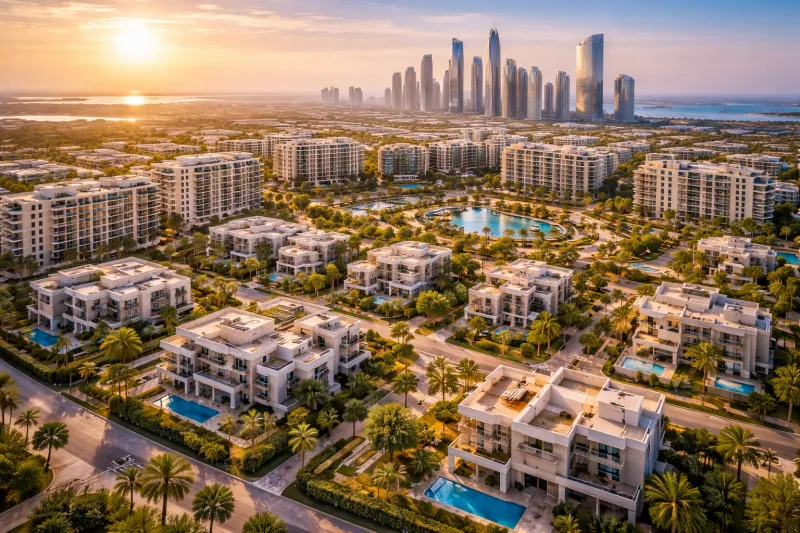
UAE real estate set for cooling phase amid new supply, Moody’s warns
Moody’s recent analysis signals a shift in the UAE property cycle: after years of rapid expansion in prices and activity, a substantial wave of new supply is poised to cool markets across Dubai and Abu Dhabi. The rating agency highlights rising inventory, changing demand patterns and potential stress on developer cash flows as key reasons for a more subdued outlook in the near term.
- Market overview: recovery meets fresh pressure
- New supply wave: scale and timing
- Moody’s analysis and key warnings
- Demand-side dynamics: who will buy and rent?
- Price and rental trajectories: signs of moderation
- Developer balance sheets and financing risks
- Regional differences: Dubai versus Abu Dhabi
- Impact on commercial and hospitality sectors
- Policy and regulatory responses to manage cooling
- Outlook and investor considerations
Market overview: recovery meets fresh pressure
After a strong recovery following the pandemic, UAE real estate has seen robust price and rental gains, driven by tourism, corporate relocations and investor flows. That momentum is now encountering a fresh headwind as an expanding pipeline of residential and commercial completions begins to outpace near-term absorption. Indicators such as rising off-plan listings and slower sales velocity suggest a transition from a seller's market toward a more balanced or buyer-favouring environment.
New supply wave: scale and timing
Developers in both Dubai and Abu Dhabi are completing large projects announced during the boom years and a number of Expo-related and tourism-driven schemes are coming online. The concentration of deliveries over the next 12–24 months risks creating pockets of oversupply, particularly in mid-to-high-end segments where speculative building was concentrated. Planned launches and released inventory are likely to weigh on price growth and push some buyers to seek discounts.
Moody’s analysis and key warnings
Moody’s cautions that the combination of elevated supply and cooling demand could compress margins and pressure developer credit metrics. The agency points to increased stock levels, longer sales cycles for off-plan units and potential rental corrections as channels that could affect earnings and liquidity. While Moody’s does not predict systemic defaults, it flags greater credit differentiation among developers depending on balance sheet strength and access to financing.
Demand-side dynamics: who will buy and rent?
Demand is driven by a mix of end-users, expatriate workers, high-net-worth investors and tourism-related occupancy. Structural drivers—such as long-term population growth and visa reforms—remain supportive, but short-term demand is more uncertain as global economic conditions and interest-rate sensitivity temper investor appetite. A shift from speculative demand to quality, income-generating tenants will determine how quickly new supply is absorbed.
Price and rental trajectories: signs of moderation
Recent transactions and brokerage reports show slowing price appreciation and early signs of rental softening in certain submarkets. Luxury segments that outpaced fundamentals are especially vulnerable to corrections, while affordable housing may retain steadier demand. Moody’s expectation of a cooling phase implies that buyers should anticipate more negotiation room and potential downward pressure on yields in the short term.
Developer balance sheets and financing risks
Developers with heavy reliance on pre-sales and short-term bank funding stand to feel the strain if sales slow and cash collection lags. Margin compression and higher interest costs can tighten liquidity, prompting delays in project completions or heavier use of refinancing. Conversely, well-capitalised firms or those backed by sovereign-linked entities will likely capture market share as weaker peers adjust strategies.
Regional differences: Dubai versus Abu Dhabi
Dubai's market is larger, more investor-driven and more sensitive to international capital flows, while Abu Dhabi has a more measured pipeline and stronger state-led demand support. As a result, Dublin-like velocity in Dubai can flip quicker toward excess supply, whereas Abu Dhabi may experience a gentler rebalancing. Submarket variation is important: waterfront, freezone and central business districts will behave differently from suburban or secondary locations.
Impact on commercial and hospitality sectors
Office space faces structural changes from hybrid work but benefits from corporate relocations and regional expansion; however, new Grade A supply in key precincts could push vacancies higher and compress rents. The hospitality sector has recovered strongly on the back of tourism, but a surge in branded residences and hotel rooms may temper room-rate growth. Investors should monitor occupancy trends and average daily rates as leading indicators of stress.
Policy and regulatory responses to manage cooling
Authorities have tools to smooth the adjustment, including planning controls, timing of permit approvals and macroprudential measures such as mortgage lending criteria. Regulators may also encourage longer-term institutional investment in build-to-rent and affordable housing to improve absorption rates. Transparent transaction data and enforcement of developer obligations can help reduce market uncertainty and support orderly correction rather than a disorderly slump.
Outlook and investor considerations
In the near term, expect a moderation in price and rent growth as new completions enter the market and buyers exercise more caution. For investors, focus will shift to assets with strong location fundamentals, stable income potential and counterparty strength. Due diligence should emphasise supply pipelines, occupancy trends and developer financials; selective buying during the cooling phase could offer opportunities for those prepared to take a longer-term view.
Focused on delivering informative, accessible content