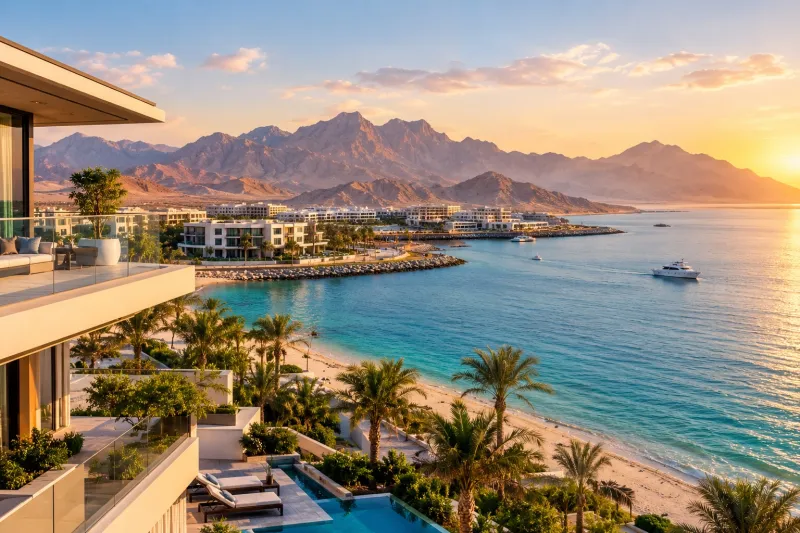
Ras Al Khaimah has recorded an 18% rise in property prices year-on-year, driven largely by strong demand for high-end residences and resort-style developments. This surge reflects a broader shift in buyer preferences toward luxury waterfront homes, exclusive villas and integrated lifestyle communities, positioning the emirate as an emerging premium real estate destination in the UAE.
The UAE property market is showing clear signs of cooling as a slowdown in Dubai transactions coincides with a broad deceleration in rental growth. Market participants are recalibrating expectations after a period of rapid appreciation, and observers are watching payment flows, new supply and policy signals for clues on the next phase of the cycle.
Abu Dhabi has introduced a revised regulatory framework that relaxes several constraints on off-plan mortgages, aiming to stimulate property financing and support both buyers and developers. The changes standardize escrow arrangements, clarify lender protections and create conditions for banks to offer more competitive lending for projects under construction.

Recent market data indicate a divergence in Dubai's real estate: transaction volumes have fallen by 8% while average property prices have climbed by 6.8%. This article examines the dynamics behind this moderation in growth, the segments most affected, and what buyers, sellers and investors should watch next.

Dubai's rental market is showing signs of moderation after a period of strong growth, with newly advertised annual rents reaching around AED 75,000 in many segments while overall rental momentum softens as fresh supply comes online. This article examines the drivers, variations by neighbourhood and asset class, and what tenants and investors should expect in the near term.

Dubai has unveiled an AI-powered platform designed to streamline and accelerate property transactions across the emirate. The initiative aims to reduce paperwork, shorten closing times and improve transparency for buyers, sellers, brokers and regulators by automating repetitive tasks and surfacing actionable insights.
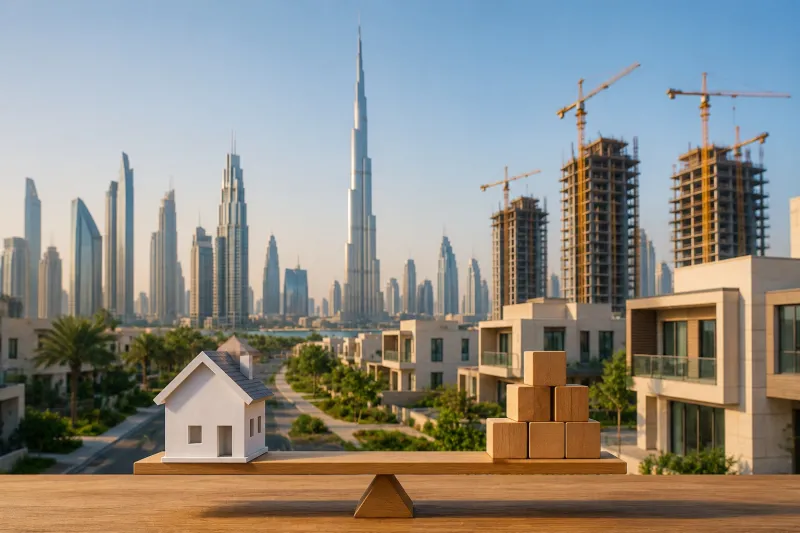
Dubai is preparing to deliver roughly 56,600 new homes as the UAE property sector shifts from a high-growth, supply-constrained cycle to a more balanced phase. Developers, investors and policymakers are recalibrating strategies to match rising stock with steady demand, while watching how the new supply will affect prices, rents and absorption across different segments.
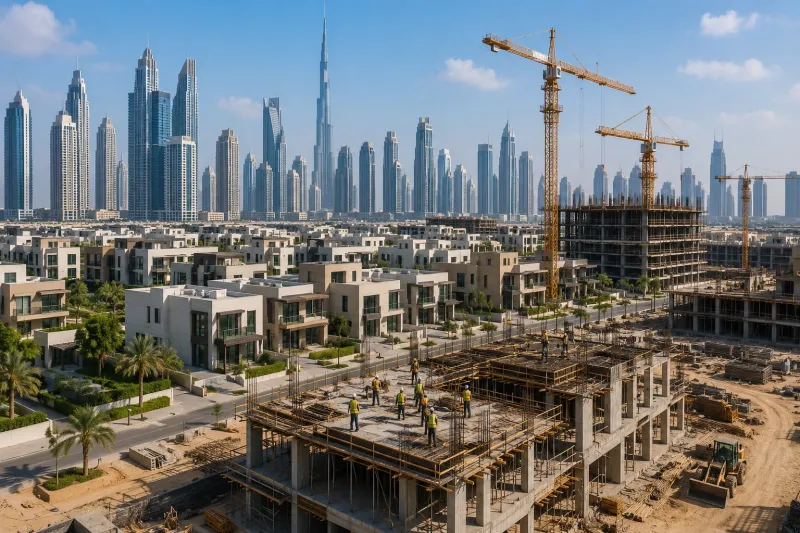
Dubai has seen a marked acceleration in real estate development, with developers and authorities delivering more than 24,000 new homes in the latest period. The surge spans apartments, townhouses and villas across established and emerging districts, reshaping supply dynamics and prompting fresh debate about demand, affordability and long-term planning.