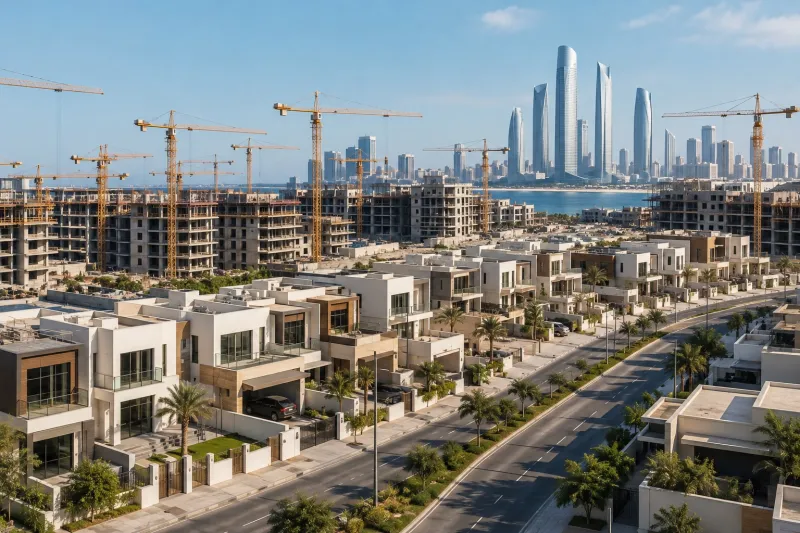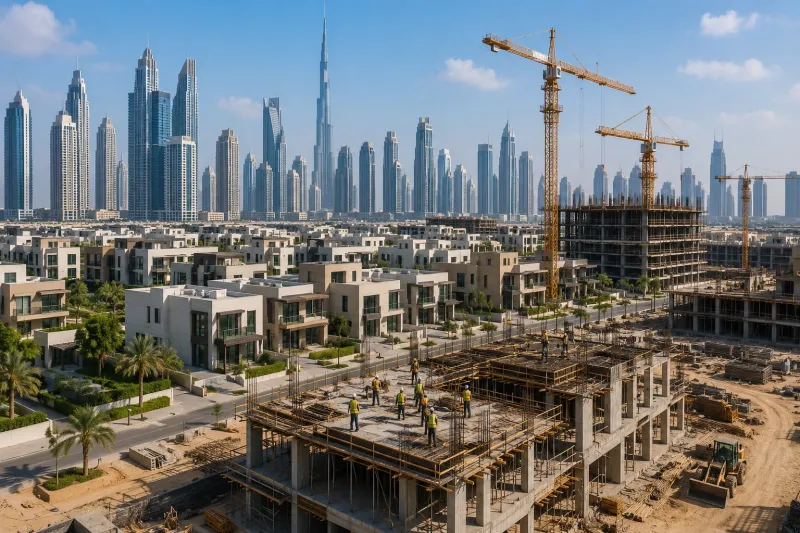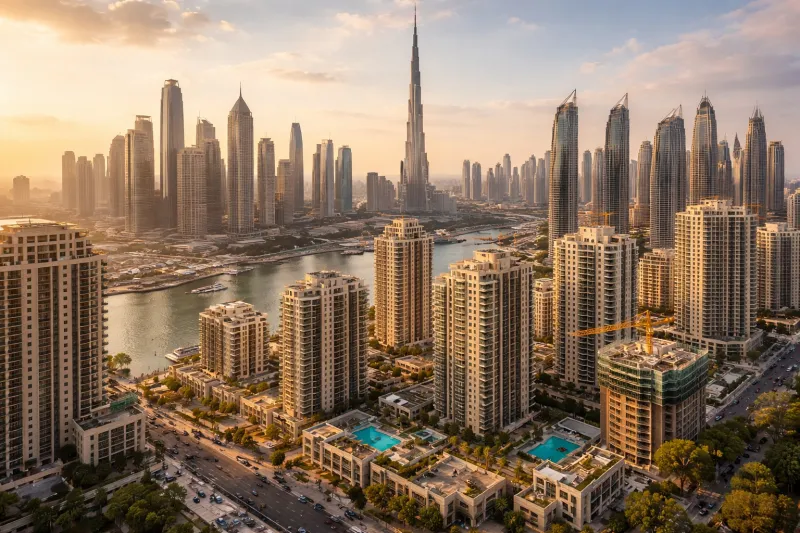
Record surge: Dubai residential market tops 215,000 transactions
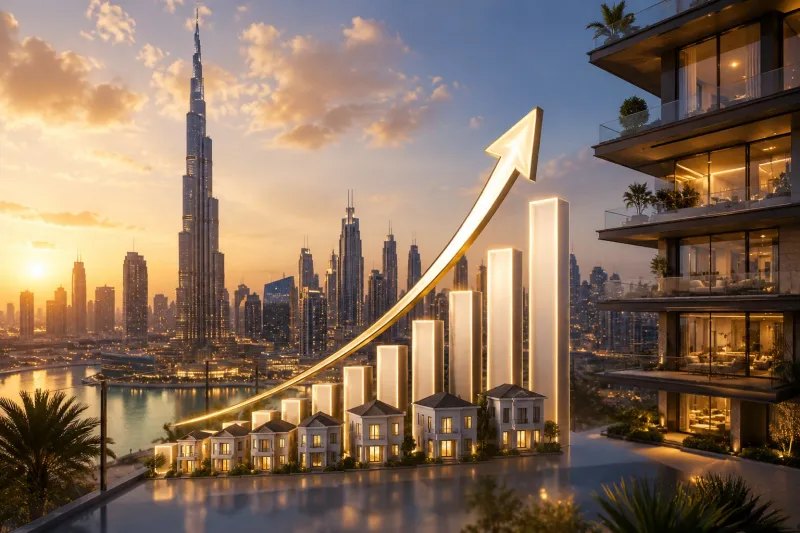
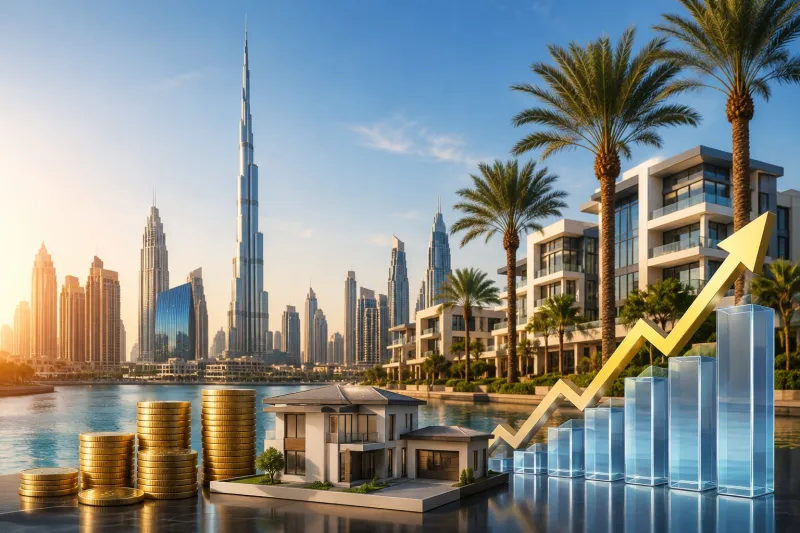
Dubai's residential real estate market has experienced a dramatic upswing, surpassing 215,000 transactions in the most recent reporting period. This surge reflects strong domestic demand, a steady flow of international buyers, and policy measures that have increased market confidence. The following sections break down the drivers, regional hotspots, transaction types, financing trends, and what this means for stakeholders across the sector.
- Market overview: a record year for transactions
- Breakdown by property type and segment
- Price trends and market dynamics
- Hotspots: most active communities and districts
- Buyer profile: domestic and international demand
- Off-plan versus secondary market activity
- Financing and mortgage trends
- Regulatory shifts and policy support
- Developers and supply response
- Implications for renters, investors and brokers
Market overview: a record year for transactions
Dubai recorded more than 215,000 residential transactions, marking one of the most active years in its property history. Activity spanned villas, townhouses, and apartments, with volumes driven by both secondary-market exchanges and a strong off-plan pipeline. The scale of transactions has put Dubai on the map as one of the region's most liquid residential markets, attracting developers, investors and end users in significant numbers.
Breakdown by property type and segment
The transaction mix reveals a broad-based appetite across segments. Apartments accounted for a substantial share, especially in urban districts, while villas and townhouses saw notable growth in suburban and master-planned communities. Off-plan projects captured attention among buyers seeking capital appreciation, while ready properties remained popular for cash buyers and those prioritizing immediate occupancy.
Price trends and market dynamics
Prices showed upward momentum in many prime and mid-market locations, with average asking prices increasing quarter-on-quarter in several districts. Market dynamics were shaped by limited new completions in some segments, high demand for family-sized units, and yield-sensitive investors targeting rental income. Despite price rises, affordability measures and competitive developer payment plans helped keep the market accessible.
Hotspots: most active communities and districts
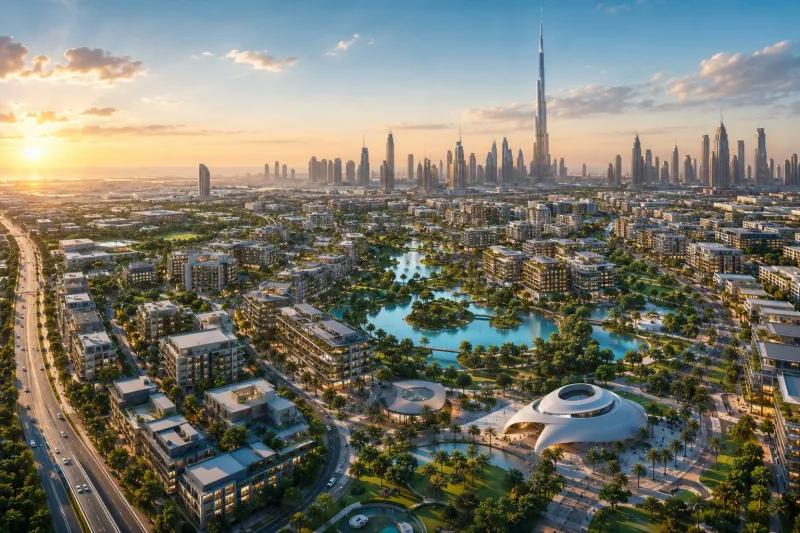
Certain communities dominated transaction volumes, driven by lifestyle appeal, infrastructure, and transport links. Areas with high activity included both waterfront and master-planned communities as well as central urban neighbourhoods. Developers that combined amenities, strong delivery records, and flexible payment structures tended to see the highest uptake.
Buyer profile: domestic and international demand
The buyer base was diverse: UAE residents and expatriates accounted for a large portion of transactions, while international investors from Europe, South Asia, and the GCC continued to participate actively. Motivations ranged from relocation and lifestyle purchases to investment and diversification. Investor interest was particularly strong in units with good rental yield prospects and near-term liquidity.
Off-plan versus secondary market activity
Off-plan transactions remained a major driver of volumes thanks to attractive payment plans and the prospect of capital appreciation. At the same time, the secondary market benefited from buyers seeking immediate occupancy or rental income. The coexistence of both channels provided healthy market depth and options for different buyer risk profiles.
Financing and mortgage trends
Mortgage uptake increased as lenders responded to higher demand with competitive rates and new product offerings. Many buyers leveraged financing to access mid-to-high-end units, while cash purchases were still common among international investors. Regulatory requirements and tighter loan-to-value limits for certain buyer categories influenced financing patterns, encouraging buyers to plan down payments and structure purchases carefully.
Regulatory shifts and policy support
Recent policy measures and visa reforms, including long-term residency options and streamlined property ownership rules for foreigners, supported buyer confidence. Government-backed initiatives to boost transparency and streamline registration processes also made transactions faster and more predictable. These regulatory shifts were frequently cited by buyers as a reason for choosing Dubai as a long-term property destination.
Developers and supply response
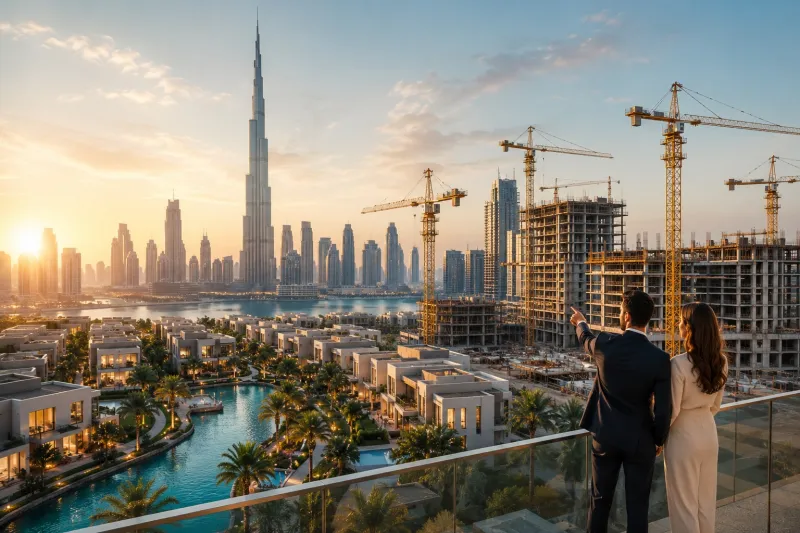
Developers reacted to strong demand by accelerating launches and focusing on product differentiationmixing lifestyle amenities, sustainability features, and flexible payment plans. Some prioritized rapid delivery to meet demand for ready stock, while others emphasized off-plan sales to secure pre-sales funding. The result was a pipeline that balanced short-term supply pressure with medium-term inventory growth.
Implications for renters, investors and brokers
The transaction boom has tangible effects across the ecosystem. Renters in high-demand areas may face upward pressure on rents as investor purchases shift units to the rental market. Investors are evaluating hold horizons with an eye on yield and capital appreciation, while brokers and agencies are benefitting from heightened transaction fees and a robust lead flow. Overall, market participants are adapting strategies to capitalize on increased liquidity and evolving buyer preferences.
Focused on delivering informative, accessible content