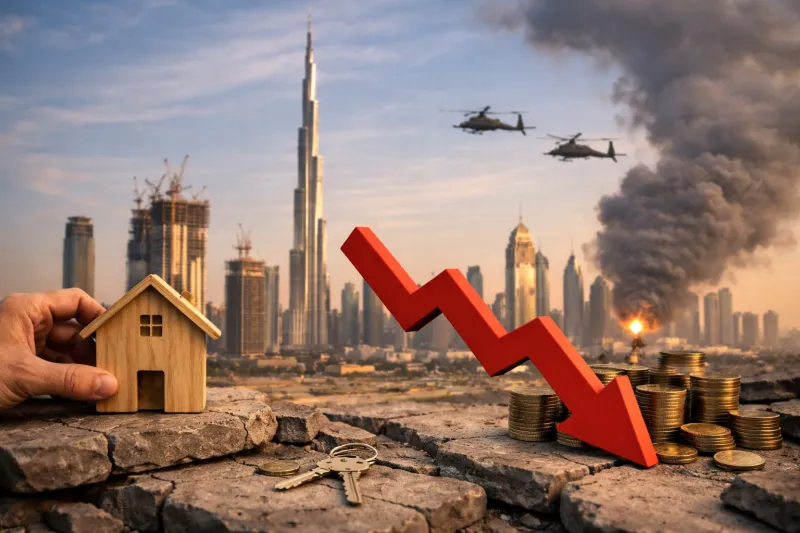
Dubai property transactions plunge 49% as Middle East tensions rise
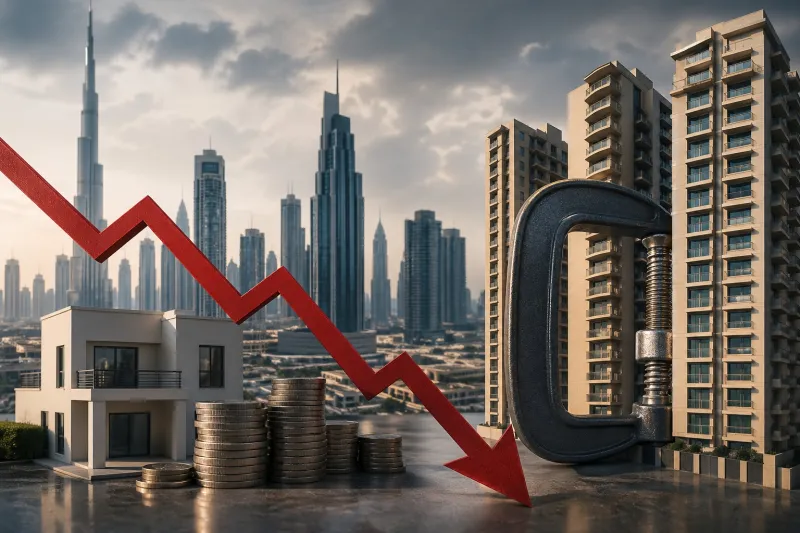
Dubai has seen a dramatic slowdown in real estate activity after transaction volumes plunged by 49%, a shift market participants link closely to rising geopolitical tensions across the Middle East. The drop has rippled through sales, developer pipelines and investor sentiment, forcing stakeholders to reassess risk and timing in one of the region's most important property hubs.
- Market overview: the scale of the downturn
- Types of transactions most affected
- Foreign buyer sentiment and capital flows
- Price movements across segments
- Impact on the rental market
- Geopolitics and investor risk perception
- Regulatory and policy response
- Liquidity, financing and mortgage dynamics
- Regional comparisons and cross-border investment shifts
- Short-term outlook and developer strategies
Market overview: the scale of the downturn
Transactions fell sharply, with overall sales volumes down roughly 49% year‑on‑year in the most recent reporting period. The decline spans both residential and commercial segments and is concentrated in discretionary purchases and larger-ticket deals. Trading activity that had surged in previous years has cooled as buyers adopt a wait-and-see stance amid heightened geopolitical uncertainty.
Types of transactions most affected
Off-plan and secondary market sales have been hit unevenly. Off-plan purchases, which rely on confidence in future capital appreciation, experienced the sharpest drop as buyers postponed commitments. High-end secondary-market transactions also slowed, while some lower-priced, necessity-driven sales have shown relative resilience. Commercial leasing renewals declined in prime locations as corporate tenants negotiated terms or delayed expansion plans.
Foreign buyer sentiment and capital flows
Dubai's market depends heavily on cross-border buyers and expatriate demand. Rising regional tensions have dampened appetite among international investors, with anecdotal reports of reduced viewings and postponed purchases. Capital flight and portfolio reallocation toward perceived safe-haven assets have been reported, affecting both private buyers and institutional investors looking for yield or diversification.
Price movements across segments
Price responses are mixed. In prime and luxury segments, sellers have offered discounts or incentives to close deals, while mid-market prices have been more stable but with longer time on market. Developers are increasingly reliant on promotional packages and payment-plan flexibility to sustain interest. Overall, headline price indices show moderation rather than outright collapse, reflecting uneven pressure across neighborhoods and product types.
Impact on the rental market
The rental market is showing early signs of stress as well. Reduced inward migration and delayed corporate expansions mean demand for short-term leases has softened. Landlords in heavily supplied areas are offering concessions such as rent-free periods and fitted units to attract tenants. Longer lease negotiations and a small uptick in vacancy rates are emerging trends that could put downward pressure on rents if geopolitical strains persist.
Geopolitics and investor risk perception
Geopolitical developments have become a principal variable in local investment decisions. Investors increasingly price in the potential for escalation, supply-chain disruption and higher insurance costs for assets in the region. Perceived tail risks now factor into deal structuring, with buyers asking for more due diligence, contingency clauses and shorter commitment windows.
Regulatory and policy response
Authorities and regulators have signaled readiness to support market stability. Measures under consideration or already implemented include easing certain permit processes, offering liquidity facilities for credible projects and promoting fractional ownership schemes to broaden the investor base. Market-supportive policy is intended to restore confidence without encouraging speculative excesses.
Liquidity, financing and mortgage dynamics
Banks and lenders have tightened underwriting standards amid uncertainty, raising required down payments and scrutinizing cash-flow assumptions for developers. Some projects have faced refinancing pressure, prompting renegotiation of loan terms. At the same time, competitive mortgage products remain available for creditworthy borrowers, but overall lending appetite has become more selective.
Regional comparisons and cross-border investment shifts
Compared with other Gulf markets, Dubai's openness and large expatriate community make it especially sensitive to geopolitical shocks. Some buyers appear to be reallocating capital within the region to more insulated assets or to markets perceived as offering better near-term stability while others temporarily shift into international real estate or fixed-income instruments until the outlook clarifies.
Short-term outlook and developer strategies
In the short term, market participants expect subdued transaction volumes with pockets of opportunistic buying. Developers are adapting by accelerating completions, offering end-user incentives, and revising phasing strategies to match demand. Brokers and asset managers emphasize transparency, flexible terms and targeted marketing to restore buyer confidence as geopolitical conditions evolve.
Focused on delivering informative, accessible content