Dubai property market 2026: Rising values and steady growth across the UAE
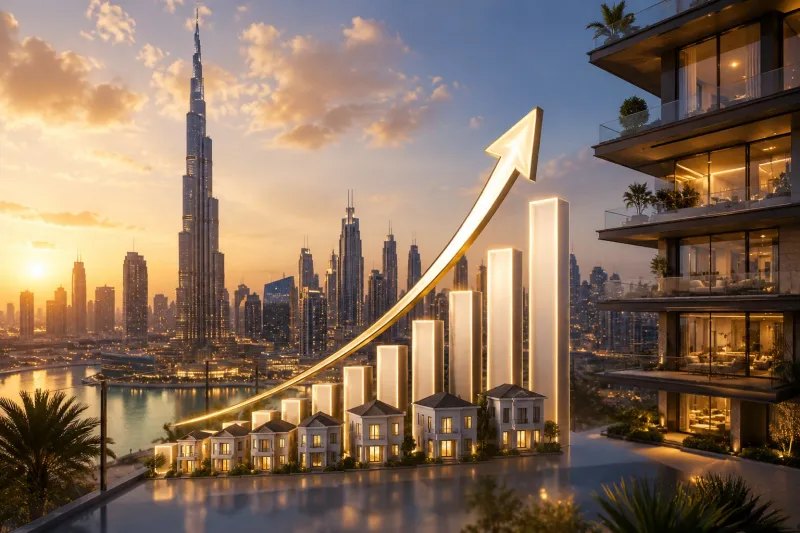
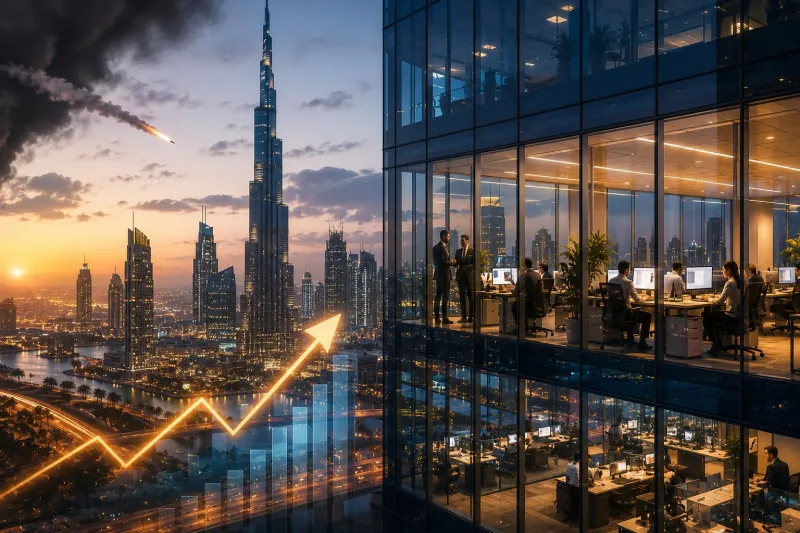
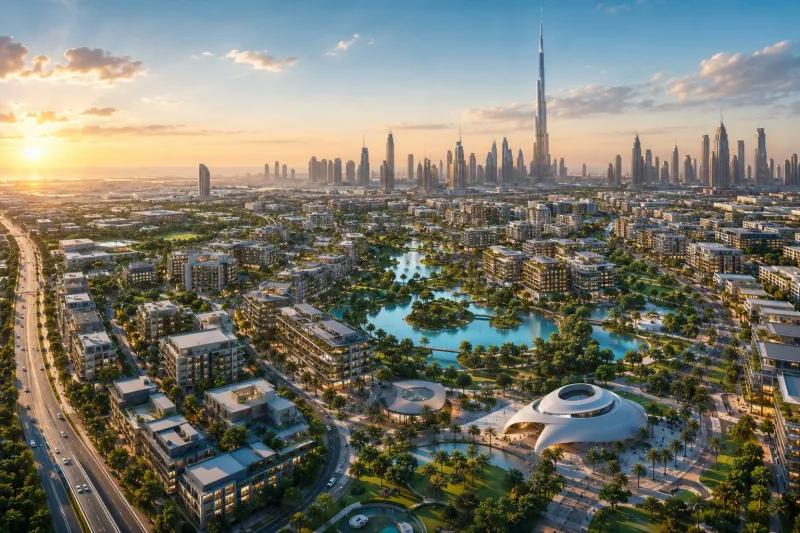
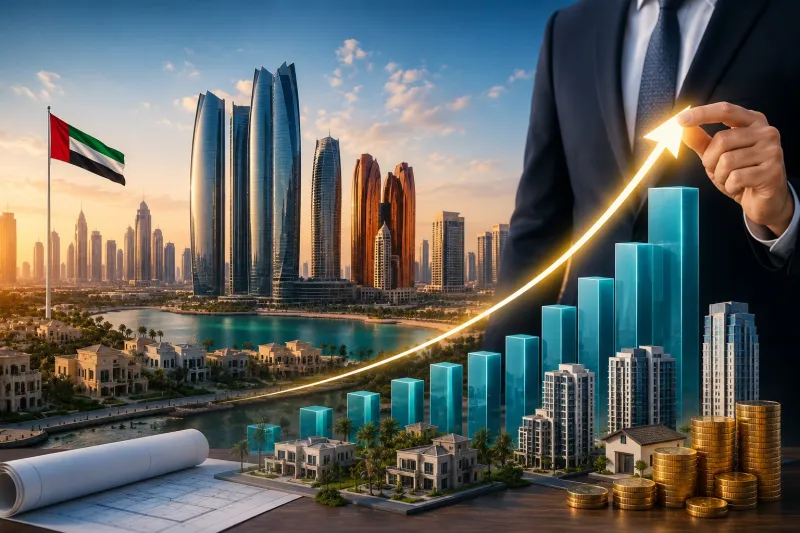
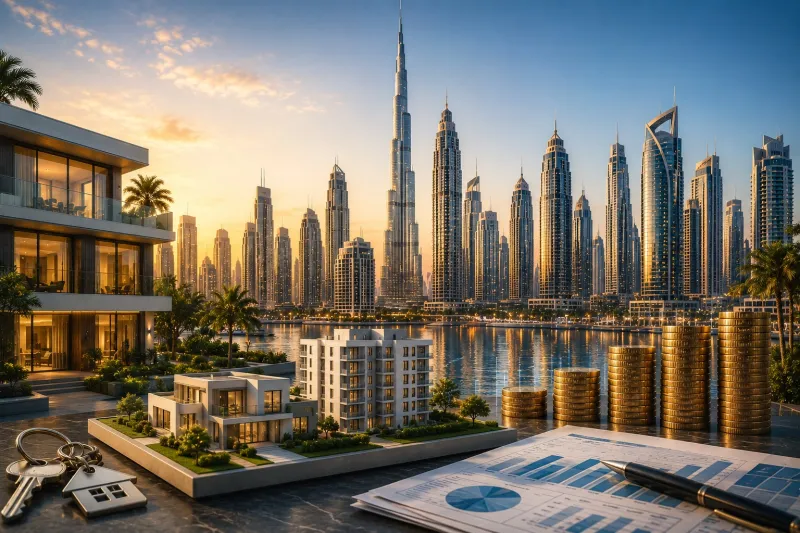
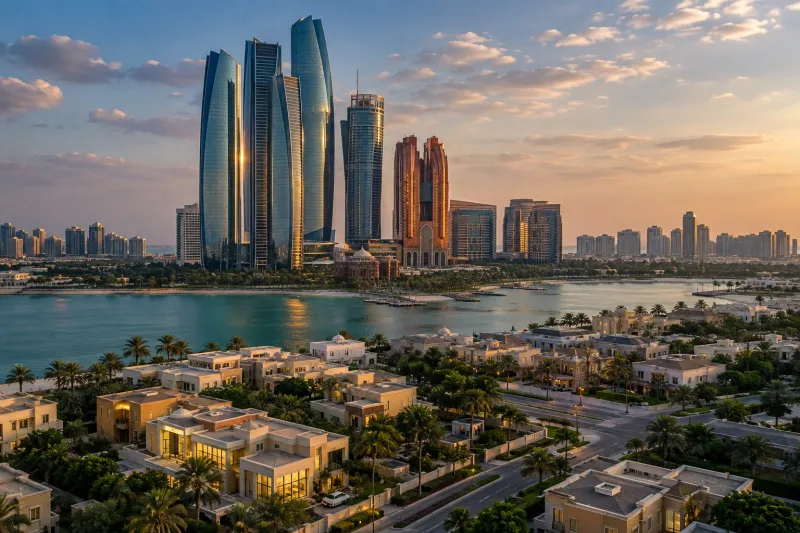
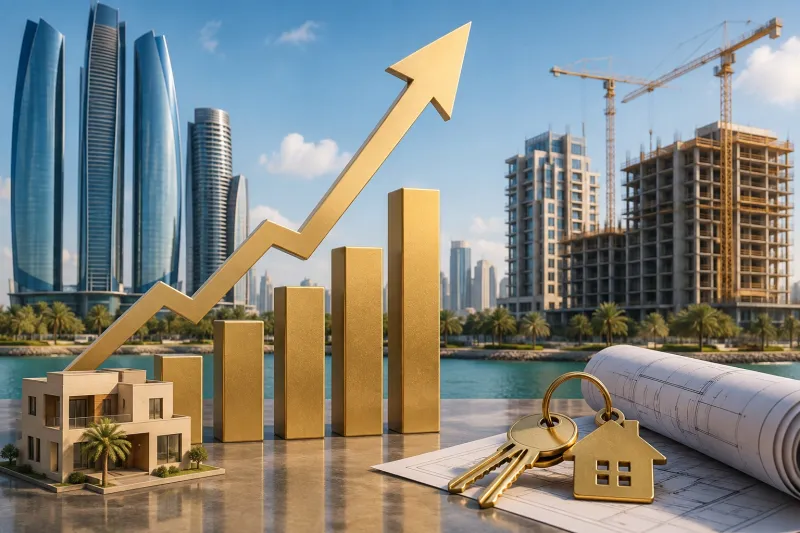
The Dubai property market in 2026 is showing a blend of sustained price appreciation and measured expansion across the UAE, driven by robust demand, targeted government policies and improved connectivity. Investors, end-users and developers are responding to a clear shift in sentiment that began in the early 2020s and has since matured into steady growth supported by economic diversification, tourism recovery and a competitive regulatory environment.
- Market overview and recent performance
- Key drivers behind rising values
- Price trends by segment
- Rental market dynamics
- Luxury versus affordable housing
- Foreign investment and residency incentives
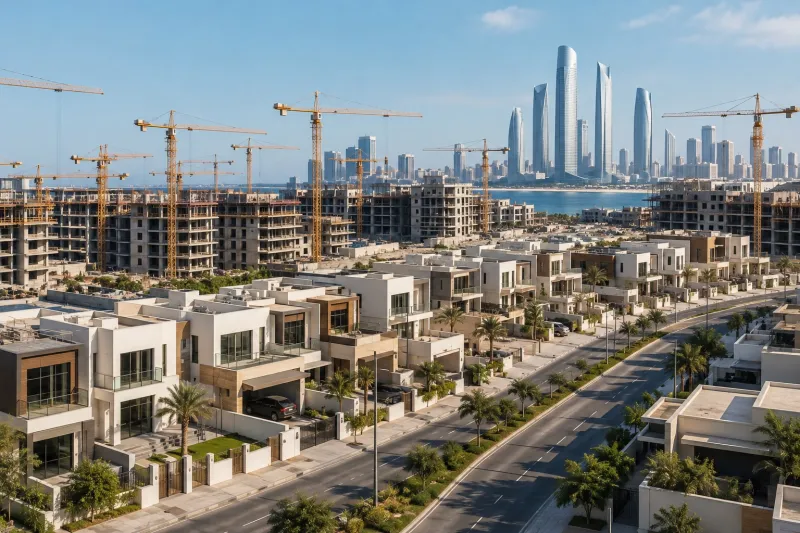
- Supply pipeline and development activity
- Infrastructure, transport and urban planning impacts
- Broader UAE market interplay
- Risks, headwinds and investor considerations
Market overview and recent performance
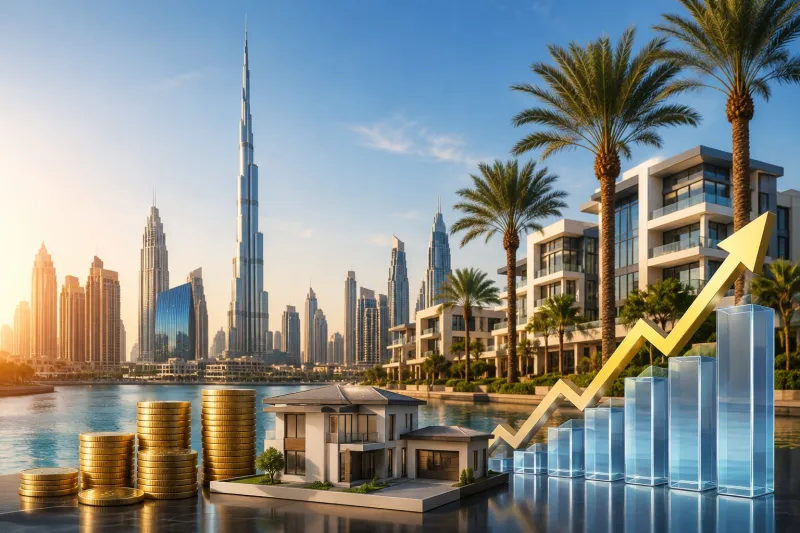
Dubai's property market has recorded healthy gains in 2024–2026, with prime residential and select off-plan segments outperforming historically slower categories. Transaction volumes have recovered to pre-pandemic levels in many submarkets, and overall capital values have risen modestly but consistently across the emirate.
Key drivers behind rising values
Several structural and cyclical factors are underpinning price growth.
- Economic diversification: Non-oil sectors such as finance, tech and hospitality are expanding, lifting housing demand.
- Population inflows: Continued migration of professionals and families contributes to a tighter supply in desirable neighbourhoods.
- Investor confidence: Regulatory clarity and visa reforms have incentivized long-term capital placement in real estate.
Price trends by segment
Different segments are moving at different speeds. Prime waterfront and freehold developments have led gains, while mid-market apartments have seen steady but slower appreciation. Off-plan projects priced competitively gained traction early in 2026 as buyers sought value and payment flexibility.
Rental market dynamics
The rental market tightened in core residential areas, pushing yields modestly higher for landlords. Short-term tourism-linked rentals rebounded with increased visitor numbers, while long-term rentals show selective pressure where new employment hubs have concentrated demand.
Luxury versus affordable housing
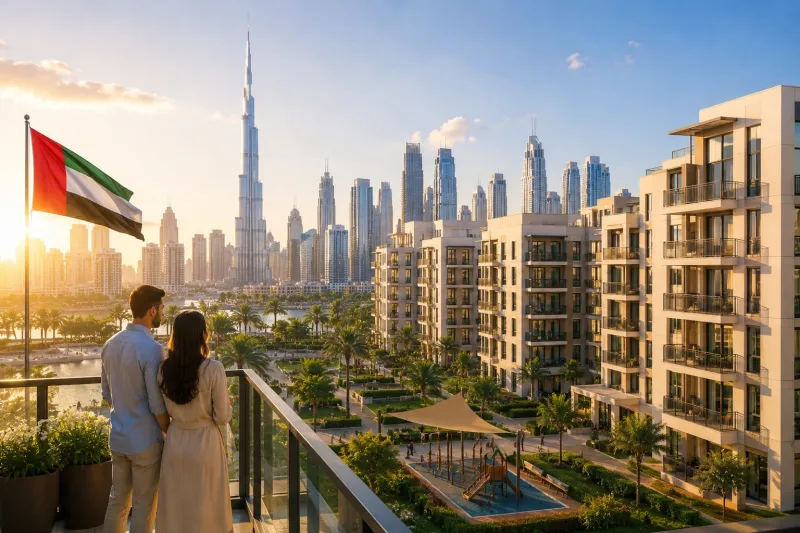
Luxury assets continue to attract international capital, especially villas and branded residences with concierge services. Meanwhile, affordable housing initiatives by developers and government-led incentives aim to improve accessibility for middle-income residents, supporting balanced urban growth.
Foreign investment and residency incentives
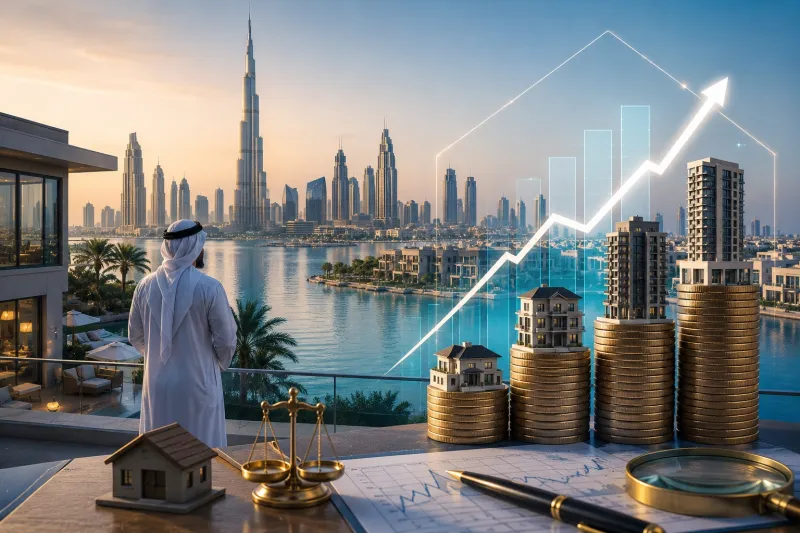
Visa reforms, including extended investor and remote-work permits, remain central to attracting overseas buyers. These measures, paired with transparent title processes and property law enforcement, have increased foreign participation in the market.
Supply pipeline and development activity
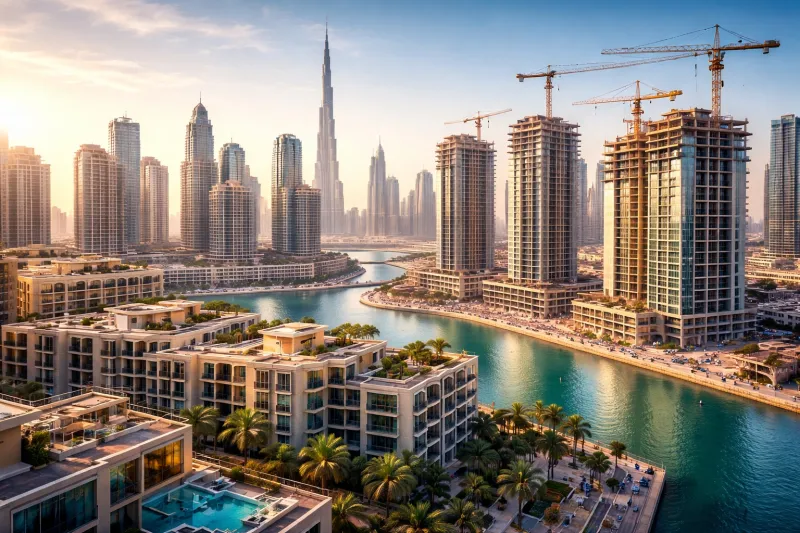
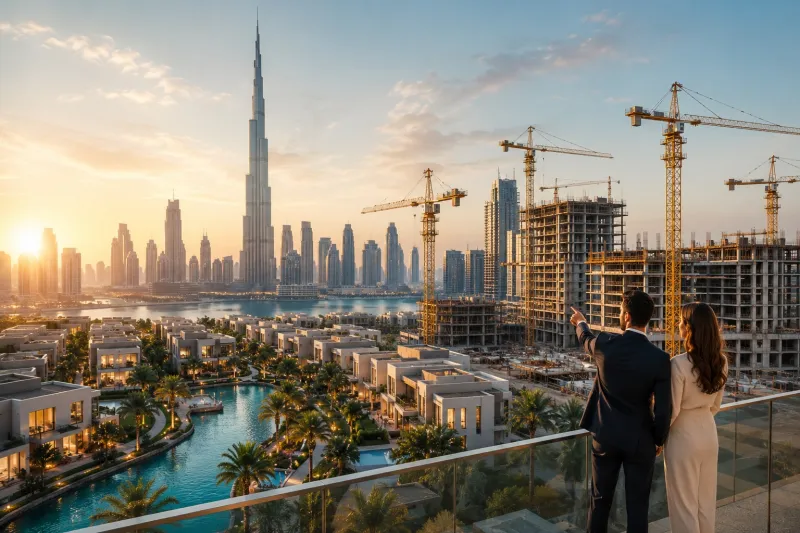
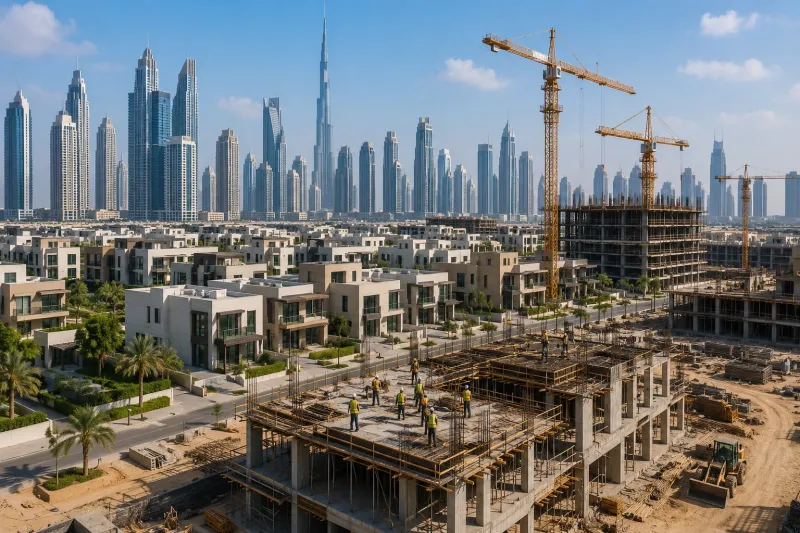
Developers are calibrating launches to current demand, resulting in a measured supply pipeline. Some large master-planned communities continue phased delivery, while adaptive reuse and mid-rise infill projects are gaining momentum to meet diverse housing needs.
Infrastructure, transport and urban planning impacts
Major infrastructure projects, such as expanded metro lines, new road links, and airport capacity enhancements, are reshaping value corridors. Properties near improved transit nodes and new economic zones are experiencing stronger price and rental growth.
Broader UAE market interplay
While Dubai remains the growth leader, other emirates such as Abu Dhabi and Sharjah are benefiting from spillover demand and policy harmonisation. Regional connectivity and cross-emirate projects are creating a more integrated national property landscape rather than isolated markets.
Risks, headwinds and investor considerations
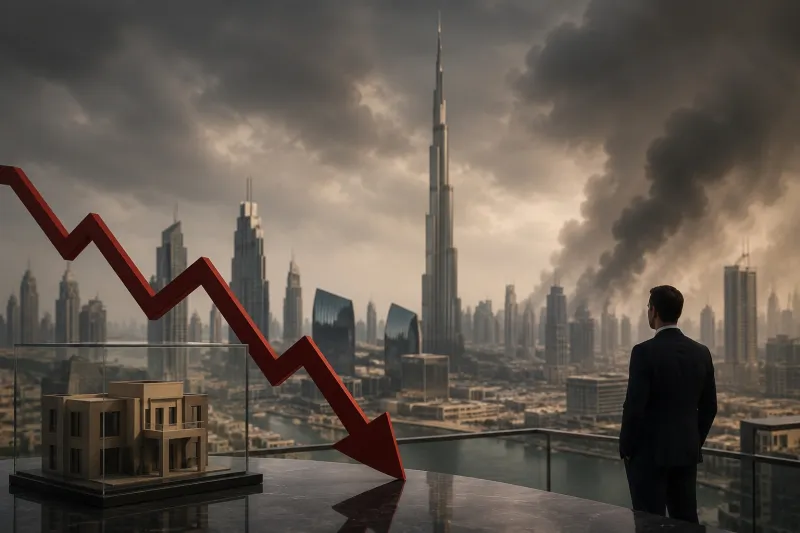
Investors should weigh potential risks alongside opportunities. Key considerations include interest rate trajectories, commodity price volatility that can affect regional wealth flows, and the timing of large-scale project completions. Prudent due diligence, focus on location fundamentals and flexible exit strategies remain essential.
Focused on delivering informative, accessible content