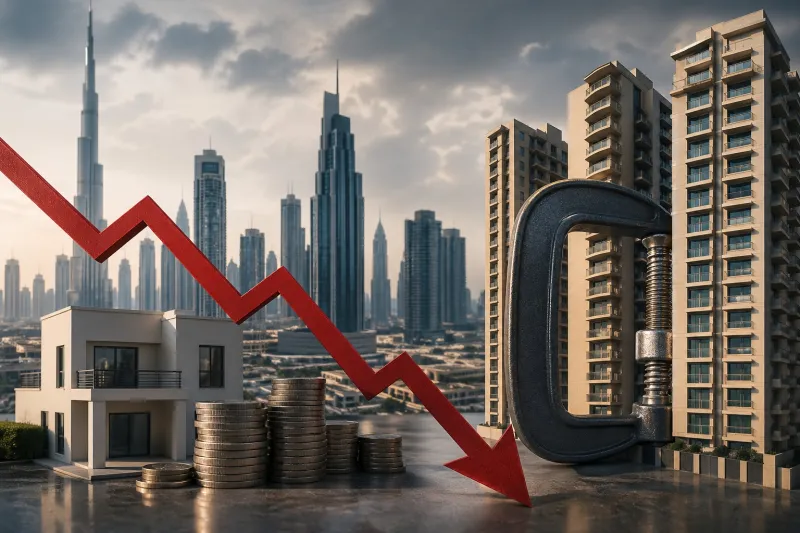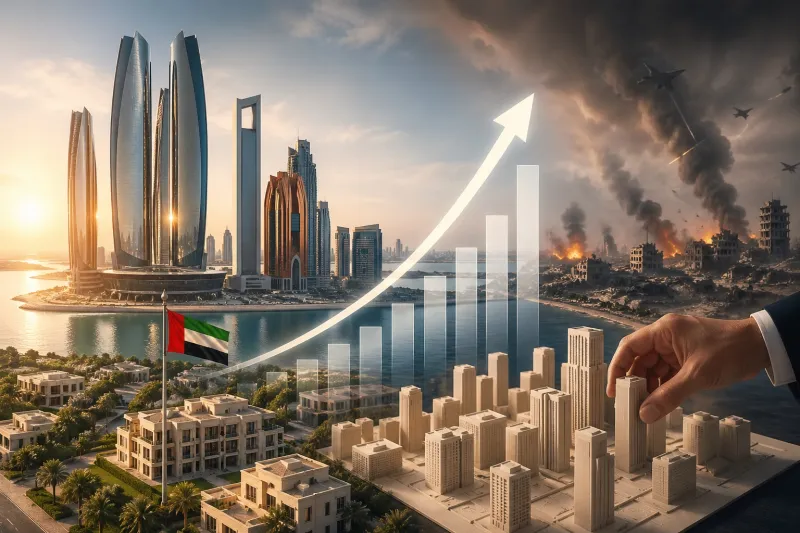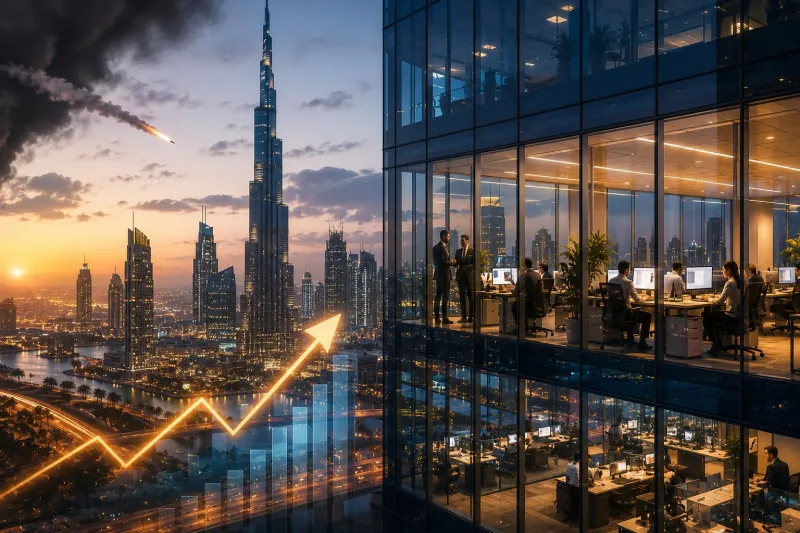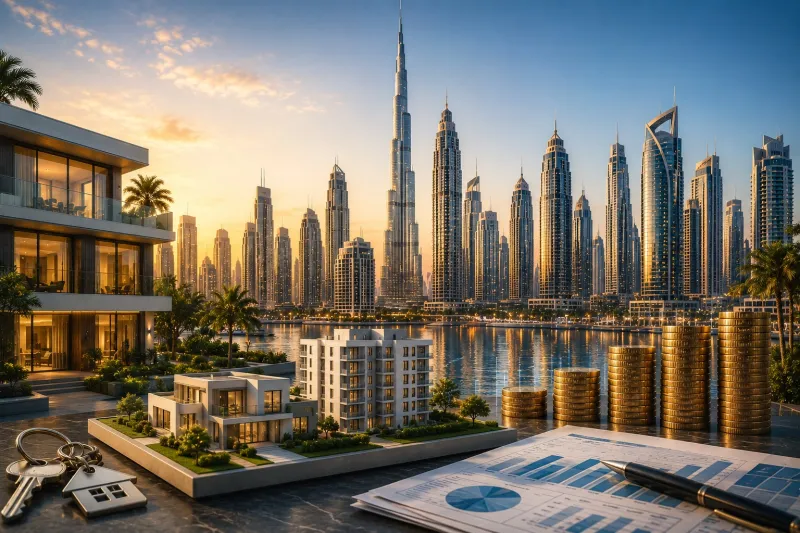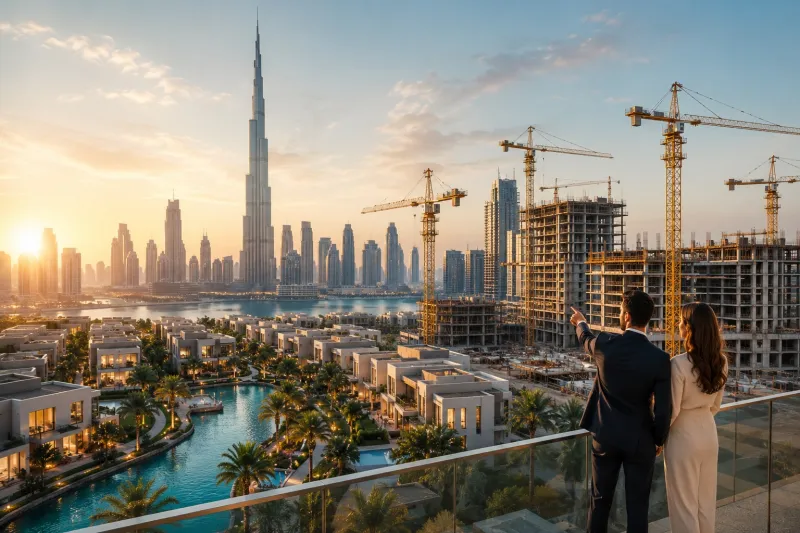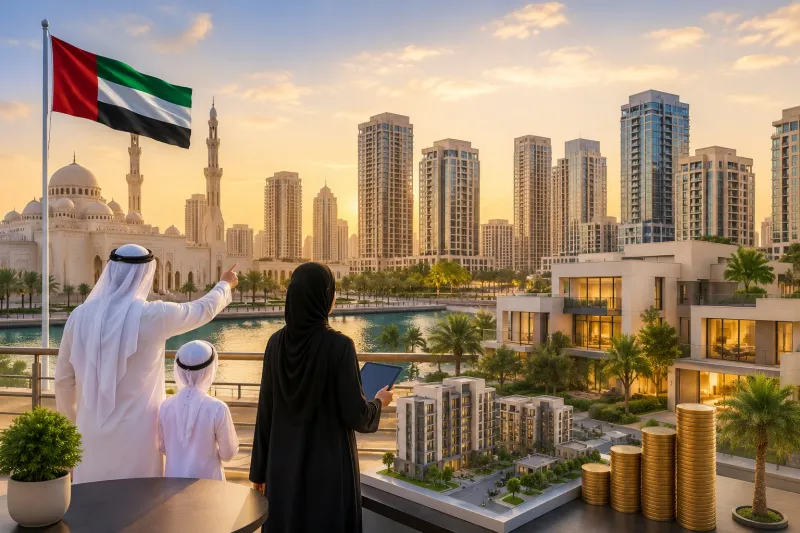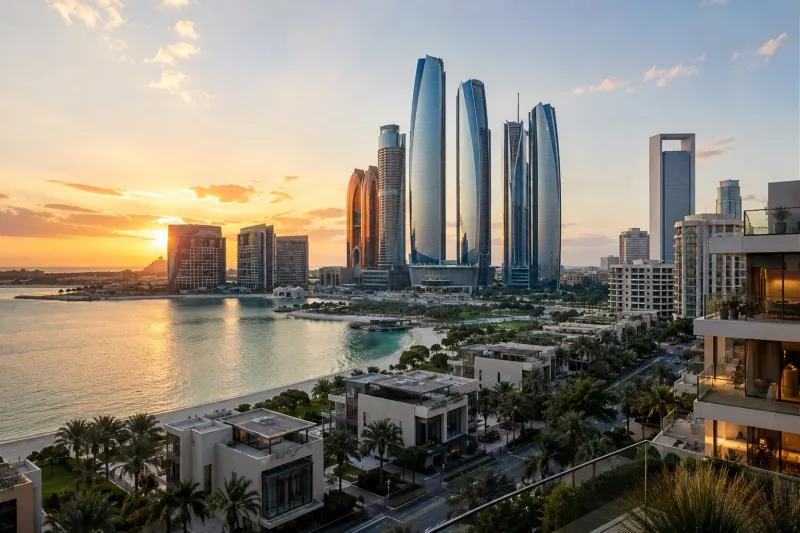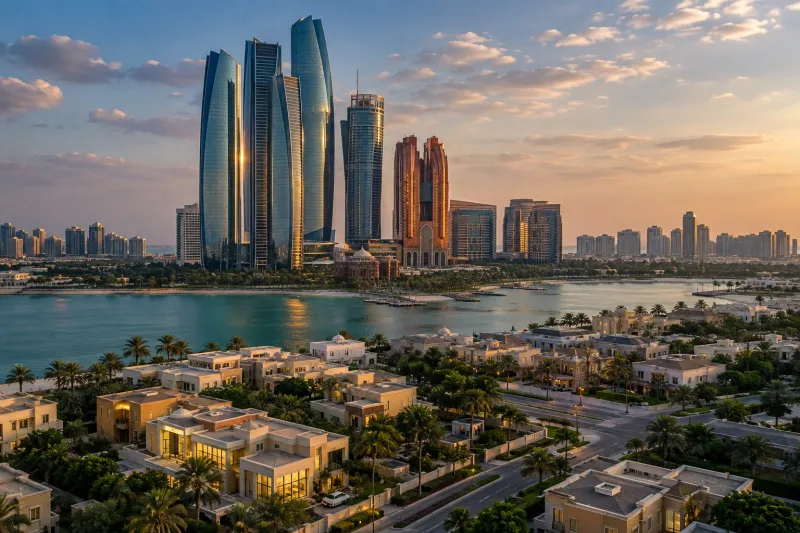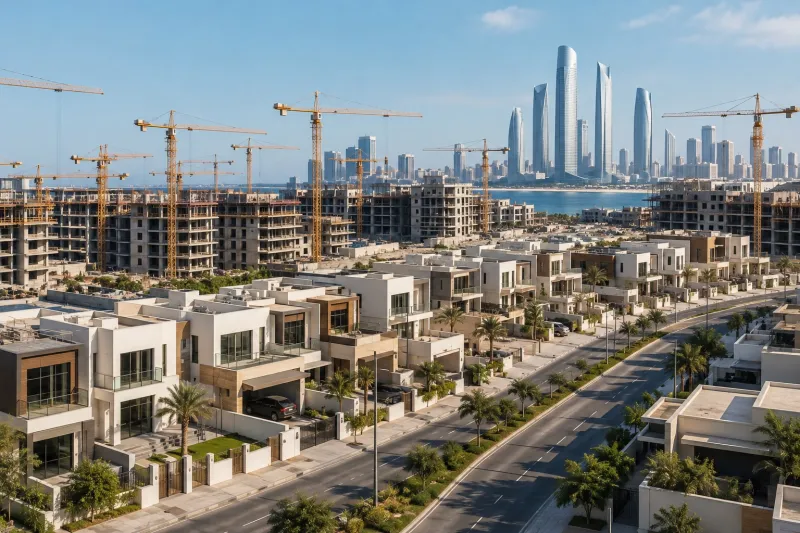
Geopolitical tensions put Dubai real estate sales on hold
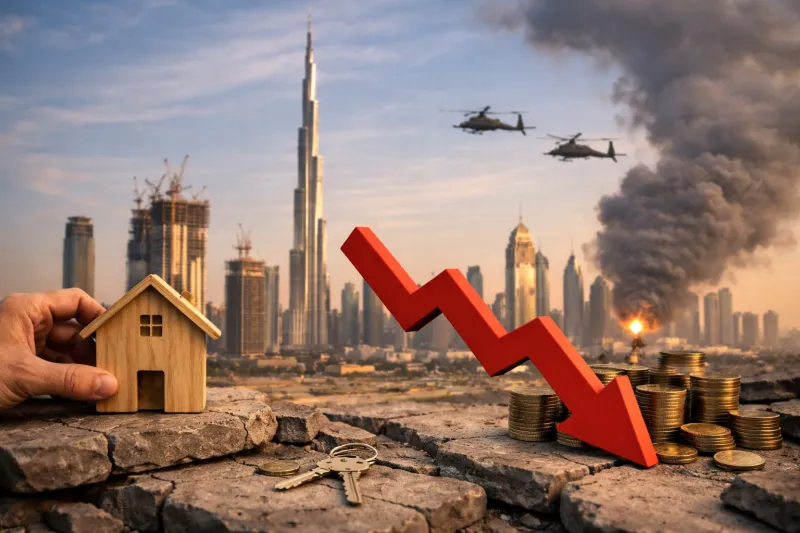
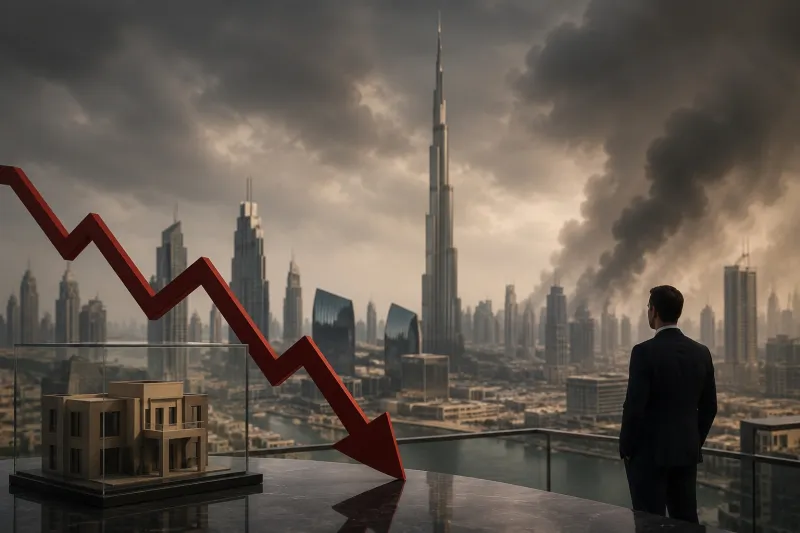
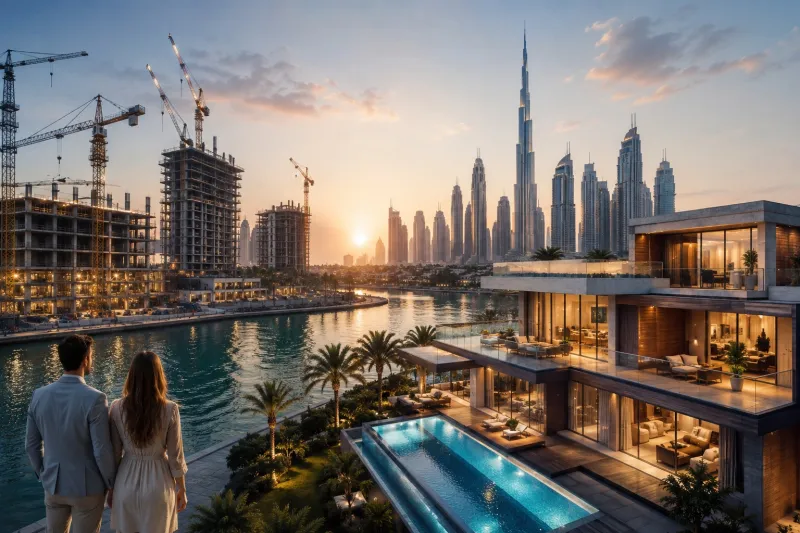
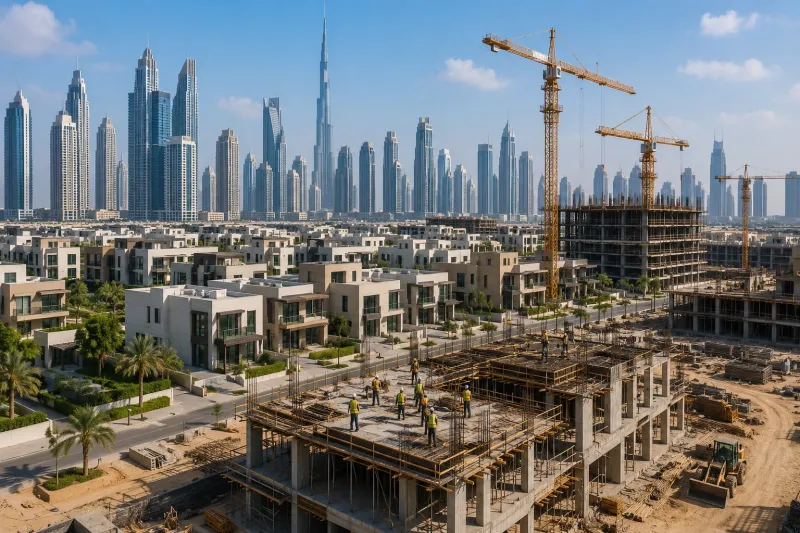
As geopolitical tensions in several key regions intensify, Dubai's once-buoyant real estate market is showing signs of hesitation. Investors and homebuyers, particularly from abroad, are pausing transactions and reassessing risk, triggering a slowdown in sales activity across residential and commercial segments. This article examines the immediate market reaction, the shifting behavior of buyers and developers, the role of financial institutions, and the broader regional implications.
- Immediate market reaction
- Buyer sentiment turns cautious
- Foreign investment flows slow
- Developers recalibrate launch plans
- Price adjustments and incentives
- Impact on luxury vs mass market
- Financial institutions and lending
- Regulatory and policy responses
- Short-term volatility, long-term outlook
- Regional ripple effects
Immediate market reaction
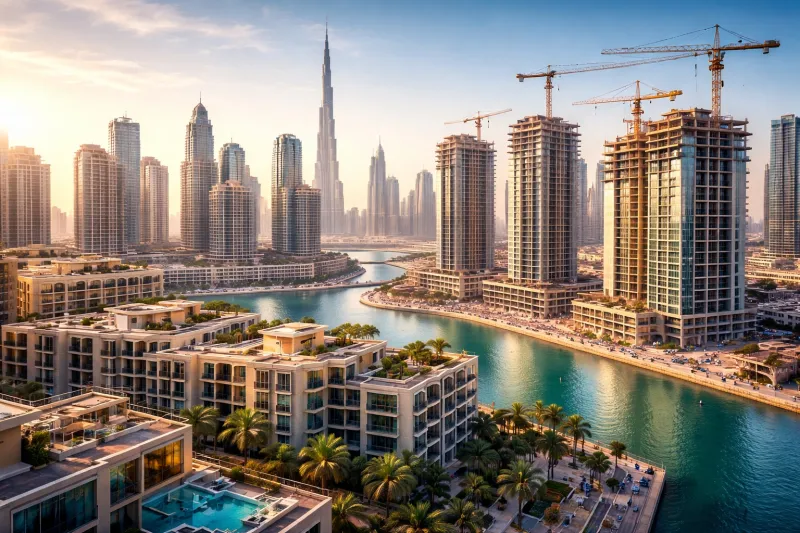
Within days of renewed geopolitical flare-ups, brokers and listing platforms reported a measurable drop in signed contracts and viewings. Open-house attendance has declined, and several high-profile off-plan launches were delayed or quietly scaled back. While listing inventory remains elevated, transaction velocity, the speed at which properties move from listing to sale, has noticeably slowed, reflecting a risk-averse mood among potential purchasers.
Buyer sentiment turns cautious
Sentiment surveys and anecdotal reports point to a rise in conditional offers and longer decision times. International buyers, who account for a large share of Dubai's luxury and investment purchases, are particularly sensitive to geopolitical headlines and currency volatility. Many prospective buyers are opting to monitor developments rather than commit, prioritizing liquidity and optionality in the near term.
Foreign investment flows slow
Capital flows from traditional source markets have softened as investors reallocate to perceived safe havens or delay new allocations. Residency-linked purchases and second-home acquisitions have been hit, reducing cross-border demand. Some investors are converting offers into deposits with extended due diligence periods, effectively freezing fresh capital until geopolitical uncertainty diminishes.
Developers recalibrate launch plans
Developers are responding by postponing new project launches and revising sales and marketing strategies. Several contractors and promoters have introduced more flexible payment plans and longer interest-free periods to attract hesitant buyers. Project timelines are being reassessed to avoid delivering large inventories into a market with subdued absorption rates.
Price adjustments and incentives
While widespread price corrections have not yet materialized, market participants note a rise in targeted incentives. Offers now commonly include discounts on service charges, furniture packages, stamp duty coverage, or extended post-handover payment terms. These tactical moves aim to maintain deal flow without signaling a broad market markdown, though selective price negotiations are increasingly common.
Impact on luxury vs mass market
The slowdown is uneven across segments. Ultra-prime luxury has proven more resilient due to a smaller, highly mobile buyer base and strong wealth preservation motives. In contrast, mid-market and mass-market transactions, often driven by local employment and expatriate relocations, are facing sharper retrenchment as corporate travel, hiring freezes, and worker mobility are affected by wider geopolitical strains.
Financial institutions and lending
Banks and mortgage providers have tightened underwriting standards in response to heightened risk perception, increasing scrutiny on source-of-funds and borrower stability. Lenders are also recalibrating loan-to-value ratios and pricing, which can further dampen demand among leveraged buyers. At the same time, major regional banks emphasize liquidity buffers and contingency planning to ensure market functioning.
Regulatory and policy responses
Authorities in Dubai and the wider UAE have a track record of proactive policy responses during shocks, and officials are monitoring the situation closely. Measures under consideration by regulators include temporary facilitation of transactions, targeted investor communications, and coordination with financial regulators to maintain market confidence. Clear and timely communication is being used to prevent panic and stabilize expectations.
Short-term volatility, long-term outlook
Analysts warn that while near-term volatility is likely as headlines drive sentiment, structural drivers of Dubai's real estate market, such as strategic location, infrastructure projects, and favorable residency and taxation regimes, remain intact. If geopolitical tensions ease, pent-up demand could resume, but the timing and speed of any rebound will depend on global risk appetite and the pace of capital flows returning to the region.
Regional ripple effects
Slower sales in Dubai can have knock-on effects across the Gulf's property and construction sectors, affecting employment, supplier chains, and regional investment flows. Neighboring markets may experience similar caution, while governments and sovereign investors reassess priorities amid a more uncertain geopolitical landscape. Stakeholders across the ecosystem are therefore watching diplomatic developments as closely as economic indicators.
Focused on delivering informative, accessible content