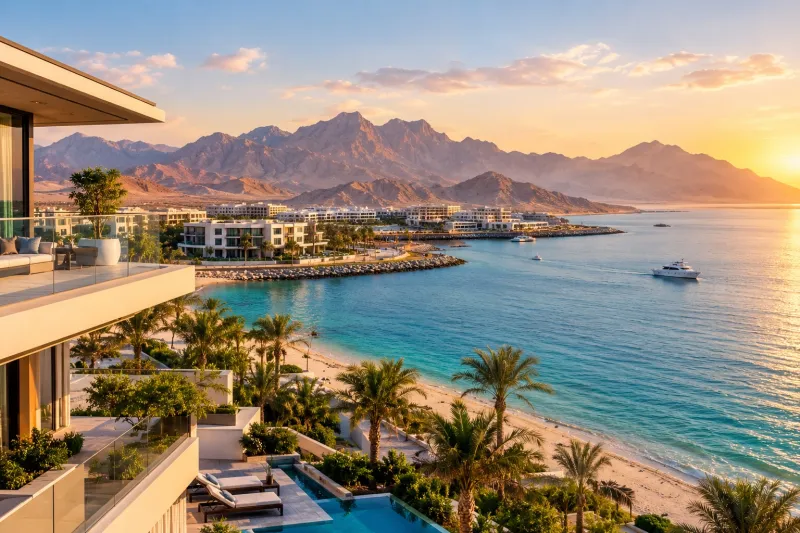
Ras Al Khaimah has recorded an 18% rise in property prices year-on-year, driven largely by strong demand for high-end residences and resort-style developments. This surge reflects a broader shift in buyer preferences toward luxury waterfront homes, exclusive villas and integrated lifestyle communities, positioning the emirate as an emerging premium real estate destination in the UAE.
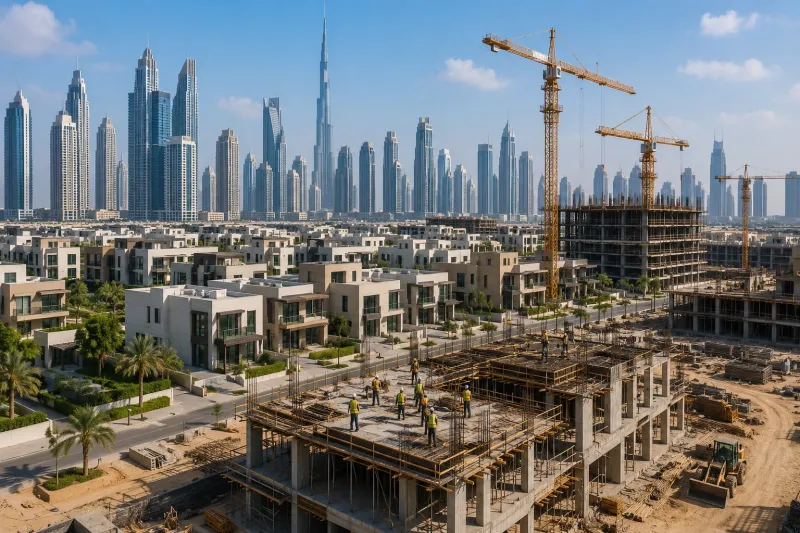
Dubai has seen a marked acceleration in real estate development, with developers and authorities delivering more than 24,000 new homes in the latest period. The surge spans apartments, townhouses and villas across established and emerging districts, reshaping supply dynamics and prompting fresh debate about demand, affordability and long-term planning.
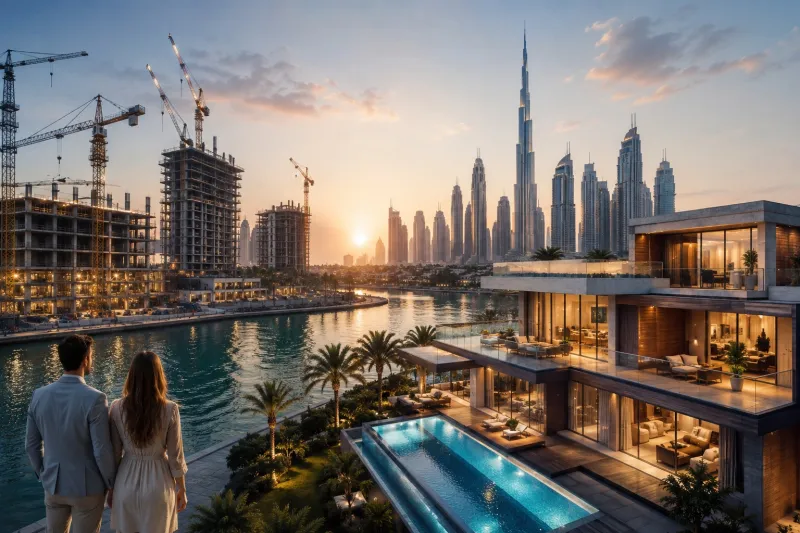
Dubai's real estate landscape continues to adapt as persistent demand for off-plan developments and high-end luxury assets reshapes supply, pricing and investor behaviour. Developers, buyers and regulators are navigating a market driven by global capital flows, innovative product offerings and targeted policy measures that sustain momentum across several segments.
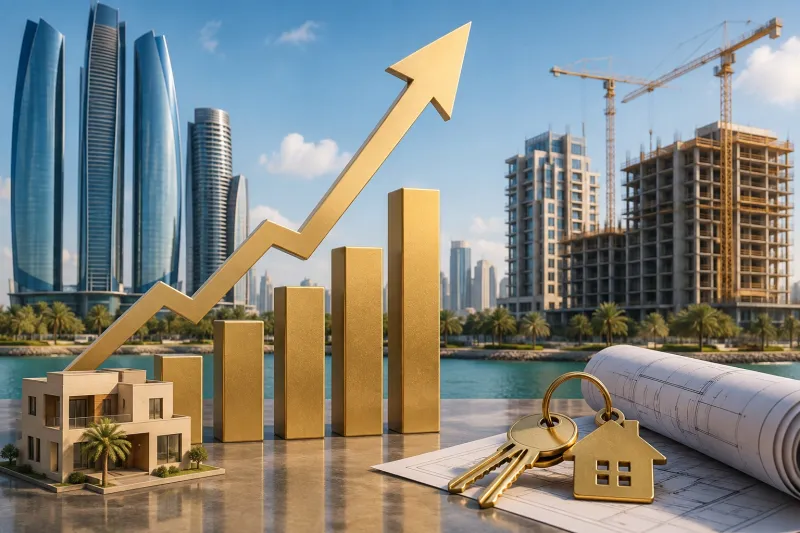
Abu Dhabi’s residential property market is experiencing a remarkable surge, with total residential sales climbing to approximately AED 70.4 billion as strong demand for off-plan developments continues to reshape the emirate’s real estate landscape.
The sharp increase reflects growing confidence among buyers and investors, supported by Abu Dhabi’s expanding economy, population growth, attractive investment opportunities, and the continued launch of new residential projects.
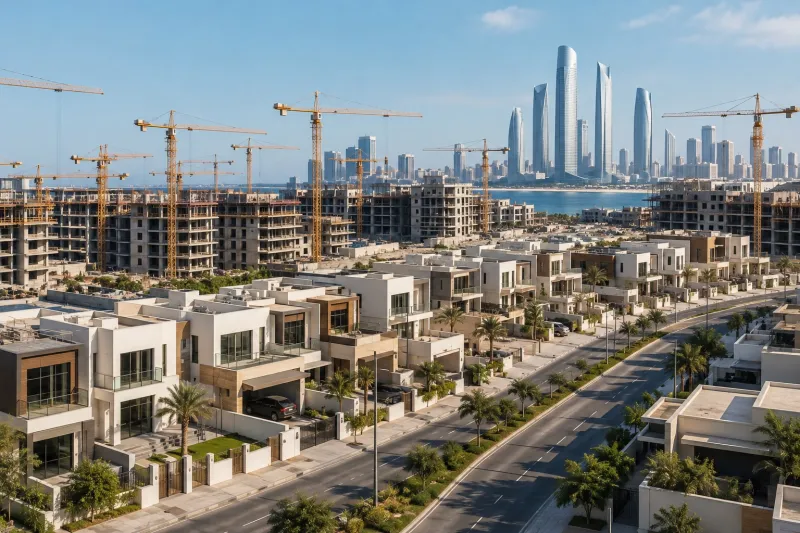
Abu Dhabi is preparing for a significant expansion of its residential property market, with around 71,000 new homes expected to be delivered by 2030. The planned increase in housing supply reflects the emirate's continued population growth, rising investment activity and expanding demand for residential communities.
The new supply is expected to reshape several of Abu Dhabi's established and emerging residential districts, while providing buyers and tenants with a wider selection of properties across different price segments.

Dubai’s office property market continues to demonstrate strong momentum, with rents recording significant growth during the second quarter of 2026. Office rents increased by as much as 31.5% in Q2 2026, reflecting sustained demand from businesses and limited availability across key commercial locations.
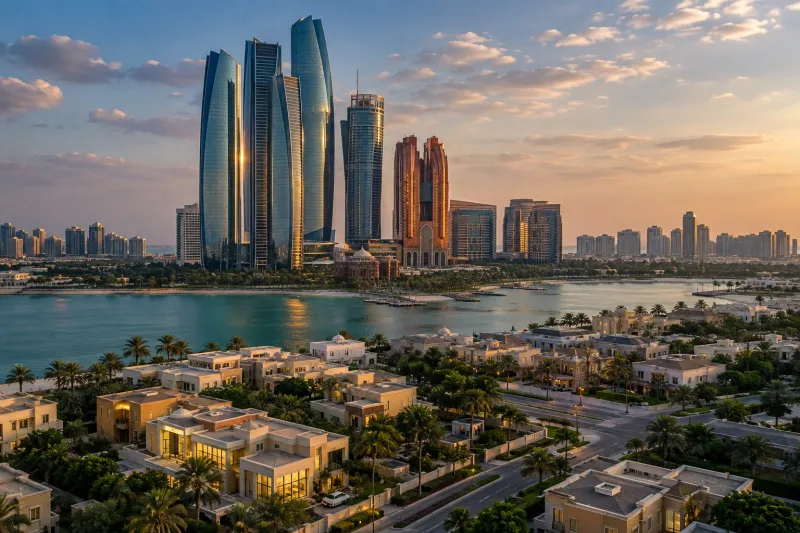
Abu Dhabi's real estate sector has reached a notable milestone this year, recording unprecedented activity even as geopolitical tensions and regional economic headwinds persist. The market's momentum reflects a blend of domestic policy support, renewed investor appetite and targeted supply, creating a complex but resilient picture for buyers, sellers and developers alike.
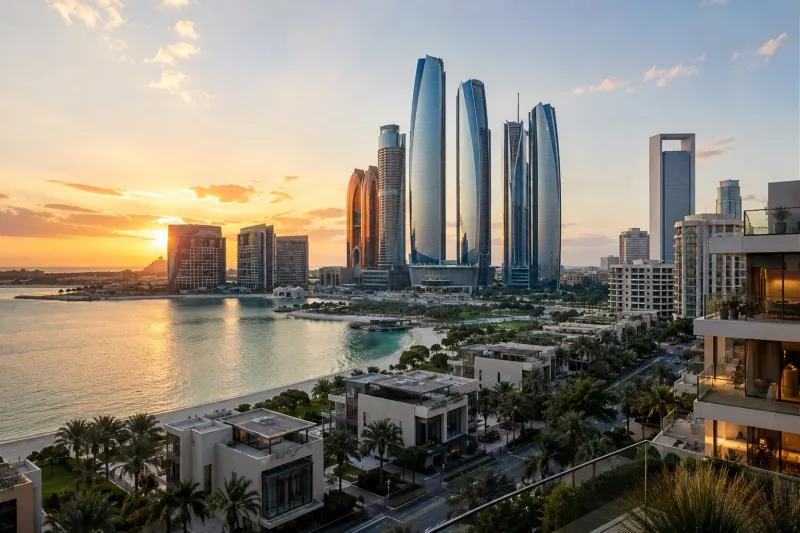
Despite global economic headwinds and periodic regional uncertainty, Abu Dhabi’s property market has shown notable resilience. Investor interest remains high across several segments, supported by policy reforms, targeted infrastructure spending and a steady stream of high-net-worth buyers seeking diversification and stable yields.
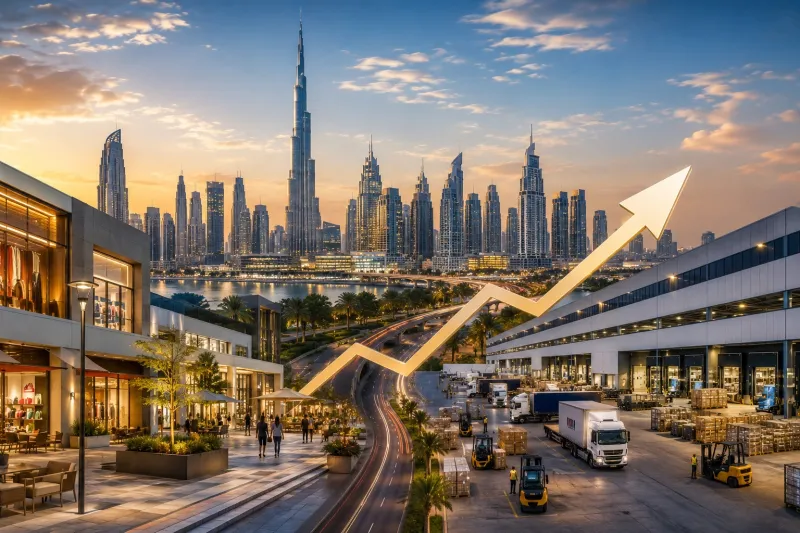
The Dubai property market is evolving from a broad-based rebound into a more selective environment, where industrial and retail segments are showing stronger momentum than some residential sub-markets. Investors, occupiers and developers are recalibrating strategies to capture growth pockets while managing risk amid changing supply dynamics and shifting demand drivers.