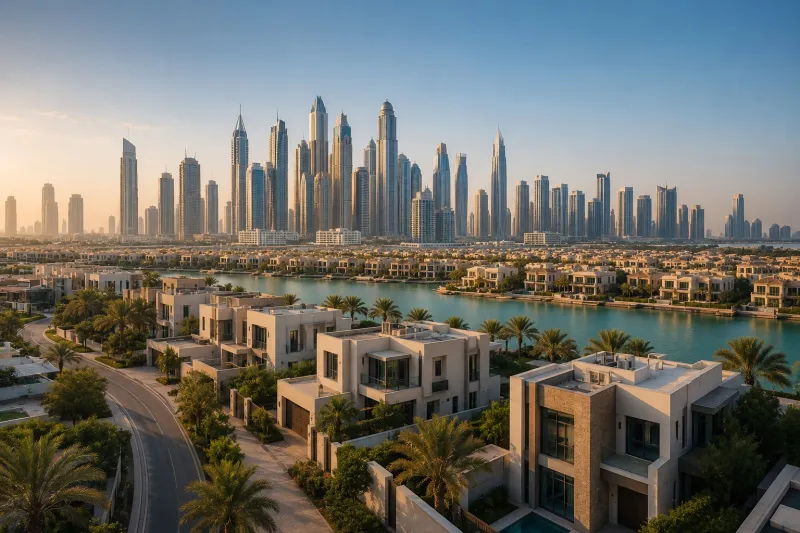
The Dubai property market is showing signs of moderation as a wave of new supply enters the market. After several years of rapid growth, both home prices and rents have started to soften in response to increased inventory, changing buyer preferences and shifting macroeconomic conditions.
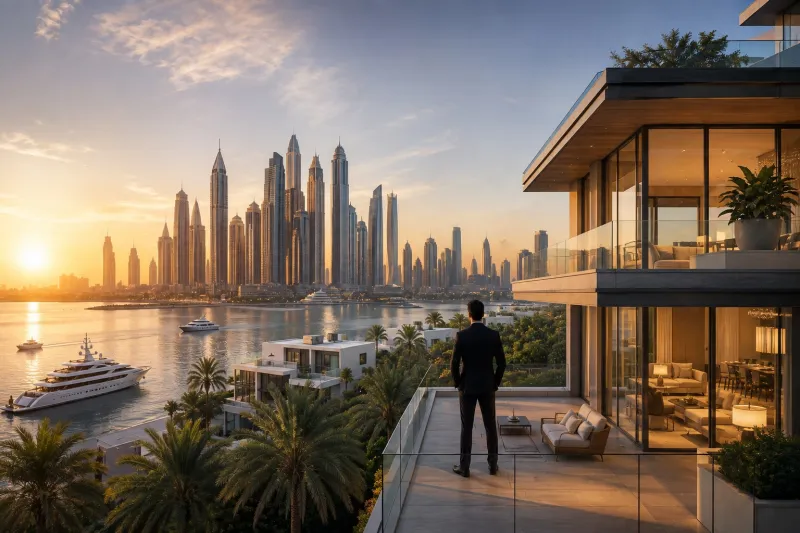
Dubai's luxury real estate segment has recorded a striking 23% year-on-year increase in sales, reflecting a broader recovery in global investor appetite for premium assets. The uptick is driven by a combination of macroeconomic stability, supportive local policy changes, and renewed interest from high-net-worth individuals across Europe, Asia and the Middle East.
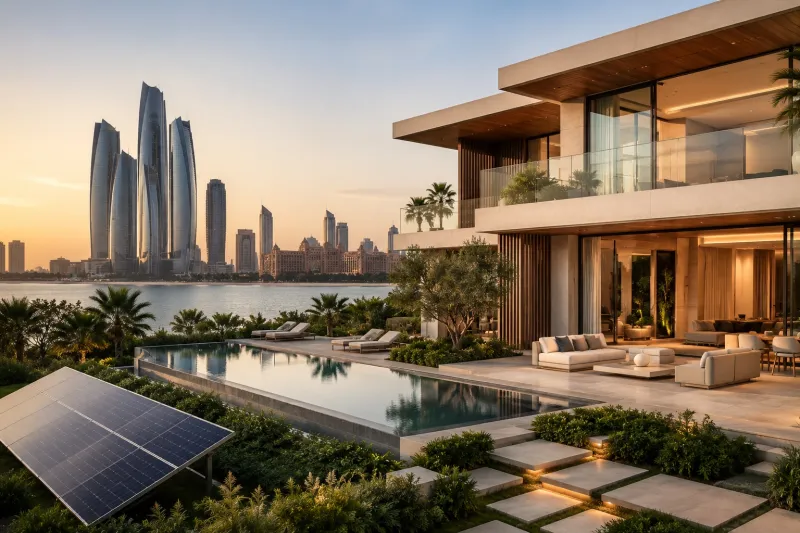
Luxury homebuyers in Abu Dhabi are increasingly aligning their purchases with three intertwined priorities: distinctive design, measurable sustainability and long-term financial resilience. Developers, agents and policy makers are responding to a market where aesthetics, environmental performance and enduring value drive decision-making more than ever before.
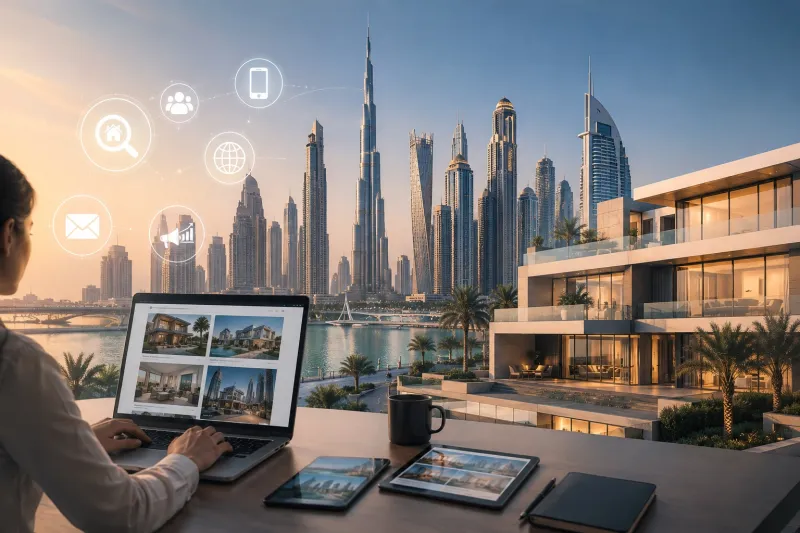
As buyer behaviour shifts decisively online, Dubai real estate agencies are reallocating marketing budgets toward digital channels. Agencies across the emirate report stronger leads from portals, social platforms and immersive content, prompting a strategic push to win visibility where buyers begin their property journeys.
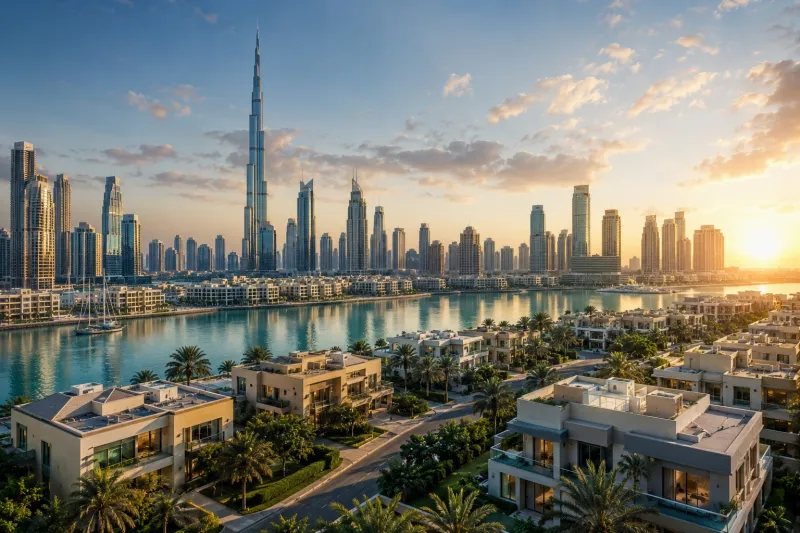
Dubai's residential property market is evolving from rapid, investment-led expansion to a more sustainable growth pattern, where steady demand continues to underpin prices. A mix of policy reforms, demographic trends and developer strategies is rebalancing supply and demand, creating a market environment that favors quality stock, long-term investors and end‑users.
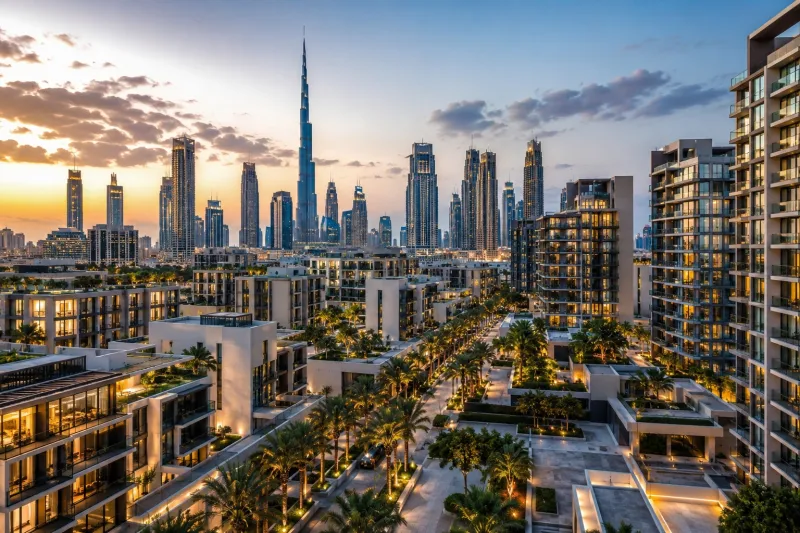
Dubai's residential property market continued to demonstrate its resilience during the first half of 2026, with 24,800 new residential units delivered across the emirate. The substantial increase in supply represents an almost 38% rise in housing inventory compared with the same period last year, reflecting developers' confidence in the market's long-term growth prospects.
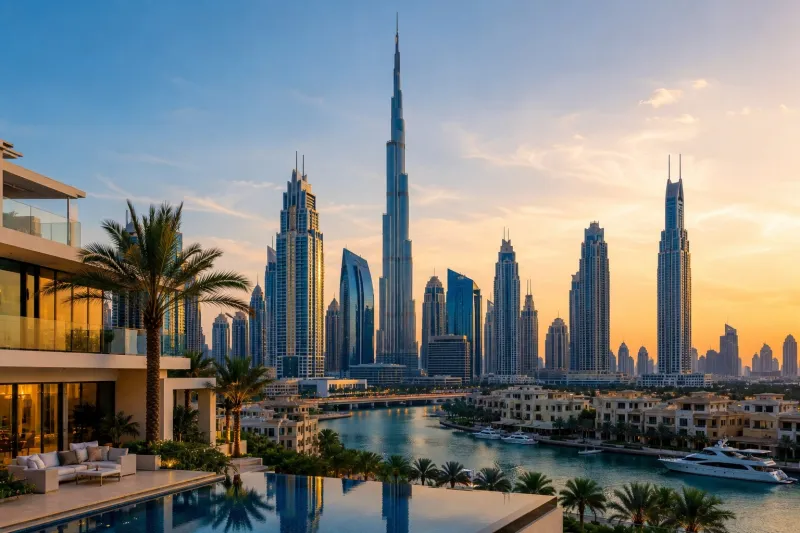
Dubai's property market continues to demonstrate remarkable resilience despite heightened geopolitical tensions across the Middle East, with robust investor demand, attractive rental yields, and sustained interest in prime residential developments supporting market stability. Industry analysts say the emirate remains one of the world's most desirable real estate investment destinations, underpinned by its strong economic fundamentals and investor-friendly policies.
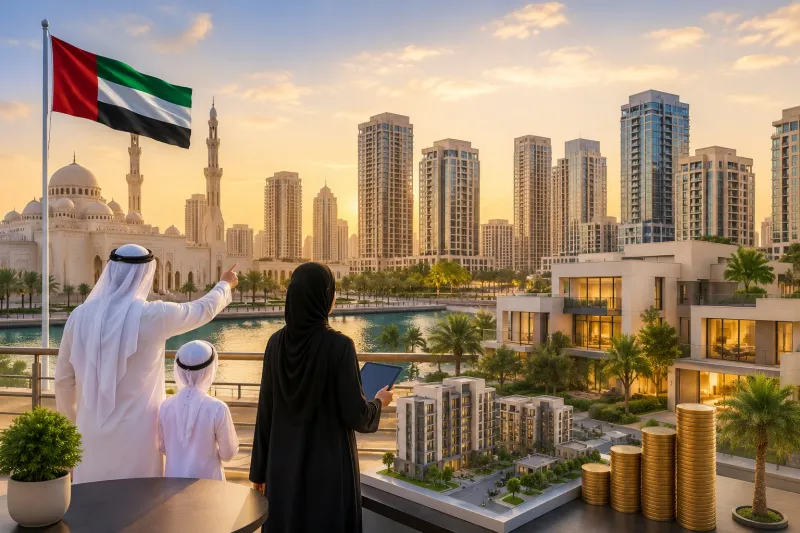
Sharjah's real estate market continued its strong upward trajectory during the first half of 2026, with Emirati investors accounting for nearly half of all property transactions and investing approximately AED 14.9 billion. The figures underscore growing confidence in the emirate's property sector, which continues to attract both domestic and international buyers seeking long-term investment opportunities.
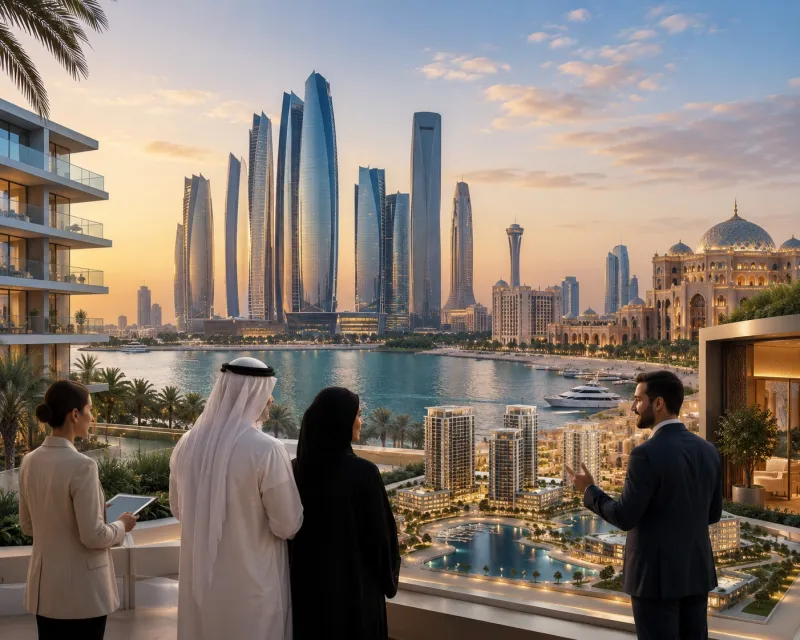
Abu Dhabi's real estate market delivered an exceptional performance during the first half of 2026, with total property transactions reaching AED 117 billion, representing a remarkable 112% increase compared to the same period last year. The strong growth underscores the emirate's rising appeal among domestic and international investors, supported by economic diversification, infrastructure investment, and sustained demand across residential and commercial sectors.