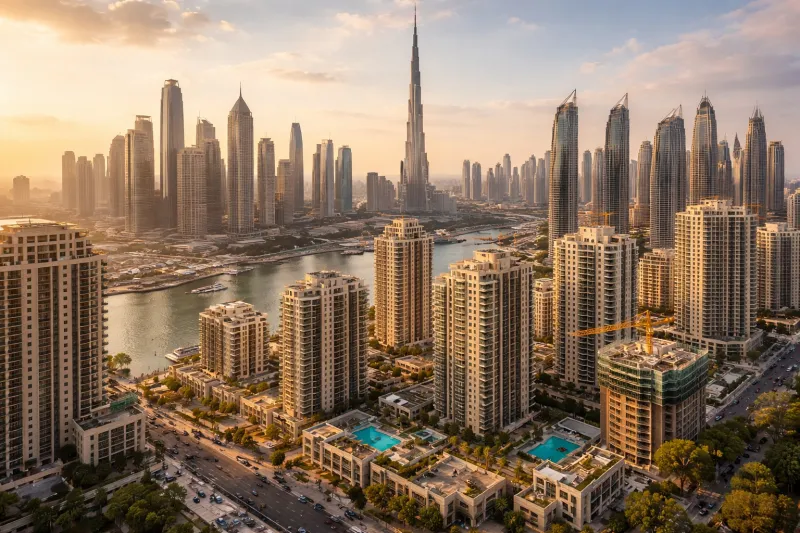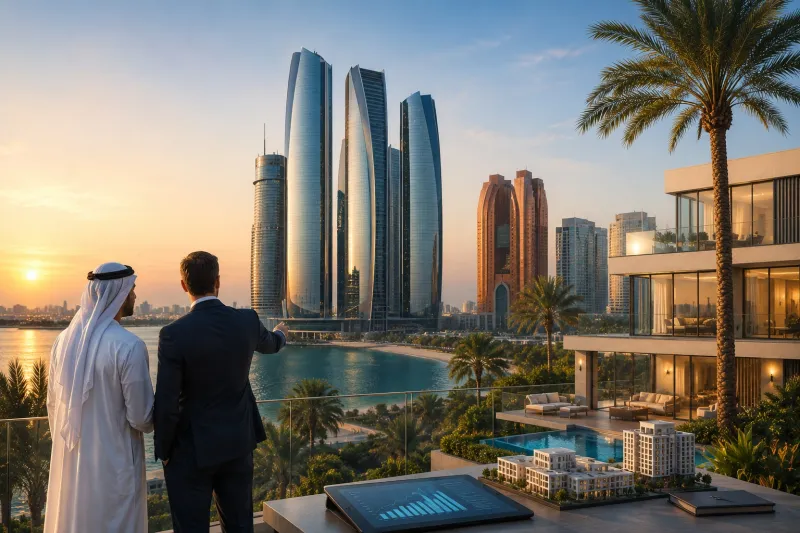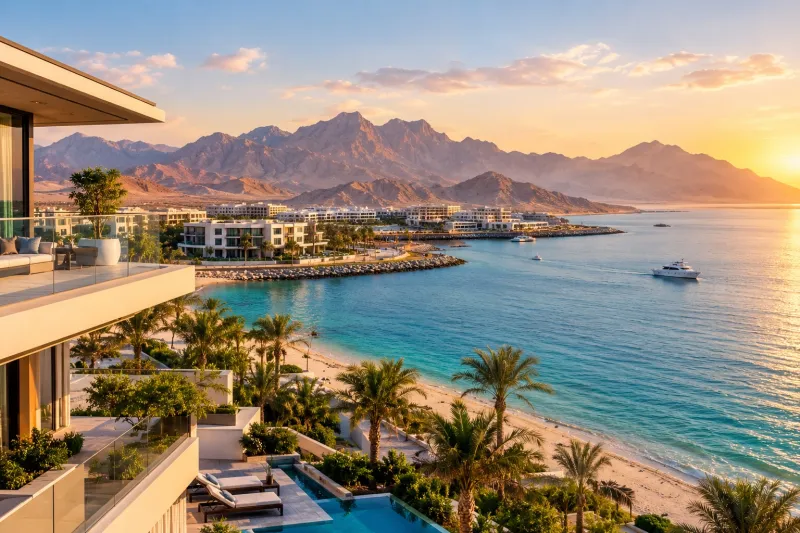
Abu Dhabi emerges as a safe haven for long-term property investment
Over the past decade Abu Dhabi has steadily transformed from an oil-dependent emirate into a diversified economic hub, attracting international capital and long-term property investors. With strong government policies, large-scale infrastructure projects, and a focus on quality of life, the market now offers a compelling blend of stability, predictable returns, and strategic growth prospects for those seeking safe havens for capital preservation and steady income.
- Economic stability and diversified growth
- Regulatory framework and investor protections
- Strategic location and global connectivity
- Major infrastructure and urban projects
- Demographic trends and population growth
- Attractive yields and market performance
- Ownership structures and freehold opportunities
- Financial stability and currency considerations
- Sustainability and long-term urban planning
- Assessing risks and planning exit strategies
Economic stability and diversified growth
Abu Dhabi's economy is underpinned by substantial sovereign wealth and prudent fiscal management, which buffer the property market from short-term shocks. The government has prioritized diversification through sectors such as finance, tourism, renewable energy, and technology, creating multiple demand drivers for real estate. This broader economic base reduces reliance on volatile commodity cycles and supports sustained urban development that benefits long-term property values.
Regulatory framework and investor protections
Recent regulatory reforms in Abu Dhabi have strengthened legal protections for both domestic and foreign investors, including clearer property titling, transparent leasing laws, and streamlined dispute resolution mechanisms. These measures increase confidence among international buyers and institutional investors by reducing execution risk and enhancing market transparency. As a result, long-term investors can plan holdings with greater clarity about rights and obligations.
Strategic location and global connectivity
Positioned between Europe, Asia, and Africa, Abu Dhabi benefits from exceptional air and maritime connectivity that supports a steady flow of business and leisure travellers. The emirate's growing network of direct flight routes and proximity to major regional markets make it attractive for multinational firms and expatriate professionals. This connectivity helps sustain demand for residential leases, corporate accommodations, and mixed-use developments.
Major infrastructure and urban projects
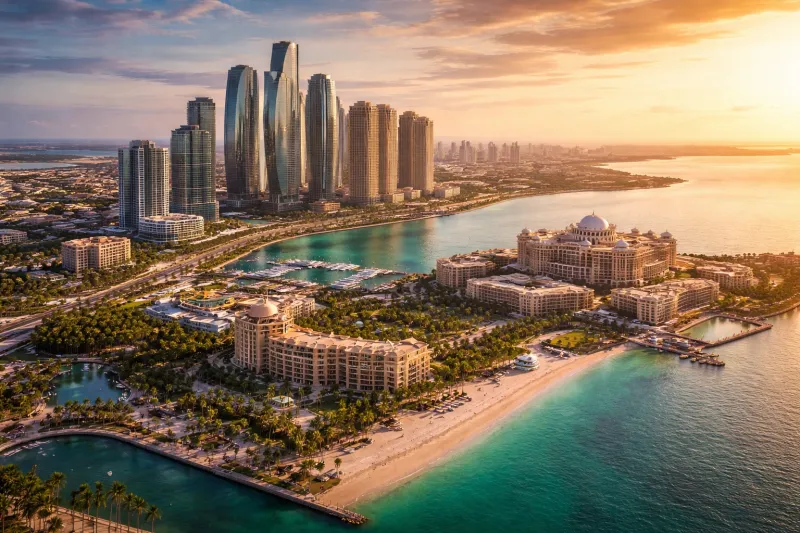
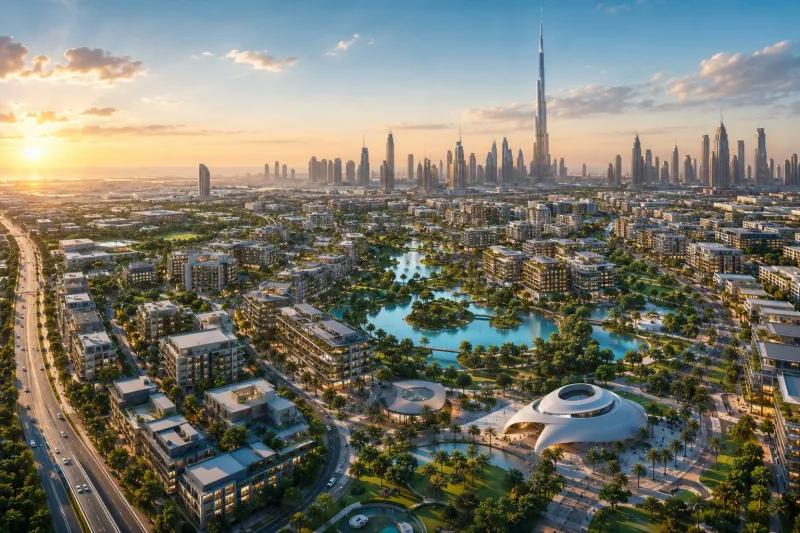
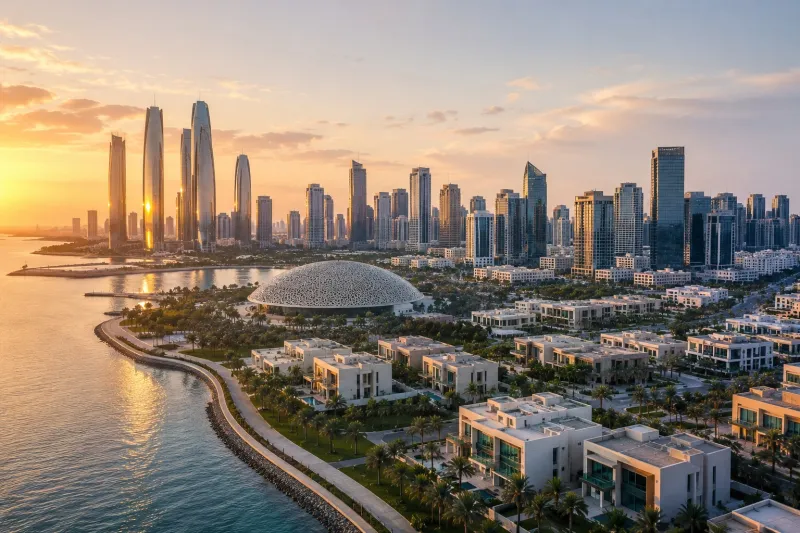
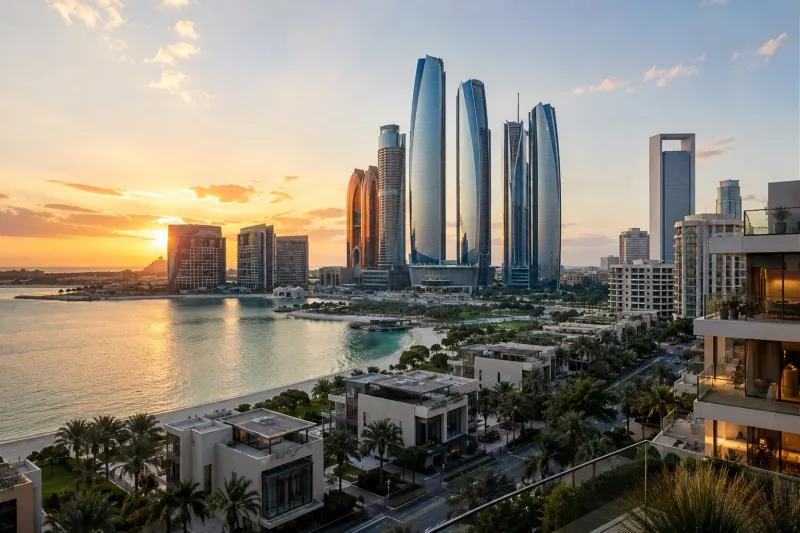
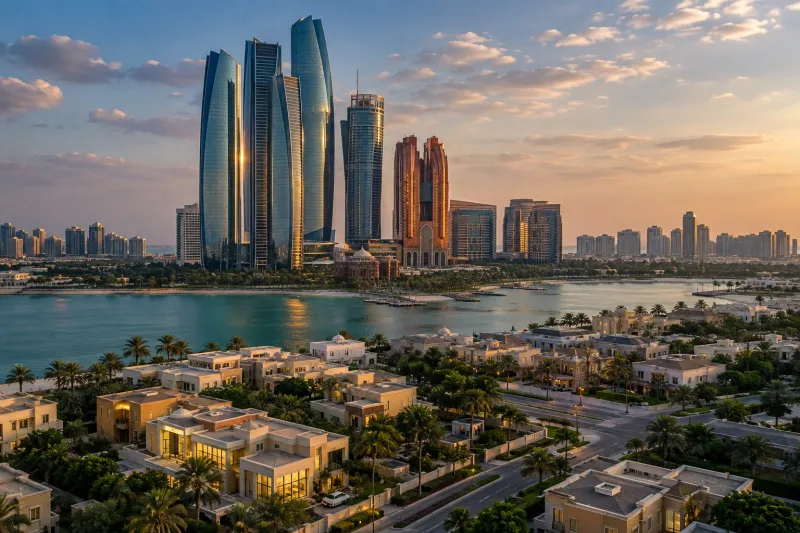
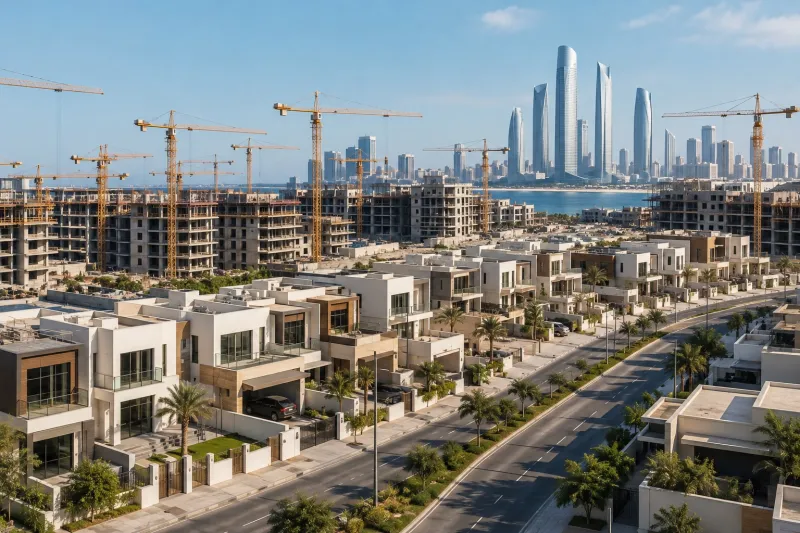
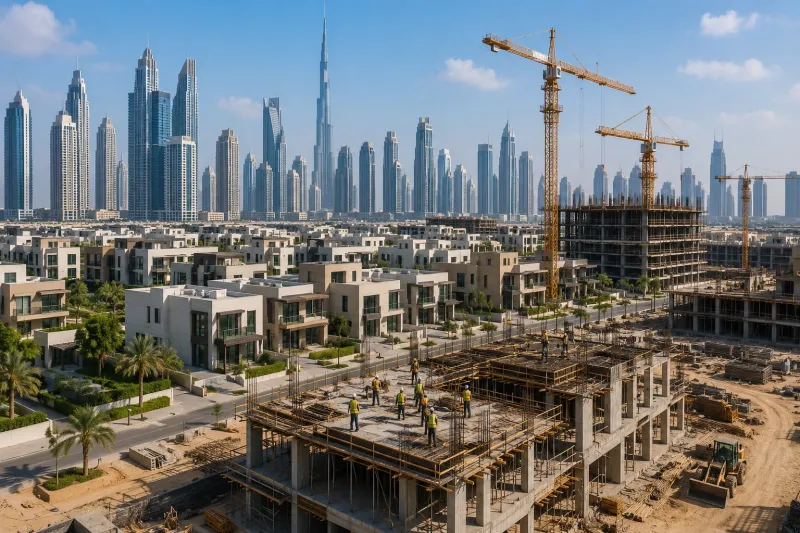
Large-scale projects like Saadiyat Island, Yas Island, and Al Maryah Island are reshaping Abu Dhabi's urban fabric and raising the profile of local property markets. Investment in transport, healthcare, education, and cultural assets enhances livability and long-term capital appreciation potential. For investors, proximity to these development nodes can mean consistent rental demand and improved exit prospects over multi-year horizons.
Demographic trends and population growth
Abu Dhabi's population mix, driven by a steady inflow of skilled expatriates and a focus on family-friendly urban planning, supports demand across multiple residential segments. Government initiatives encouraging permanent residency options and long-term visas also make the emirate more attractive to professionals seeking stability. These demographic shifts translate to predictable rental pools for long-term landlords and developers.
Attractive yields and market performance
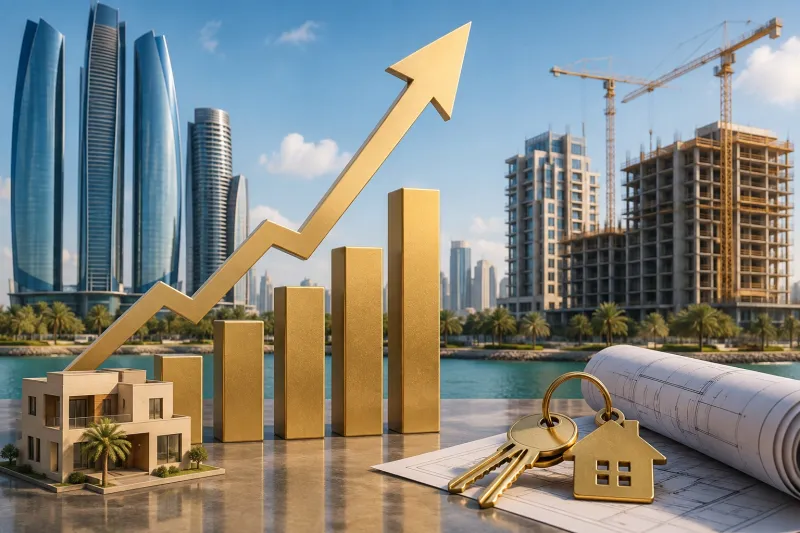
Compared with many global gateway cities, parts of Abu Dhabi still offer competitive rental yields and favorable price-to-rent ratios, especially in well-located developments. Market performance has shown resilience during regional volatility, with selective submarkets delivering consistent income streams. For long-term investors focused on total return, the balance of rental income and potential capital appreciation is increasingly compelling.
Ownership structures and freehold opportunities
Abu Dhabi has expanded freehold ownership zones and introduced investor-friendly schemes that simplify property acquisition for foreigners. Clear ownership structures, coupled with professional property management options, make buy-to-let and buy-to-hold strategies more practical. These options give investors flexibility to hold assets for income generation or strategic disposal when market conditions are favorable.
Financial stability and currency considerations
The UAE dirham's peg to the US dollar provides a measure of currency stability that many international investors value, reducing exchange-rate uncertainty for dollar-based investors. Abu Dhabi's well-capitalized banking sector and growing capital markets also support mortgage availability and structured financing solutions for longer-term holdings. Access to stable financing improves leverage management and portfolio planning over extended time horizons.
Sustainability and long-term urban planning
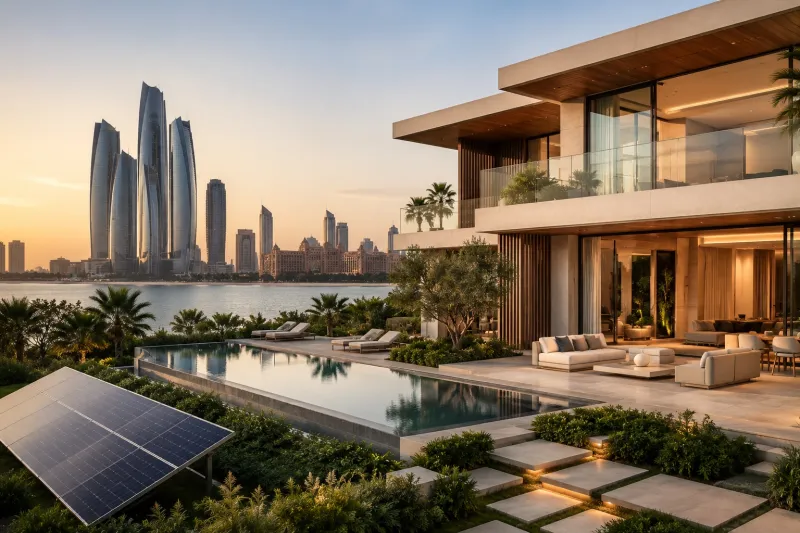
Abu Dhabi has committed to sustainability through renewable energy projects, green building standards, and masterplans that prioritize walkability and mixed-use development. These initiatives increase the attractiveness of properties that meet modern environmental and lifestyle expectations, bolstering demand from quality-conscious tenants and investors. Over the long term, sustainable assets tend to retain value better and attract premium tenants.
Assessing risks and planning exit strategies
While Abu Dhabi offers many advantages, investors should still evaluate liquidity, concentration risk, and cyclical exposure within specific submarkets. Performing scenario analysis, diversifying holdings across asset types, and establishing clear exit criteria help manage downside risk. Professional local advisory, due diligence on developer track records, and prudent financing terms are essential components of a resilient long-term investment plan in the emirate.
Focused on delivering informative, accessible content