Abu Dhabi property deals surge 119% as UAE real estate market enters new growth phase
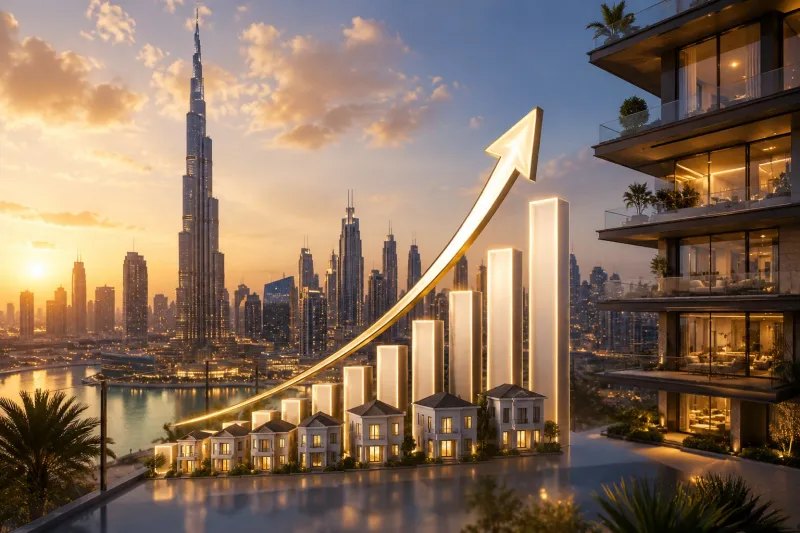
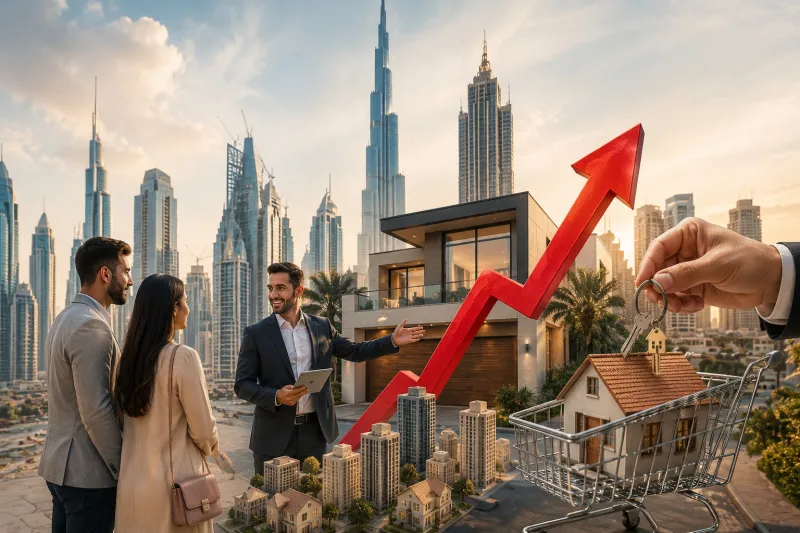
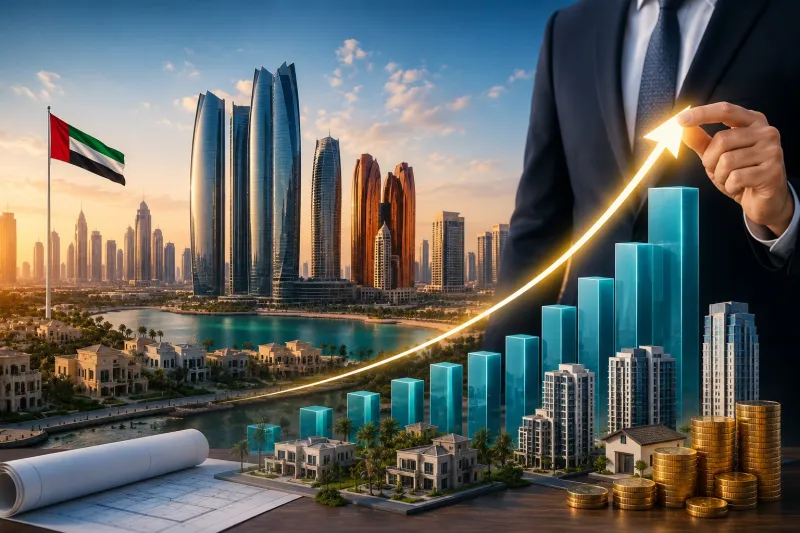
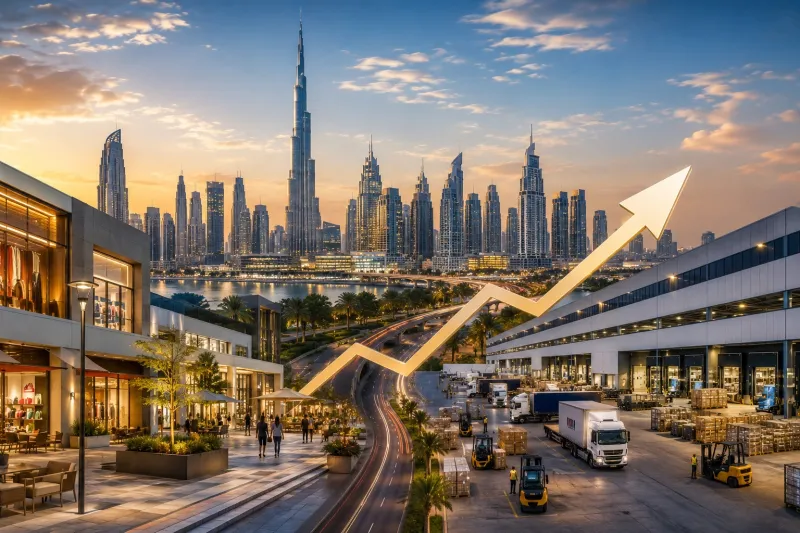
The Abu Dhabi real estate market has recorded a remarkable 119% increase in property transactions, signaling that the UAE's broader property sector is moving into a new growth phase. This surge reflects a confluence of policy shifts, investor appetite, and improving macroeconomic conditions that are reshaping demand patterns across residential, commercial and off-plan segments.
- Transaction surge and market snapshot
- Drivers behind the rapid increase
- Role of policy and regulatory reforms
- Impact of infrastructure and megaprojects
- Investor profile and domestic versus foreign participation
- Supply dynamics and price movement
- Rental market response and yields
- Financing environment and mortgage trends
- Sectoral breakdown: residential, commercial and off-plan
- Outlook and implications for investors and policymakers
Transaction surge and market snapshot
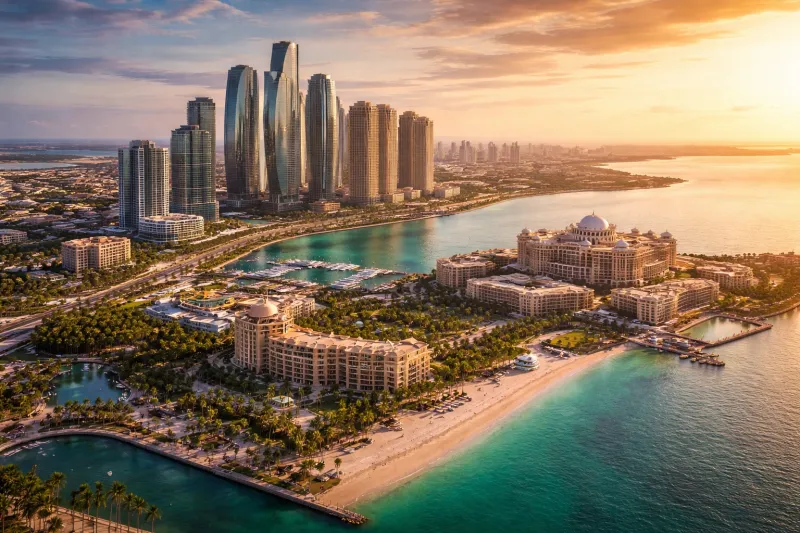
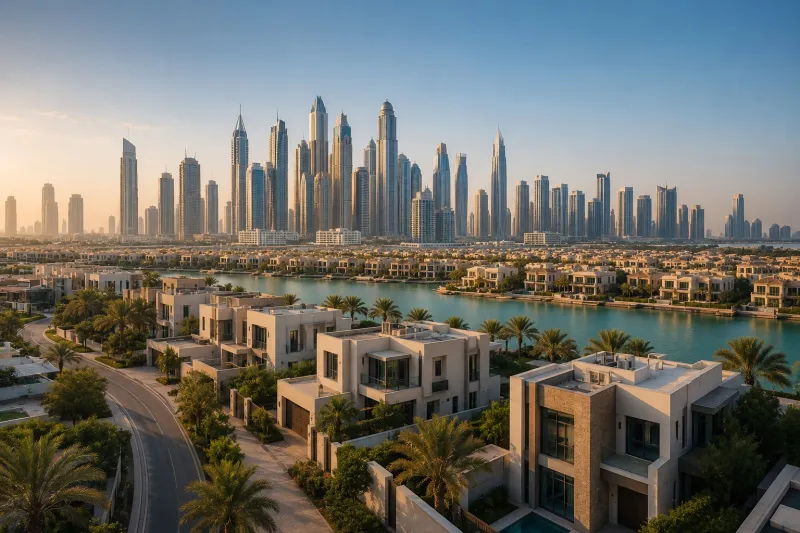
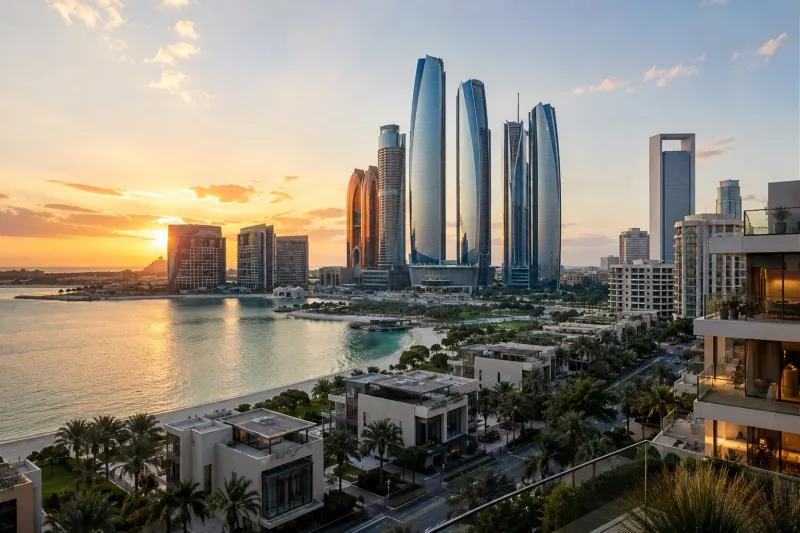
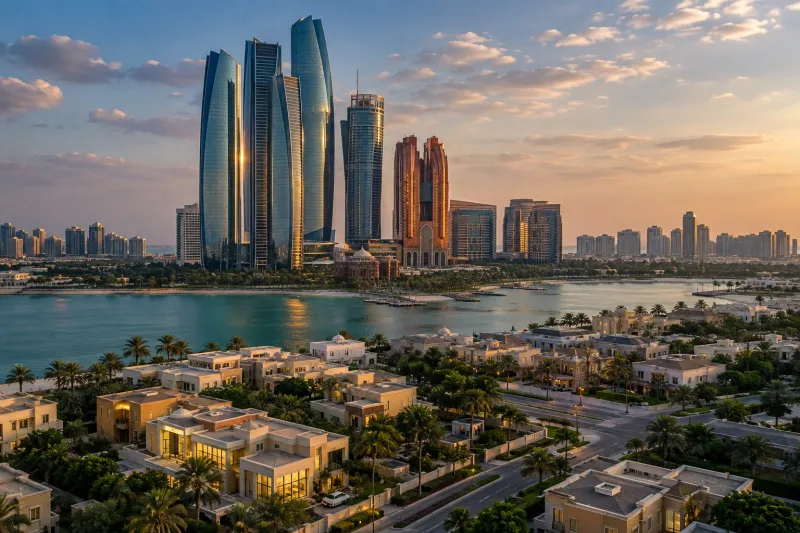
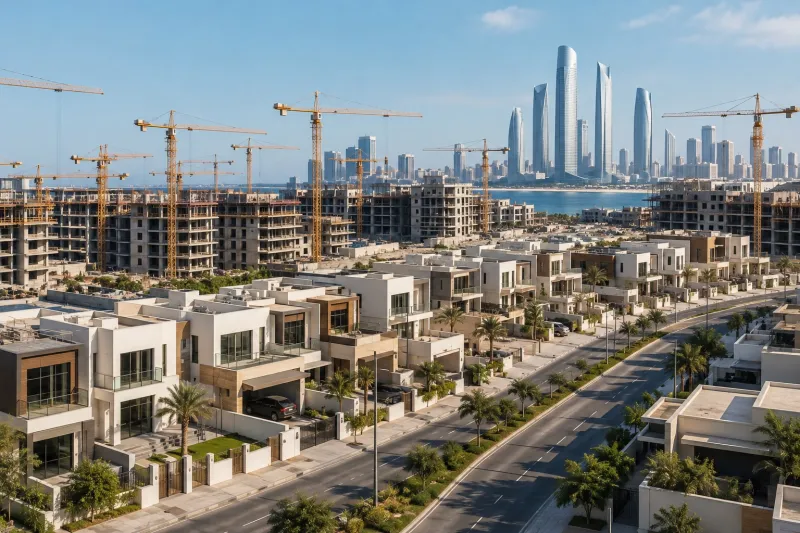
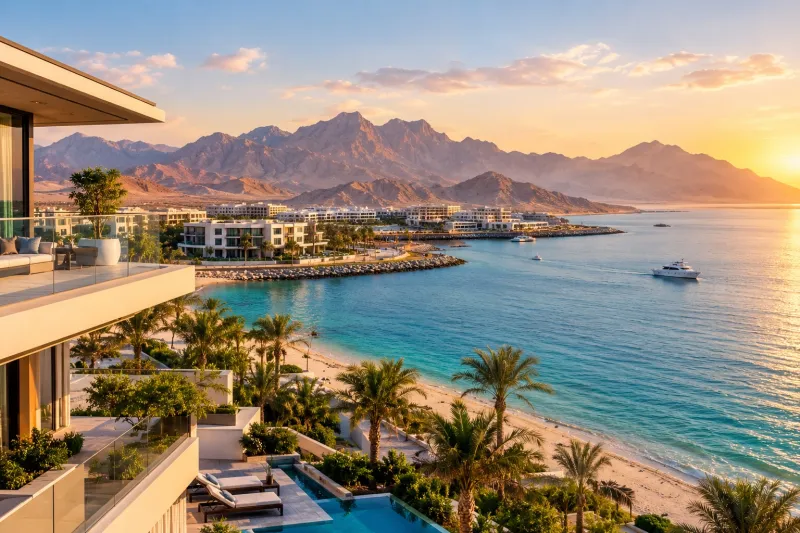
The headline 119% rise in property deals in Abu Dhabi compared to the same period last year underscores an acceleration in trading activity. Both primary and secondary market transactions have contributed, with notable strength in apartment and villa sales as well as renewed interest in prime waterfront and island developments.
Drivers behind the rapid increase
Several factors explain the uptick: attractive mortgage rates, visa reforms to retain skilled workers and investors, and targeted government incentives. Additionally, stronger oil revenues and a rebound in business sentiment have increased local liquidity and appetite for property investment.
Role of policy and regulatory reforms
Recent regulatory measures, including streamlined registration processes, clearer title regulations and enhanced investor protections, have lowered transaction friction. Reforms to foreign ownership rules and long-term residency schemes have also made Abu Dhabi more appealing to international buyers and long-term tenants.
Impact of infrastructure and megaprojects
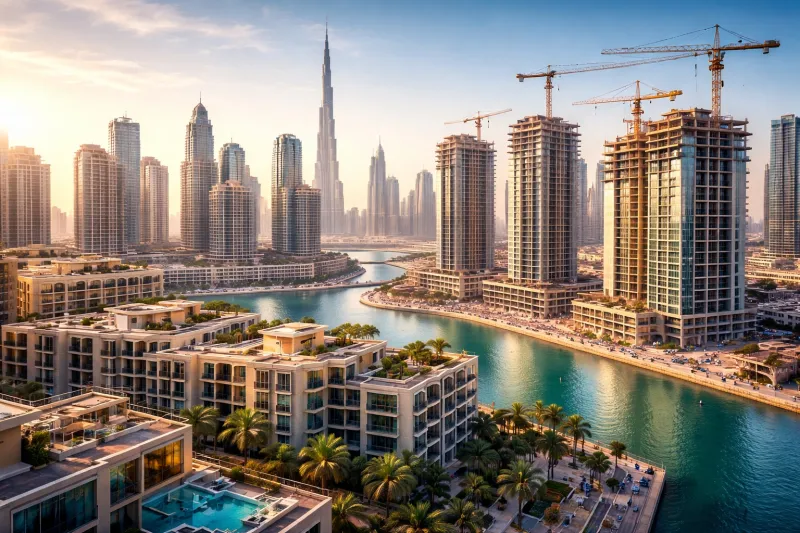
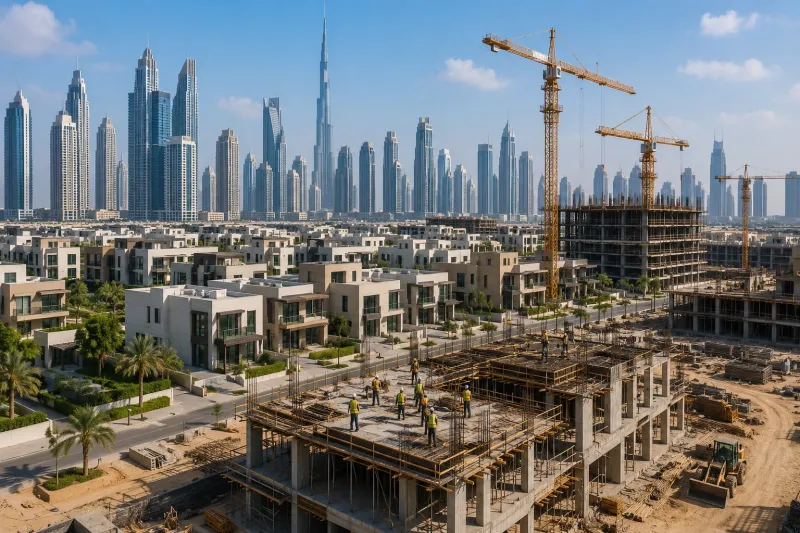
Major infrastructure investments and megaprojects in Abu Dhabi, from transport upgrades to cultural and tourism developments, are boosting localized demand. Areas near new highways, metro links, and cultural districts are seeing disproportionate activity as buyers anticipate capital appreciation and rental demand.
Investor profile and domestic versus foreign participation
The surge is being driven by a mix of domestic investors seeking yield and capital preservation and a growing cohort of foreign buyers targeting diversification. Gulf nationals and GCC investors remain active, while Europeans, Indians and Asian buyers have increased participation, especially in high-quality, ready-to-move properties.
Supply dynamics and price movement
Although transaction volumes have jumped, new supply has not kept pace uniformly across micro-markets, creating upward pressure on prices in select neighborhoods. Analysts note modest price appreciation in prime districts, while peripheral locations show more stable or gradual rises due to continued off-plan deliveries.
Rental market response and yields
Rents have started to firm in central Abu Dhabi as demand for quality units increases, improving rental yields for landlords in well-located properties. This shift has made buy-to-let strategies more attractive, encouraging further investor activity and supporting the broader transaction surge.
Financing environment and mortgage trends
Competitive mortgage packages from banks, coupled with more flexible lending criteria for salaried expats and nationals, have supported higher transaction volumes. Lower effective borrowing costs and targeted mortgage promotions for first-time buyers are notable contributors to the market momentum.
Sectoral breakdown: residential, commercial and off-plan
Residential sales have led the rebound, particularly mid- to high-end apartments and family villas. The commercial sector shows early signs of recovery with selective leasing activity in office and retail spaces, while off-plan transactions benefit from developer payment plans and investor confidence in long-term projects.
Outlook and implications for investors and policymakers
With the market entering a new growth phase, investors should prioritize location, developer track record and financing costs. Policymakers must monitor supply pipeline and affordability to avoid overheating while continuing reforms that sustain foreign investment and market transparency.
Focused on delivering informative, accessible content