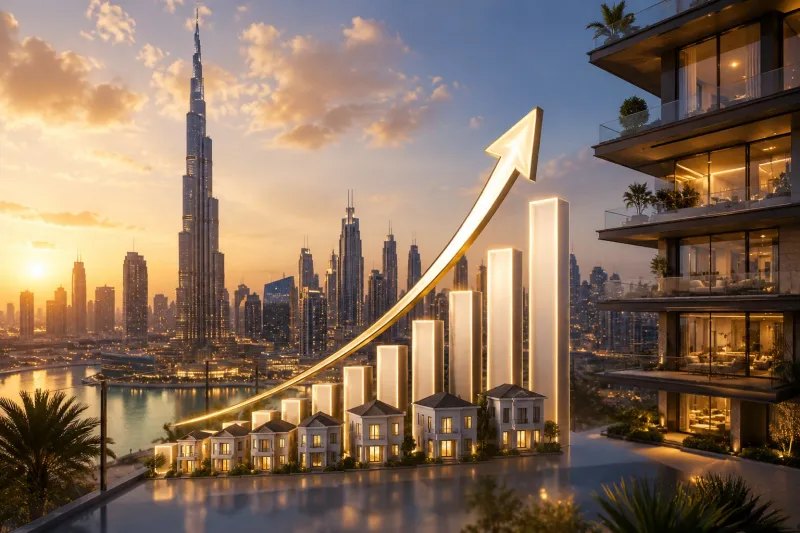
Wynn Al Marjan Island fuels Ras Al Khaimah property boom as investors target luxury waterfront and hospitality opportunities
- Project overview and scale
- Attraction of international investors
- The luxury waterfront residential appeal
- Hospitality demand and mixed-use opportunities
- Economic and job creation impact
- Infrastructure, connectivity, and accessibility
- Regulatory environment and investment incentives
- Design, sustainability, and place-making
- Market performance, pricing dynamics, and yields
- Developer credibility, branding, and future phases
Project overview and scale
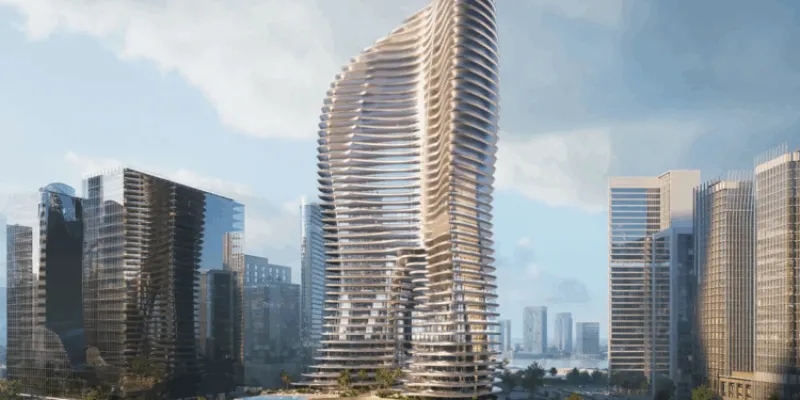
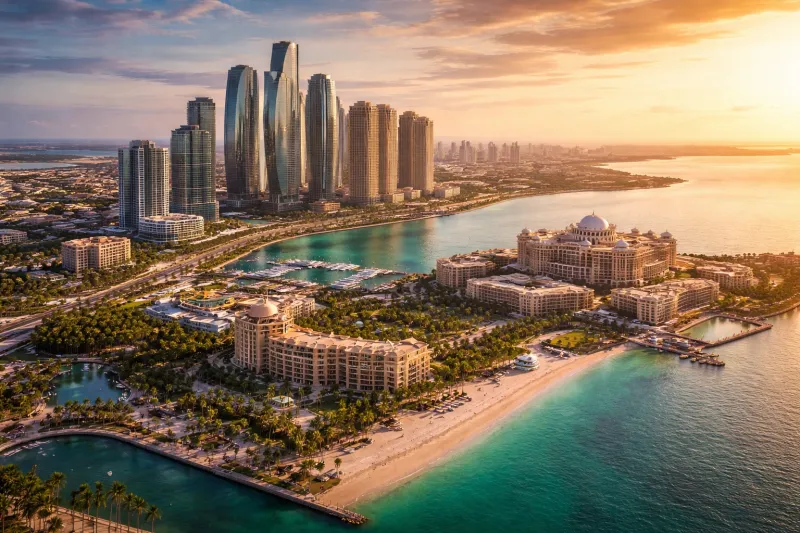
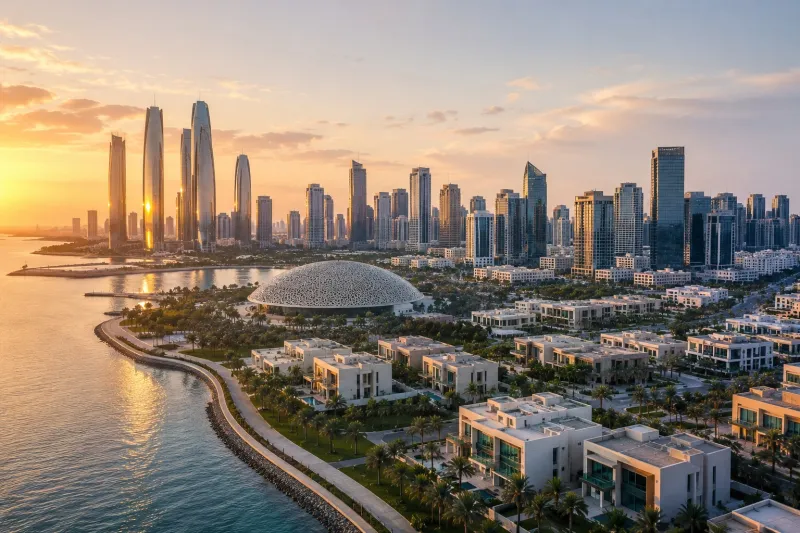
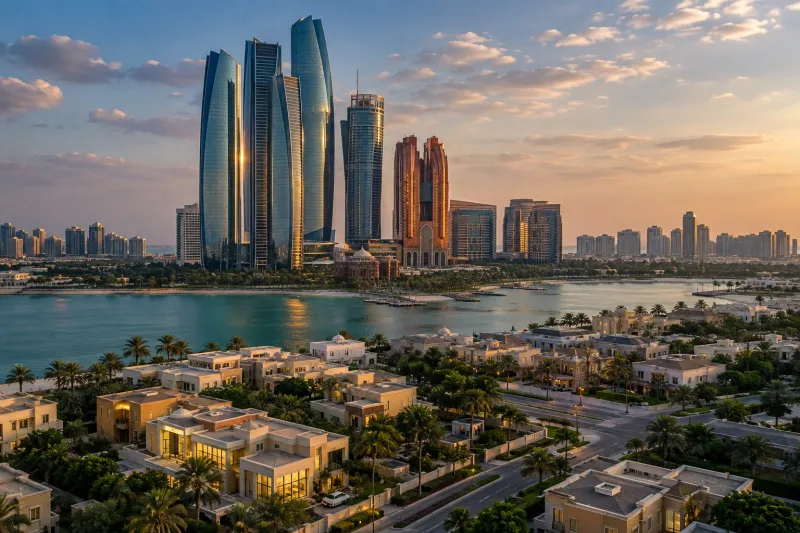
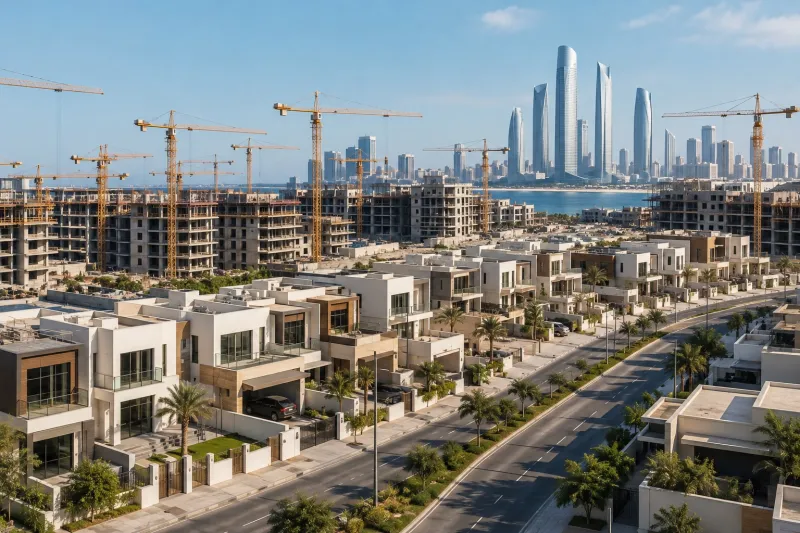
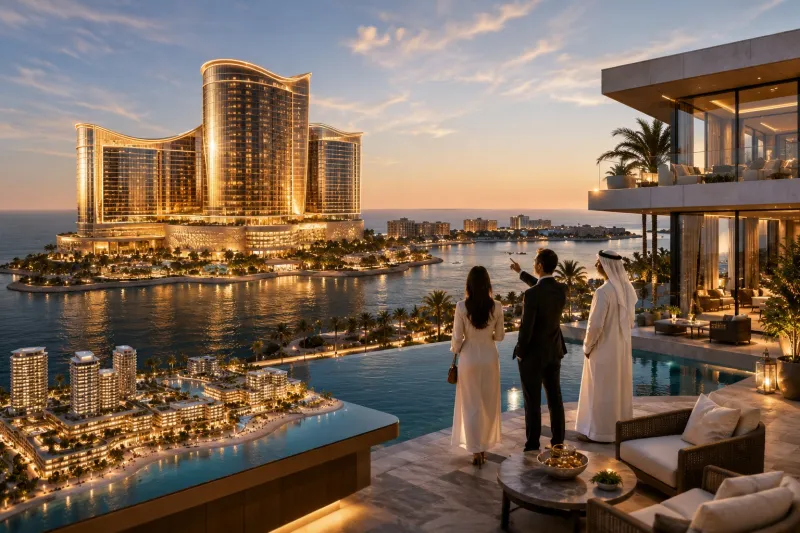
Wynn Al Marjan Island is positioned as a flagship mixed-use development combining branded hospitality, private residences and leisure amenities on reclaimed waterfront land. The scale of the project includes hotel components, villa developments, retail offerings and curated public spaces designed to activate the coastline. Its prominence on Al Marjan Island provides a visible signal to markets that Ras Al Khaimah is open for premium investment and long-term tourism growth.
Attraction of international investors
International capital has been drawn by branded product, predictable management expertise and the perceived safety of UAE investment structures. Investors are increasingly seeking partnerships with established operators like Wynn to mitigate development and operational risk.
The luxury waterfront residential appeal
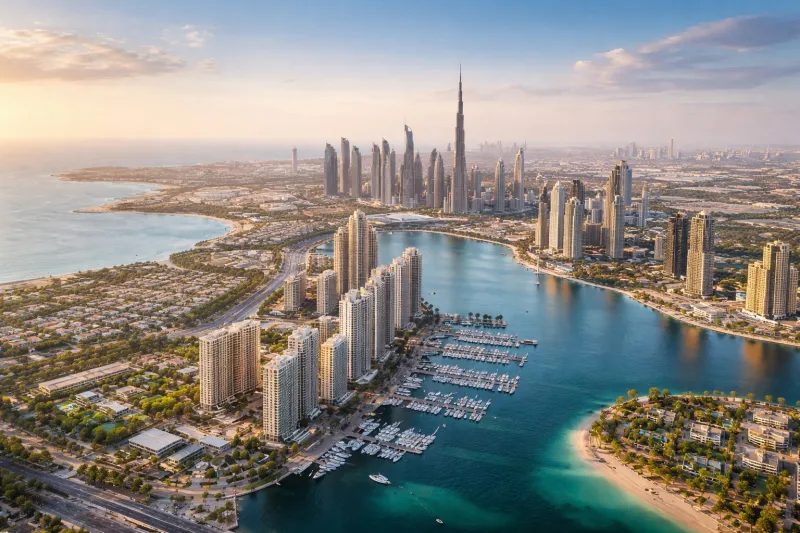
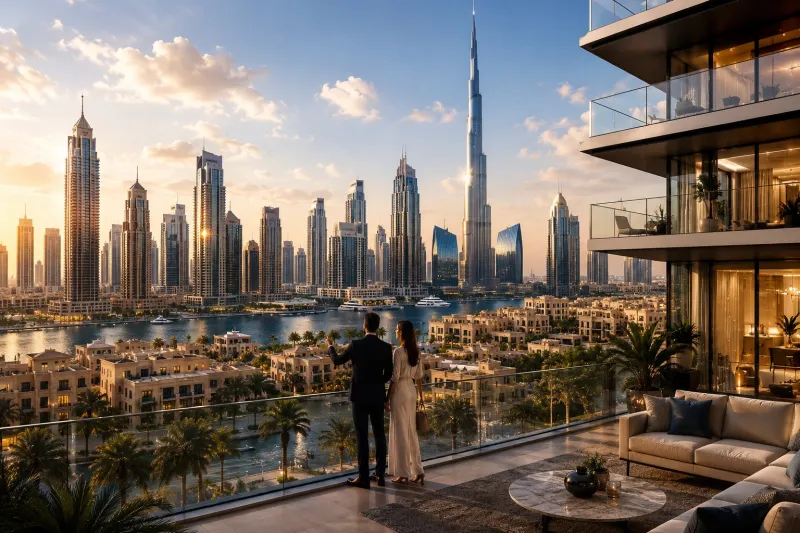
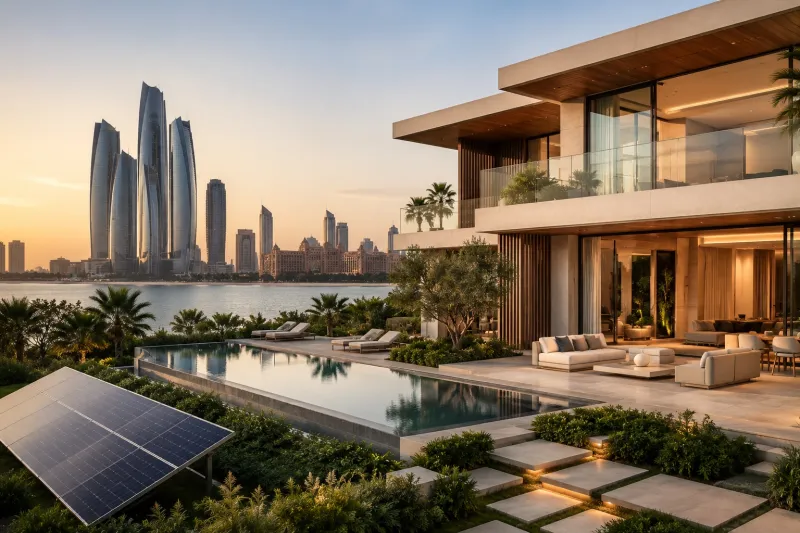
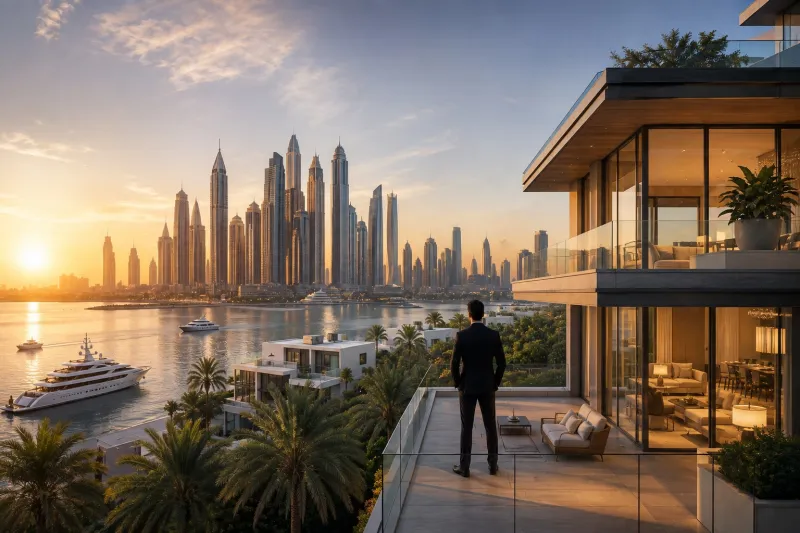
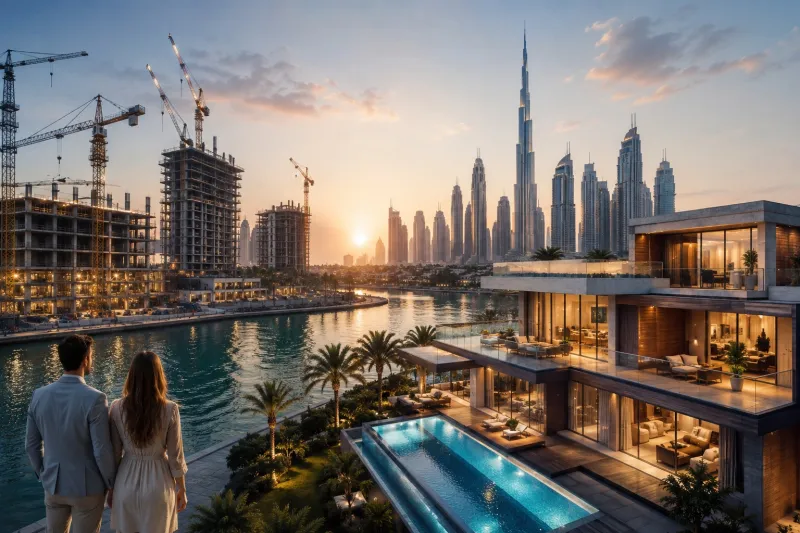
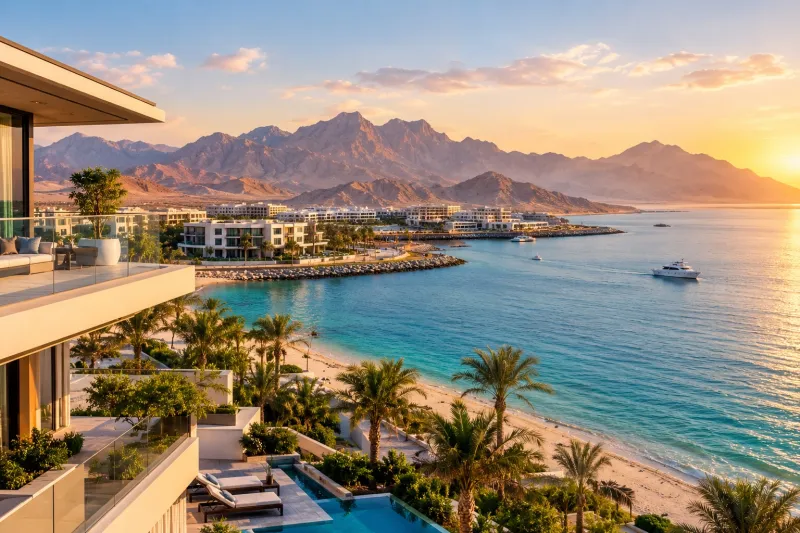
Waterfront living on Al Marjan Island offers direct sea views, private beach access and lifestyle amenities that command premium pricing. Developers are packaging services such as managed rentals, concierge and shared leisure facilities to appeal to second-home buyers and investors seeking yield. This segment benefits from scarcity of comparable product in the northern UAE, creating a supply-driven price ceiling.
Hospitality demand and mixed-use opportunities
Wynn's presence sends a strong signal that Ras Al Khaimah can support aspirational luxury hospitality. Demand drivers include regional staycation markets, GCC leisure traffic, and growing international visitation as airlines expand routes. Mixed-use developments that combine hotels, branded residences, and retail activate longer visitor stays and diversify revenue streams for developers and operators.
Economic and job creation impact
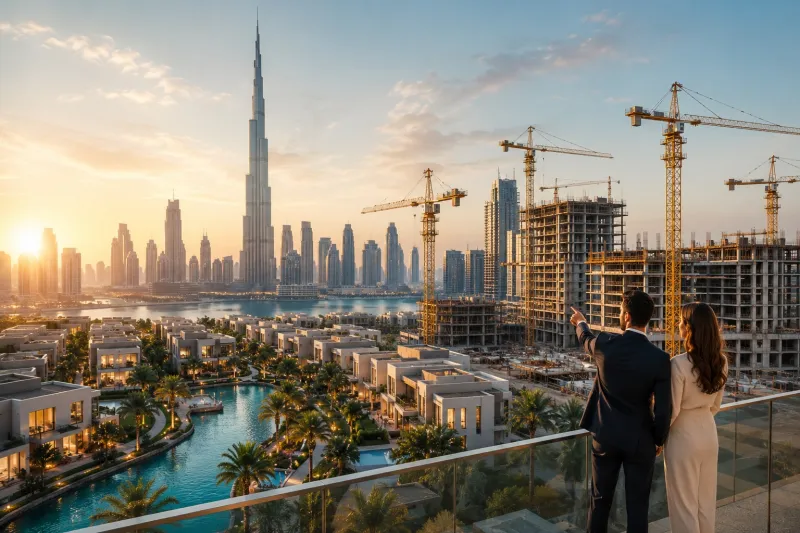
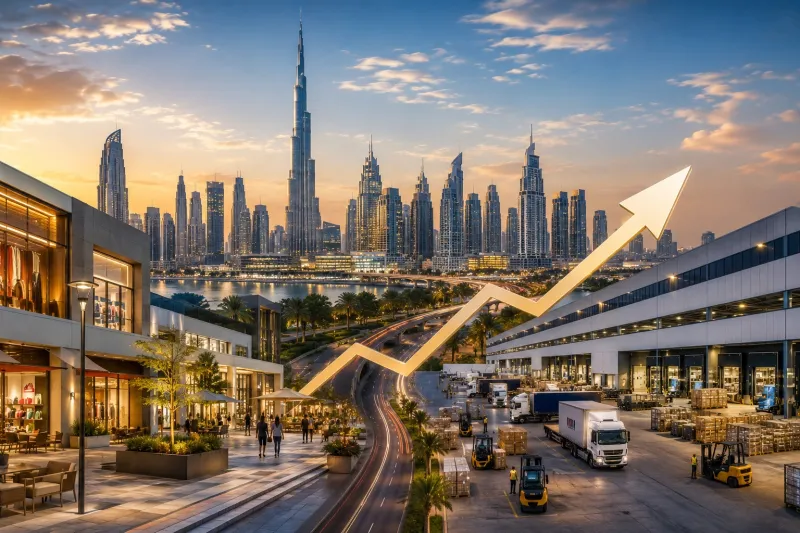
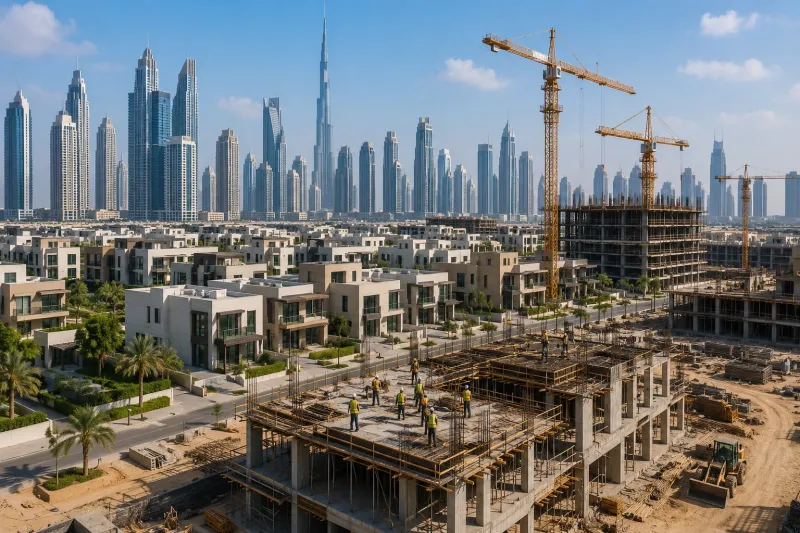
Large waterfront projects generate short-term construction employment and long-term operational roles across hospitality, retail, and property management. The multiplier effect supports local supply chains, from F&B to facilities services, and helps Ras Al Khaimah diversify away from traditional industries. Public and private stakeholders often highlight job creation when justifying incentives and infrastructure investment.
Infrastructure, connectivity, and accessibility
Better connectivity to airports, road upgrades and planned marine infrastructure are critical to unlocking value on Al Marjan Island. Investors assess time-to-market access for guests and residents as a key underwriting metric. Public commitments to improve transport links and utilities reduce development risk and increase the attractiveness of waterfront projects to international operators.
Regulatory environment and investment incentives
Ras Al Khaimah offers competitive land terms, freehold options in selected zones and sometimes favourable licensing frameworks to attract capital. Such policy tools can accelerate project delivery and broaden investor appetite. Transparency in permitting and investor-friendly regulations are frequently cited by developers as decisive when comparing emirates.
Design, sustainability, and place-making
High-end waterfront developments increasingly prioritize sustainable design, resilient coastal infrastructure, and thoughtful public realm to ensure long-term appeal. Wynn and similar brands emphasize signature architecture, curated landscaping, and experiential amenities as part of place-making. Sustainability measures from energy-efficient systems to responsible shoreline management also align with investor expectations for future-proof assets.
Market performance, pricing dynamics, and yields
Early sales and leasing indicators around marquee projects often set benchmarks for surrounding developments, lifting prices and rental expectations. While luxury waterfront product commands a premium, buyers are scrutinizing yield profiles, occupancy projections and resale liquidity. Investors are balancing capital appreciation potential against operating costs and seasonality in a market still maturing compared with major emirates.
Developer credibility, branding, and future phases
Brand partnerships like Wynn bring operational clout, global distribution networks, and marketing reach, which can accelerate absorption of high-end units. Credible developers that deliver on timelines and quality build investor confidence for subsequent phases. As the initial phases are completed, market participants will watch for spillover effects of new boutique operators, ancillary hospitality concepts, and secondary residential projects that indicate a broader property cycle underway.
Focused on delivering informative, accessible content