Dubai property cools as rising supply eases prices and rents
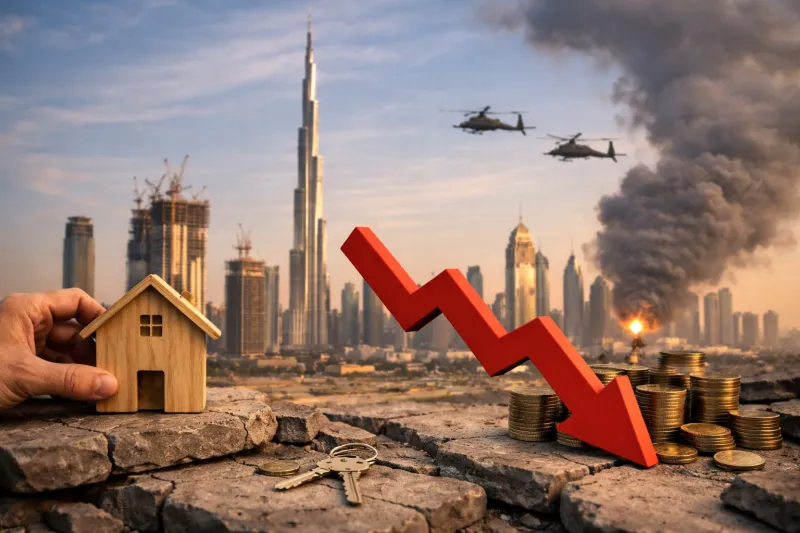
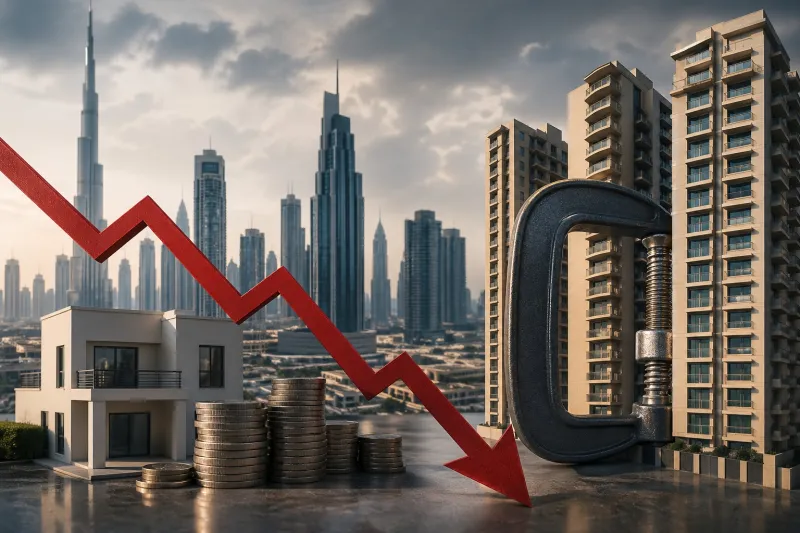
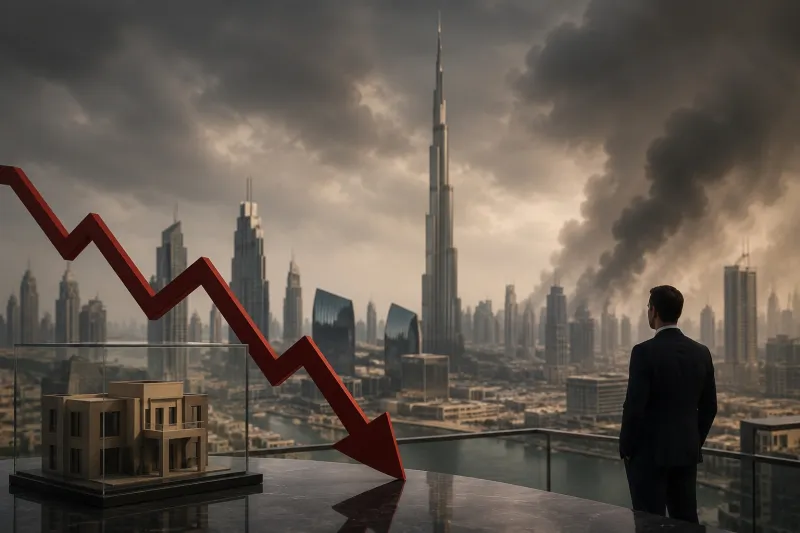
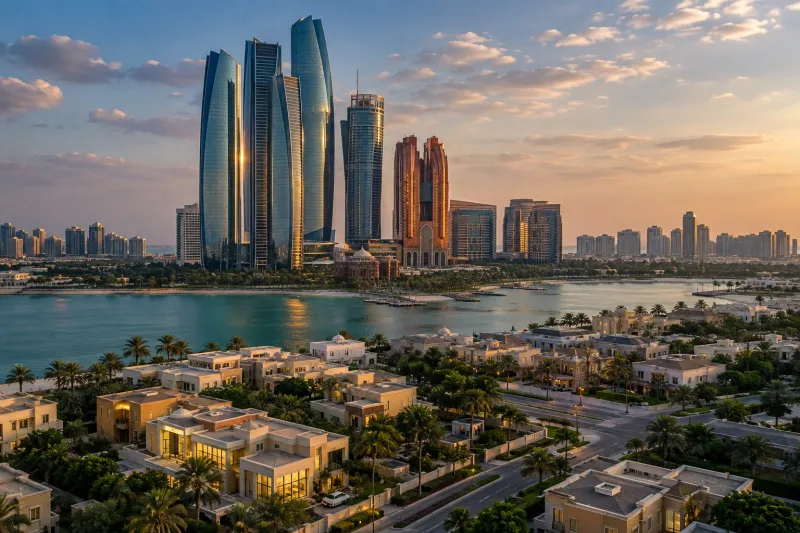
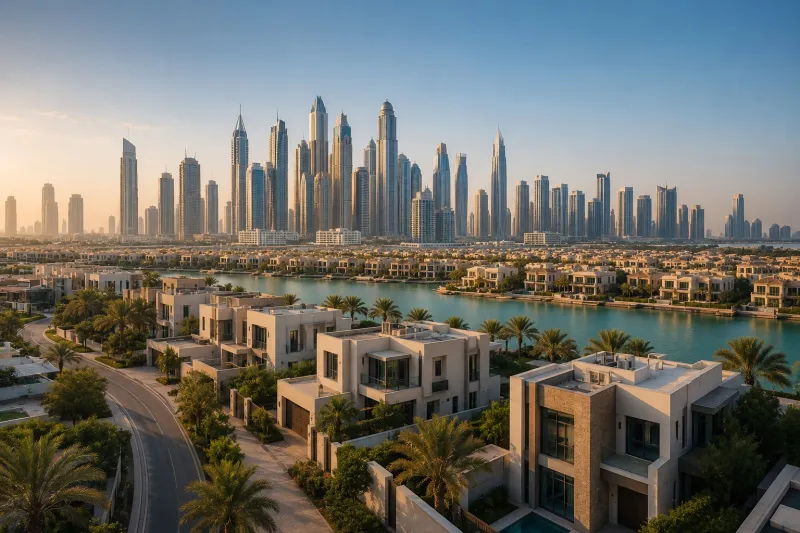
The Dubai property market is showing signs of moderation as a wave of new supply enters the market. After several years of rapid growth, both home prices and rents have started to soften in response to increased inventory, changing buyer preferences and shifting macroeconomic conditions.
- Market overview
- Supply dynamics
- Price movements by segment
- Rental market trends
- Developer activity and new launches
- Demand drivers and buyer profile
- Foreign investment and capital flows
- Affordability and household impact
- Policy, regulation and incentive changes
- Short-term outlook and market implications
Market overview
The Dubai real estate sector, which saw a post-pandemic boom, is now experiencing a more balanced phase. Transaction volumes remain healthy but growth rates for prices and rents have slowed. This moderation reflects an adjustment from a sellers' market back toward a more neutral environment as supply catches up with demand.
Supply dynamics
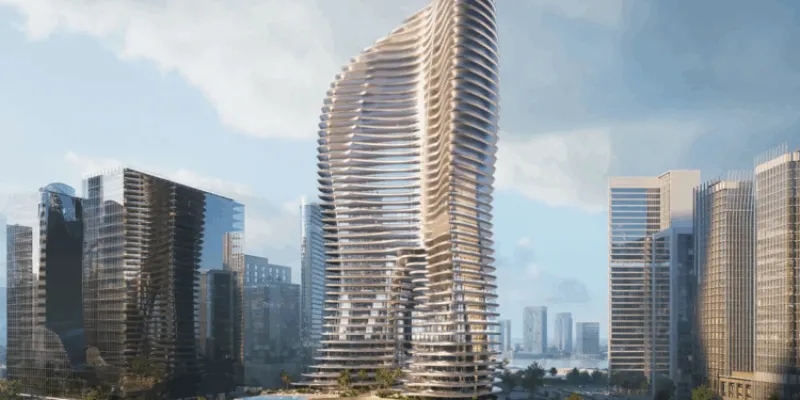
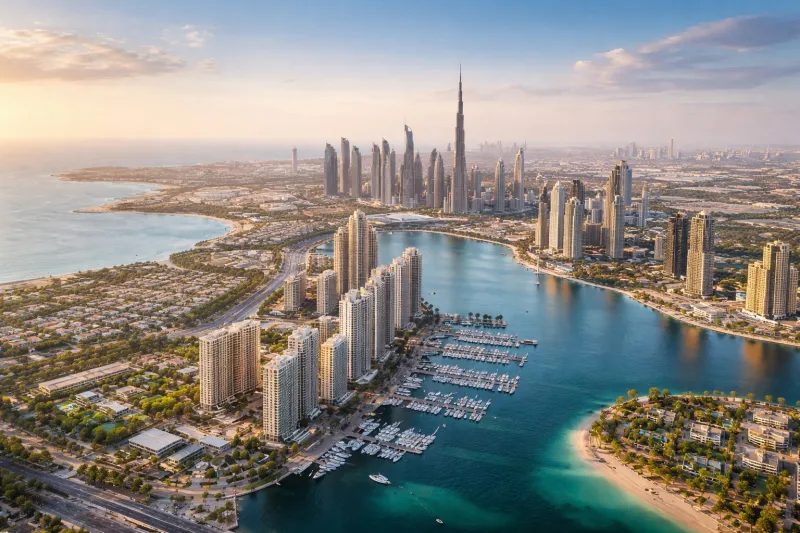
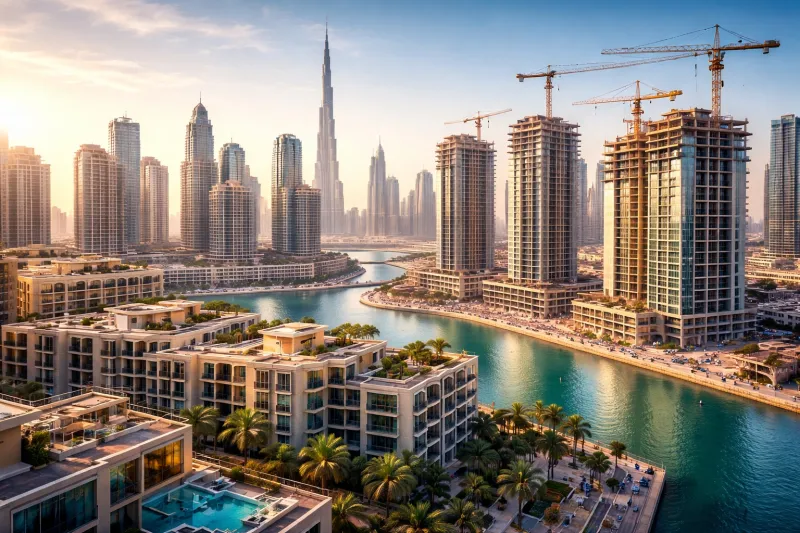
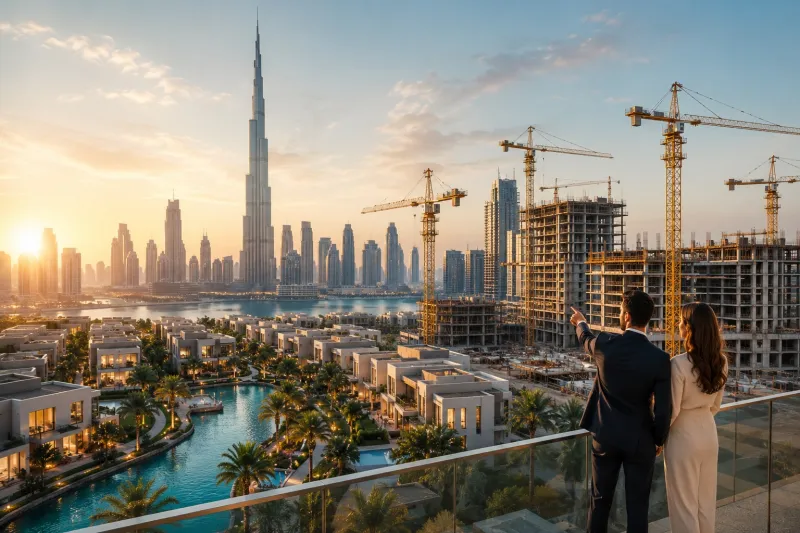
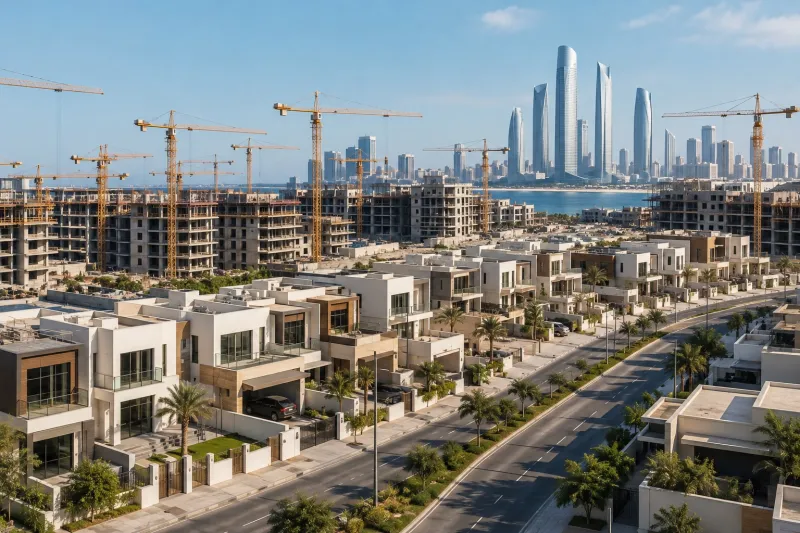
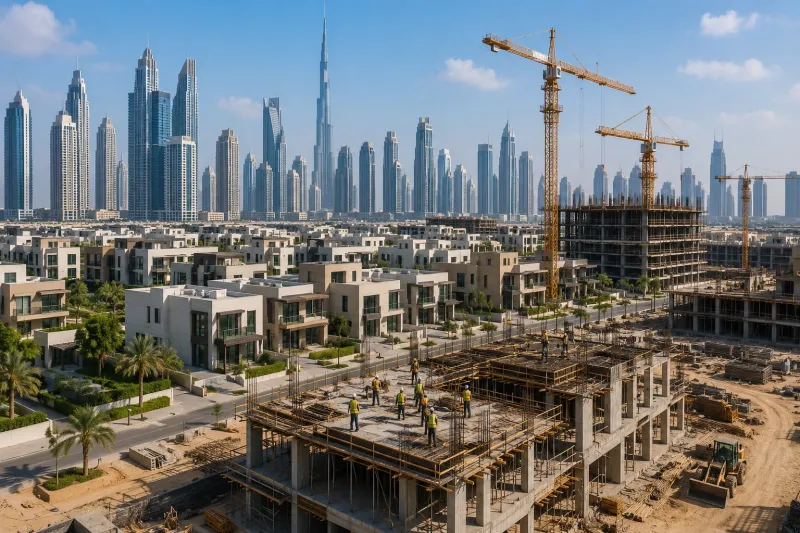
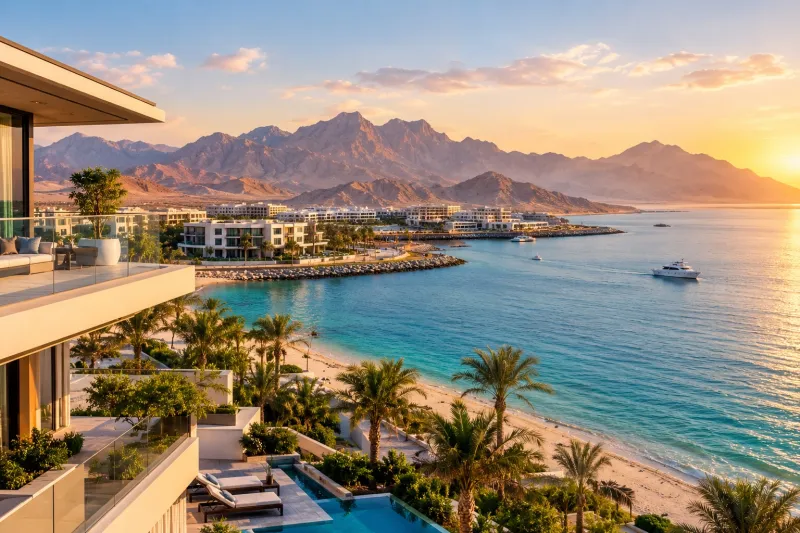
Developers have continued to complete projects across popular districts, increasing the availability of apartments and villas. Many areas that were supply-constrained, such as waterfront and master-planned communities, are now seeing fresh inventory. The influx is not uniform; some micro-markets remain tight while others face clear oversupply pressure.
Price movements by segment
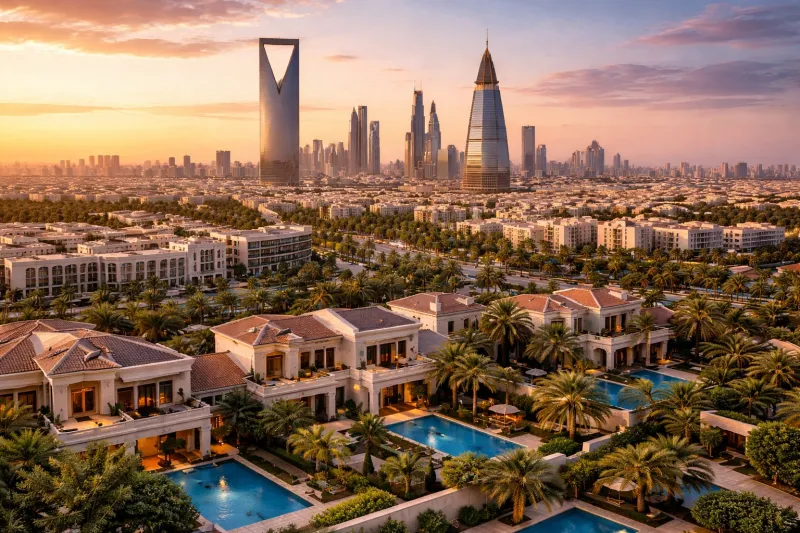
Price corrections are most visible in segments where speculative buying and rapid development were concentrated. Mid-tier apartments have seen the sharpest adjustment, while luxury beachfront villas have been more resilient due to limited new comparable stock. Secondary-market discounts and promotional pricing from developers have contributed to headline moderation in average prices.
Rental market trends
Rents have begun to decline in several neighborhoods after steep increases during the recovery phase. Landlords in oversupplied locations are offering incentives, flexible lease terms and short-term discounts to attract tenants. Conversely, core business districts and high-demand residential pockets still command relatively firm rental levels.
Developer activity and new launches
New launches continue, but developers are responding to slower absorption by staging releases, offering payment plans and adjusting specifications. Some major developers have delayed completions or reworked project mixes toward smaller units and more amenities to maintain marketability. This tactical shift suggests a learning curve as supply and demand rebalance.
Demand drivers and buyer profile
Demand remains supported by expatriate inflows, favorable residency schemes and Dubai's role as a regional business hub. However, buyer profiles are evolving: end-users and long-term investors are increasingly dominant relative to short-term speculators. Buyers are placing more emphasis on value, serviceability and proximity to employment nodes.
Foreign investment and capital flows
Foreign capital continues to flow into Dubai real estate, but investors are becoming more selective amid global rate volatility. Some international buyers are taking advantage of softer pricing to enter the market, while others await clearer signs of stabilization. Currency movements and comparative returns versus other asset classes influence allocation decisions.
Affordability and household impact
From a household perspective, easing prices and rents improve affordability for many renters and first-time buyers. Mortgage costs and lending criteria still play a key role: changes in borrowing costs can quickly alter effective affordability. Landlords facing reduced yield expectations may adjust investment strategies or divest non-core assets.
Policy, regulation and incentive changes
Authorities have continued to refine regulations to ensure market transparency and stability. Measures around title registration, escrow rules, and anti-money-laundering are contributing to investor confidence. At the same time, targeted incentives such as longer-term visas and investor-friendly programs support sustainable demand even as supply increases.
Short-term outlook and market implications
In the short term, the market is likely to remain subdued with incremental price and rent softening in the most exposed segments. Absorption will depend on the pace of completions, international travel patterns and global financial conditions. For buyers and tenants, the current phase offers opportunities for negotiation, while developers and investors will reassess pipelines and product mixes to align with evolving preferences.
Focused on delivering informative, accessible content