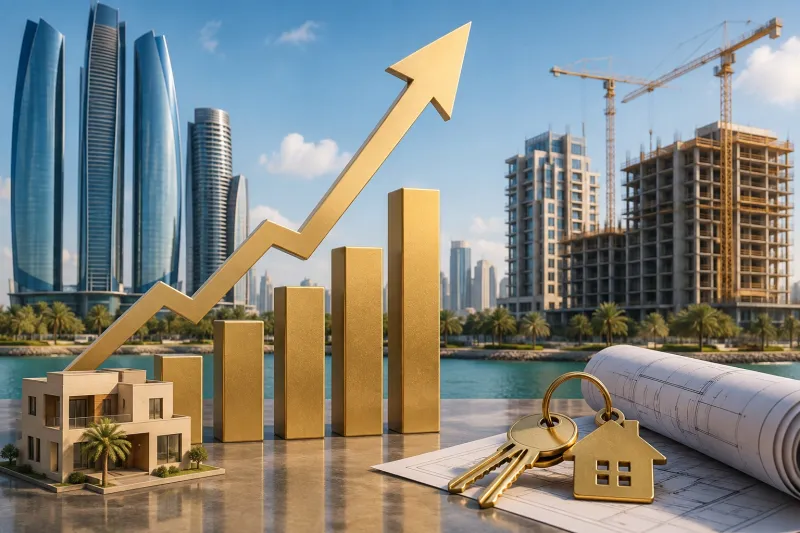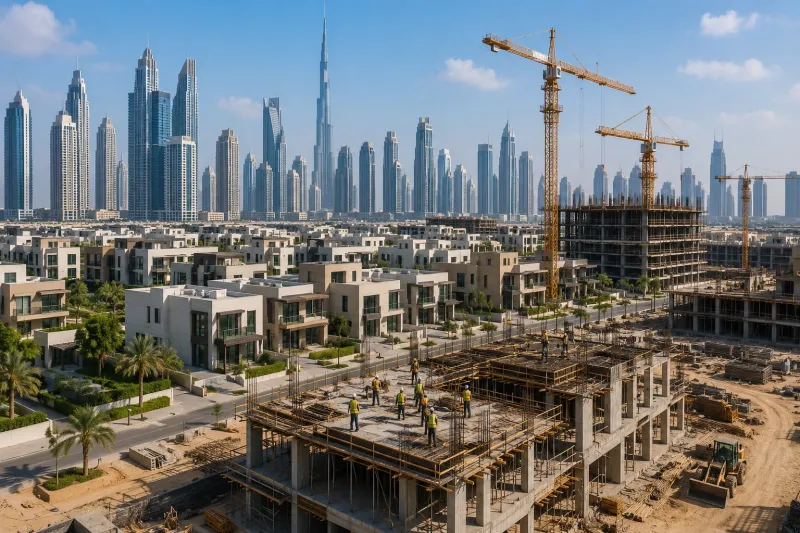
Abu Dhabi property market attracts rising local and global investor demand
Market overview
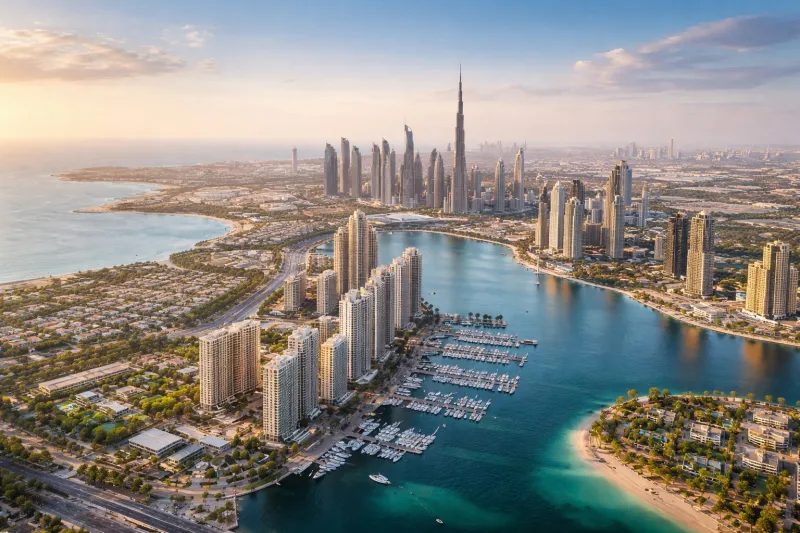
Abu Dhabi's property sector has rebounded strongly following global economic uncertainty, with transaction volumes and new project launches gaining momentum. The market shows balanced growth across primary segments: luxury waterfront residences, family-oriented suburban developments and mixed-use commercial projects. Recent data from local real estate authorities point to rising sales values in key hubs and a steady absorption rate that underpins investor confidence.
Economic fundamentals
The emirate's macroeconomic backdrop supports real estate demand: a diversified economy, higher oil revenues compared with prior years, and strategic investments in non-oil sectors such as tourism, finance and technology. Strong fiscal buffers and sovereign investment vehicles provide stability, while GDP growth forecasts and increasing employment opportunities are attracting long-term housing demand from professionals and expatriate families.
Government policies and incentives
Policy reforms have played a pivotal role in stimulating investment. Key measures include eased property ownership rules in designated zones, extended residency visas tied to property investment, and business-friendly licensing frameworks. Incentives for developers and investors, such as streamlined approval processes and targeted infrastructure support, have further accelerated project delivery and market participation.
Residential demand trends
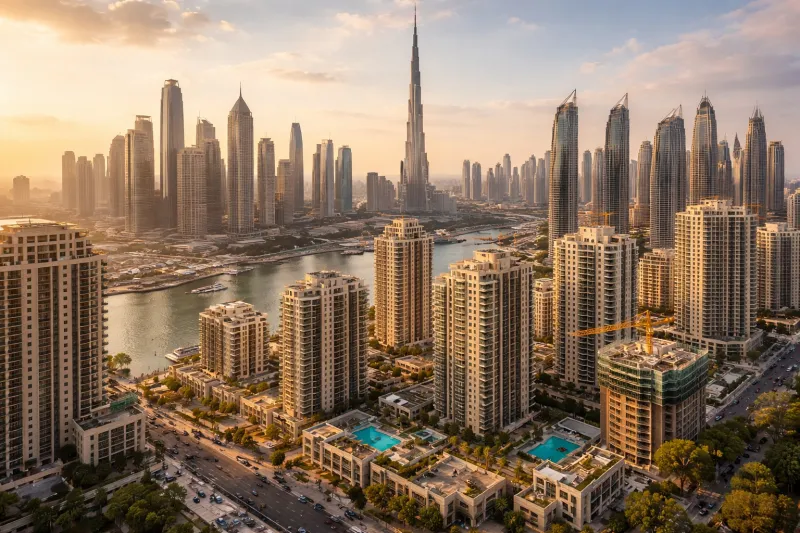
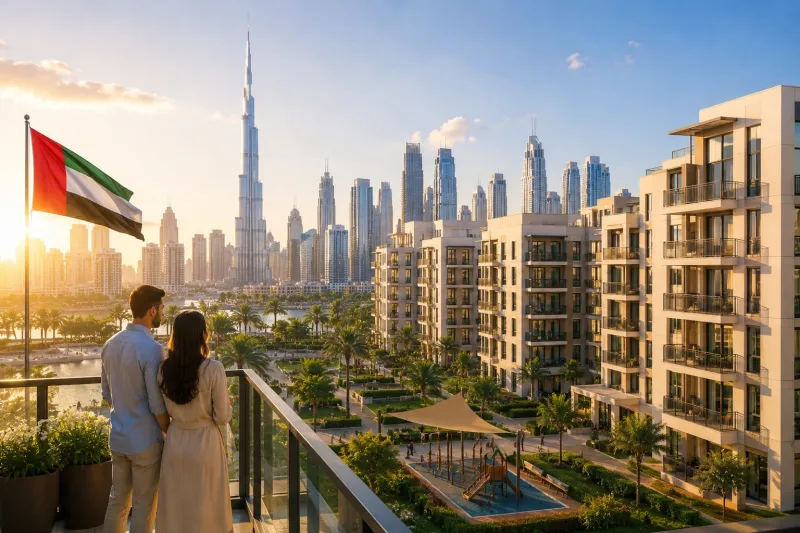
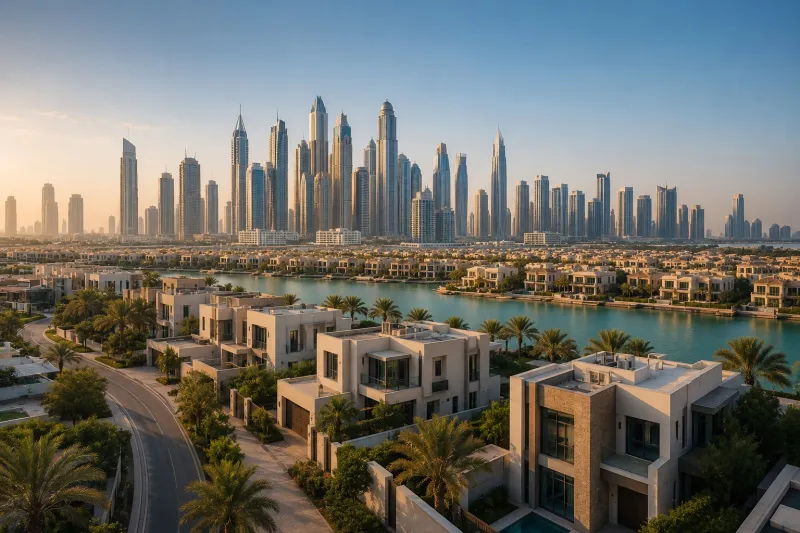
Residential demand is broadening beyond the luxury segment. While high-end waterfront and branded residences command premium interest, there is notable uptake in affordable and mid-market units due to rising household formation and rental-backed investment strategies. Buyers increasingly value quality amenities, proximity to transport links and integrated community features.
- Growth in family-oriented suburbs
- Increased preference for ready-to-move-in inventory
- Persistent interest in off-plan schemes among yield-seeking investors
Commercial and office sector
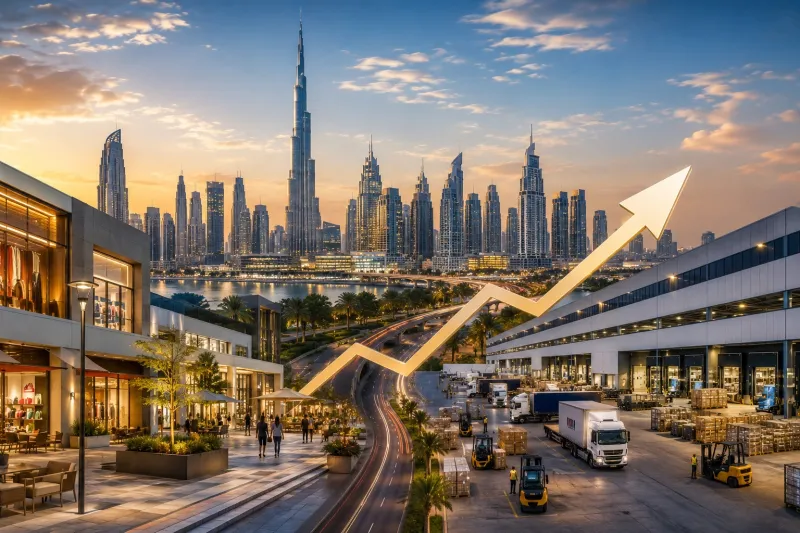
Office and commercial real estate have benefitted from corporate relocations and expansions, notably in financial free zones and business districts. Demand for Grade A office space is supported by new entrants in finance, legal services and tech. Mixed-use developments that combine retail, hospitality and workspace are attracting investors seeking diversified income streams.
International investor interest
Abu Dhabi is drawing global capital from Europe, Asia and other Gulf markets. Investors are attracted by relative price stability, transparent transaction processes and the emirate's strategic position as a regional hub. Cross-border buyers often target high-end residential projects and trophy assets, while institutional capital is directed toward large-scale development and commercial acquisitions.
Local investor dynamics
Local investors, including sovereign wealth funds, family offices and private UAE buyers, play an outsized role. Their activity ranges from strategic long-term land holdings and portfolio diversification to smaller-scale residential investments. Collaboration between public and private sectors on flagship projects raises market credibility and often catalyzes complementary private investment.
Infrastructure and development pipeline
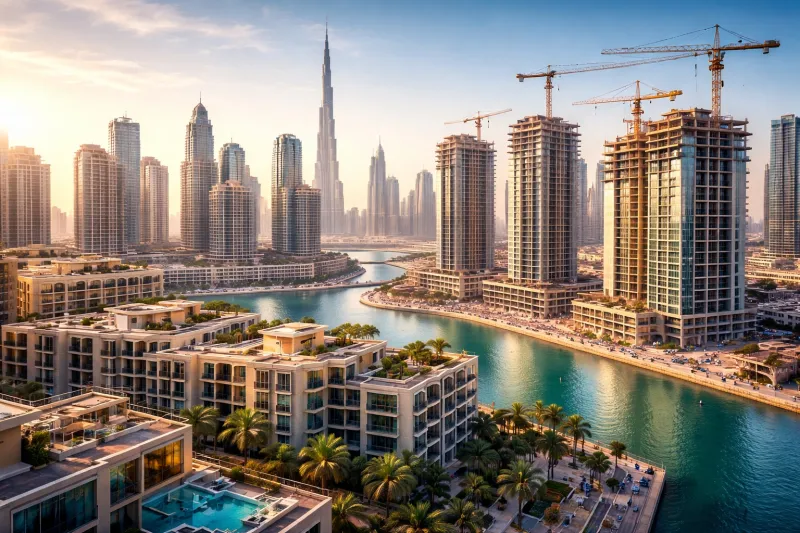
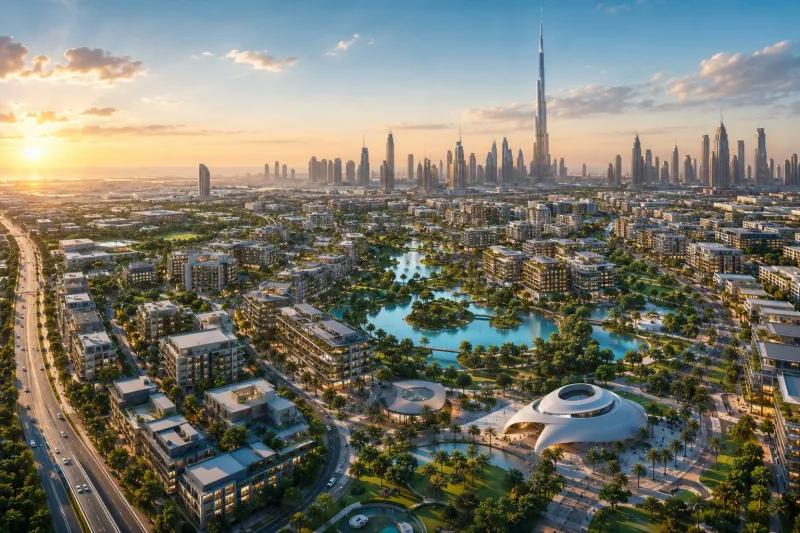
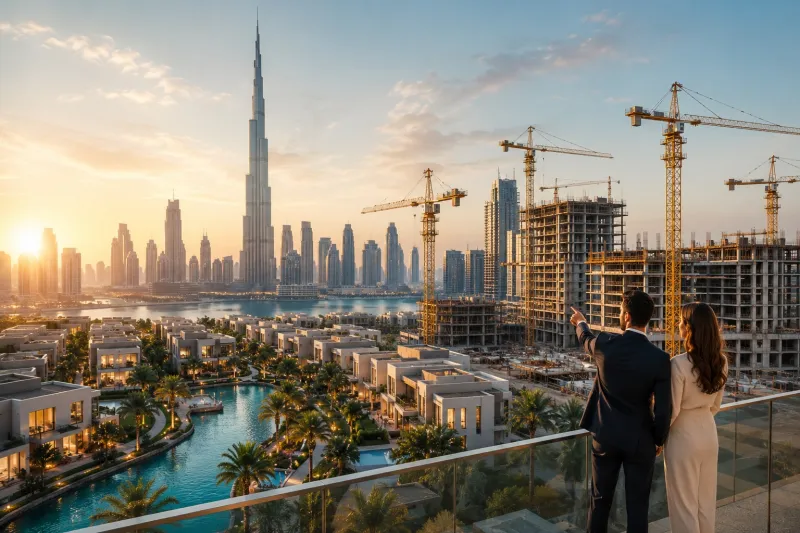
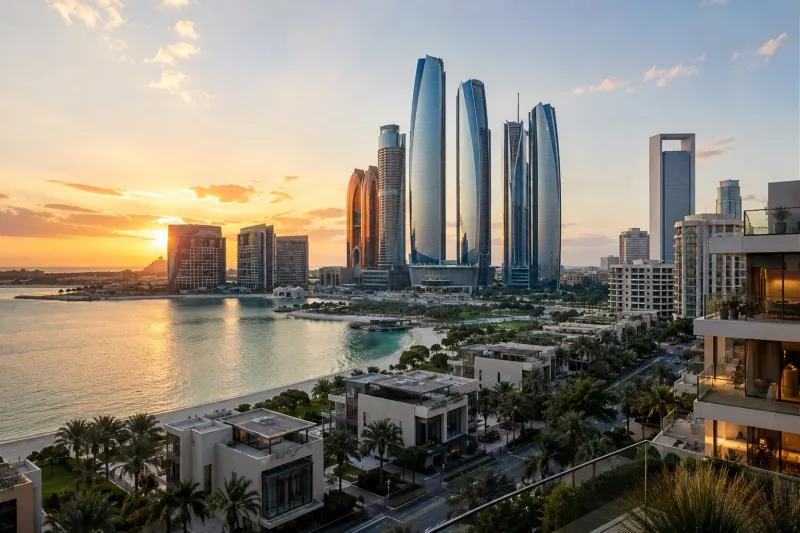
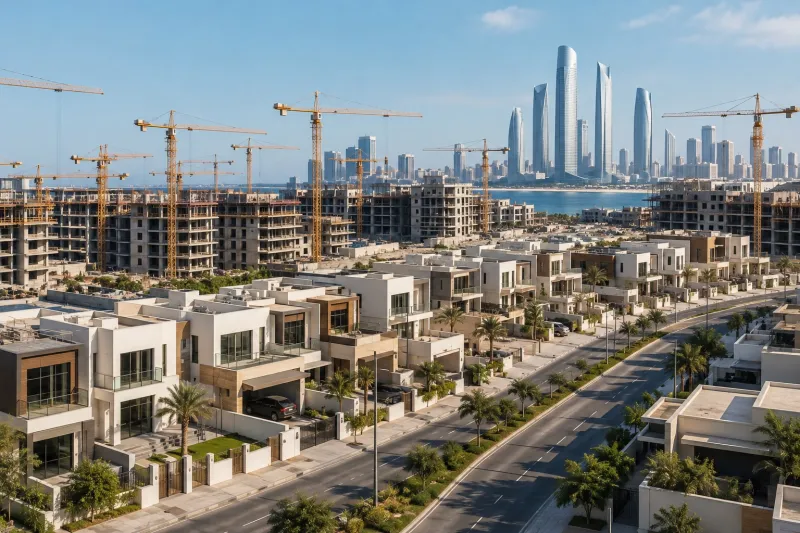
Ongoing and planned infrastructure projects reinforce real estate fundamentals. Major developments on Saadiyat Island, Yas Island and Al Maryah Island, along with transport upgrades and airport expansion, are widening the scope for new residential and commercial offerings. Developers are increasingly focused on master-planned communities that leverage public amenities and transit-oriented design.
Yield, pricing and rental growth
Investor returns vary by asset class and location. Prime residential assets deliver lower yields but strong capital appreciation potential, while suburban rental properties offer higher initial yields supported by steady occupancy. Recent market indicators show moderate price appreciation in prime zones and healthy rental growth in family-centric neighborhoods, making hold strategies attractive for income-focused investors.
Risks and considerations for investors
Despite positive momentum, investors should weigh several risks: potential interest rate volatility, project delivery timelines, and pockets of oversupply in certain micro-markets. Regulatory changes and currency exposure for international buyers also merit attention. Diligent due diligence, diversified allocation across property types and alignment with professional local partners can mitigate these risks.
Focused on delivering informative, accessible content