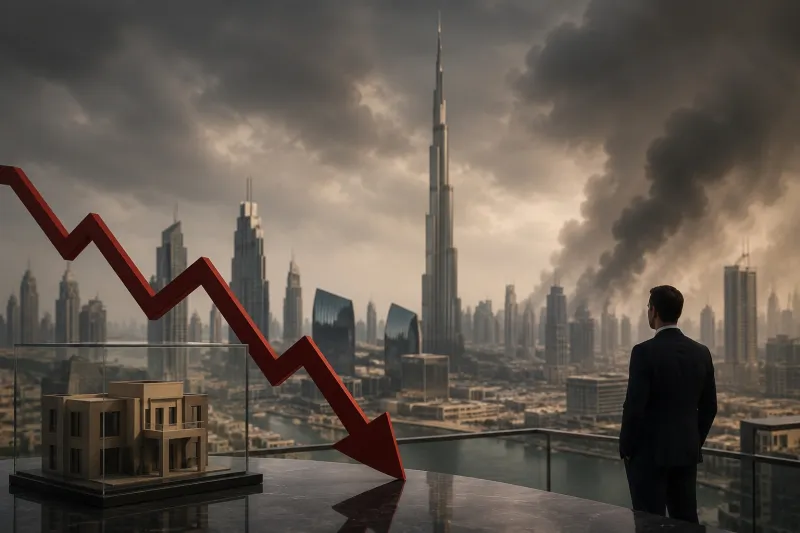
Dubai property market cools as regional conflict chills buyer sentiment
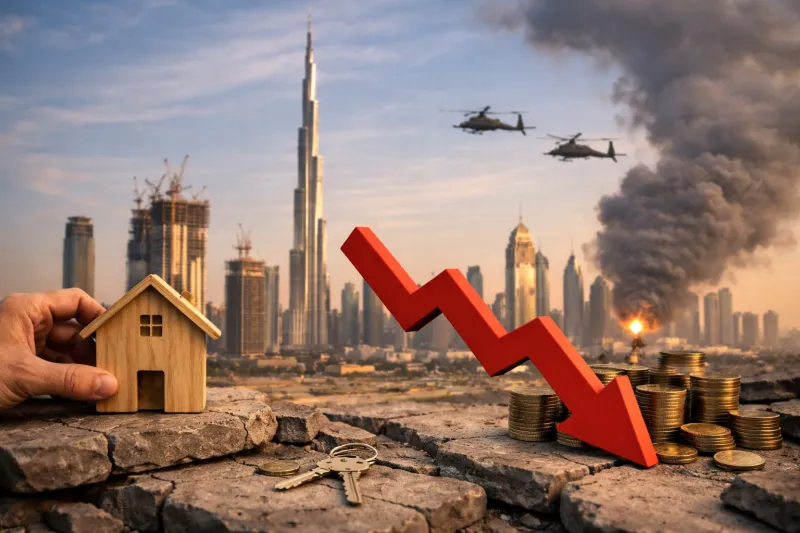
Dubai's real estate market has entered a period of pronounced slowdown as uncertainty from a nearby regional conflict filters into buyer behavior, transaction volumes and developer strategies. What had been a post-pandemic rebound driven by international demand and strong investor appetite is now showing signs of fatigue as buyers reassess risk, timelines and financing amid heightened geopolitical tension.
- Market slowdown overview
- Buyer sentiment and risk aversion
- International demand softening
- Luxury segment versus mid-market
- Rents and the leasing market
- Developer response and inventory
- Financing and credit conditions
- Economic and tourism link
- Policy, regulation and government support
- Implications for investors and market outlook
Market slowdown overview
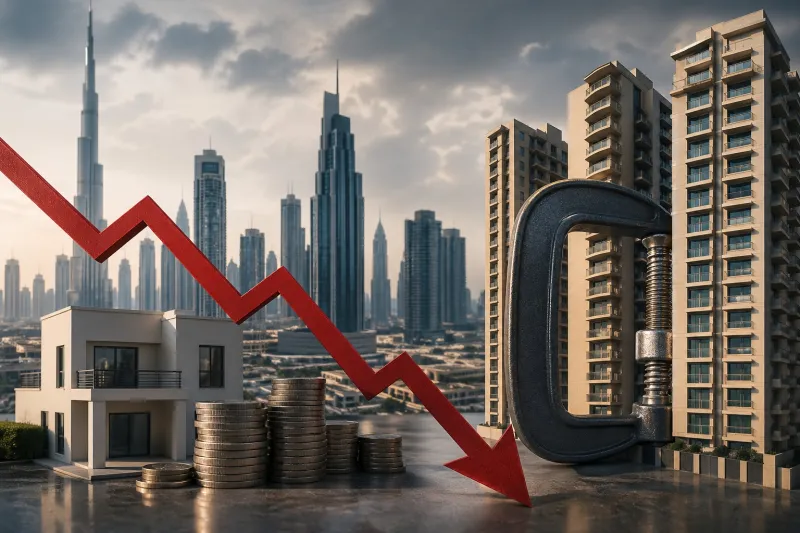
The market slowdown is visible across key indicators: fewer closed deals, longer listing times and a flattening of headline price growth. Transaction volumes in both primary and secondary markets have fallen compared with the previous quarter, while asking prices are increasingly met with counteroffers rather than immediate bids. Analysts describe the current phase as a pause rather than a structural collapse, but the pace of activity has clearly moderated.
Buyer sentiment and risk aversion
Buyer sentiment has shifted toward caution. Prospective purchasers, both occupiers and investors, are delaying decisions, seeking greater clarity on safety and economic outlook before committing capital. Risk aversion is manifesting as longer due diligence processes, requests for lower prices, and increased demand for flexible payment plans or post-handover payment structures.
International demand softening
International buyers, who were a major growth engine for Dubai, have tempered activity. Travel disruptions, visa uncertainty, and geopolitical risk have reduced physical site visits and slowed cross-border transactions. Markets that typically supply buyers in Western Europe, parts of Asia, and the GCC are showing a noticeable drop in inquiries, while some prospective foreign investors opt to reallocate capital to perceived safer havens until volatility eases.
Luxury segment versus mid-market
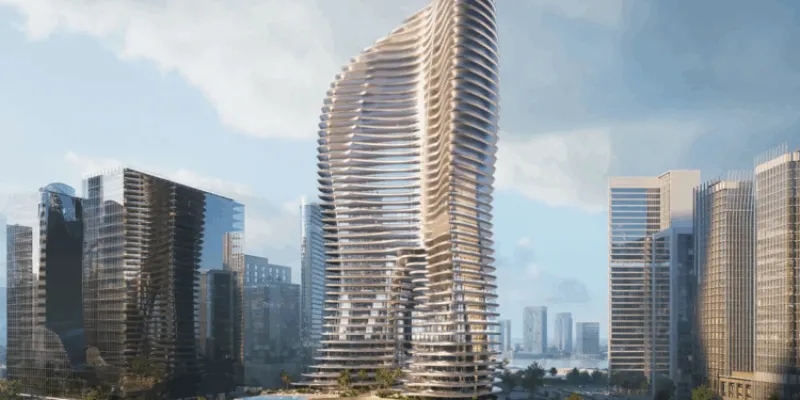
The impact varies by segment. Ultra-prime beachfront and iconic tower assets still attract interest from well-heeled buyers seeking long-term safe assets, but even that pool is smaller and more selective. The mid-market and affordable segments are seeing constrained demand as end-users postpone purchases in the face of job and income uncertainty. Developers with diversified portfolios are therefore feeling uneven pressure across product types.
Rents and the leasing market
The leasing market shows early signs of softening as short-term corporate relocations and tourist-linked demand dip. Landlords in popular districts are offering incentives such as rent-free periods or maintenance packages to retain tenants. At the same time, rental yields remain an important draw for investors who can buy at attractive discounts, creating selective buying opportunities for those with liquidity.
Developer response and inventory
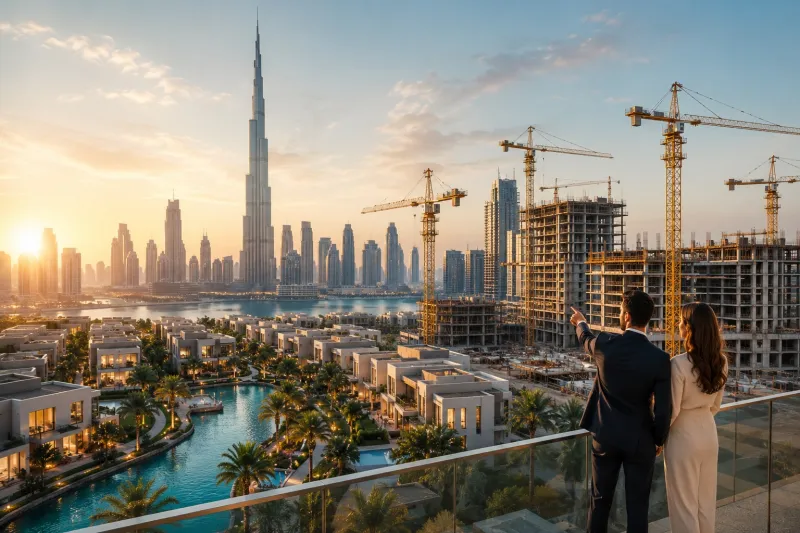
Developers are responding by adjusting launch schedules, slowing construction starts and beefing up marketing incentives to convert hesitant buyers. Many projects with unsold inventory have seen pricing reviews and more aggressive payment plans, including extended post-handover terms. The tactical shift aims to manage cash flow while avoiding sharp markdowns that would depress broader market sentiment.
Financing and credit conditions
Banks and mortgage providers have become more selective, with stricter affordability checks and, in some cases, higher down-payment requirements for foreign buyers. Approval timelines have lengthened as lenders factor geopolitical risk into underwriting. For buyers reliant on credit, this tightening amplifies the decision to wait, while cash-rich investors gain relative bargaining power in negotiations.
Economic and tourism link
Dubai's property market remains closely linked to tourism and broader economic flows. Any drop in visitor numbers or corporate travel reduces short-term rental demand and impacts developer confidence in hospitality-branded residences. Conversely, sustained government spending on infrastructure and trade facilitation could mitigate some negative effects, but the near-term correlation with tourism performance is pronounced.
Policy, regulation and government support
Authorities have tools to smooth volatility and have historically used measures such as liquidity support, adjustments to visa policy and regulatory changes to sustain investor confidence. In the current environment, targeted incentives for long-stay visas, stamp duty tweaks or streamlined processes for property transfers can help restore momentum, while transparency on security and travel protocols supports buyer reassurance.
Implications for investors and market outlook
For investors, the slowdown creates both risk and selective opportunity. Short-term price weakness can offer entry points for those with a long horizon and secure financing, while speculative buyers face elevated risk. Monitoring indicators, such as transaction volumes, inventory days on market, rental vacancy, and lending standards, will be critical. Market recovery may hinge on a combination of geopolitical de-escalation, stable macro conditions, and renewed international mobility.
Focused on delivering informative, accessible content