Abu Dhabi rises as investors eye property amid UAE real estate diversification
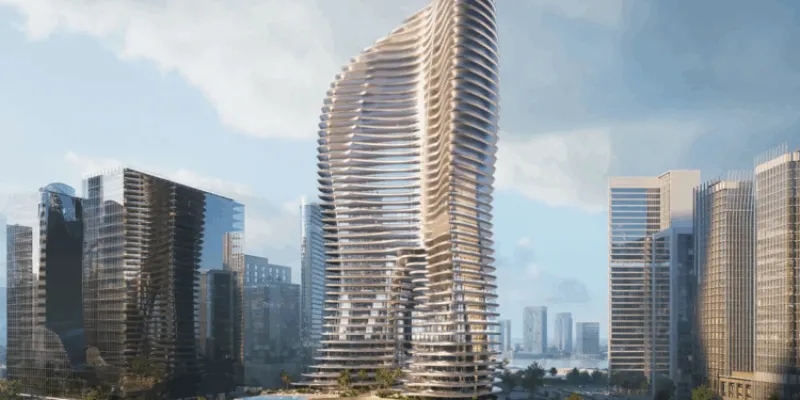
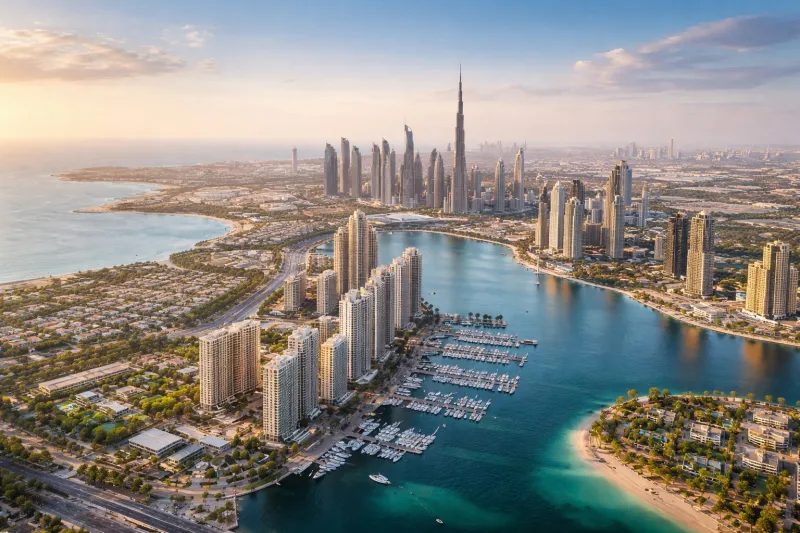
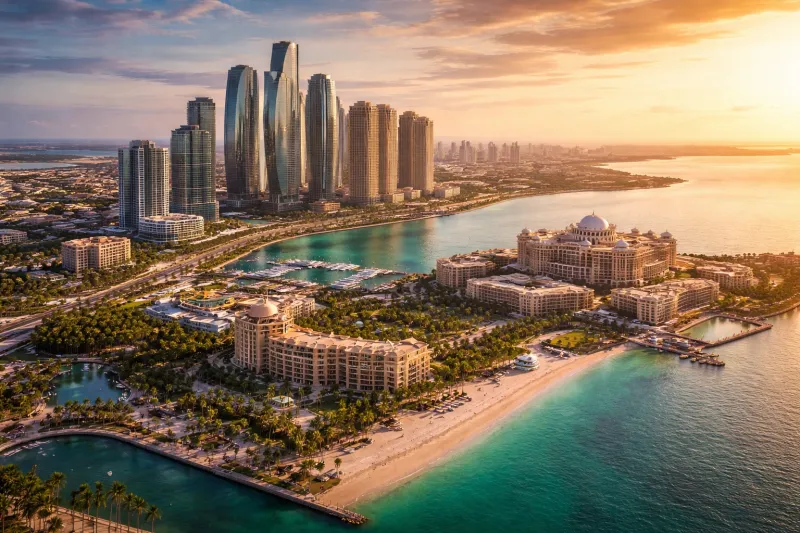
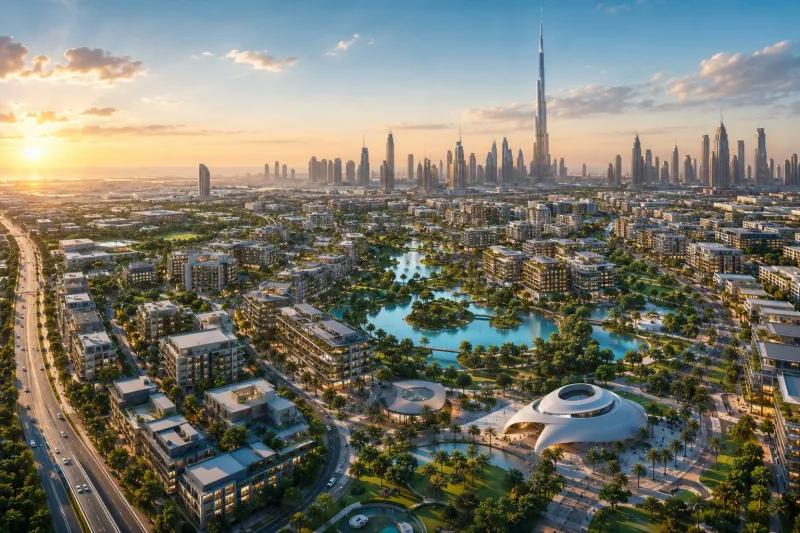
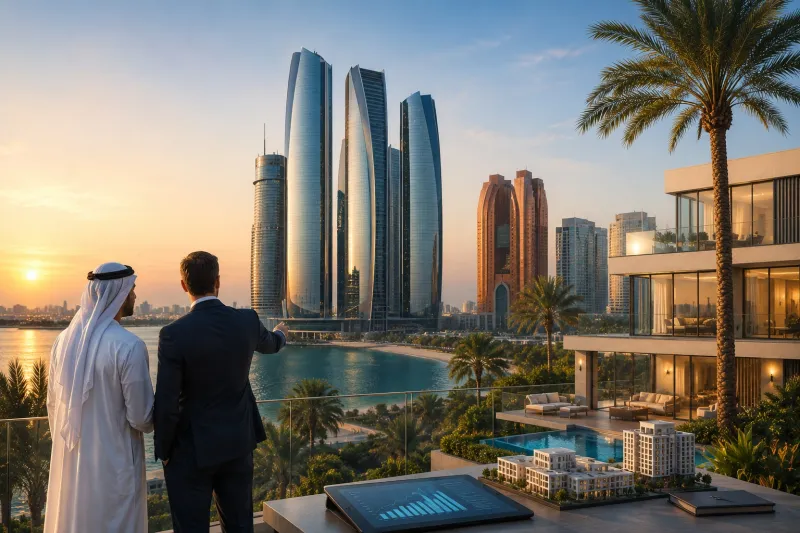
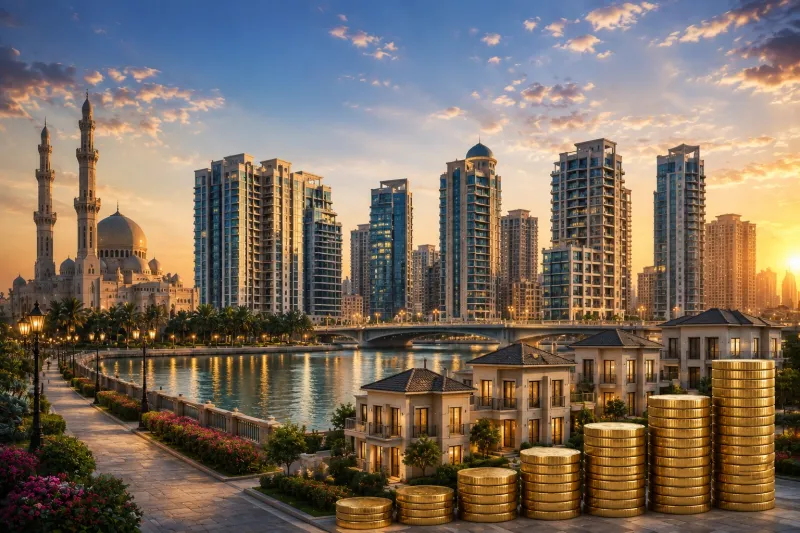
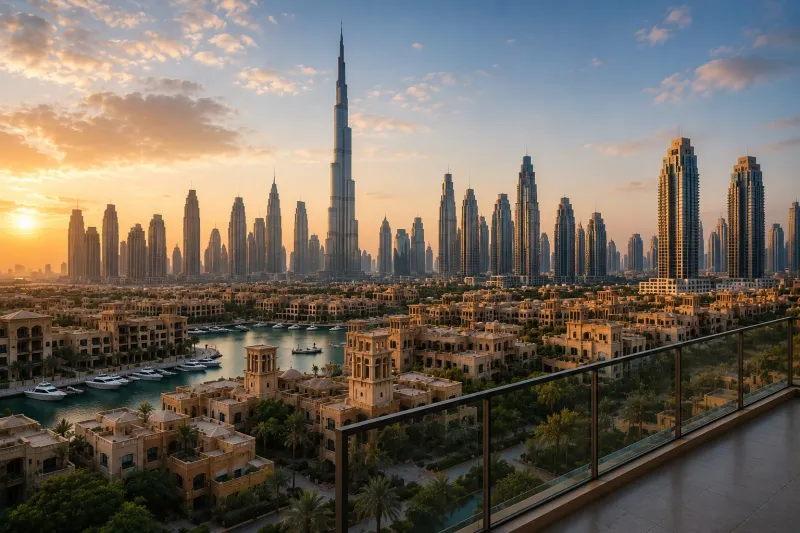
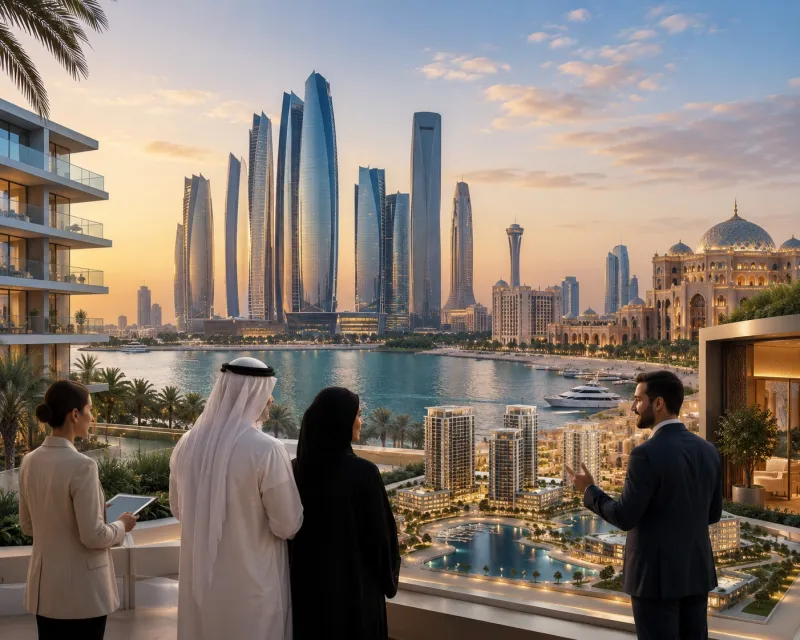
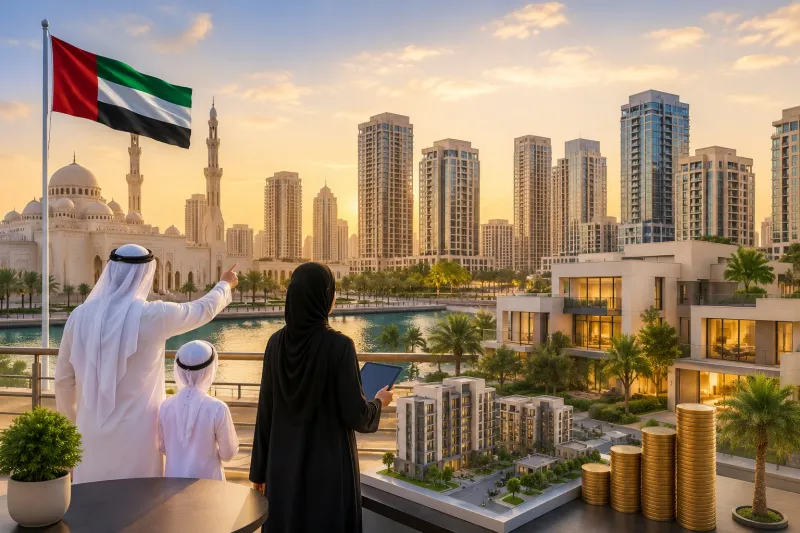
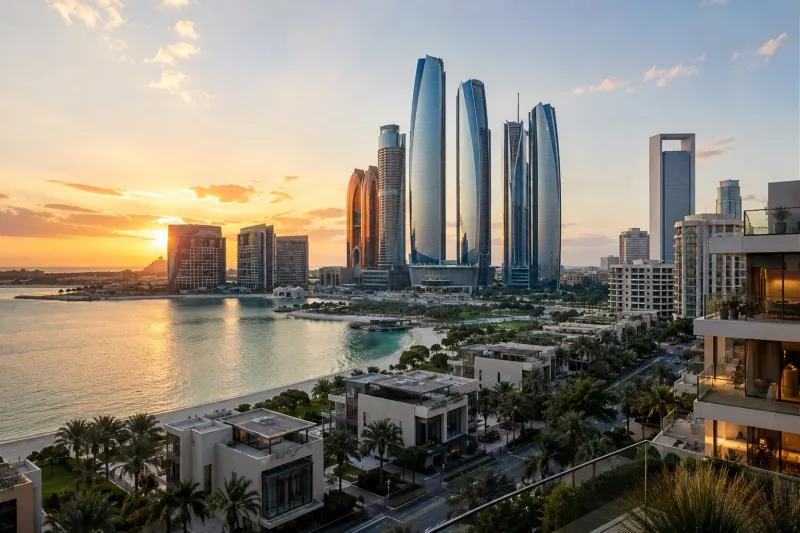
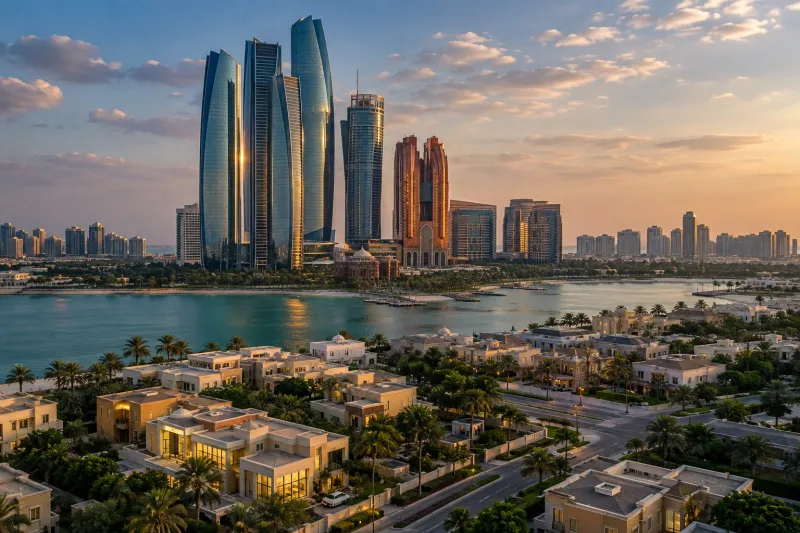
Abu Dhabi's property market is drawing renewed investor attention as the United Arab Emirates' broader real estate landscape diversifies beyond Dubai. A mix of policy reforms, large-scale infrastructure projects and a focus on sustainability has put the emirate in the spotlight for both domestic and international buyers seeking stability and long-term appreciation.
- Market backdrop and momentum
- Policy changes and investor-friendly reforms
- Diversification away from Dubai
- Key investment zones in Abu Dhabi
- Commercial and mixed-use development trends
- Residential segments: luxury to affordable
- Sustainability and smart-city influence
- Financing dynamics and yield expectations
- Risks and headwinds investors should consider
- Outlook: what investors are watching next
Market backdrop and momentum
After a period of uneven performance across the region, Abu Dhabi's property market is showing clearer signs of momentum. Strong fiscal buffers, continued government spending and a steady rise in non-oil activity have supported demand for both residential and commercial space. Investors are now assessing Abu Dhabi as a counterpoint to the more volatile cycles seen elsewhere in the Gulf.
Policy changes and investor-friendly reforms
Recent regulatory and policy shifts have strengthened Abu Dhabi's investment case. Measures such as expanded foreign ownership opportunities in designated zones, improved mortgage availability and long-term visa options have reduced barriers to entry. Golden visa pathways and other residency incentives tied to property investment have also made the emirate more attractive to overseas capital.
Diversification away from Dubai
While Dubai remains a global magnet for real estate capital, investors are increasingly looking at Abu Dhabi as a diversification strategy within the UAE. Factors driving the shift include Abu Dhabi's perceived price discipline, different supply pipelines, and a preference among some investors for the emirate's measured urban planning and lower volatility.
Key investment zones in Abu Dhabi
Several precincts are commanding investor interest due to location, amenities, and project quality:
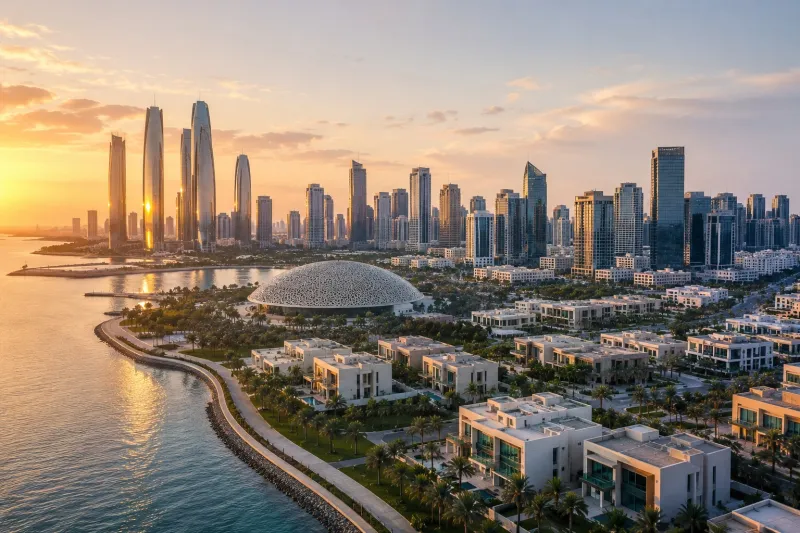
- Saadiyat Island: cultural and beachfront luxury developments.
- Yas Island: entertainment, leisure and tourism-driven rental demand.
- Al Reem and Al Maryah: urban mixed-use hubs with strong rental markets.
- Masdar City: sustainability-focused projects attracting green capital.
Commercial and mixed-use development trends
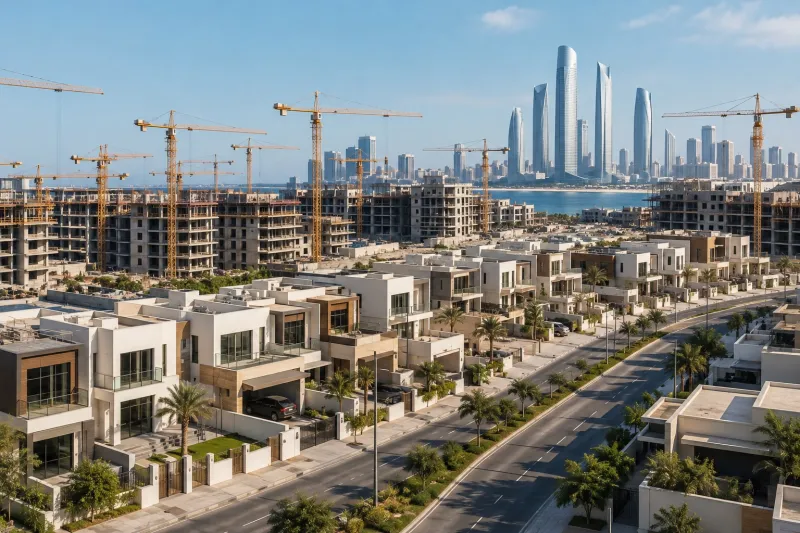
Beyond residential, Abu Dhabi is expanding its commercial footprint with modern office precincts, retail destinations and integrated mixed-use schemes. Demand from multinational companies, financial services and specialized healthcare providers is supporting pre-leasing activity, while mixed-use models that combine living, working and leisure are appealing to institutional developers.
Residential segments: luxury to affordable
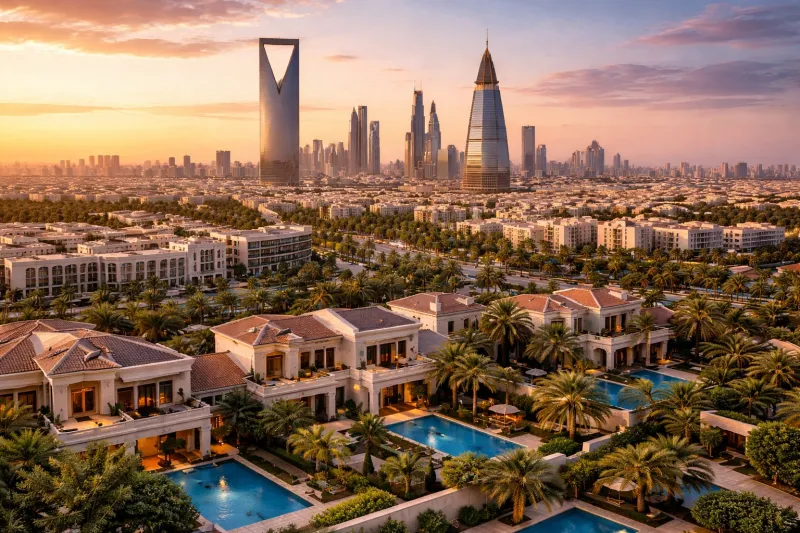
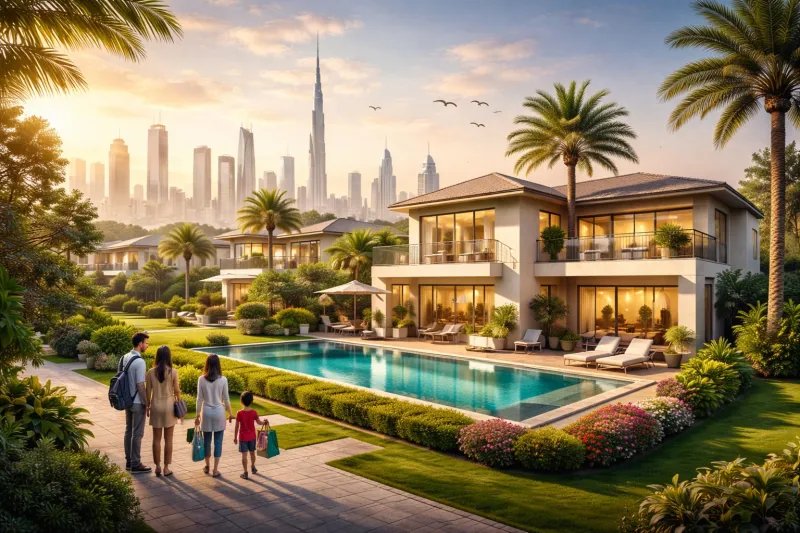
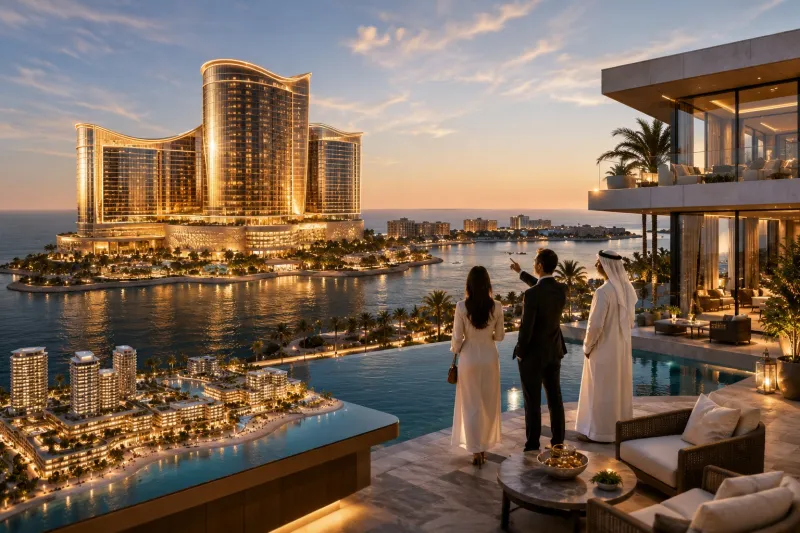
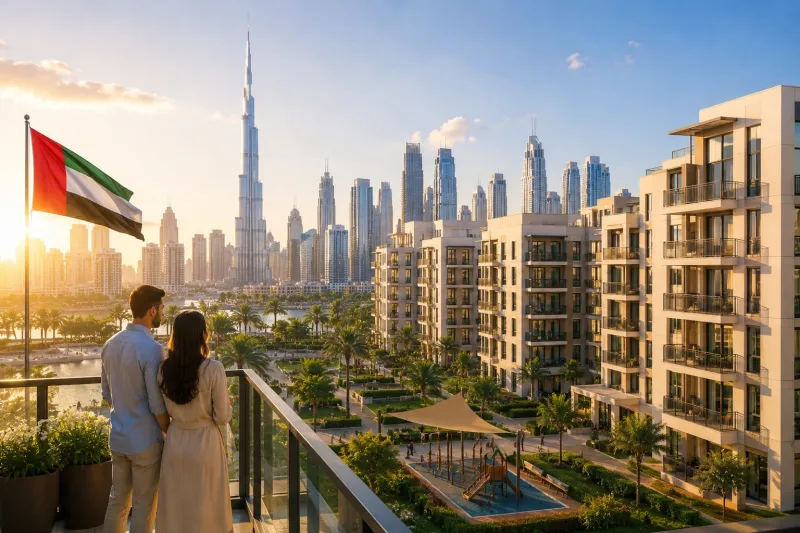
The emirate's residential market is diverse, spanning high-end beachfront villas and apartments to mid-market and affordable housing. Luxury product on Saadiyat and Al Maryah commands premium pricing and strong buyer interest, whereas areas such as Mohammed bin Zayed City and Khalifa City offer more accessible price points that appeal to families and local residents seeking rental yield and stability.
Sustainability and smart-city influence
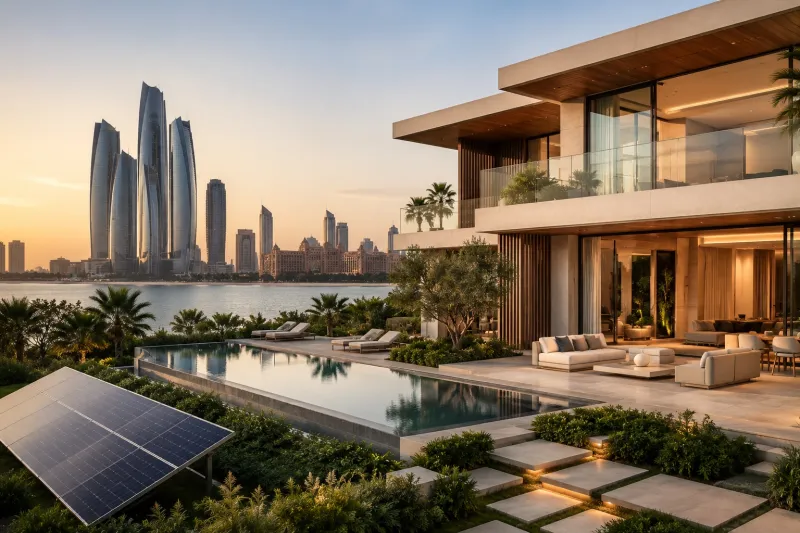
Abu Dhabi's emphasis on sustainable urbanism, most notably through Masdar City and green building regulations, is attracting ESG-conscious investors. Projects that integrate energy efficiency, walkability and digital infrastructure are increasingly prioritized by developers and tenants alike, aligning real estate assets with long-term regulatory and market expectations.
Financing dynamics and yield expectations
Financing availability and lending terms are improving, with domestic banks offering competitive mortgage products and increasing appetite for real estate lending. Investors weigh rental yields and total returns against risk, with many viewing Abu Dhabi as offering competitive yields relative to peers when adjusted for stability and lower vacancy in core locations.
Risks and headwinds investors should consider
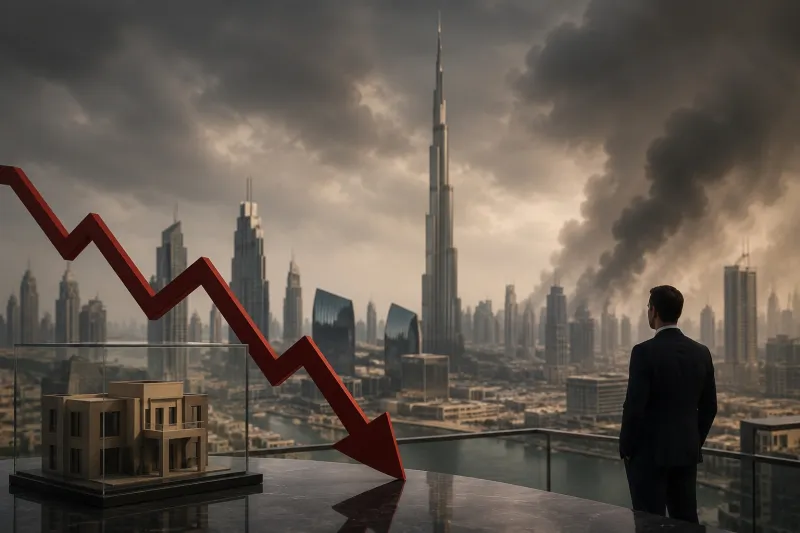
Despite positives, several risks persist: regional geopolitical tensions, the cyclical nature of global capital flows, potential overbuilding in certain segments and sensitivity to interest-rate movements. Currency risk is limited due to the dirham's peg to the US dollar, but investors must still account for policy shifts, project delivery timelines and tenant demand dynamics.
Outlook: what investors are watching next
Going forward, investors will monitor the delivery of high-profile projects, transparency in transaction data, and the pace of regulatory reforms that affect foreign ownership and taxation. The growing role of institutional capital, emergence of REIT structures and continued focus on sustainability are likely to shape market composition and investment strategies in the coming years.
Focused on delivering informative, accessible content