Dubai property values slide as rental market comes under pressure
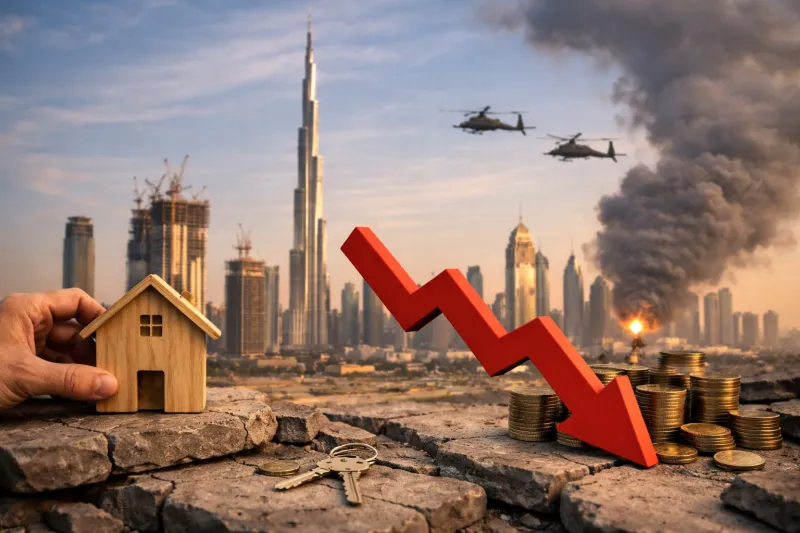
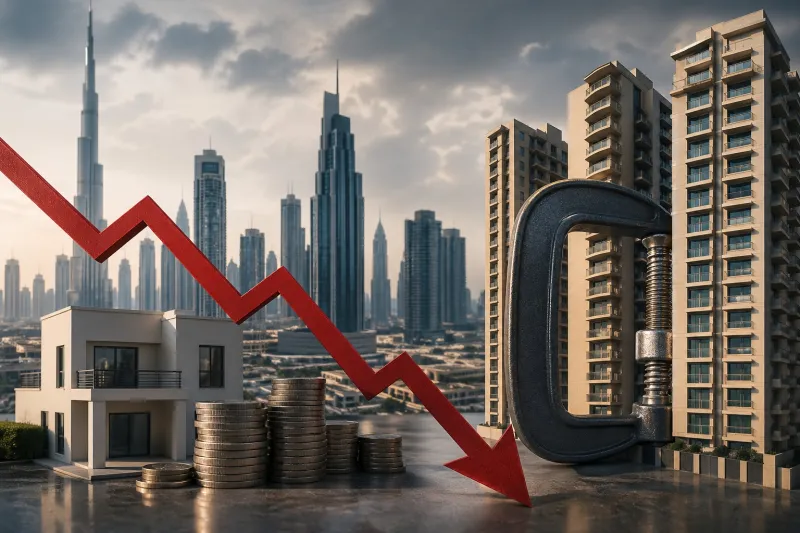
The Dubai real estate market is showing signs of cooling as property values decline while the rental sector faces mounting pressure. A combination of rising supply, shifting demand patterns, and tighter financing conditions is prompting owners and investors to reassess pricing and strategy across key residential segments.
- Market overview
- Rental yields and tenant affordability
- Supply and demand imbalance
- Investor sentiment and sales activity
- Population trends and expatriate dynamics
- Tourism, short-term rentals and regulatory impacts
- Financing and mortgage market conditions
- Developer responses and incentives
- Neighborhood performance varies
- Buyer strategies and market opportunities
Market overview
The latest data from brokers and valuation firms indicate that average residential property prices in Dubai have fallen by several percentage points year-on-year in many submarkets. While the city experienced a strong rebound after global disruptions, that momentum has slowed as new listings increase and fewer tenants are willing to absorb higher rents.
Rental yields and tenant affordability
Rental yields, once a major draw for foreign investors, are compressing. In areas with heavy new supply the gap between asking rents and affordable market rents is widening, forcing landlords to offer concessions. Tenants are citing affordability as a key concern, particularly in mid-market neighborhoods where wage growth has not kept pace with previous rent increases.
Supply and demand imbalance
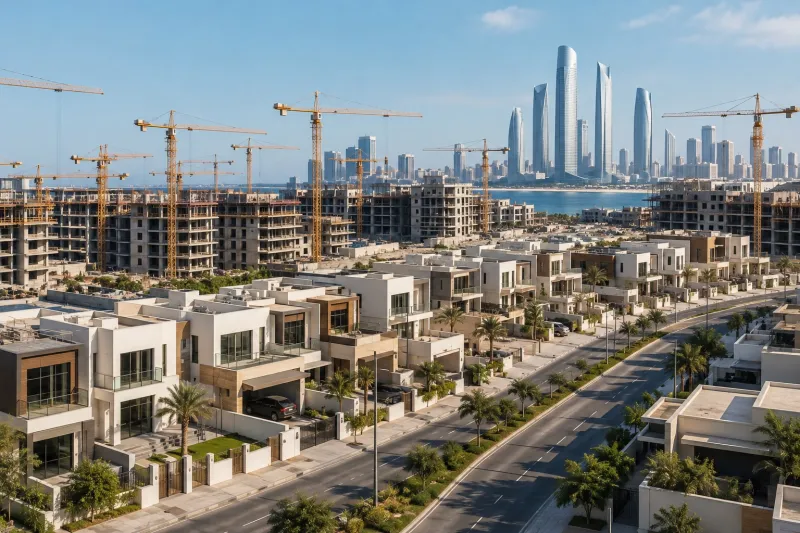
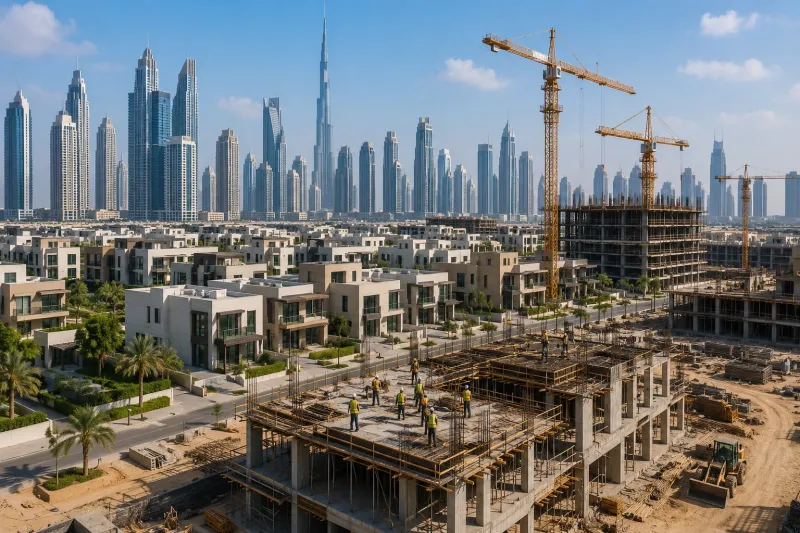
Developers have delivered a steady pipeline of apartment and villa units over recent quarters. This influx of new stock, combined with a slowdown in net inward migration compared with prior years, has created a supply-demand mismatch. Vacancy rates have ticked up in several segments, putting downward pressure on both rents and capital values.
Investor sentiment and sales activity
Investor sentiment is shifting from speculative buying to a more cautious stance. Sales volumes have moderated, with many investors preferring to wait for clearer signs of market stabilization. Transactions are increasingly price-sensitive, and negotiated discounts are more common than in the recent boom phase.
Population trends and expatriate dynamics
Dubai's population composition influences rental demand significantly. Recent policy changes, visa adjustments, and global mobility trends have altered expatriate inflows and durations of stay. These demographic shifts mean landlords in certain segments are seeing shorter lease terms and greater turnover, which elevates marketing and refurbishment costs.
Tourism, short-term rentals and regulatory impacts
The recovery in tourism helped fuel short-term rental demand post-pandemic, but regulatory tightening and increased competition from purpose-built hospitality developments are changing the picture. Owners who relied on Airbnb-style returns now face more stringent operating rules and variable occupancy rates, reducing effective yields.
Financing and mortgage market conditions
Global interest-rate shifts and local lending criteria have affected buyer affordability. Banks have adjusted loan-to-value ratios and lending fees, making mortgages slightly more expensive for some segments. As borrowing costs rise, buyers are more conservative, which dampens demand for higher-priced homes and slows price growth.
Developer responses and incentives
To maintain sales momentum, many developers are introducing incentives such as extended payment plans, post-handover schemes, and fit-out allowances. These packages help clear stock but also signal a buyer's market where sellers must provide added value to attract purchasers. Price negotiations increasingly factor such incentives into final transaction values.
Neighborhood performance varies
Prime waterfront and ultra-luxury locations have been more resilient, supported by HNW buyers and limited new supply. By contrast, mid-market and some suburban communities are seeing larger declines as supply there is more abundant. The divergence means localized analysis is crucial for anyone assessing market exposure or seeking opportunities.
Buyer strategies and market opportunities
Against the current backdrop, buyers and investors are adapting strategies: focusing on cash-flow-positive assets, seeking value buys in well-located projects, or pursuing redevelopment opportunities where zoning permits. Distressed listings and motivated sellers can create entry points, while longer-term investors evaluate fundamentals such as employment growth and infrastructure projects that underpin future demand.
Focused on delivering informative, accessible content