Abu Dhabi’s property sector anchors the UAE’s real estate growth
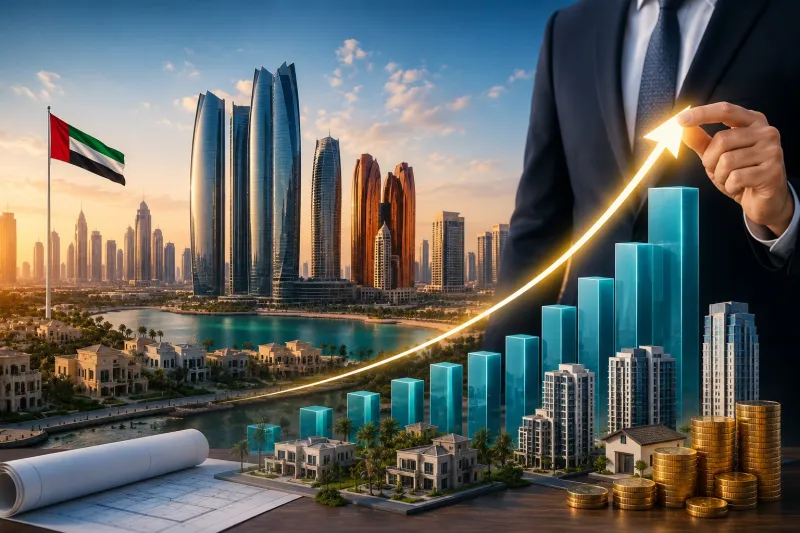
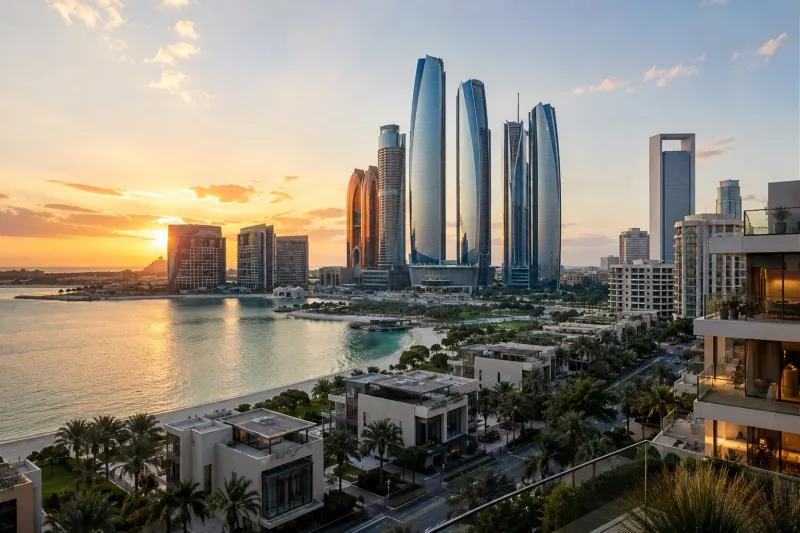
Abu Dhabi has emerged as a central pillar of the UAE’s broader real estate expansion, blending strategic public investment, regulatory reform and targeted private-sector development. This article examines the drivers, segments and policy frameworks that position Abu Dhabi’s property market as an anchor for nationwide growth, while highlighting opportunities and risks shaping the near-term outlook.
- Role of Abu Dhabi within the UAE property landscape
- Macro drivers supporting sustained demand
- Government policy and regulatory framework
- Sovereign and institutional capital as market anchors
- Residential market dynamics and affordability considerations
- Commercial and office sector evolution
- Industrial, logistics and free zone development
- Tourism, hospitality and events as catalysts
- Foreign investment, residency reforms and market access
- Risks and structural challenges to watch
Role of Abu Dhabi within the UAE property landscape
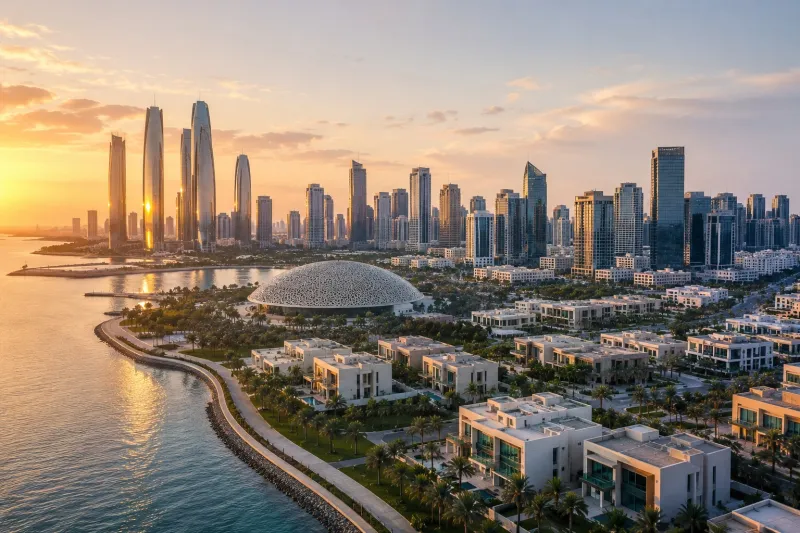
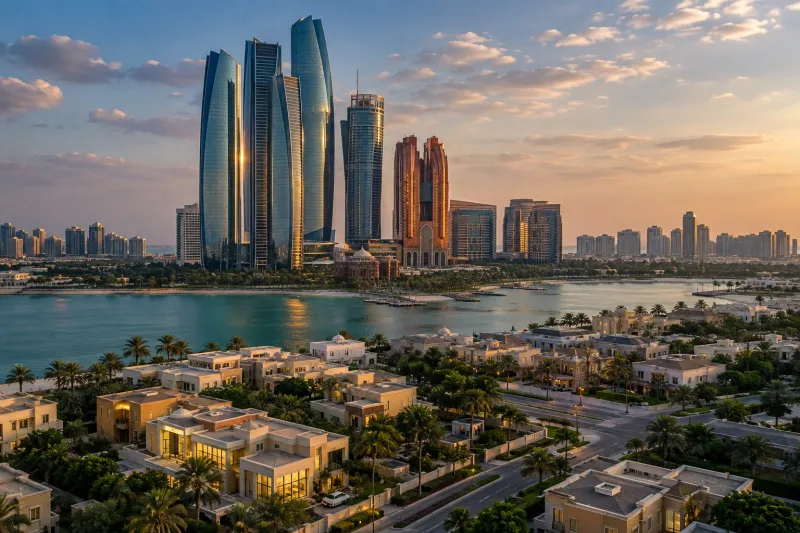
Abu Dhabi complements Dubai’s global city profile by offering large-scale master-planned developments, government-led urban renewal and a long-term fiscal capacity to underwrite infrastructure. While Dubai often captures headlines for transaction velocity and tourism-facing projects, Abu Dhabi provides stability through diversified use cases: government campuses, residential neighbourhoods, industrial zones and cultural precincts. Together, both emirates create a complementary national real estate ecosystem that attracts domestic and international capital.
Macro drivers supporting sustained demand
Several macro factors underpin demand in Abu Dhabi: a stable sovereign balance sheet, rising population from workforce growth, and strategic economic diversification away from hydrocarbons. Visa reforms, business-friendly company laws and ongoing investment in healthcare, education and transport infrastructure are pulling both corporate tenants and families into the market. Low global interest rate cycles (relative to some regions) and recovering oil revenues also strengthen investor confidence in medium-term returns.
Government policy and regulatory framework
Abu Dhabi’s proactive policy agenda has focused on transparency, land-use clarity and streamlined permitting to accelerate delivery. Authorities have introduced targeted incentives for developers, clearer tenure rules for freehold and leasehold ownership, and enhanced dispute resolution mechanisms. Public-private partnerships and sovereign-backed investment vehicles play a major role in de‑risking large infrastructure and mixed-use schemes that would otherwise be challenging for private capital alone.
Sovereign and institutional capital as market anchors
Sovereign wealth funds and state-backed entities are central to Abu Dhabi’s real estate momentum. By committing capital to strategic precincts and master developments, these institutions provide liquidity and credibility, attracting further private and foreign institutional investors. Their role extends beyond financing: they often shape long-term city masterplans, anchor cultural and educational institutions, and set high standards for sustainability and placemaking that raise market benchmarks.
Residential market dynamics and affordability considerations
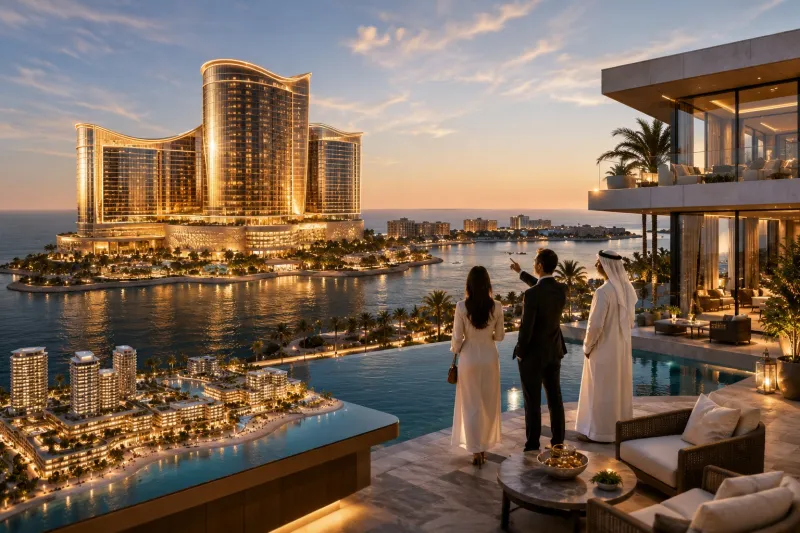
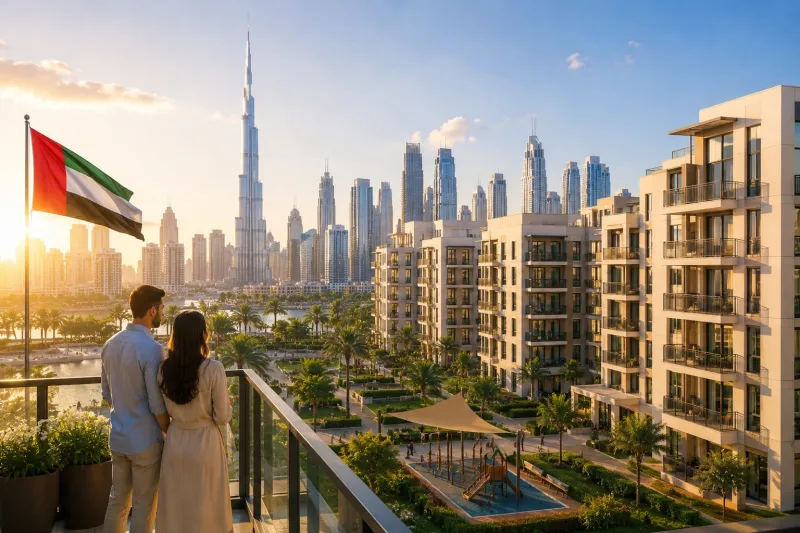
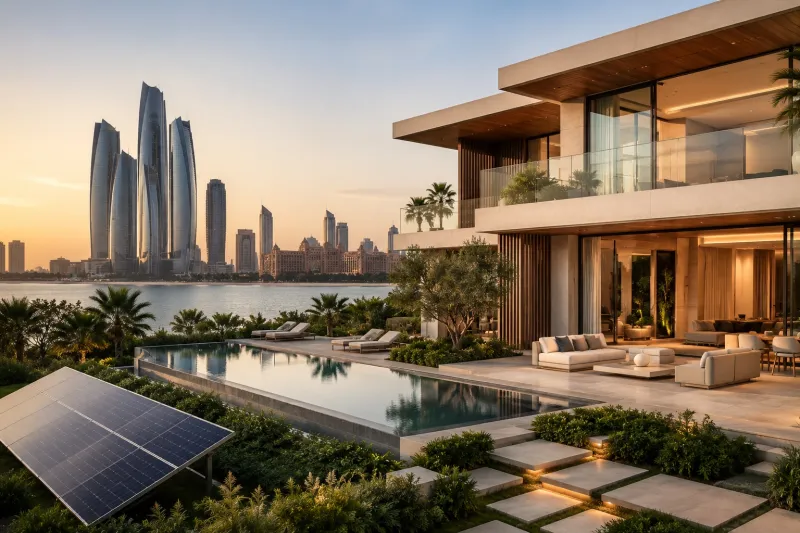
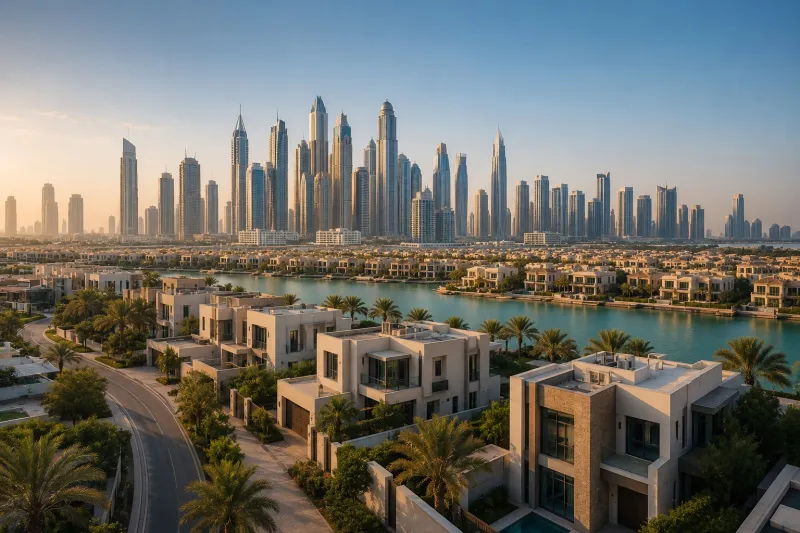
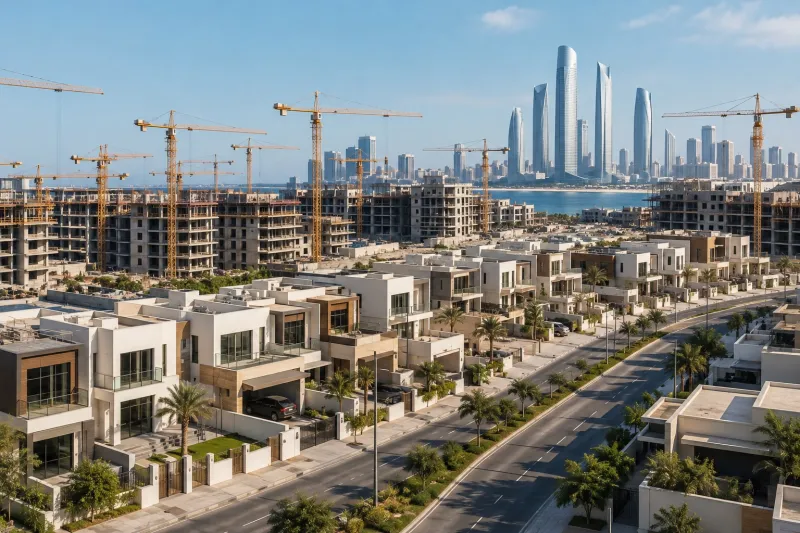
The residential segment in Abu Dhabi exhibits a mix of high-end island developments and more affordable suburban communities. Demand drivers include expatriate professionals, government employees, and returning nationals seeking modern housing. Developers are responding with diversified product mixes, apartments, townhouses, and villas, and with flexible payment plans to address affordability. Nevertheless, localized supply imbalances can create pricing pressure in attractive neighborhoods, prompting targeted policy responses.
Commercial and office sector evolution
Abu Dhabi’s office market has evolved from traditional government and oil-sector tenancy to a broader mix of tech firms, financial services and professional services hubs. New business districts and innovation zones are attracting co-working operators and corporate satellite offices. Landlords are upgrading building services and digital infrastructure to meet modern workspace expectations, while leasing strategies increasingly emphasize short-term flexibility and amenity-led value propositions.
Industrial, logistics and free zone development
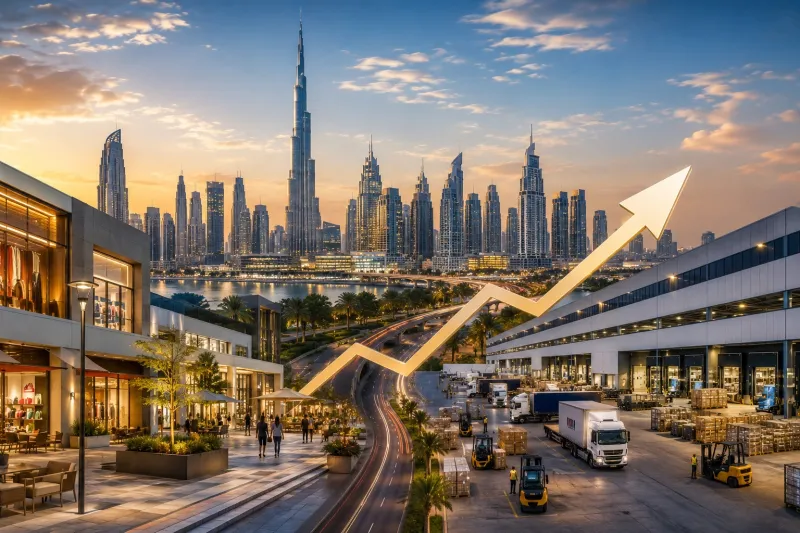
Logistics and industrial real estate are growth hotspots as Abu Dhabi leverages its geographic position and port infrastructure. Expansion of free zones, warehousing clusters and light-industrial parks supports the emirate’s manufacturing, trade and e-commerce ambitions. Developers are investing in last-mile logistics, cold-chain facilities and integrated supply-chain campuses, creating durable rental demand from both domestic and regional operators.
Tourism, hospitality and events as catalysts
Major cultural assets, luxury resorts and international events bolster hospitality-driven real estate activity. Projects linked to cultural tourism, such as museums and beachfront resorts, stimulate adjacent residential and retail development. Temporary spikes in demand around festivals and conferences can catalyze longer-term investment in mixed-use precincts, while demonstrated occupancy performance helps justify new hotel and serviced-apartment supply.
Foreign investment, residency reforms and market access
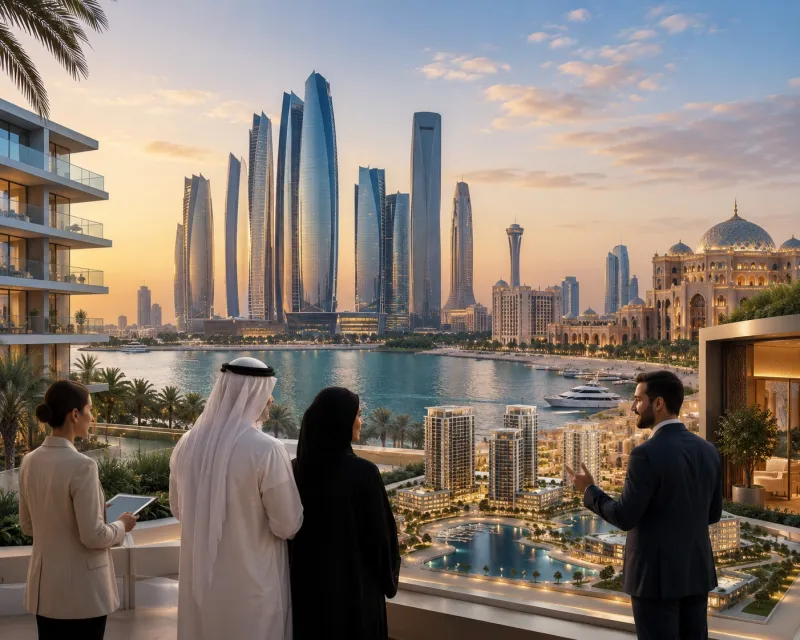
Recent reforms, long-term residency options, easier business setup, and expanded foreign ownership rules have widened the pool of buyers and corporate tenants. These changes reduce barriers for high-net-worth individuals and institutional investors seeking exposure to Gulf real estate. Enhanced transparency and data disclosure measures also make valuation and risk assessment more reliable for cross-border capital.
Risks and structural challenges to watch
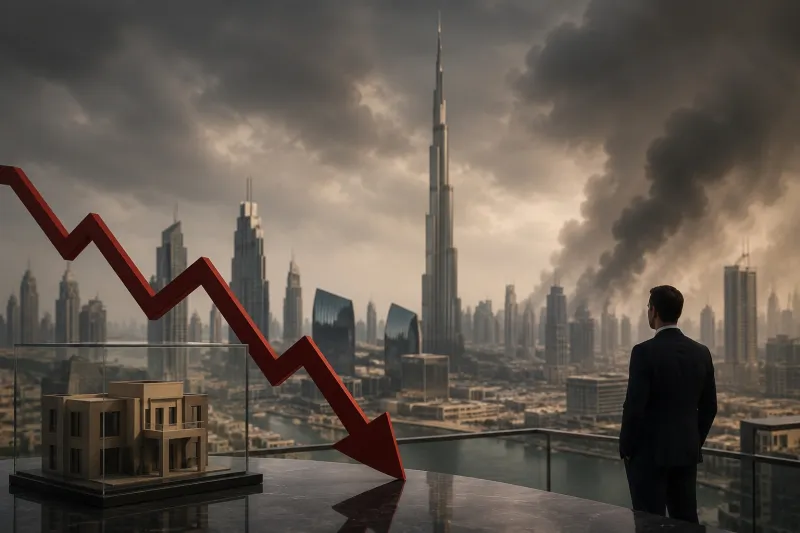
Despite positive momentum, Abu Dhabi’s property market faces several risks: potential oversupply in specific segments, sensitivity to global capital flows, and the need to integrate sustainability standards at scale. Developers and policymakers must balance rapid delivery with quality, ensure affordable housing pipelines, and prepare for evolving climate and energy regulations. Close monitoring of leasing trends, vacancy rates and financing conditions will be essential to sustain healthy growth.
Focused on delivering informative, accessible content