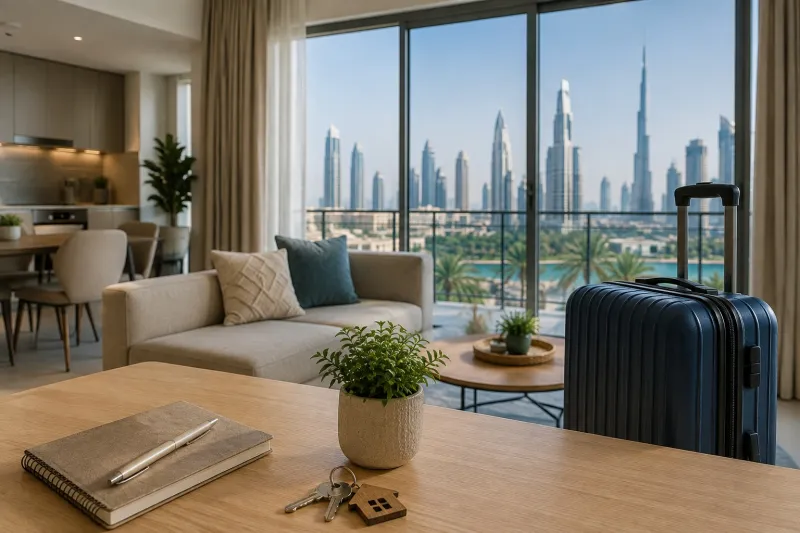
The UAE is witnessing a clear shift in residential preferences as more residents opt for monthly rental agreements. Driven by changing work patterns, increased mobility, and a desire for lower upfront costs, this trend is reshaping how people live, how landlords market properties, and how platforms facilitate accommodation in major emirates.
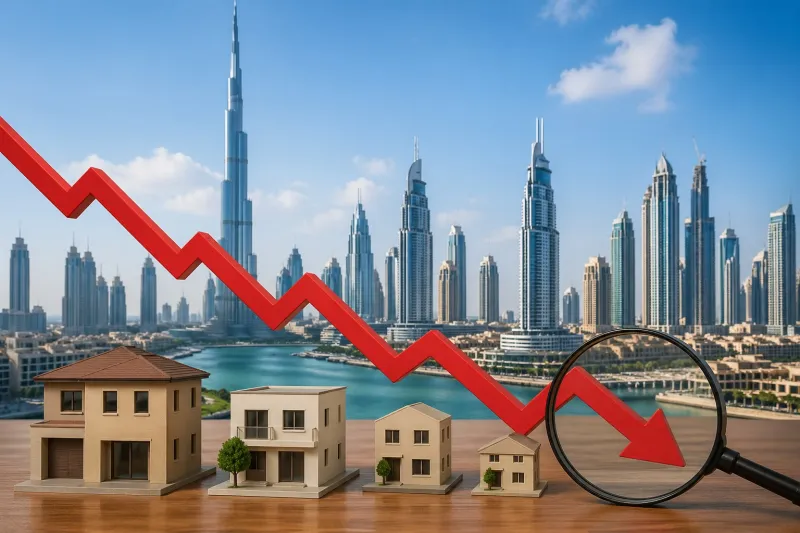
In 2026 Dubai's rental market shifted from the rapid inflation seen in the previous two years to a noticeable cooling, with several areas registering the largest price drops. Tenants, landlords and investors are recalibrating expectations as supply, changing demand patterns and macroeconomic pressures reshape neighbourhoods across the emirate.
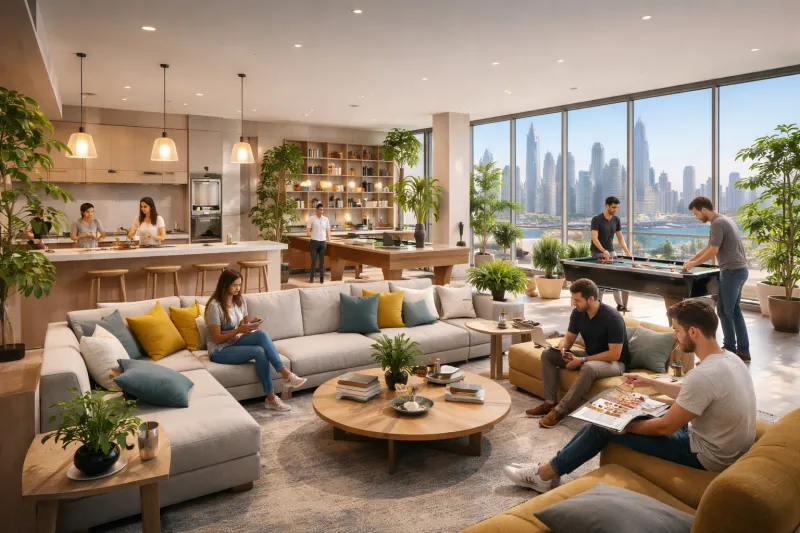
As the UAE property market enters 2026, digital property search patterns reveal a significant shift in how residents, especially expatriates, young professionals, and newcomers, approach rental housing. With rising rents, changing regulations, and expanding housing supply, demand for affordable room rentals, flat sharing, and co-living arrangements is accelerating alongside traditional apartment leasing.

As 2025 draws to a close, the UAE’s holiday homes sector remains one of the standout performers in the real estate and tourism landscape. The shift towards short-term rentals has continued throughout the year, with more travellers choosing private homes over hotels, supporting sustained year-on-year growth across key destinations.