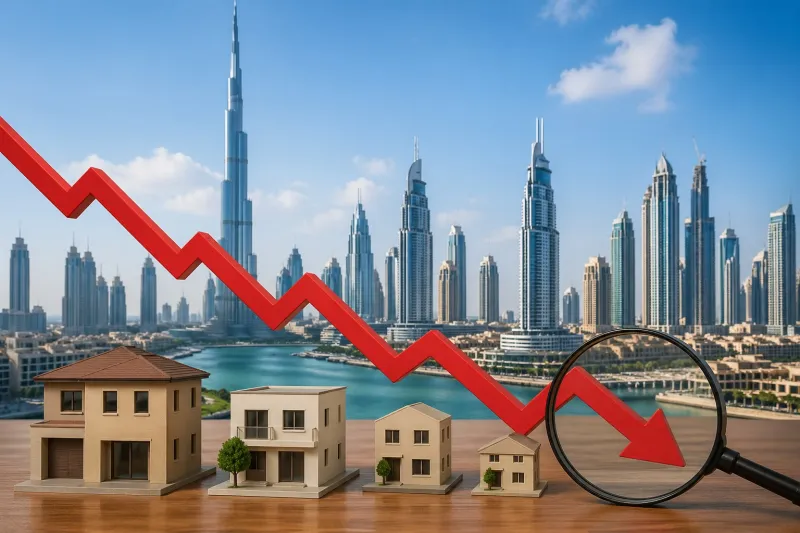
Dubai rents dip in 2026: where prices fell the most
In 2026 Dubai's rental market shifted from the rapid inflation seen in the previous two years to a noticeable cooling, with several areas registering the largest price drops. Tenants, landlords and investors are recalibrating expectations as supply, changing demand patterns and macroeconomic pressures reshape neighbourhoods across the emirate.
- Market overview
- How the numbers are being measured
- Luxury waterfront neighbourhoods lead the decline
- Business districts and central locations adjust
- New suburban developments face tougher market conditions
- Mid-market and expat hubs show moderate drops
- Key drivers behind the rental declines
- Landlord strategies and market responses
- Opportunities for tenants and selective investors
- What to watch next
Market overview
The first half of 2026 brought a broad-based correction to Dubai's residential rents. Whereas 2024–2025 saw brisk increases fuelled by strong foreign demand and limited available stock in some segments, 2026 has been characterised by lower leasing activity in high-end pockets and a greater willingness among landlords to reduce asking rents to secure tenants.
How the numbers are being measured
Analysts are using a mix of brokerage reports, listing platforms and government rental indices to track changes. Month-on-month asking rents, signed lease data and new-completion absorption rates all point to declines, though the magnitude varies by neighbourhood and property type. Transparency has improved, but seasonality and one-off promotions can still skew short-term readings.
Luxury waterfront neighbourhoods lead the decline
Premium waterfront communities have seen some of the sharpest rental corrections. Areas like Palm Jumeirah, Dubai Marina and parts of Downtown Dubai reported significant softening as an influx of new high-end apartments increased choice for affluent tenants. Many landlords in these zones have shifted from rigid pricing to offering concessions and shorter-term discounts to maintain occupancy.
Business districts and central locations adjust
Business Bay, DIFC and nearby central areas experienced rental pressure as corporate leasing volumes softened and a subset of occupiers opted for hybrid working or relocated to more affordable suburbs. The combination of newly completed residential towers and a dip in corporate demand translated into lower effective rents and increased unit availability.
New suburban developments face tougher market conditions
Communities with a heavy pipeline of new supply, such as parts of Dubai South, Jumeirah Village Circle, and emerging districts along the outer highways, have had to moderate expectations. Developers completing bulk handovers created a temporary oversupply in certain submarkets, pushing advertised rents down and lengthening vacancy absorption timelines.
Mid-market and expat hubs show moderate drops
Popular expatriate locations like Jumeirah Lakes Towers, Al Barsha and some older pockets of Deira experienced more moderate declines. Tenants in these segments gained negotiating power, but steady demand from long-term residents and affordability-seeking newcomers helped prevent steep falls.
Key drivers behind the rental declines
Several factors combined to push rents down in 2026:
- Increased completions and handovers added inventory in sensitive submarkets.
- Global economic uncertainty and higher borrowing costs reduced relocation flows and investor urgency.
- Tenant preferences shifted toward value and flexibility, favouring shorter leases and fit-out allowances.
Landlord strategies and market responses
In response to softer demand, many landlords introduced incentives such as rent-free periods, staggered payment plans, and furnished units. Some property owners are also repositioning listings by combining units, offering flexible lease terms, or investing in minor refurbishments to make their stock more attractive in a more competitive market.
Opportunities for tenants and selective investors
For tenants the 2026 correction opened negotiation room and a wider choice of units at improved effective prices. For investors the market presented selective entry points—particularly for long-term plays in well-located properties where yields had widened modestly. Caution remains important: timing, micro-location and property quality are decisive factors.
What to watch next
Going forward, market watchers will be monitoring supply pipelines, visa and residency policy changes, tourism trends and regional capital flows. Recovery or further cooling will hinge on how quickly demand catches up with recent completions and whether external economic conditions support renewed inflows of residents and corporate tenants.
Focused on delivering informative, accessible content