Renting Rooms & Co-Living on the Rise as Market Evolves
As the UAE property market enters 2026, digital property search patterns reveal a significant shift in how residents, especially expatriates, young professionals, and newcomers, approach rental housing. With rising rents, changing regulations, and expanding housing supply, demand for affordable room rentals, flat sharing, and co-living arrangements is accelerating alongside traditional apartment leasing.
Search Trends Reflect Growing Demand for Budget-Friendly Rentals
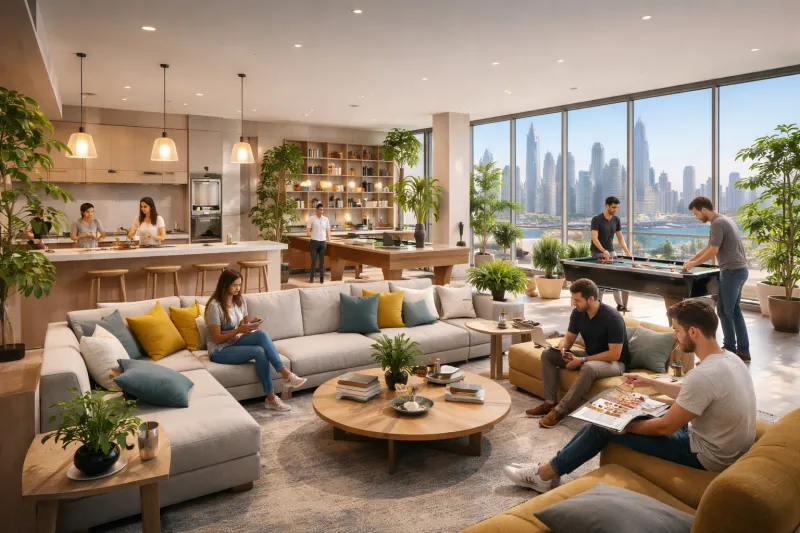
Recent market data show that flatsharing and individual room listings are among the fastest-growing rental segments online. Listings for shared living arrangements such as bedspaces, partitioned rooms, private rooms, and co-living flats have surged as tenants look for budget-conscious alternatives to full apartment leases. According to 2026 rental price guides, monthly averages for shared living range broadly from as low as AED 600 for a bedspace to AED 7,000 for premium private rooms in central Dubai buildings, making co-living a more accessible choice for cost-conscious renters.
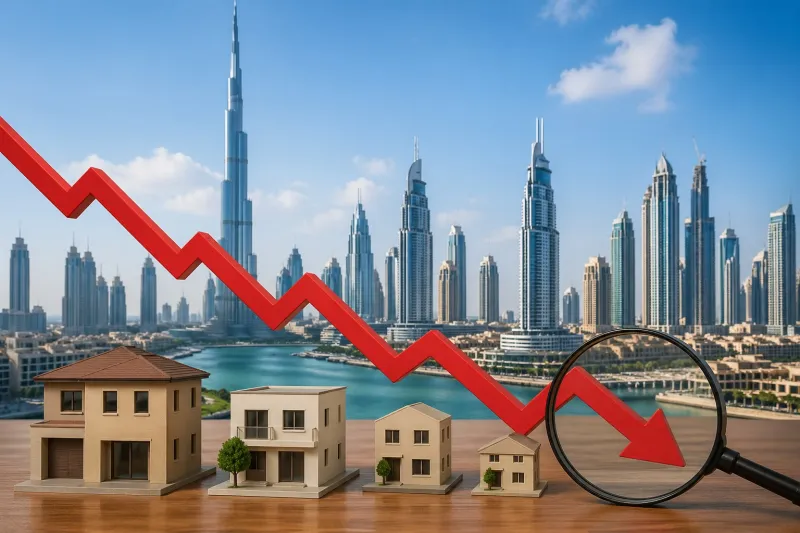
Industry watchers say this trend is driven by both affordability pressure and lifestyle preferences. With overall rents rising sharply in many emirates over the last decade, up roughly 23.6 % nationally as of mid-2025, renters are keen to find ways to balance cost with location and quality of life.
Co-Living Gets a Boost from Regulation and Market Dynamics
The implementation of stricter enforcement against unauthorised subletting and partitioned units has reshaped the rental landscape. Dubai authorities, for instance, have cracked down on informal room-sharing arrangements and enforced new checks on occupancy, encouraging a shift toward approved co-sharing and co-living rentals that meet safety and tenancy standards.
At the same time, landlords and property managers are responding by offering legitimate, compliant co-living options with transparent lease terms and defined minimum space requirements, the latter now mandated by municipal rules in key areas like Dubai to ensure tenant well-being.
These policies, while tightening the informal market, have also given regulated shared rentals a stronger online presence. Digital property platforms are highlighting room-available listings and co-living spaces more prominently, reflecting how tenants are using search tools to pinpoint affordable housing.
Tech and Platforms Fuel Smarter Searches
Investment in digital real estate platforms is booming, further energising the rental search ecosystem. In late 2025, Property Finder secured a landmark USD 525 million investment, reinforcing its position as a top property search portal in the MENA region and boosting tools that support detailed rental data and listing accuracy.
This influx of capital is coinciding with enhanced search features and market analytics, enabling tenants to compare neighborhoods, room types, and cost breakdowns with greater precision than ever before. According to rental index tools introduced by the Dubai Land Department, AI-driven dashboards now empower tenants with fair-rent indicators and neighborhood-level pricing data, helping mitigate sudden rent shocks and improve negotiation leverage.
Renters Navigate a Competitive Yet More Flexible Market
Despite rising average rents, particularly in affordable communities, which surged past 20 % in 2025, market conditions appear to be settling into a more competitive, tenant-friendly phase. Many landlords in key emirates are offering flexible lease terms, including multiple cheque plans, discounted first months, and bundled utilities, to attract and retain residents in an increasingly crowded housing supply environment.
This nuanced landscape means renters today are not just searching for apartments but are also actively exploring shared solutions and co-living setups as long-term, cost-effective housing strategies.
What This Means for 2026 Renters
As 2026 unfolds, the UAE’s rental sector is expected to continue balancing supply growth with sustained demand. With nearly 200,000 housing units projected for delivery by 2027 and innovative rental search technology empowering tenants, the flatshare and co-living trend looks set to remain a prominent feature of the UAE residential market, especially for younger demographics and expatriates prioritising affordability without sacrificing location or lifestyle.
Focused on delivering informative, accessible content