Dubai property market holds firm as buyer confidence weathers tensions
- Market performance in recent quarters
- Buyer sentiment remains steady
- Sustained foreign demand and residency incentives
- Luxury segment shows particular strength
- Rental market supports investor returns
- Supply pipeline and the role of new launches
- Financing environment and mortgage accessibility
- Policy measures and regulatory stability
- Investor diversity and shifting risk appetite
- Outlook amid geopolitical tensions
Market performance in recent quarters
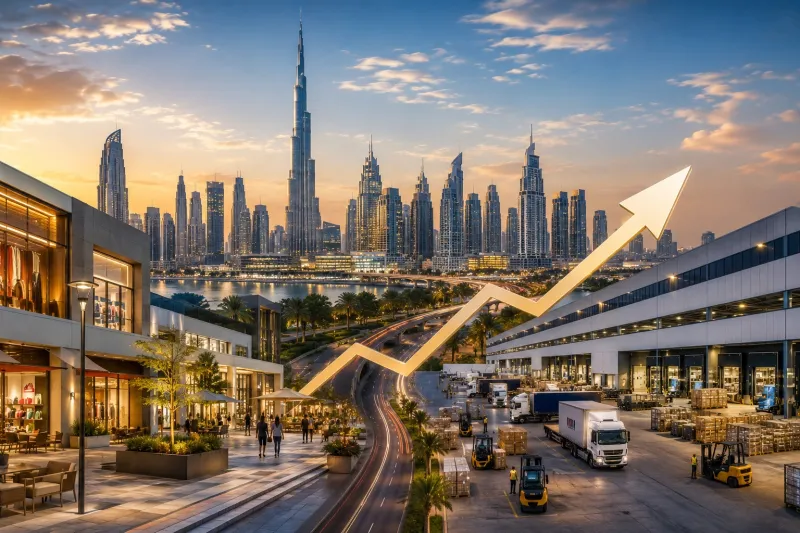
Transaction volumes have remained solid, with notable activity across both off‑plan and secondary markets. While headline prices have varied by submarket and property type, overall momentum has not stalled. Industry observers highlight that cyclical slowdowns elsewhere have not translated into a broad-based collapse in Dubai, where liquidity and buyer interest continue to underpin deal flow.
Buyer sentiment remains steady
Sentiment among buyers has held up, driven by a mix of end-users seeking homes and investors targeting rental yields or capital appreciation. Brokers report that viewings and offer activity remain consistent, with many purchasers citing long‑term residence plans, lifestyle factors and portfolio diversification as motivating factors.
Sustained foreign demand and residency incentives
Dubai's appeal to international buyers continues to be an important pillar of demand. Residency-linked incentives, including long‑term visas for investors and certain professionals, have kept interest from expatriates and high‑net‑worth individuals. Markets such as South Asia, Europe and parts of Africa still contribute meaningfully to inbound purchases.
Luxury segment shows particular strength
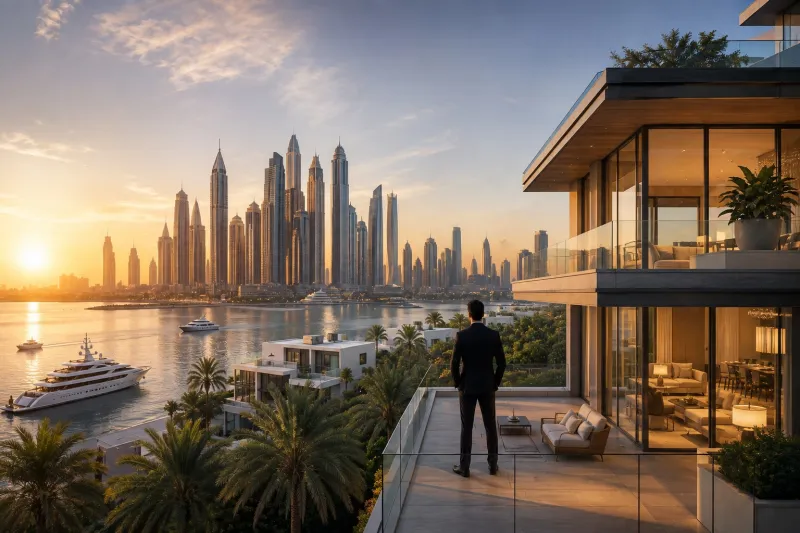
The high‑end luxury segment has outperformed in several pockets, with ultra‑prime waterfront and branded residences attracting significant attention. Buyers in this band often prioritize exclusivity, location and asset quality, supporting price resilience even when mid‑market dynamics are softer.
Rental market supports investor returns
Rents have been a stabilizing force for investors, particularly in well‑located communities and newer developments. Healthy occupancy levels and rising rental rates in some areas have improved gross yields, making buy‑to‑let propositions more attractive compared with other major global cities where yields remain compressed.
Supply pipeline and the role of new launches
Developers continue to manage launch schedules carefully, with a mix of high‑quality new supply and targeted amenities aimed at discerning buyers. While the pipeline remains meaningful, many projects are phased to align with demand, helping to avoid abrupt oversupply in primary locations.
Financing environment and mortgage accessibility
Mortgage availability has stayed relatively accessible, though underwriting standards have tightened modestly in line with global trends. Competitive loan products and local bank appetite for mortgage lending support transactions, while buyers are increasingly mindful of interest rate trajectories when structuring purchases.
Policy measures and regulatory stability
Regulatory clarity and proactive government measures have helped bolster confidence. Initiatives such as transparent title registration, escrow protections for buyers, and anti‑money‑laundering enhancements contribute to a stable investment environment that reassures both domestic and foreign participants.
Investor diversity and shifting risk appetite
Investor composition in Dubai remains diverse: private buyers, family offices, institutional players and overseas nationals all play roles. This mix reduces concentration risk and means market reactions to geopolitical noise tend to be muted compared with markets dominated by a single investor type. Risk appetite is evolving, with some buyers prioritizing quality and liquidity over speculative gains.
Outlook amid geopolitical tensions
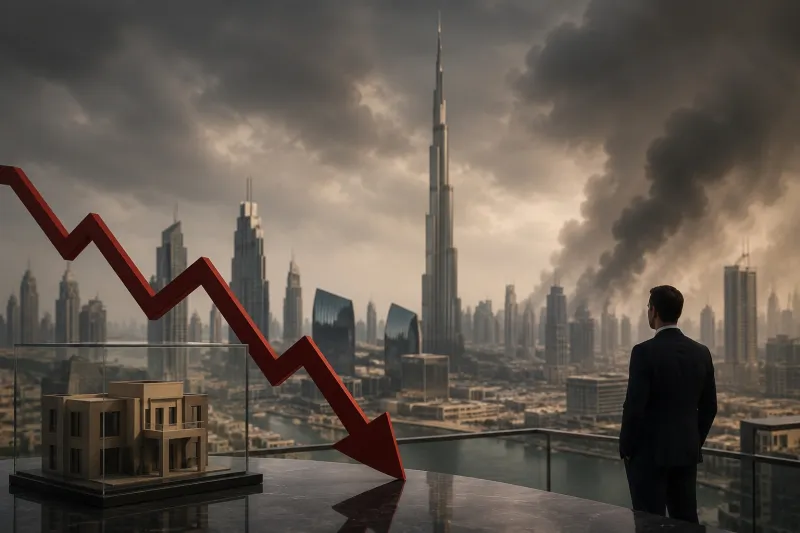
Geopolitical tensions have introduced short‑term uncertainty, but market participants commonly describe Dubai as a relative safe haven within the region. The city's connectivity, legal framework and track record of absorbing shocks contribute to a cautiously optimistic outlook. Buyers appear willing to transact selectively, focusing on fundamentals and locations with proven demand.
Focused on delivering informative, accessible content