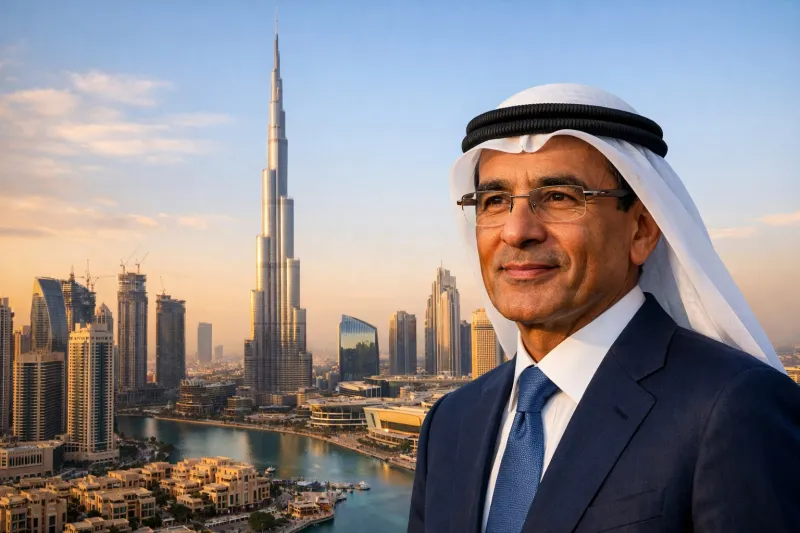
Emaar founder says Dubai property market remains stable
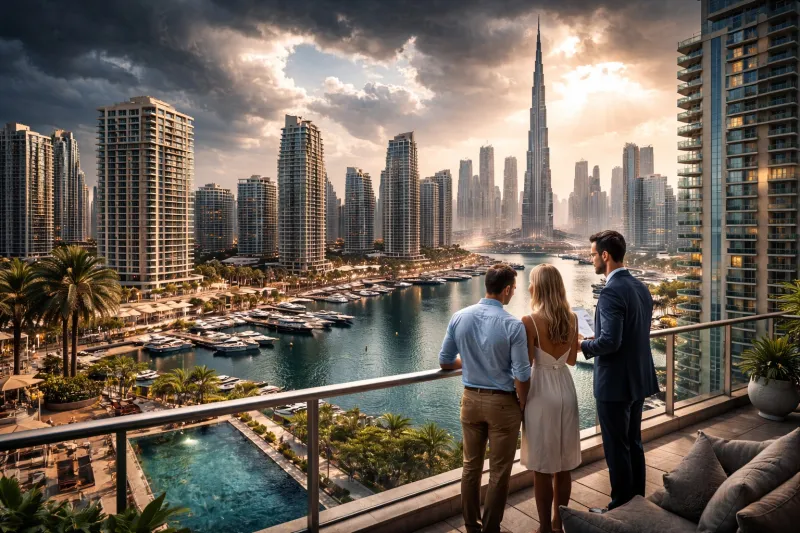
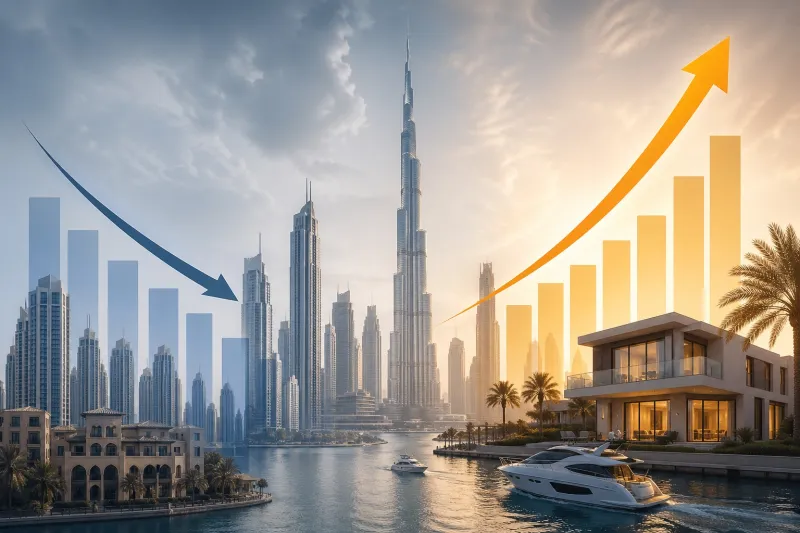
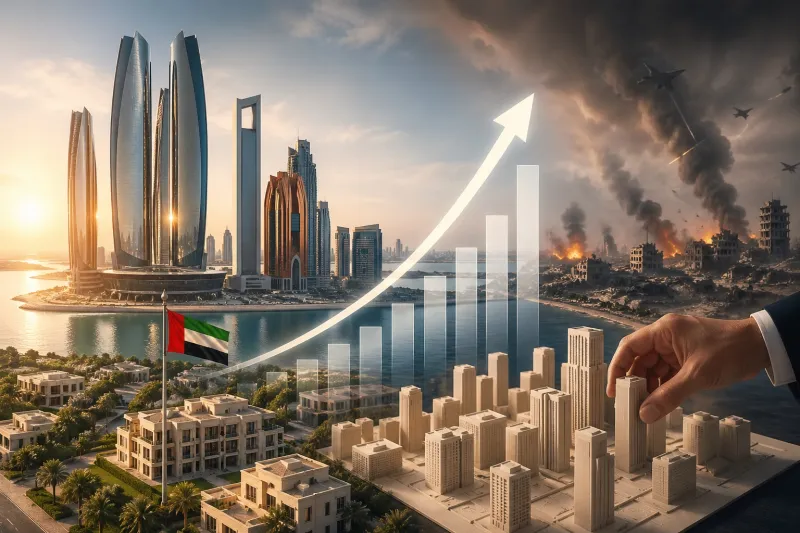
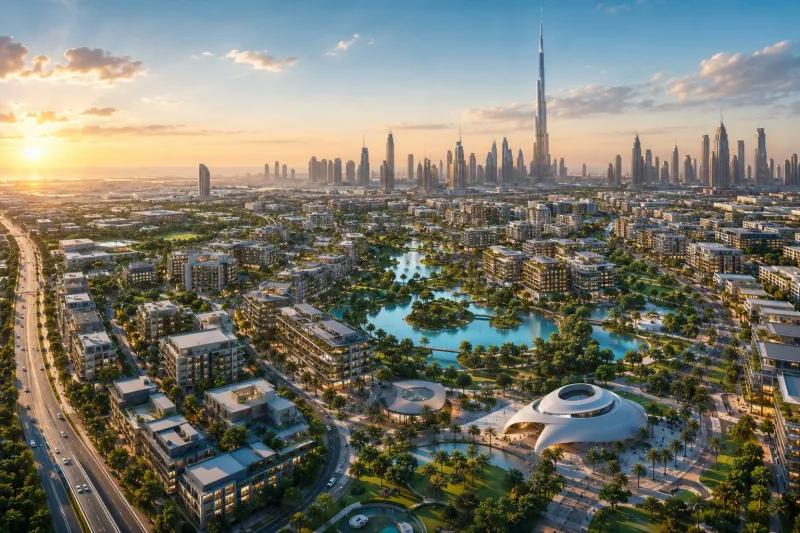
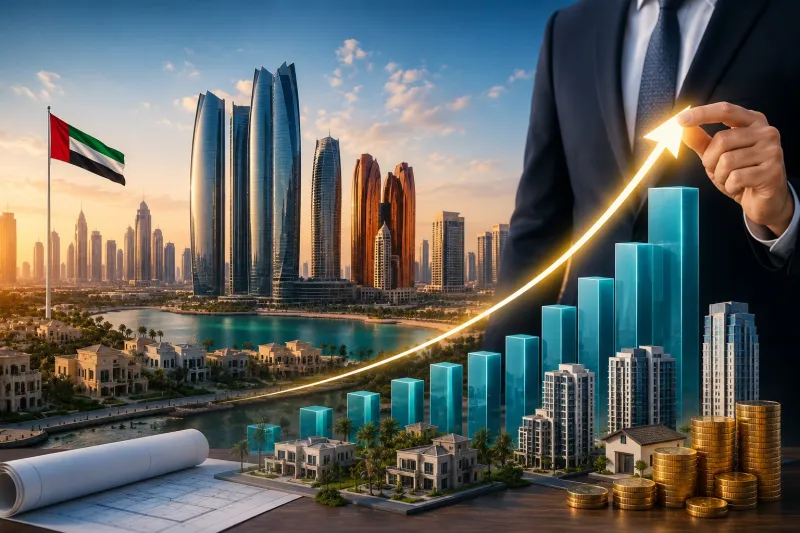
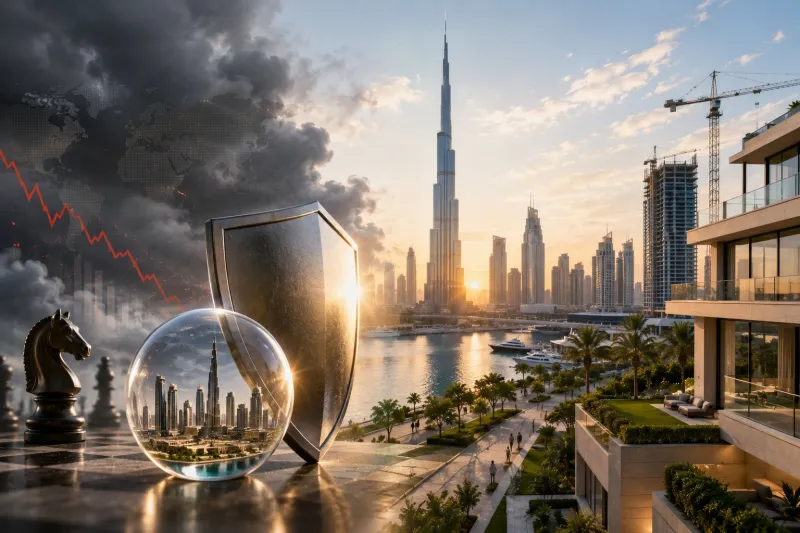
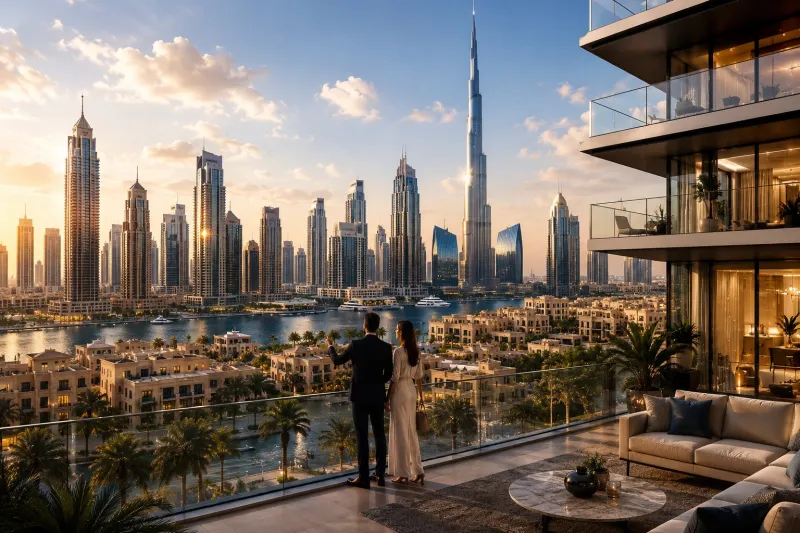
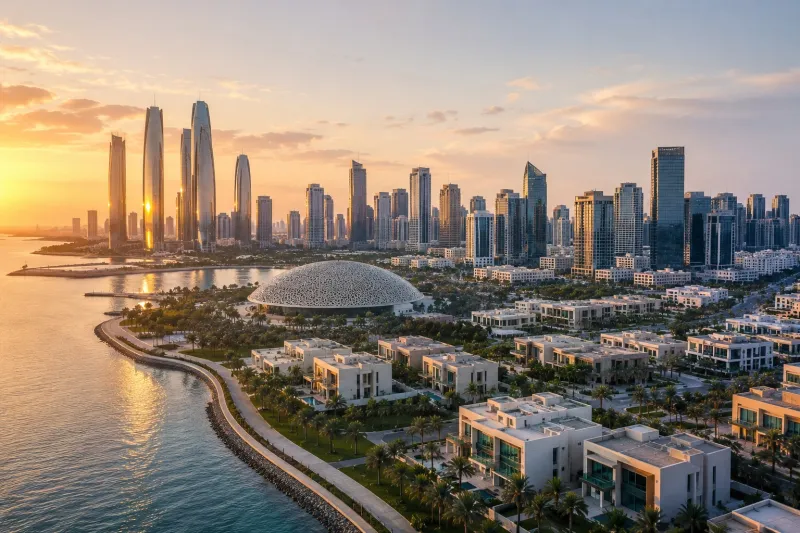
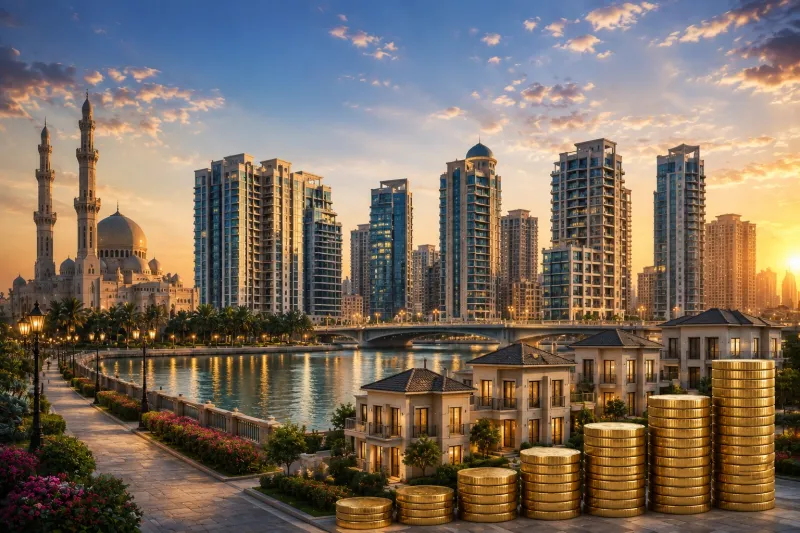
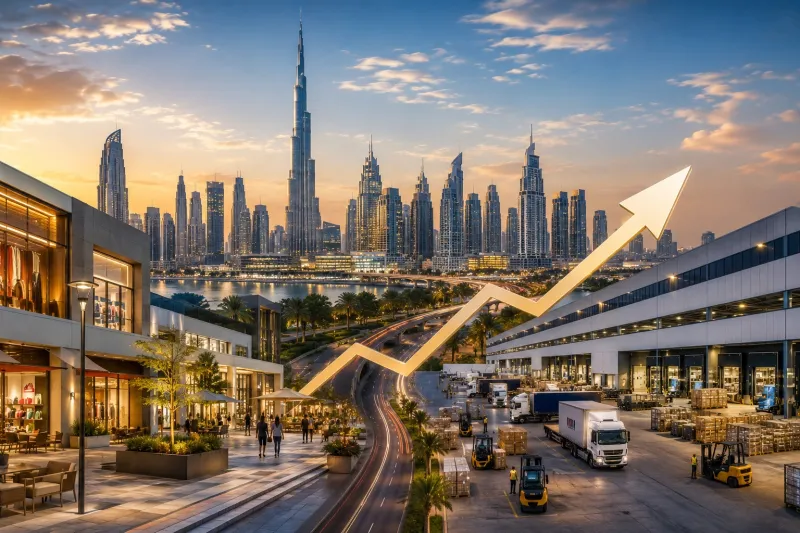
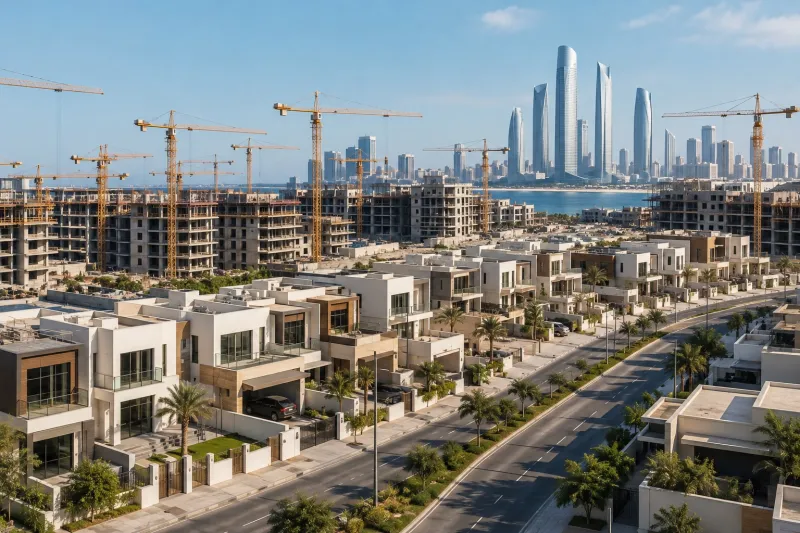
Mohamed Alabbar, founder of Emaar Properties, has publicly characterized Dubai's real estate market as stable, attributing resilience to a mix of policy support, sustained demand and strategic supply management. His comments come amid renewed international attention on the emirate's property sector and highlight why developers and investors continue to view Dubai as a long-term market rather than a short-term speculation play.
- Market stability and confidence
- Supply and demand dynamics
- Role of government policy
- Investor sentiment and foreign demand
- Impact of major events and tourism
- Rental market resilience
- Luxury segment and super-prime demand
- Financing, mortgages and liquidity
- Emaar's strategic positioning
- Risks and monitoring indicators
Market stability and confidence
Alabbar emphasized that stability in Dubai's property sector is driven by confidence among buyers, renters, and developers. Stability here refers to steady transaction volumes, manageable price adjustments, and predictable policy direction, all of which help reduce volatility and encourage longer-term investment horizons.
Supply and demand dynamics
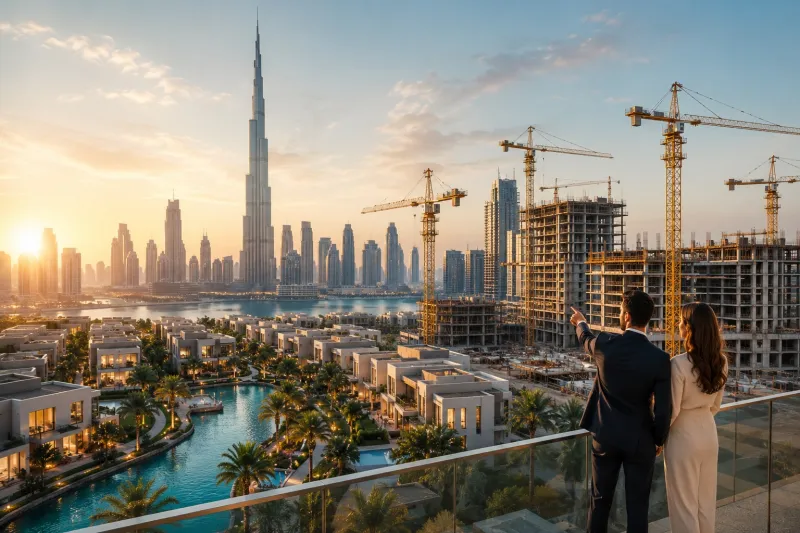
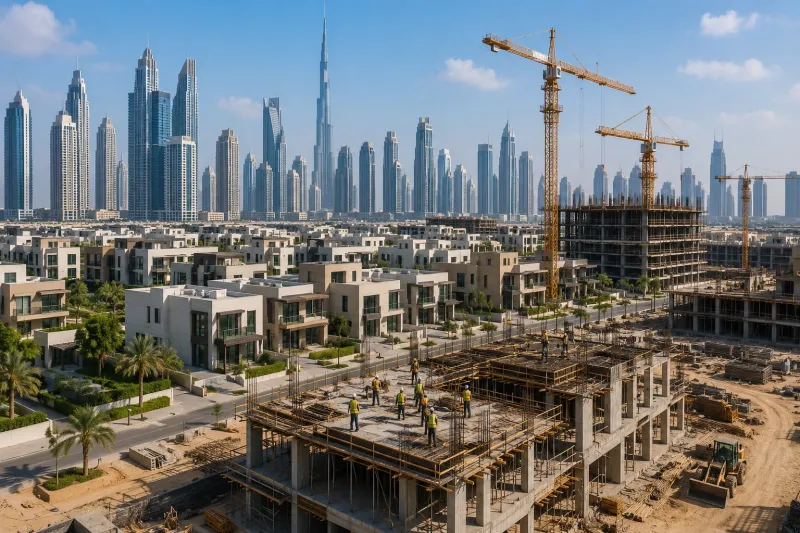
Supply-side discipline has been a recurring theme in Alabbar's analysis. He pointed to targeted project pacing and a preference for value-driven developments as factors that align new supply with real demand.
- Careful product segmentation
- Phased project launches
- Focus on end-user housing
These measures help prevent oversupply in specific segments and preserve market balance.
Role of government policy
The regulatory environment in Dubai, including visa reforms, investor-friendly ownership rules and infrastructure investment, supports property market stability. Alabbar noted that consistent policy signals from authorities reduce uncertainty and attract diverse international capital, which in turn cushions the market against sharp cyclical swings.
Investor sentiment and foreign demand
Foreign buyer interest remains an important pillar of Dubai's property market. Alabbar highlighted that investors are drawn by the emirate's tax environment, lifestyle offerings and transparent transaction framework. This broad international demand base helps diversify risk and sustain liquidity across segments.
Impact of major events and tourism
Events such as global exhibitions and continued tourism flows feed into real estate demand, according to Alabbar. He observed that short-term boosts from tourism translate into interest in hospitality, serviced apartments and short-stay properties, while also supporting longer-term urban development and retail ecosystems.
Rental market resilience
The rental sector in Dubai has shown resilience, with vacancy and rental trends stabilizing after periods of adjustment. Alabbar pointed out that an expanding expatriate workforce and flexible housing options maintain steady rental demand, even as new supply comes to market.
Luxury segment and super-prime demand
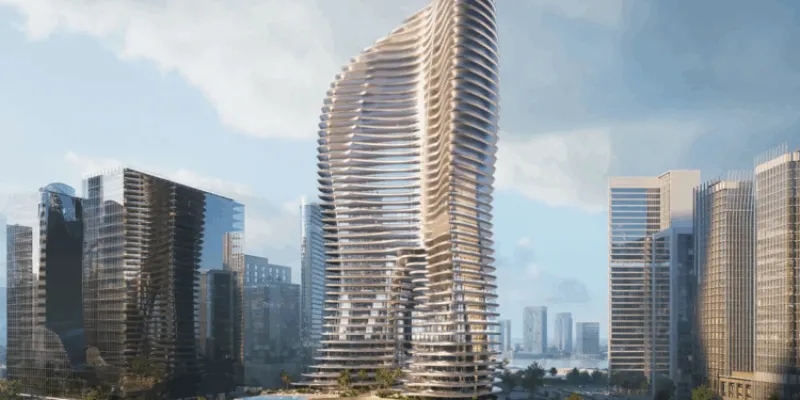
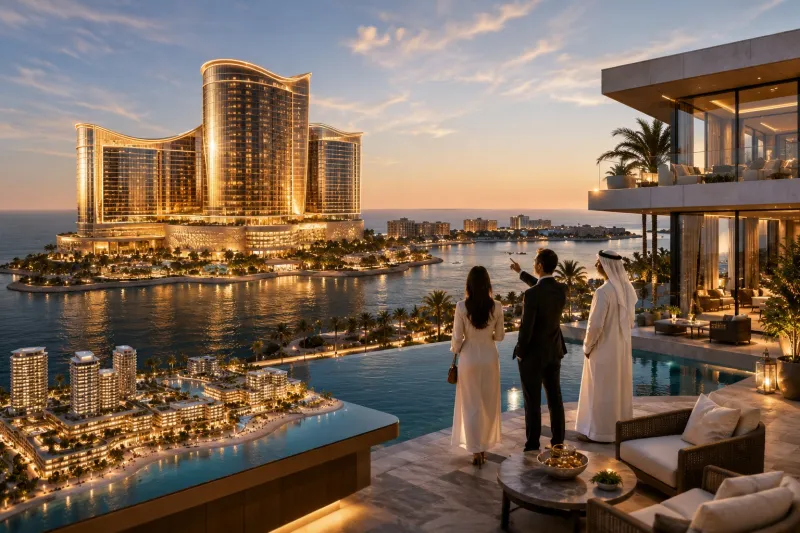
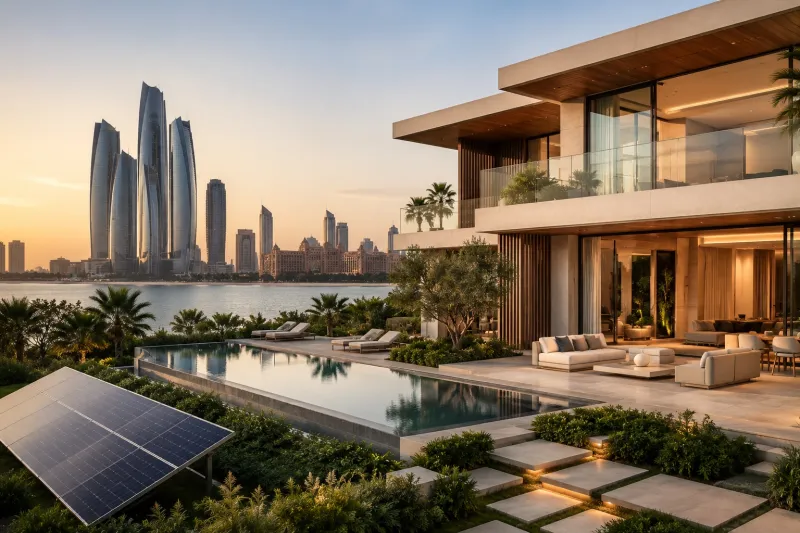
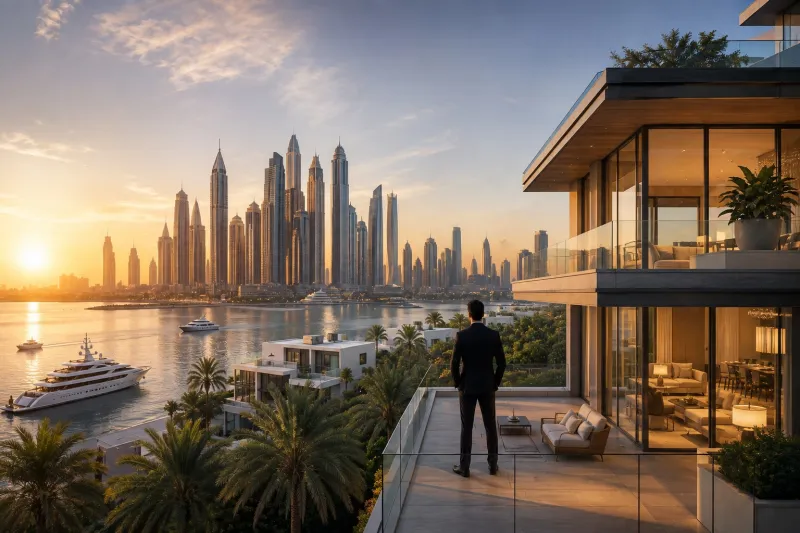
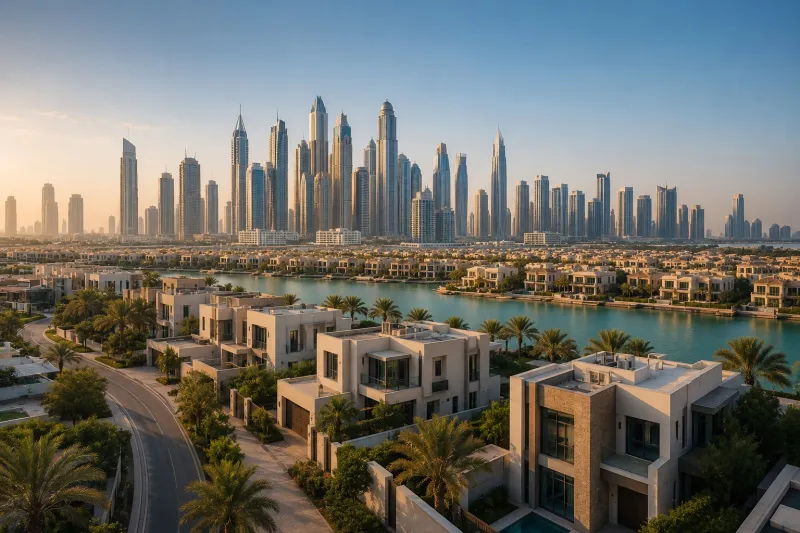
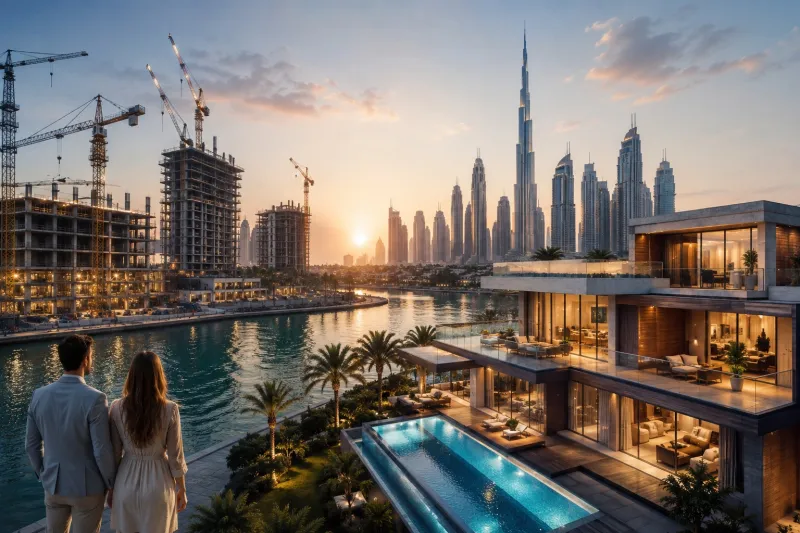
Alabbar noted that the luxury and super-prime segments continue to attract high-net-worth buyers seeking trophy assets, waterfront homes and branded residences. This segment often behaves differently from the mainstream market, with buyers more focused on scarcity, location and bespoke services, which helps sustain premium pricing bands.
Financing, mortgages and liquidity
Access to financing and healthy banking relationships are important for transaction activity. Alabbar highlighted that prudent lending standards and diversified liquidity sources, including institutional capital and international investors, contribute to a stable financing backdrop for both developers and buyers.
Emaar's strategic positioning
As one of Dubai's leading developers, Emaar has positioned itself toward integrated, mixed-use communities and branded projects that match long-term urban growth. Alabbar described the company's strategy as focusing on quality, sustainability and amenities that meet the evolving needs of residents, which in turn reinforces Emaar's role in underpinning market stability.
Risks and monitoring indicators
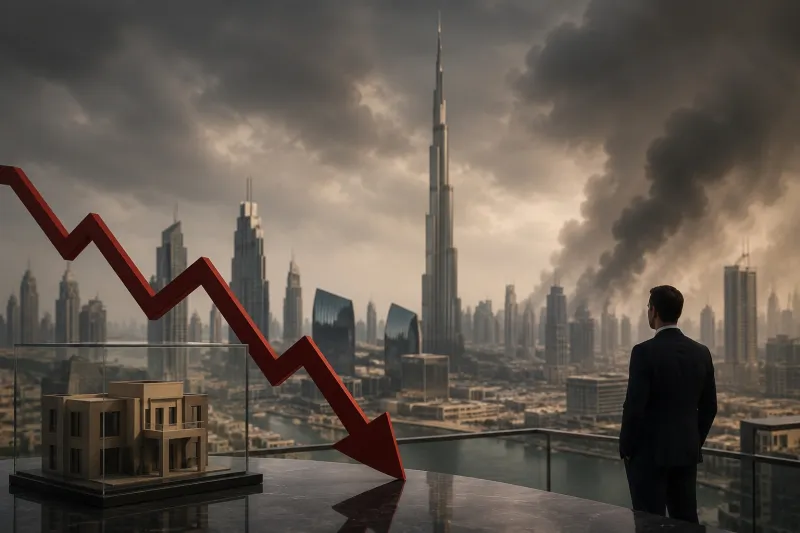
While optimistic, Alabbar acknowledged that the market is not immune to risks such as global economic shocks, changes in interest rates and localized oversupply in specific micro-markets. He advised monitoring indicators like transaction volumes, price movements, lending conditions and new project launches to gauge whether stability is being maintained.
Focused on delivering informative, accessible content