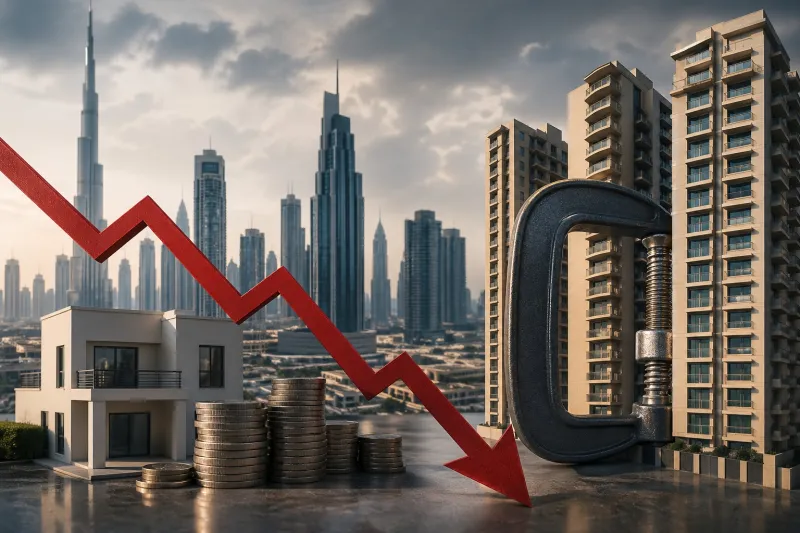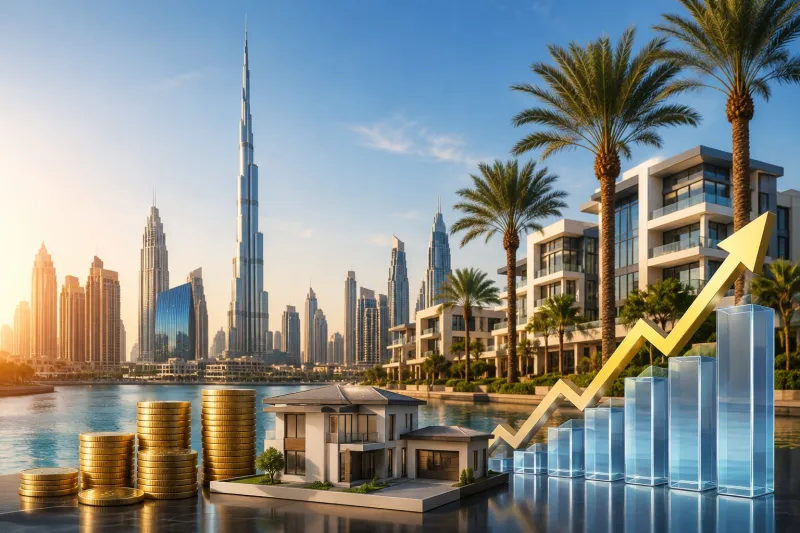
Dubai property market softens, but sales momentum holds strong
The Dubai property market is showing signs of softening in headline price growth, yet transactional activity remains robust as buyers and investors adapt to new market dynamics. While average prices have moderated from the rapid highs of the post-pandemic boom, deal velocity, particularly in key segments, continues to underpin confidence in the market's resilience.
- Market overview
- Price trajectories
- Sales momentum and transaction volumes
- Supply dynamics and new launches
- Investor sentiment and buyer profiles
- Off-plan versus secondary market
- Role of foreign buyers
- Rental market interactions
- Financing, interest rates and affordability
- What to watch in the coming months
Market overview
After a period of extraordinary gains, Dubai's real estate market is entering a phase of stabilization. Price growth has decelerated, but volumes of sales and new registrations indicate sustained interest. Market participants describe the environment as one of consolidation rather than collapse, with localized variations across neighbourhoods and asset types.
Price trajectories
Core areas that saw the strongest appreciation are now experiencing the largest corrections, while mid-market and affordable segments remain firm. Analysts report month-on-month price moderation, and some suburbs are recording mild declines. This rebalancing helps bring valuations closer to long-term fundamentals, making certain properties more accessible to a wider buyer base.
Sales momentum and transaction volumes
Despite softer prices, transaction volumes continue to show momentum. Both secondary market resales and off-plan sales are contributing to steady deal flow. Developers and brokers point to a strong pipeline of closing deals, with many transactions driven by end-users and long-term investors rather than short-term speculators.
Supply dynamics and new launches
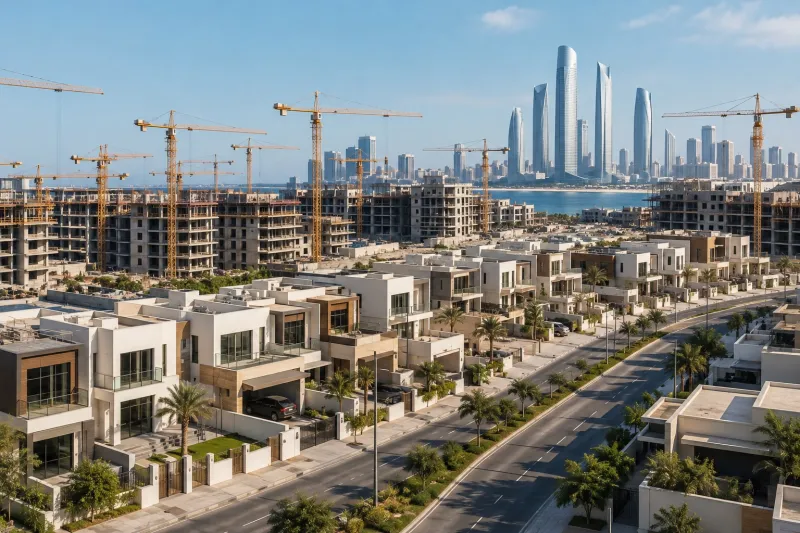
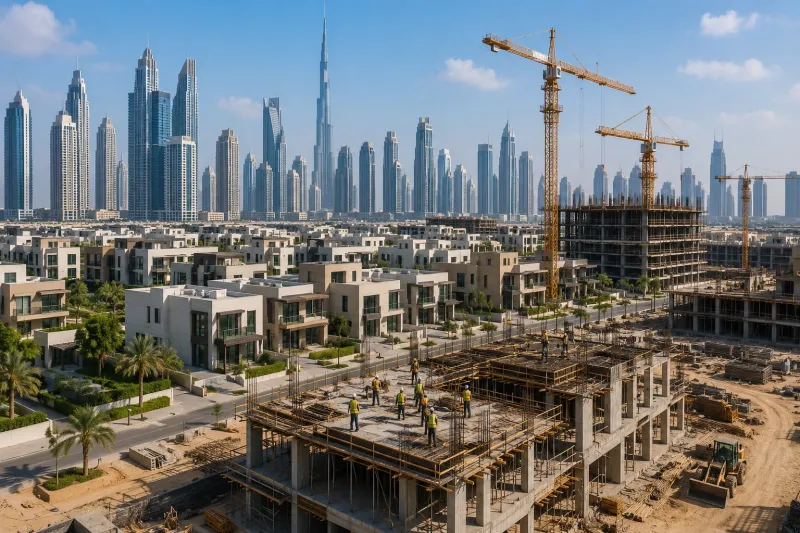
New supply is entering the market at a measured pace after developers recalibrated delivery schedules during the peak activity period.
- Off-plan launches are more targeted, focusing on proven locations and buyer demand.
- Completion backlogs have eased, reducing sudden supply shocks.
Overall, this tempered approach to supply is supporting absorption rates despite price moderation.
Investor sentiment and buyer profiles
Investor appetite remains, though the profile of active buyers has shifted. There is increased participation from long-term rental investors, family offices, and high-net-worth individuals seeking diversification. Speculative trading has declined, and buyers are placing more emphasis on rental yield, liquidity, and capital preservation.
Off-plan versus secondary market
The off-plan market continues to attract buyers drawn to staged payments and developer incentives, while the secondary market benefits from immediacy and clearer pricing. Some buyers prefer off-plan for customization and potential capital appreciation, whereas others opt for ready properties to capture rental income immediately.
Role of foreign buyers
International demand remains a pillar of Dubai's real estate strength. Buyers from Europe, South Asia, and the Middle East are actively transacting, aided by attractive residency-linked programs and relatively accessible ownership rules. Currency diversification and geopolitical considerations continue to drive inbound capital into the emirate's property sector.
Rental market interactions
Rents have shown resilience in many submarkets, supporting investor yields even as capital values cool. The interplay between sales and rentals is notable: stable or rising rents sustain investor demand, while softer capital growth provides opportunities for tenants to consider ownership. Landlords are adapting strategies to maintain occupancy and returns.
Financing, interest rates and affordability
Mortgage availability and interest rate movements are key determinants of near-term demand. Tighter lending criteria and marginally higher borrowing costs have impacted affordability for some buyers, but competitive mortgage products and down-payment flexibility from developers help bridge gaps. Affordability remains a focal point for both policymakers and market participants.
What to watch in the coming months
Market watchers will focus on indicators such as monthly transaction volumes, inventory absorption, developer pricing strategies, and macroeconomic signals like interest rates and tourism flows. Key factors that could shift momentum include regulatory changes, a sudden surge in supply in specific segments, or a notable shift in foreign demand. Together, these metrics will determine whether the softening in prices becomes a temporary correction or a longer pivot in market structure.
Focused on delivering informative, accessible content