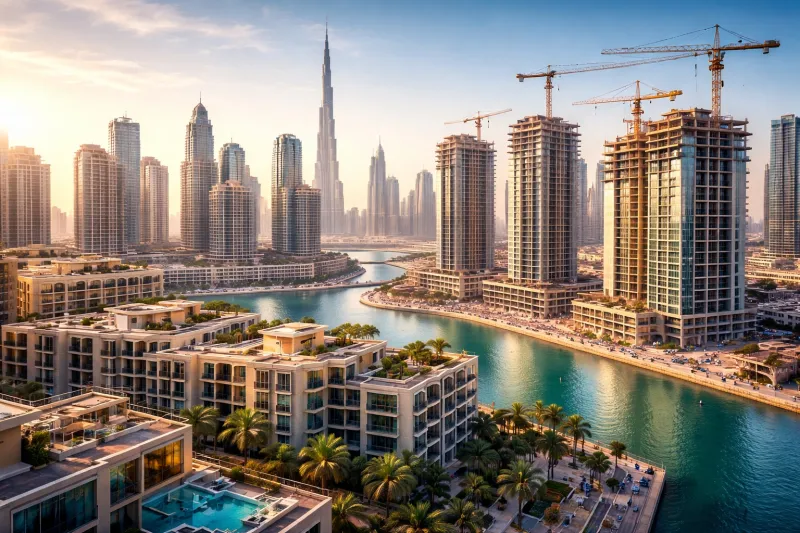
Dubai rents set to stabilize by end of 2026 amid new supply
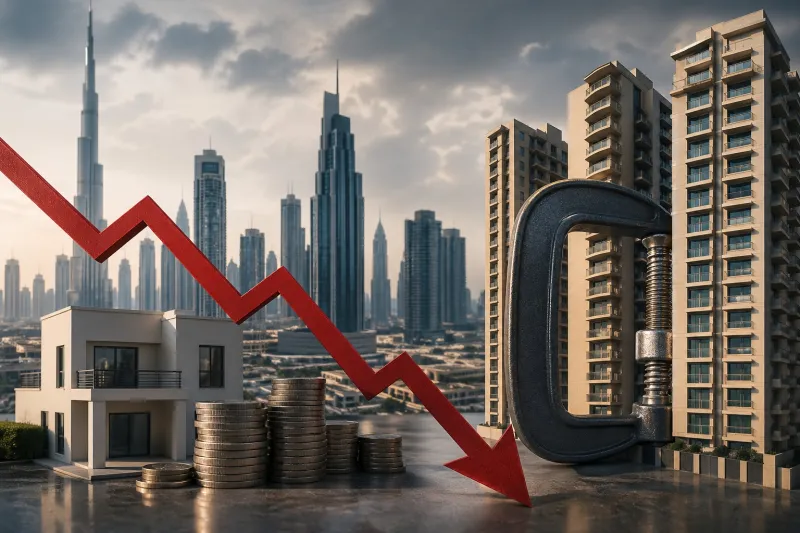
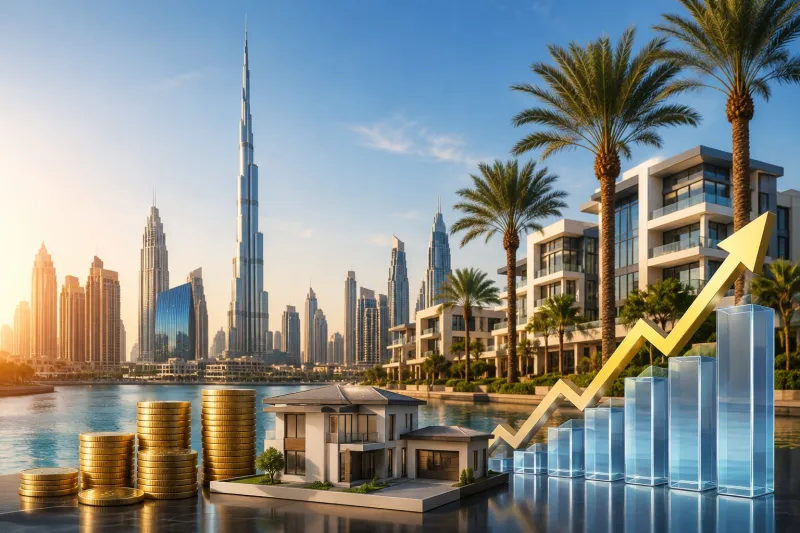
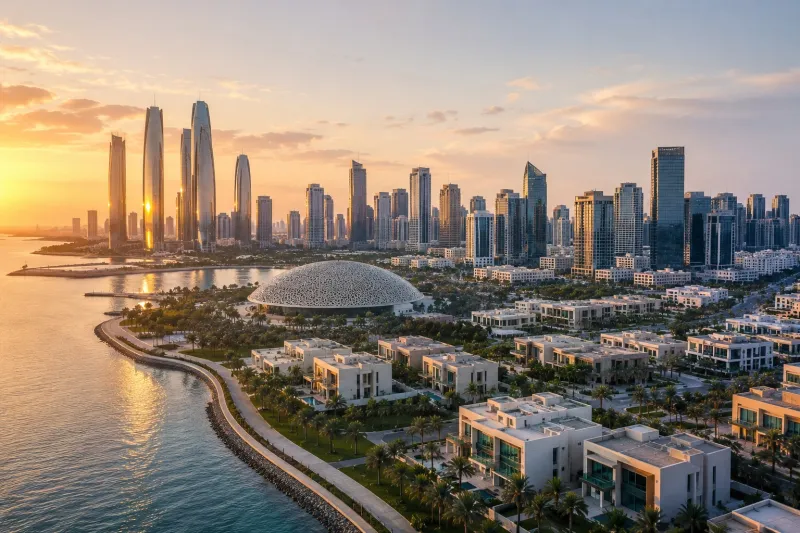
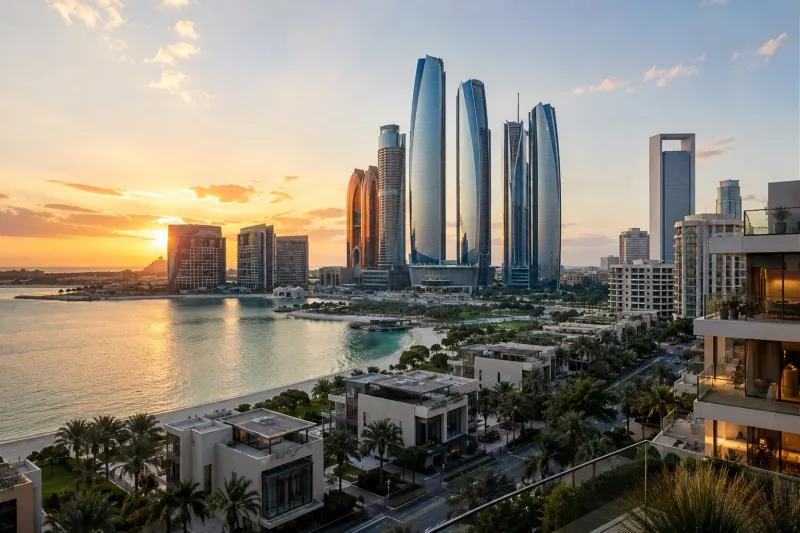
After a period of rapid increases and localized volatility, Dubai's rental market is showing signs of moderation as a wave of new residential supply is scheduled to come online. Market analysts and developers increasingly expect rents to flatten — with pockets of pressure — and for headline stability to arrive by the end of 2026.
- Market overview
- New supply pipeline
- Demand drivers remain resilient
- Segmentation matters: luxury versus affordable
- Landlord responses and incentives
- Short-term rentals and tourism interplay
- Financing, yields and investor behaviour
- Regulatory oversight and market transparency
- Neighborhood winners and losers
- Outlook to 2026 and key risks
Market overview
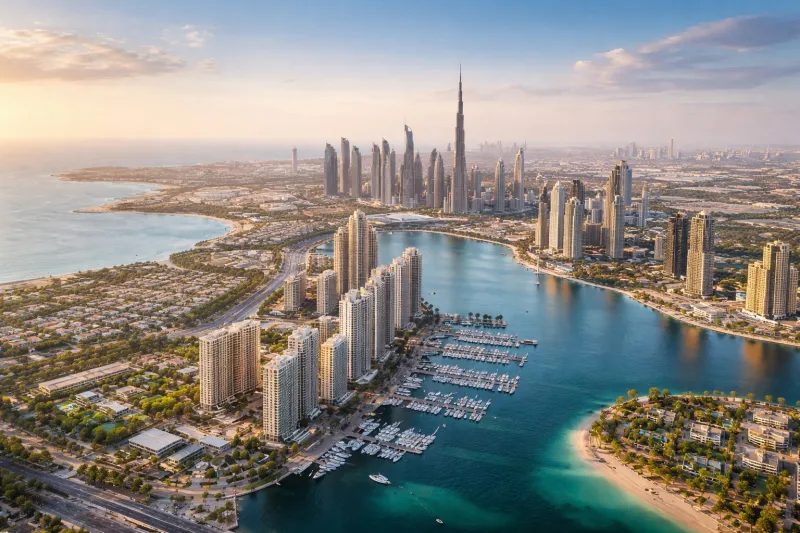
Dubai's rental cycle over the past few years has been driven by a strong rebound in demand, fueled by tourism, returning expatriates and investor interest. That momentum pushed rents sharply higher in many popular neighbourhoods, but the impending influx of new units is changing the supply-demand balance. The market is transitioning from landlord-led momentum to a more balanced environment where landlords, tenants and developers negotiate from a less acute shortage.
New supply pipeline
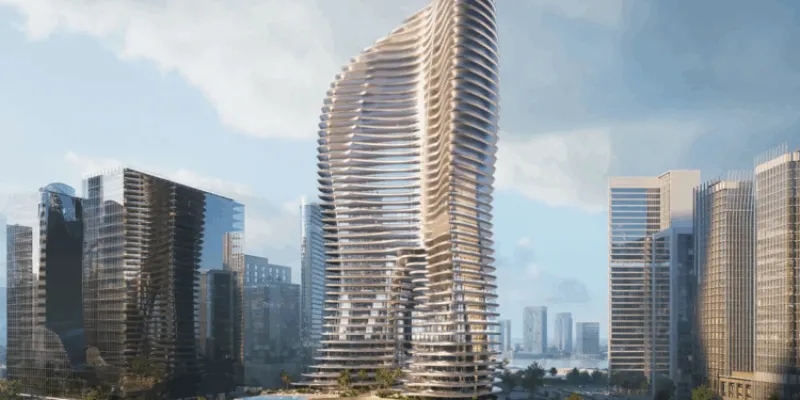
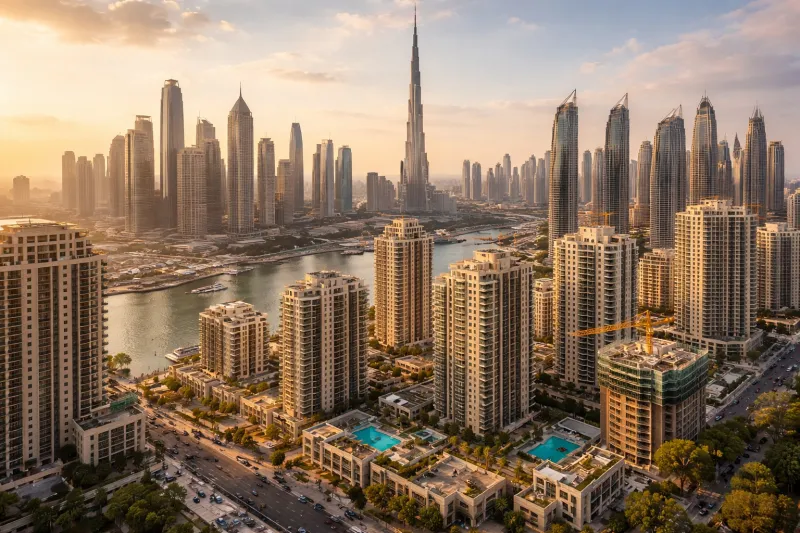
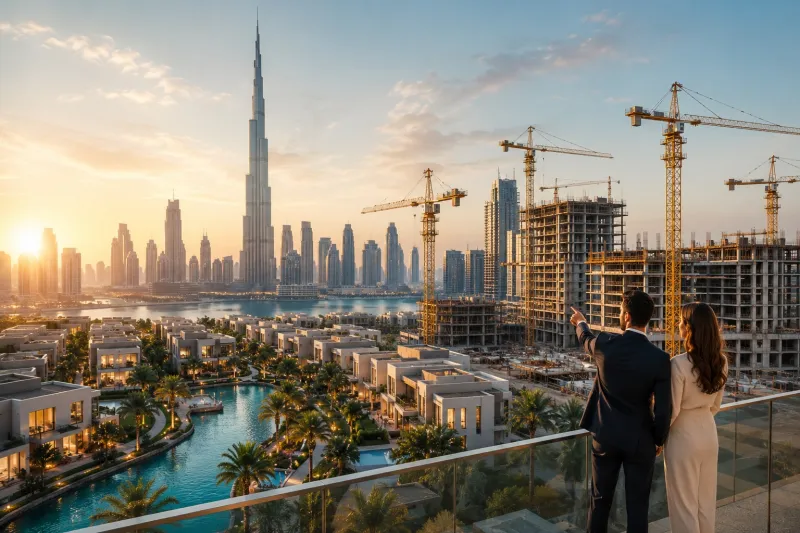
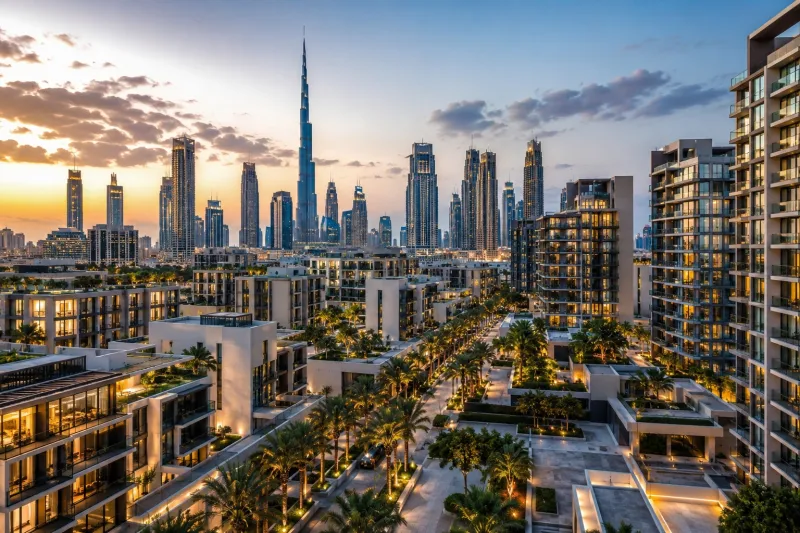
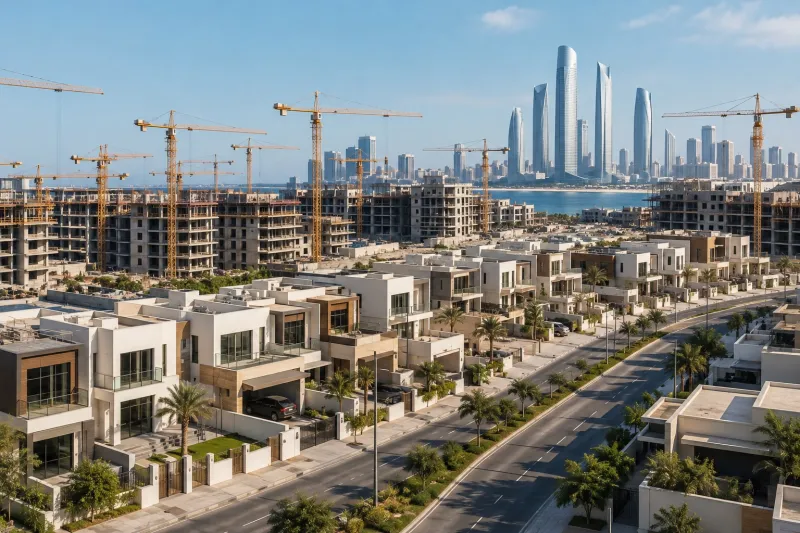
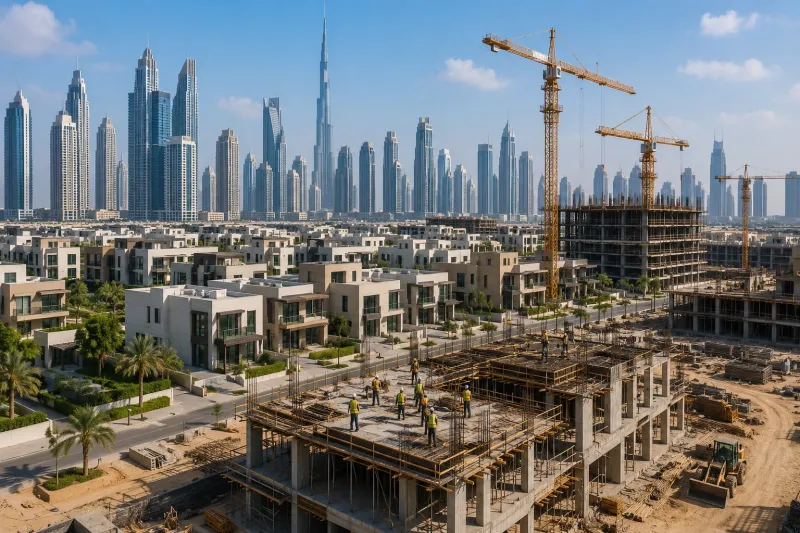
Developers have accelerated deliveries across multiple segments, from large build-to-rent and mixed-use communities to high-density off-plan towers. A significant tranche of these completions is scheduled between 2024 and 2026, adding tens of thousands of units to the market. While not all projects will complete on the same schedule, the cumulative impact is expected to ease tightness in central and mid-market segments.
Demand drivers remain resilient
Underlying demand for housing in Dubai is supported by continued population growth, corporate relocations, and a rebound in tourism. Policy moves such as long-term visas, more flexible work arrangements and incentives for businesses have encouraged skilled arrivals. These demand pillars will keep absorption steady, preventing a sharp downturn even as supply ramps up.
Segmentation matters: luxury versus affordable
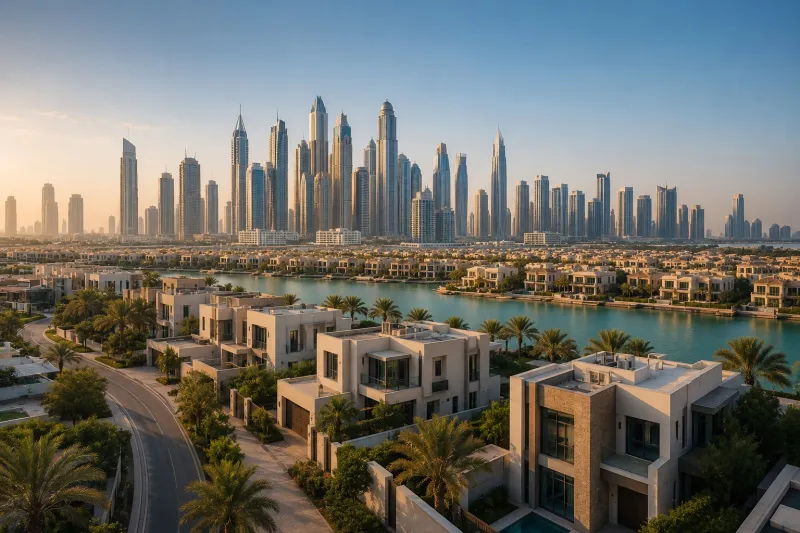
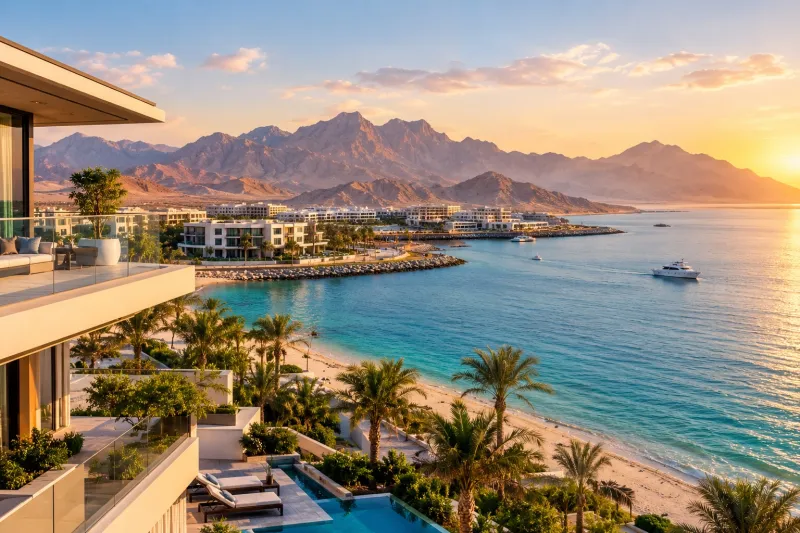
The impact of new supply will not be uniform. High-end waterfront and prime downtown product tends to be more susceptible to investor sentiment and international travel patterns, while affordable and mid-market apartments are more influenced by local resident demand. As a result, luxury rents could face more downside pressure, whereas mid-market stock may see only mild correction or stabilization.
Landlord responses and incentives
With more options available to tenants, landlords are increasingly offering concessions to secure leases. Typical incentives include rent-free periods, furnished options, flexible lease lengths and reduced security deposits. These strategies act as de facto price adjustments and help smooth the transition toward a steadier rental baseline.
Short-term rentals and tourism interplay
Short-term rental supply, which surged during peak tourism seasons, has a moderating effect on long-term rents when hosts switch product types. Regulatory tightening and greater compliance requirements have also influenced owners' decisions, sometimes redirecting units back to the long-term market. The interplay between tourism cycles and rental strategy will be a key determinant of near-term volatility.
Financing, yields and investor behaviour
Higher global interest rates and tighter lending conditions have increased holding costs for some investors, reducing the appetite for speculative purchases. That dynamic, combined with narrowing rental yields in certain locations, is prompting a more cautious approach to new investments and contributing to a tempering of price and rent escalation.
Regulatory oversight and market transparency
Improvements in market data, public rent indices and regulatory oversight have reduced information asymmetry and helped renters and landlords make better-informed decisions. Greater transparency encourages realistic pricing and discourages abrupt speculative moves, supporting a gradual move toward equilibrium rather than sudden shocks.
Neighborhood winners and losers
Areas with constrained new supply or strong lifestyle appeal, such as certain beachfront and established gated communities, are likely to show firmer rents. Conversely, districts with high pipeline completion rates, like some parts of Dubailand or peripheral high-rise clusters, may experience more pronounced softening. This divergence will create micro-markets with distinct rent trajectories even as the overall city-wide pace stabilizes.
Outlook to 2026 and key risks
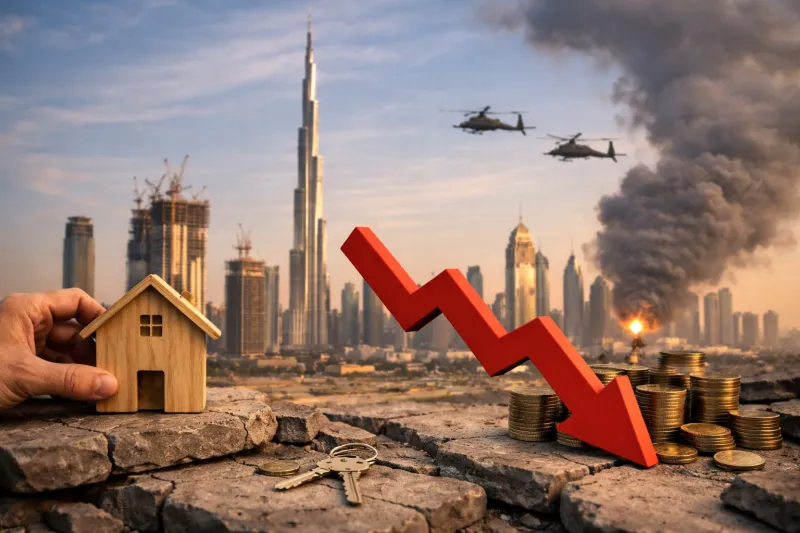
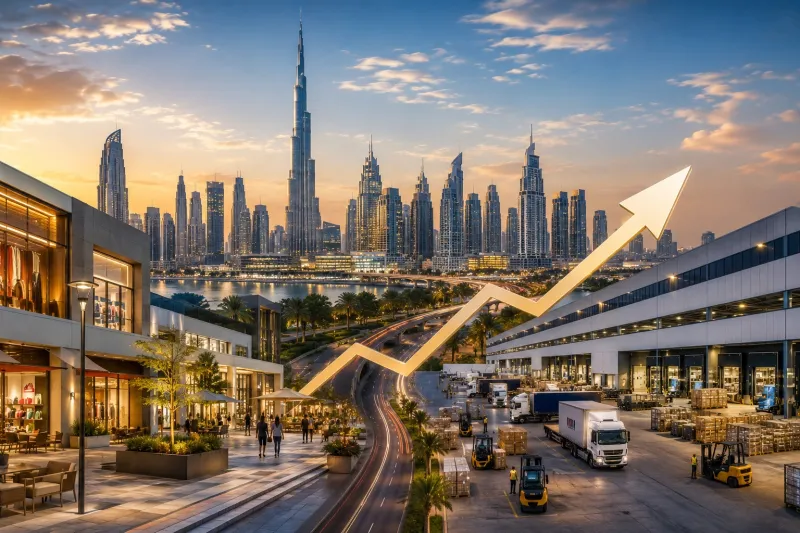
Current projections point to headline rent stability by the end of 2026 as incoming supply and tempered demand growth reach a new balance. Key assumptions include on-schedule project completions, steady economic growth and continued attractiveness to expatriate workers. Risks that could upend this scenario include a sudden economic slowdown, rapid interest rate shifts, or geopolitical events that curb travel and corporate relocations. Market participants will watch these variables closely as the market navigates toward a calmer phase.
Focused on delivering informative, accessible content