Dubai market sees price dip as sales momentum stays strong
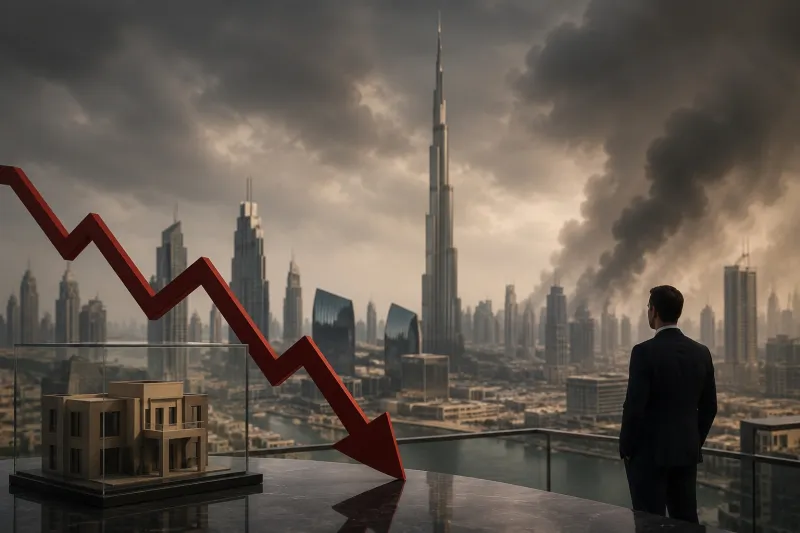
The Dubai real estate market is showing a notable divergence: prices have softened modestly across several segments, yet transactional activity and overall sales volumes remain robust. This update examines the drivers behind the price adjustments, which property types are most affected, and why buyer demand continues to underpin market resilience.
- Market overview
- Price movement across segments
- Sales volume remains strong
- Luxury versus mid-market dynamics
- Geographic hotspots and cooling zones
- Rental market implications
- Developer activity and incentives
- Investor sentiment and buyer profiles
- Financing, rates, and affordability
- Risks and short-term outlook
Market overview
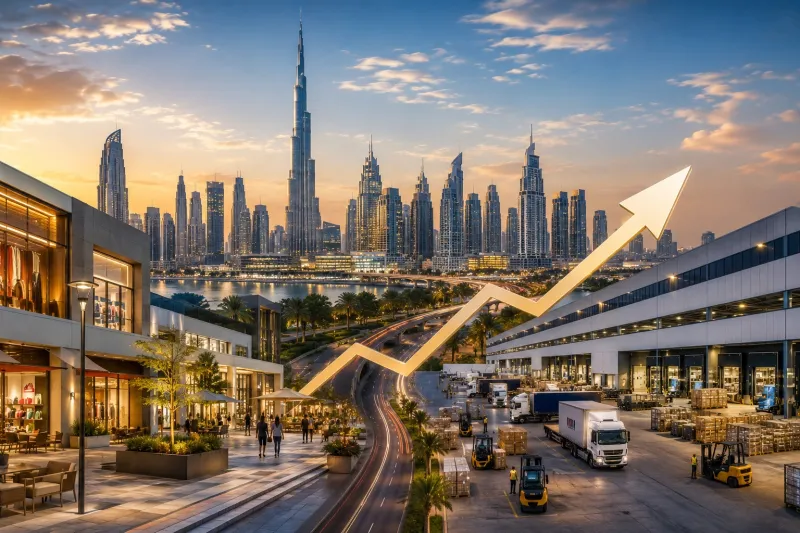
The Dubai property market has entered a phase characterized by a mild correction in asking and secondary-market prices while primary sales and transaction counts continue to climb. Sellers are recalibrating expectations, and buyers are responding quickly, creating a higher turnover environment than seen during the earlier pandemic years.
Price movement across segments
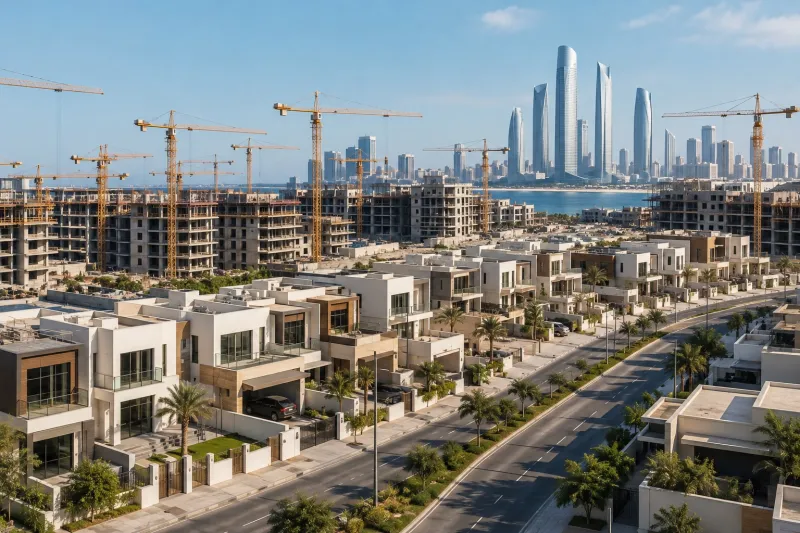
Price adjustments have been most visible in oversupplied micro-markets and in certain off-plan projects where launch premiums were steep. By contrast, well-located, completed properties with finishes and amenities aligned with current buyer preferences have held prices better. Overall, the dip is modest and selective rather than uniform.
Sales volume remains strong
Despite price softness, brokers and developers report sustained transaction volumes. Many buyers are taking advantage of more negotiable pricing on offer, and strong marketing campaigns by developers are converting interest into sales. High footfall at showrooms and resales closing at competitive rates are evidence that demand fundamentals remain healthy.
Luxury versus mid-market dynamics
The luxury segment shows a mixed picture: trophy villas and branded residences still attract international capital, while certain high-end apartments are experiencing longer listing periods. The mid-market and affordable segments are particularly active, driven by end-users and expatriates seeking value and quality of life improvements.
Geographic hotspots and cooling zones
Prime waterfront locations and central business districts continue to perform strongly, while peripheral developments with limited infrastructure are seeing slower price recovery. Investors and buyers are gravitating toward neighborhoods with proven rental demand, transport links, and retail amenities.
Rental market implications
Rents have shown resilience in many key areas, supporting investor returns even as capital values adjust. In some submarkets, modest rental growth has encouraged buy-to-let activity, while in others softening rents reflect tenant bargaining power. Rental yield remains an important consideration for transactional decisions.
Developer activity and incentives
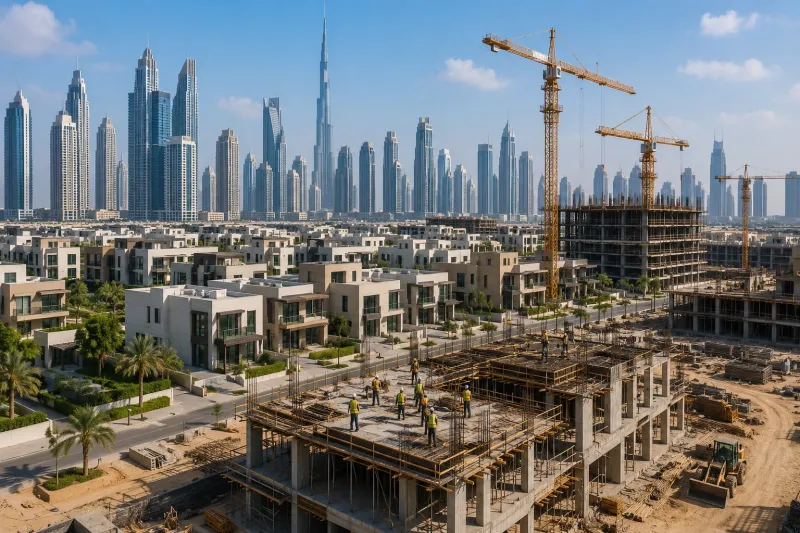
Developers are responding to the pricing environment with targeted incentives such as extended post-handover payment plans, furnished packages, and flexible payment schedules for off-plan units. These incentives have helped maintain pre-launch momentum and convert hesitant buyers into committed purchasers.
Investor sentiment and buyer profiles
Investor sentiment remains cautiously optimistic: international buyers are attracted by long-term growth prospects and favorable tax regimes, while domestic and regional buyers focus on lifestyle upgrades and rental income. Buyer profiles are diversifying, with more end-users entering the market alongside speculative purchasers.
Financing, rates, and affordability
Mortgage availability has been a key factor supporting transactions, with competitive lending terms and targeted products for expatriates and first-time buyers. However, global rate volatility and underwriting tightening in some banks could influence affordability and pace of sales if sustained.
Risks and short-term outlook
Short-term risks include potential oversupply in specific micro-markets, shifts in global capital flows, and policy changes that affect foreign investment. Nevertheless, the combination of active sales, developer incentives, and resilient rental demand suggests the market may absorb the current price adjustments and transition to a more balanced phase.
Focused on delivering informative, accessible content