Abu Dhabi real estate booms as transactions double amid regional conflict
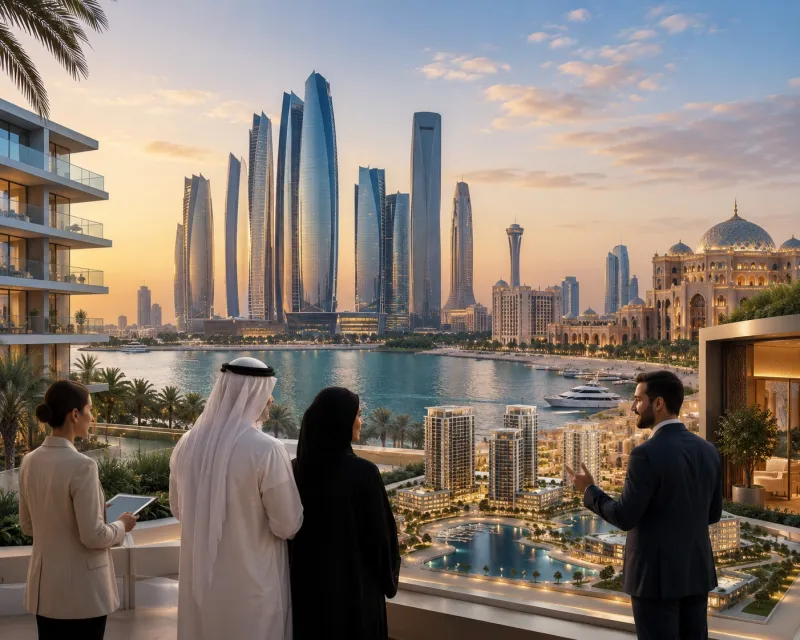
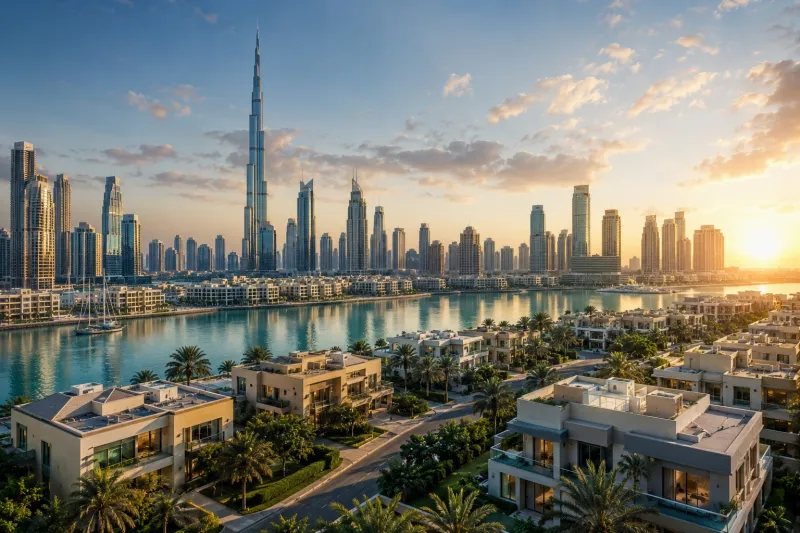
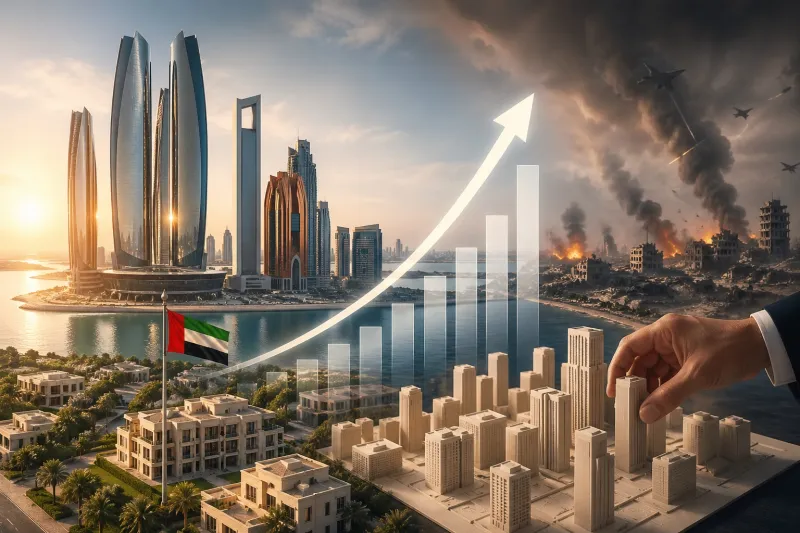
As regional tensions escalate, Abu Dhabi's property market has seen an unexpected surge: transaction volumes have reportedly doubled, drawing fresh attention from global investors and domestic buyers seeking safety and yield. This article explores the factors behind the spike, which segments are benefitting, and what the rapid pace of activity means for the emirate's broader economic strategy.
Market overview
The Abu Dhabi property market has recorded a marked increase in transactions over the past months, with official figures indicating a year-on-year doubling in closed deals in several categories. The surge spans residential, off-plan and secondary market sales, and is accompanied by stronger inquiry volumes and shorter listing times in many neighborhoods.
Drivers of demand
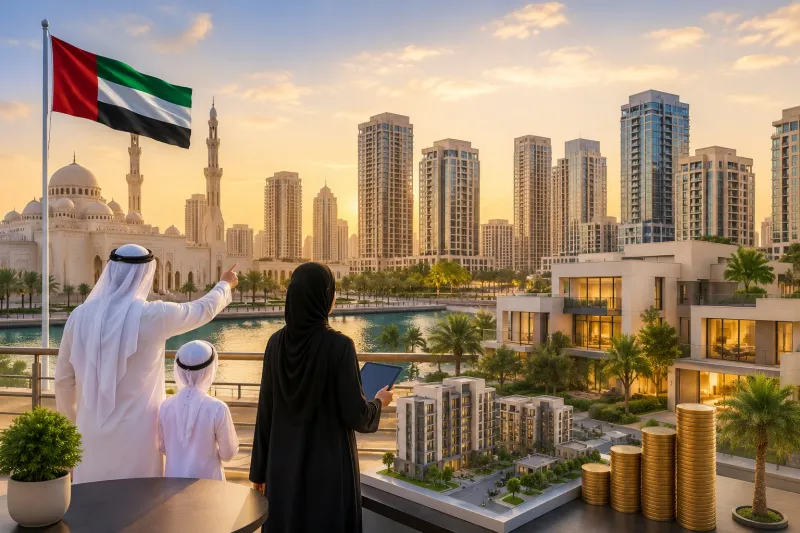
Several forces are converging to drive demand. Flight-to-safety buying has accelerated as regional conflict prompts capital reallocation to stable jurisdictions. At the same time, competitive yields compared with some global markets, favorable tax treatment and the emirate's reputation for political stability have made Abu Dhabi an attractive destination for both institutional and private buyers.
Role of policy and regulation
Government policy has supported the uptick. Recent visa reforms, investor-friendly ownership rules in selected zones and streamlined registration processes have reduced friction for foreign purchasers. Regulatory transparency and clearer titling mechanisms have also improved market confidence, enabling quicker transaction closings.
Price and rental dynamics
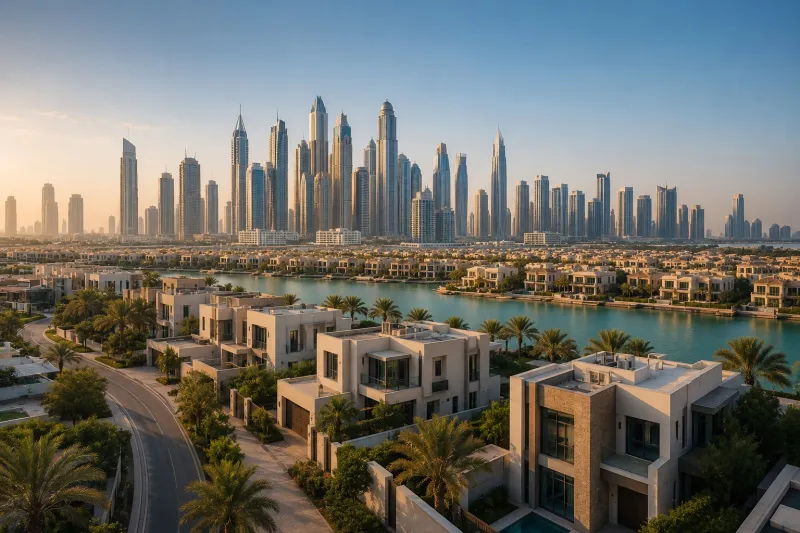
The sharp rise in transactions has translated unevenly into prices and rents. Prime waterfront and central neighborhoods have seen the strongest price growth, while mid-market suburbs report steadier rises. Rents in key expat corridors have increased as occupancy rates climbed, though some newly completed projects are tempering upward pressure by adding supply.
Which segments are winning
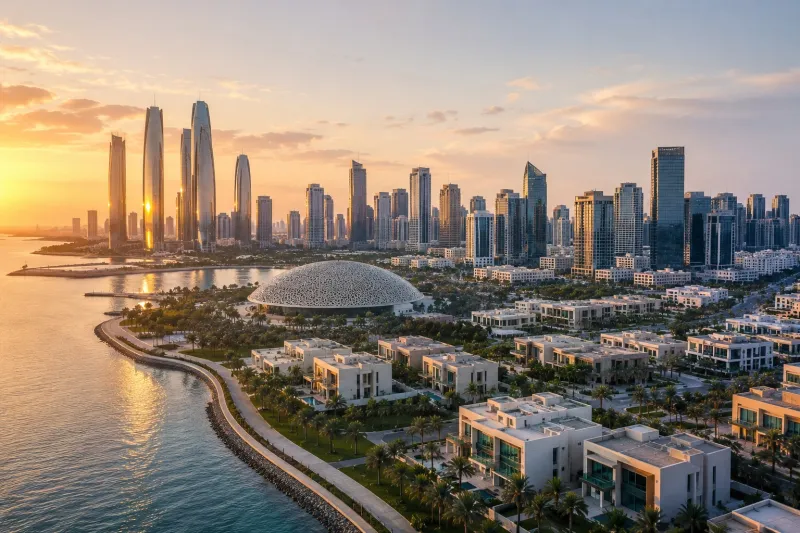
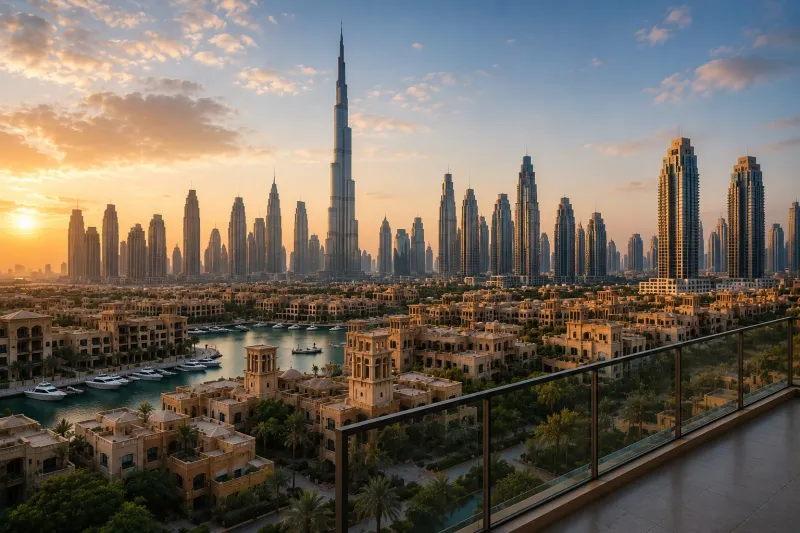
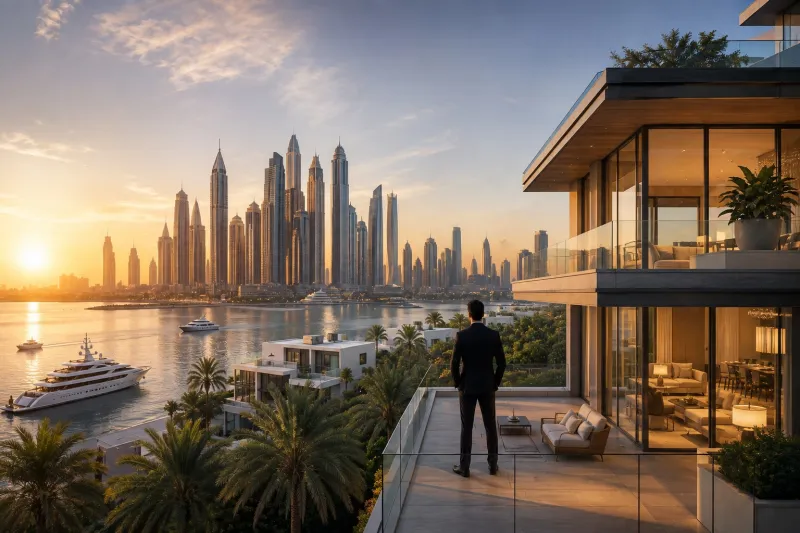
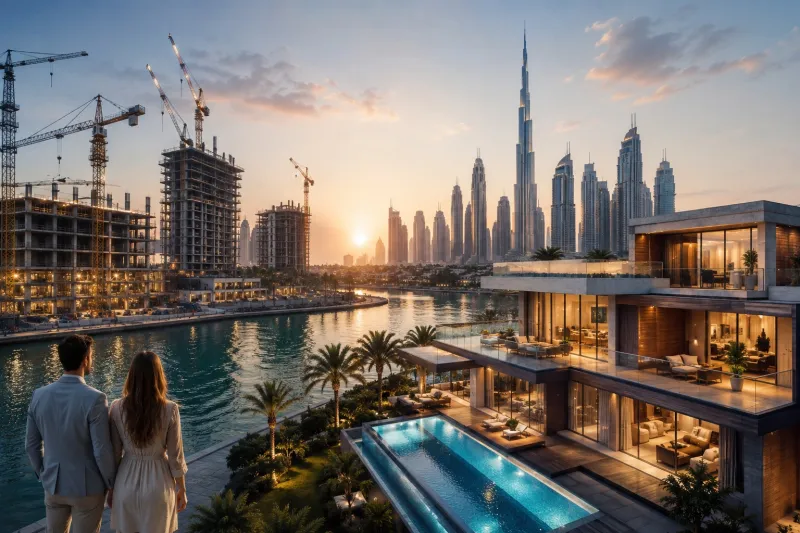
Not all segments benefit equally. Luxury apartments and villas tied to lifestyle and waterfront developments have outperformed, driven by international buyers seeking turnkey assets. Off-plan projects with credible developers have also sold well, whereas speculative land parcels and unconstrained low-quality inventory face more selective interest.
Financing and banking response
Local banks have responded by recalibrating mortgage products and underwriting standards. Competitive fixed-rate offerings and longer amortization options are appearing, but lenders remain vigilant on loan-to-value ratios and income verification amid geopolitical uncertainty. Available liquidity has helped pace transactions, although underwriting remains disciplined.
Developer strategies and construction pipeline
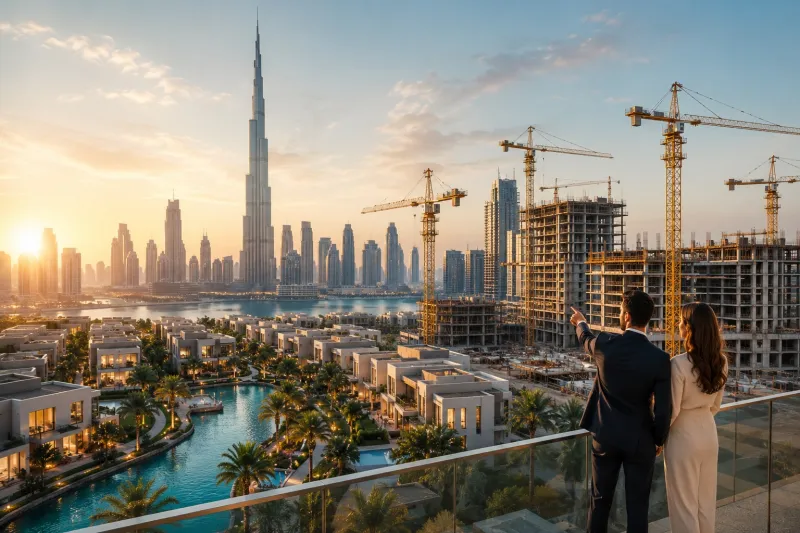
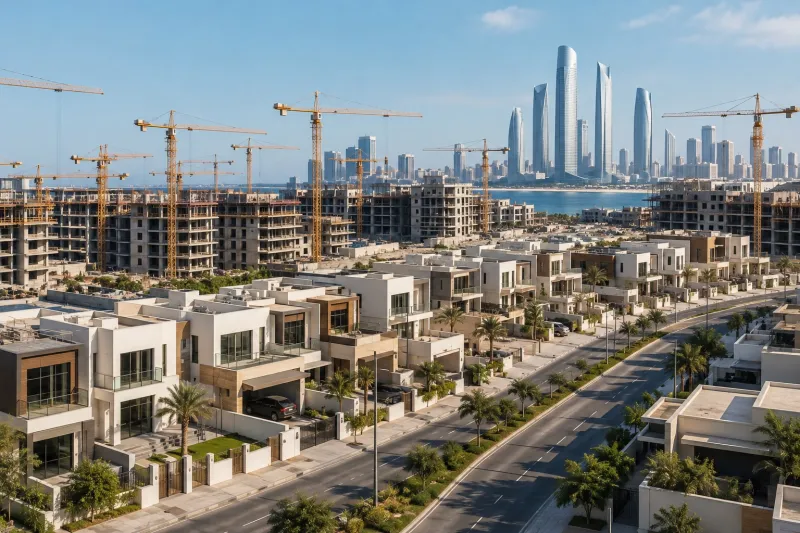
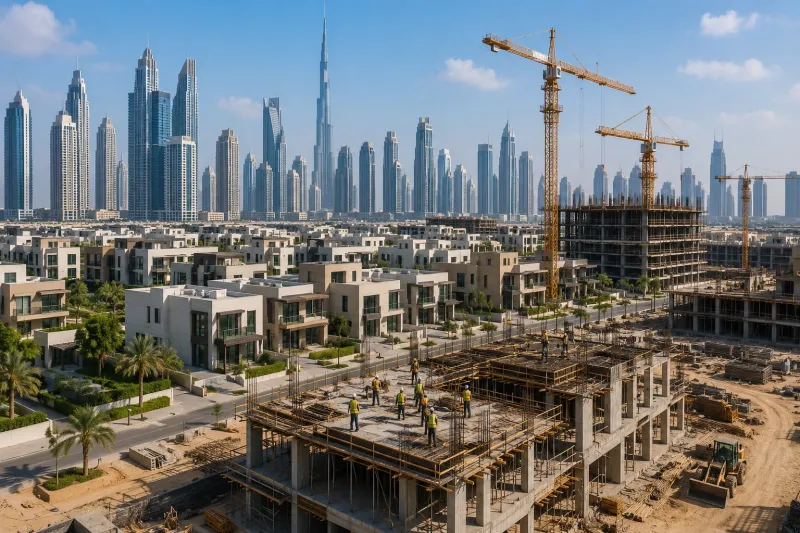
Developers are accelerating delivery and marketing to capture demand: some are bringing forward completions, while others introduce targeted payment plans to attract end-users. At the same time, the construction pipeline is being reassessed, with a renewed focus on quality, sustainability credentials and mixed-use projects that cater to long-term investor preferences.
Foreign investment flows
International capital has played a notable role in the surge. Buyers from Europe, Asia and the GCC are increasing allocations to Abu Dhabi real estate, viewing the emirate as a regional hub with diversified economy and resilient infrastructure. Private funds and family offices are selectively deploying capital into completed assets and stabilized rental properties.
Risks and headwinds
Despite momentum, risks remain. Prolonged regional instability could alter investor sentiment, insurance costs and supply chains. Rising construction costs and labor shortages could pressure margins and delivery schedules. Additionally, a rapid price run-up raises affordability concerns for local residents and could invite policy cooling measures if overheating signs intensify.
Wider economic and regional implications
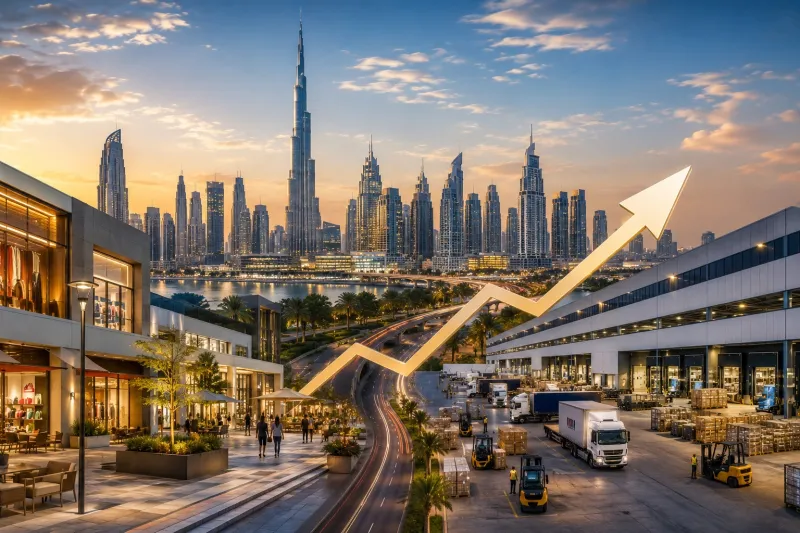
The property boom intersects with Abu Dhabi's broader economic goals: it supports diversification by attracting talent and capital, and it bolsters non-oil revenue through fees, services and investment inflows. Regionally, the emirate's strength may recalibrate flows between Gulf real estate markets as investors reassess risk-return profiles across neighboring cities.
Focused on delivering informative, accessible content