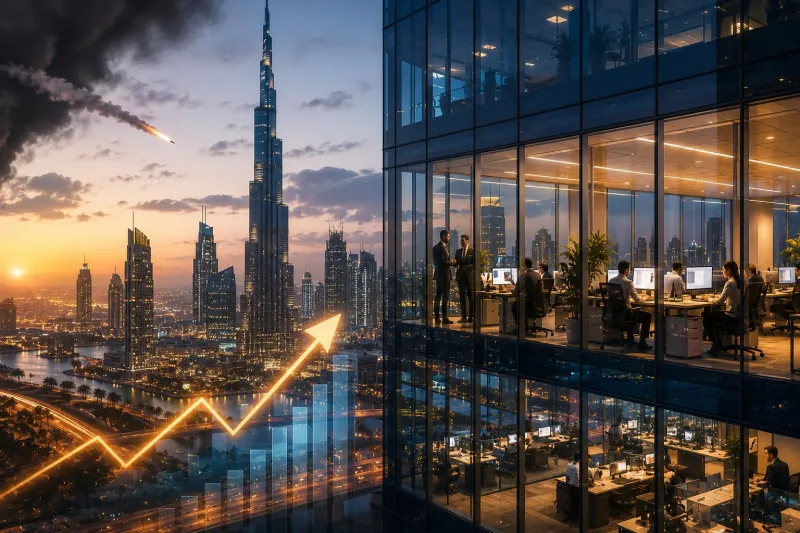
Dubai office market bucks geopolitical headwinds as demand outpaces supply
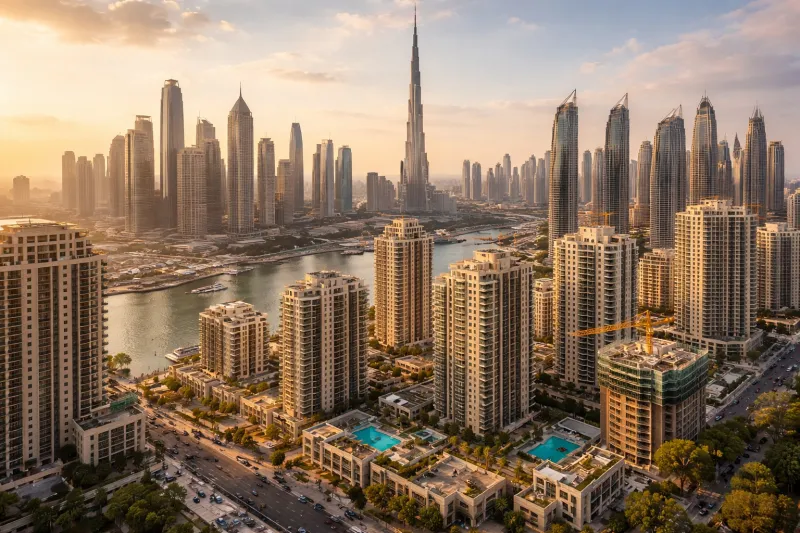
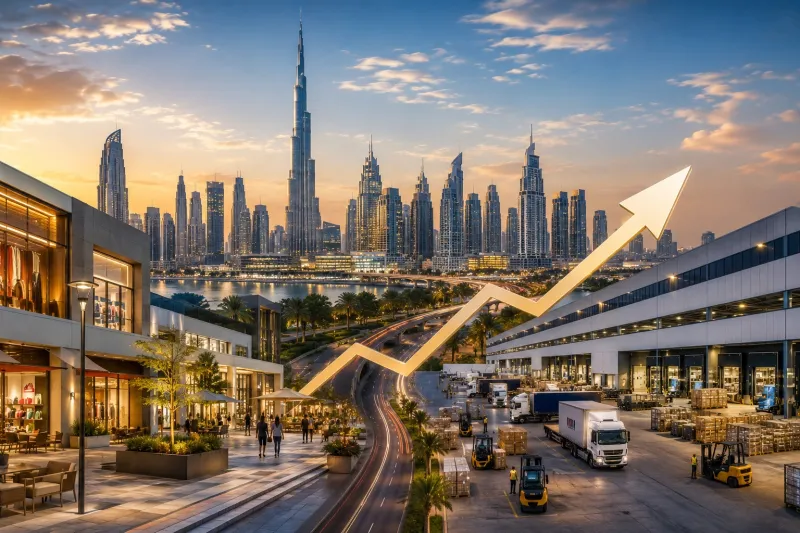
Despite ongoing geopolitical tensions across the Middle East and beyond, Dubai's office market has shown remarkable resilience. Demand for high-quality workspace continues to rise, while tangible supply constraints and strategic investor interest have pushed rents and occupier competition higher across key submarkets.
- market snapshot: resilience in uncertain times
- key demand drivers behind continued absorption
- supply dynamics: short-term scarcity of grade a stock
- rental performance and occupancy trends
- capital flows and investor appetite
- sectoral shifts: who is occupying space
- flexible space and coworking: supply trying to catch up
- pipeline and future completions
- policy environment and regulatory enablers
- implications for occupiers and developers
market snapshot: resilience in uncertain times
Dubai's office market has outperformed many global peers during periods of regional uncertainty. Rather than contracting, leasing enquiries and transactional activity have sustained momentum, particularly in premium corridors. This resilience stems from Dubai's role as a logistics, financial and regional hub and its ability to attract both multinational relocations and fast-growing local enterprises.
key demand drivers behind continued absorption
Multiple structural factors underpin demand growth: economic diversification policies, an expanding tech and fintech ecosystem, strong tourism and retail rebound, and strategic relocations from competing jurisdictions. Free-zone incentives and visa reforms such as long-term residency options have also encouraged firms to establish or expand regional headquarters in the emirate.
supply dynamics: short-term scarcity of grade a stock
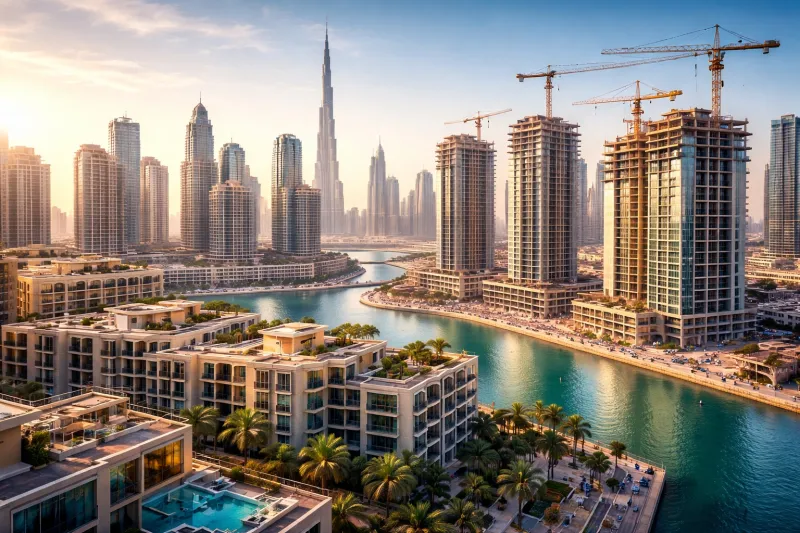
While a healthy development pipeline exists, short-term delivery constraints have created a scarcity of prime grade A offices in the most sought-after submarkets. Construction lead times, rising build costs and a pivot towards mixed-use and hospitality projects mean that new office supply is not keeping pace with immediate occupier demand.
rental performance and occupancy trends
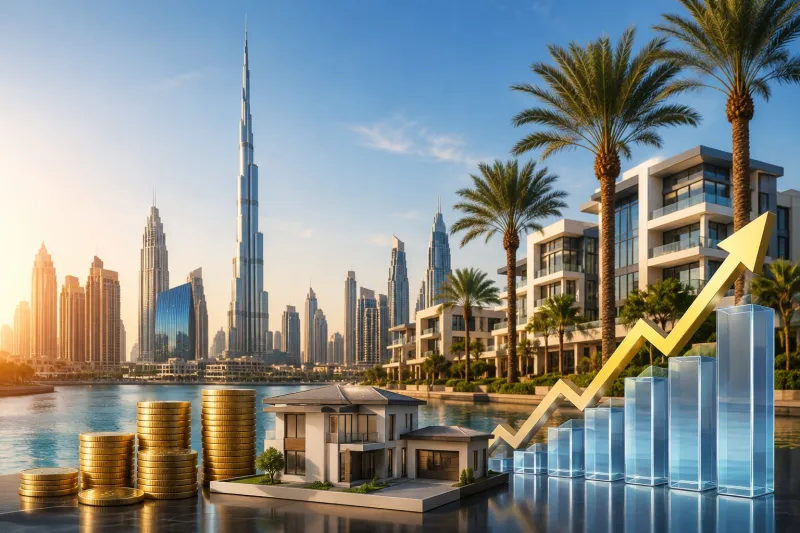
Rents in core areas have registered notable uplifts, particularly for fitted, plug-and-play space that meets corporate ESG standards. Occupancy rates in key locations have improved, driving landlords to be more selective and reducing the availability of large contiguous floorplates for institutional tenants.
capital flows and investor appetite
Investors, both regional sovereigns and international funds, are targeting Dubai office assets as a hedge against volatility elsewhere. Strong leasing fundamentals and yield compression in prime stock have made trophy offices attractive, while opportunistic capital is also active in refurbishments and conversions of older buildings into modern workspaces.
sectoral shifts: who is occupying space
Demand is increasingly diversified: finance, professional services and family offices remain key occupiers, while technology, e-commerce logistics teams and energy transition firms are expanding their footprints. This mix is driving requirements for both boutique headquarters and flexible satellite offices that support hybrid work models.
flexible space and coworking: supply trying to catch up
Flexible workspace operators have accelerated expansion to capture startup and scale-up demand, but high-quality flexible offerings are unevenly distributed. Landlords are responding by allocating premium fitted floors to flex operators or offering hybrid leasing solutions to meet occupier preferences for agility and short-term commitments.
pipeline and future completions
A meaningful volume of projects is slated for completion over the next 24–48 months, but much of this is earmarked for mixed-use schemes that balance retail, residential, and hospitality. Pure office-only developments remain limited, suggesting that supply will struggle to fully relieve pressure on prime office rents in the near term.
policy environment and regulatory enablers
Proactive government measures such as 100% foreign ownership rules in many sectors, simplified company setup, and the expansion of free zones like DIFC and ADGM continue to attract international business. Regulatory predictability and investment-friendly frameworks have helped insulate the market from sharper corrections tied to geopolitical shocks.
implications for occupiers and developers
Occupiers are adapting by securing space earlier, accepting longer pre-commitments or exploring build-to-suit solutions. Developers are prioritising premium, sustainable, and tech-enabled assets that command higher rents. The interplay of strong demand and constrained near-term supply is prompting strategic repositioning across the market from both tenants and landlords.
Focused on delivering informative, accessible content