Record-breaking Q1: Abu Dhabi property market hits AED 38.1 billion as investor demand surges
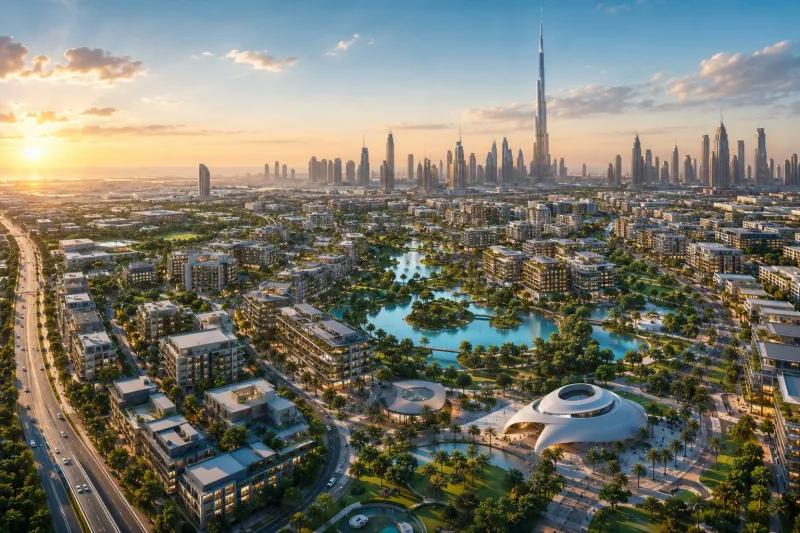
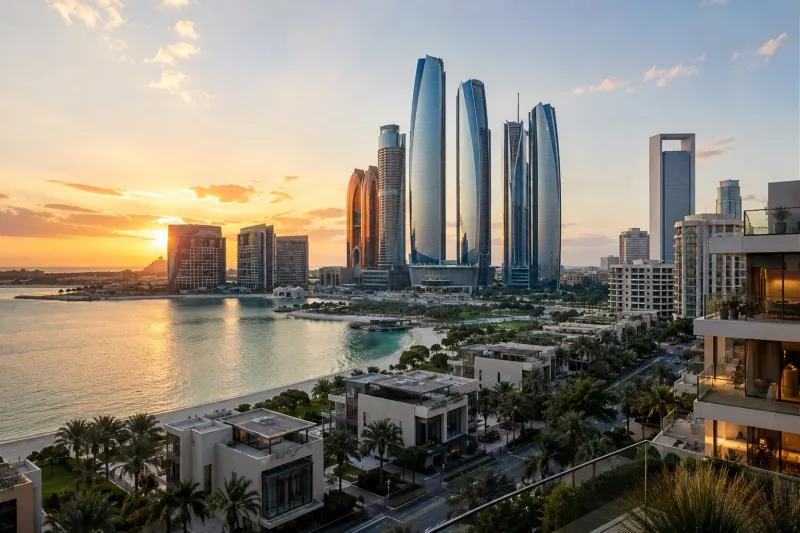
Abu Dhabi's property market posted a new quarterly high in Q1, with transactions totalling AED 38.1 billion, driven by a sharp acceleration in investor demand across residential and commercial segments. The milestone reflects strengthening confidence in the emirate's economic outlook, targeted policy measures and renewed interest from both regional and international buyers.
- Market snapshot and headline numbers
- Investor appetite surges
- Residential sector leads the growth
- Off-plan activity and new launches pick up pace
- Commercial and office market dynamics
- Policy, regulations and government support
- Foreign capital and international buyer trends
- Financing, mortgage trends and yields
- Infrastructure, tourism and event-driven demand
- Risks and challenges facing the market
Market snapshot and headline numbers
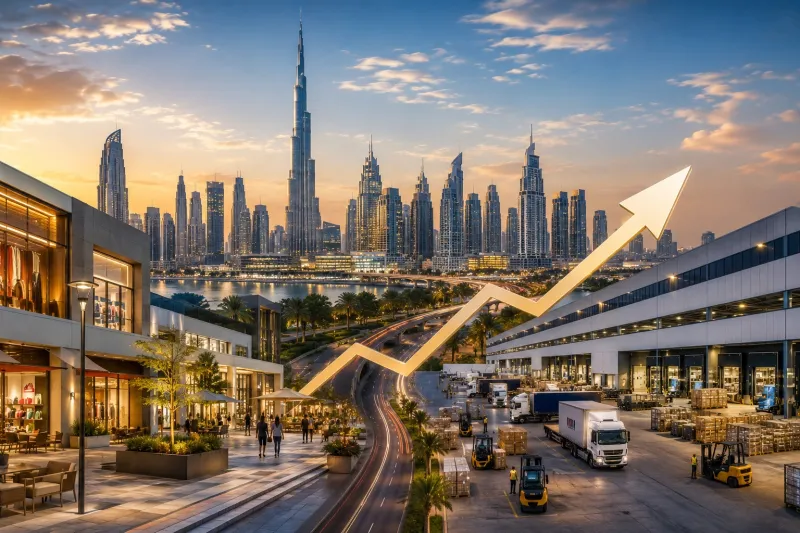
Q1's total of AED 38.1 billion represents the highest quarterly turnover on record for Abu Dhabi. The surge was broad-based, encompassing freehold sales, off-plan transactions and a meaningful share of commercial deals. Market participants reported higher transaction velocity, with notable activity concentrated in prime neighborhoods as well as emerging peripheral developments.
Investor appetite surges
Investor demand was the defining feature of the quarter. Institutional buyers, private wealth investors and opportunistic regional funds increased allocations to Abu Dhabi real estate, citing portfolio diversification, attractive relative yields and the emirate's political and economic stability. Anecdotal evidence suggests a pickup in buy-to-let strategies as well as buy-to-hold acquisitions by long-term capital.
Residential sector leads the growth
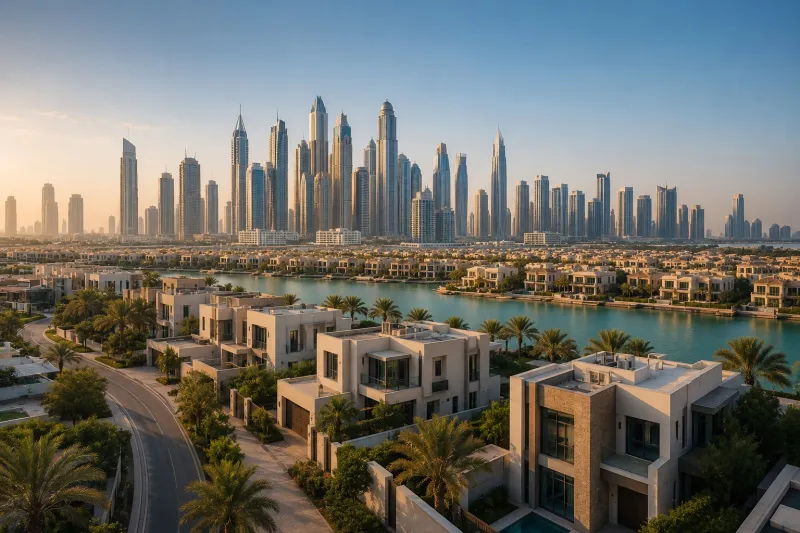
The residential market remained the engine of growth, with both villas and apartments seeing strong interest. High-net-worth individuals targeted prime waterfront and gated-community villas, while middle-market buyers and tenants fuelled demand for well-located apartments. New resale activity and resurgent interest in high-quality rental stock supported price resilience in many submarkets.
Off-plan activity and new launches pick up pace
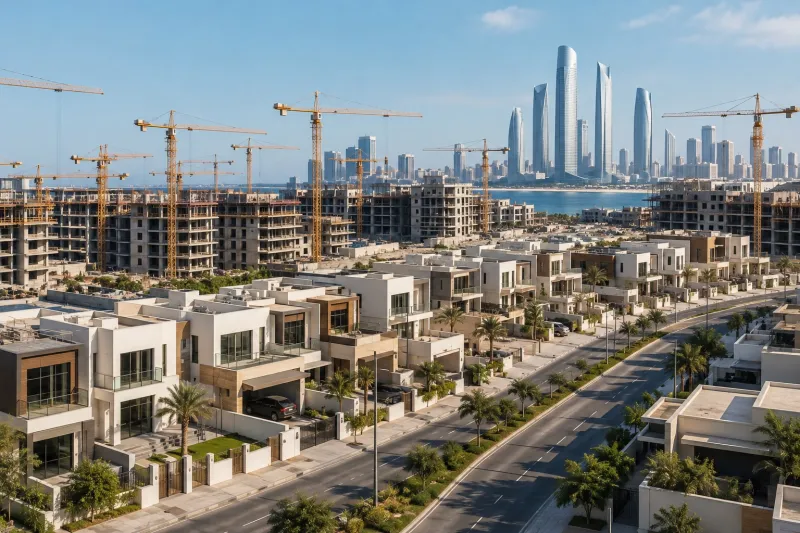
Developers responded to renewed investor confidence by accelerating releases of off-plan projects and refreshed masterplans. Flexible payment plans, early-buyer incentives and integrated community amenities were common marketing themes. The quarter also saw an increase in launches focused on mixed-use and lifestyle-led developments that target both end-users and investors.
Commercial and office market dynamics
Commercial real estate recorded notable transactions as occupier confidence and corporate expansion supported leasing and investment. Abu Dhabi's office market benefited from relocations and new regional headquarters openings, while retail and hospitality assets drew interest on the back of improved footfall and tourism-led recovery. Investors showed a preference for assets with clear income streams and long leases.
Policy, regulations and government support
Policy measures continued to underpin market momentum. Visa flexibility, investor-friendly ownership rules and targeted incentives contributed to an improved investment climate. Regulatory clarity around title transfers, escrow frameworks and developer obligations also increased buyer confidence. Public-sector infrastructure commitments further reinforced long-term development prospects.
Foreign capital and international buyer trends
International buyers returned in strength, with capital flows from Europe, Asia and the wider MENA region. Abu Dhabi's reputation for stability, combined with improving air connectivity and a growing cultural and leisure offer, attracted diaspora and foreign investors seeking stable real assets. Cross-border investors favoured transparent transactions and professionally managed properties.
Financing, mortgage trends and yields
Lending activity and mortgage availability supported purchases, particularly for end-users and repeat buyers. Banks maintained selective credit terms, while mortgage promotions and government-backed financing programmes helped first-time buyers. At the same time, investors continued to evaluate rental yields and total return potential, favouring assets that offer a balance of capital growth and recurring income.
Infrastructure, tourism and event-driven demand
Major infrastructure projects, improved transport links and a calendar of cultural and sporting events contributed to stronger real estate fundamentals. Increased tourism and business travel boosted short-term rental demand and hospitality investments, while long-term infrastructure plans enhanced connectivity between emerging masterplans and central districts, making peripheral projects more investible.
Risks and challenges facing the market
Despite robust activity, the market faces risks that investors should monitor. Potential headwinds include future supply additions, interest rate volatility, inflationary pressure on construction costs and possible shifts in global capital flows. Careful due diligence, sensitivity analysis and attention to micro-market dynamics remain essential for those seeking to capitalise on current momentum.
Focused on delivering informative, accessible content