Dubai residential sales dip 16% as market enters cooling phase
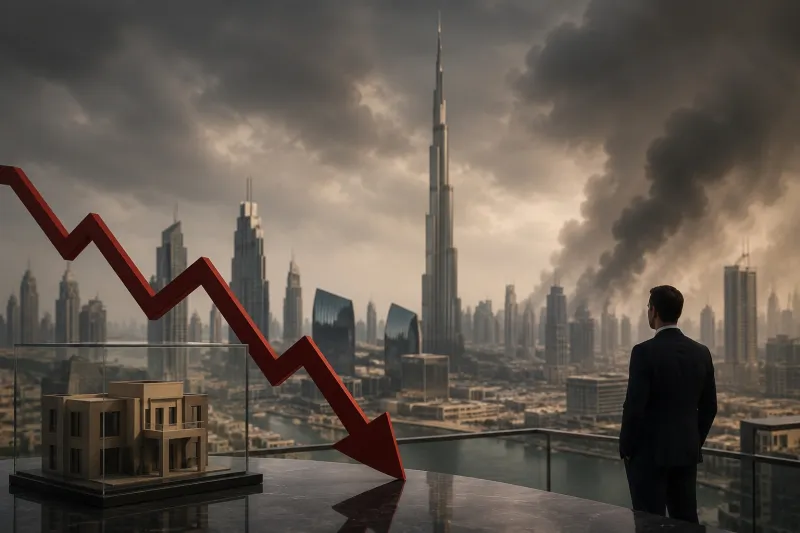
The Dubai residential property market has recorded a 16% decline in sales volumes year-on-year, signaling a shift from the rapid post-pandemic boom to a more measured, cooling phase. While prices remain elevated in many prime locations, softer demand, rising borrowing costs and an increasing pipeline of supply are reshaping transaction dynamics across the emirate.
- market snapshot: the numbers behind the slowdown
- demand-side drivers: affordability and rising rates
- supply-side pressures and new project pipelines
- investor behavior: from speculation to selectivity
- rental market interaction with sales performance
- developer responses: incentives and price adjustments
- policy and regulatory context
- submarket divergence: winners and losers
- implications for buyers and sellers
- what analysts are watching next
market snapshot: the numbers behind the slowdown
Sales volumes fell 16% compared with the same period last year, according to multiple market trackers. Transactions in freehold and off-plan segments have both been affected, with off-plan activity particularly sensitive to changing buyer sentiment. Average time-on-market has increased in several submarkets, and while headline prices have not collapsed, weekly and monthly turnover metrics paint a clearer picture of cooling demand.
demand-side drivers: affordability and rising rates
Global interest rate rises have translated into higher mortgage costs in the UAE, squeezing affordability for many buyers. Mortgage approvals have tightened, and some buyers have paused purchases to reassess financing conditions. At the same time, wage growth and cost-of-living pressures in expatriate communities are weighing on discretionary property investment, reducing the pool of immediate purchasers.
supply-side pressures and new project pipelines
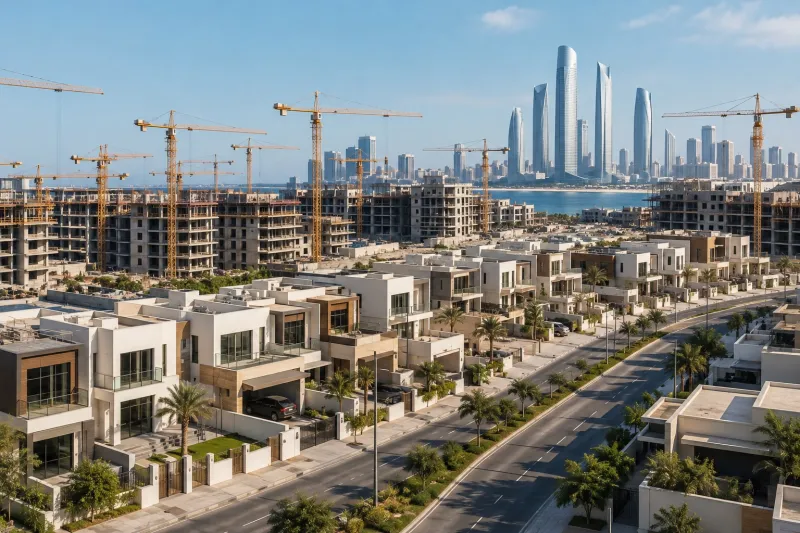
Developers continue to release new projects, particularly in emerging residential corridors, adding to the available inventory. While delivery schedules vary, the pipeline of upcoming units is large enough to absorb some of the incremental demand, constraining upward price momentum. In established neighborhoods, resale stock has also increased as some investors seek to liquidate holdings rather than hold through a prolonged adjustment.
investor behavior: from speculation to selectivity
During the boom, speculative buying was a significant contributor to volume. The cooling phase has shifted investor priorities toward yield and capital preservation. Buyers are becoming more selective, favoring properties with stronger rental prospects, established developer reputations and clear delivery timelines. This selective demand has created divergence in performance between prime and secondary assets.
rental market interaction with sales performance
The rental market remains an important barometer. In areas where rents have continued to rise, investor appetite is steadier because of attractive yields. Conversely, neighborhoods with stagnant or falling rents are experiencing weaker buyer interest. Tenant demand patterns driven by corporate relocations, visa rules, and population trends therefore have a direct influence on where sales slow most markedly.
developer responses: incentives and price adjustments
To counter slowing sales, many developers are reintroducing incentives such as payment plans, reduced premiums and temporary price discounts. Some are also pivoting marketing strategies to target end-users rather than purely investors. These measures can spur short-term transactions but also indicate a willingness to trade margin for velocity in a softer market.
policy and regulatory context
Government policy and regulation continue to shape market sentiment. Initiatives aimed at strengthening transparency, improving title processes and facilitating foreign investment remain supportive long term. However, any regulatory tightening around lending criteria or speculative activity could accelerate the current slowdown as participants recalibrate risk assessments.
submarket divergence: winners and losers
The cooling is not uniform. Prime waterfront and central business district locations with limited new supply have shown greater resilience, while peripheral and newly developed districts are seeing larger falls in transactions. Price corrections, where they occur, are more pronounced in segments that experienced the steepest previous gains, amplifying the divergence between 'winners' and 'losers'.
implications for buyers and sellers
Buyers now have greater negotiating power in many segments and can secure more flexible payment terms and concessions. Sellers, especially those who purchased at peak pricing, may face longer marketing periods or need to adjust expectations. For both parties, due diligence and realistic valuation are becoming increasingly important as market dynamics evolve.
what analysts are watching next
Analysts will monitor three key indicators: transaction volumes, new supply deliveries, and mortgage lending trends. Changes in regional macroeconomic conditions and international capital flows will also be pivotal. While a 16% sales decline signals cooling, market participants are closely watching for stabilization signals such as steadying prices, improved liquidity, or shifts in monetary policy that could mark the next phase of the cycle.
Focused on delivering informative, accessible content