Dubai property market narrows focus as industrial and retail demand strengthens
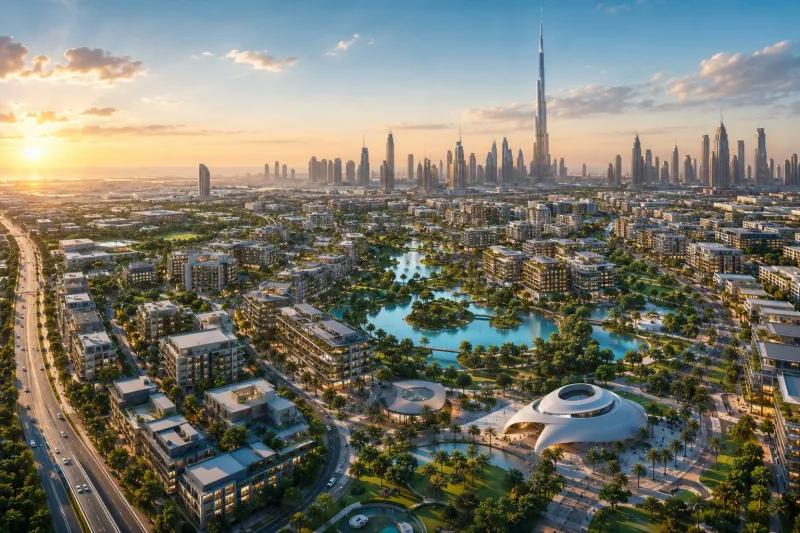
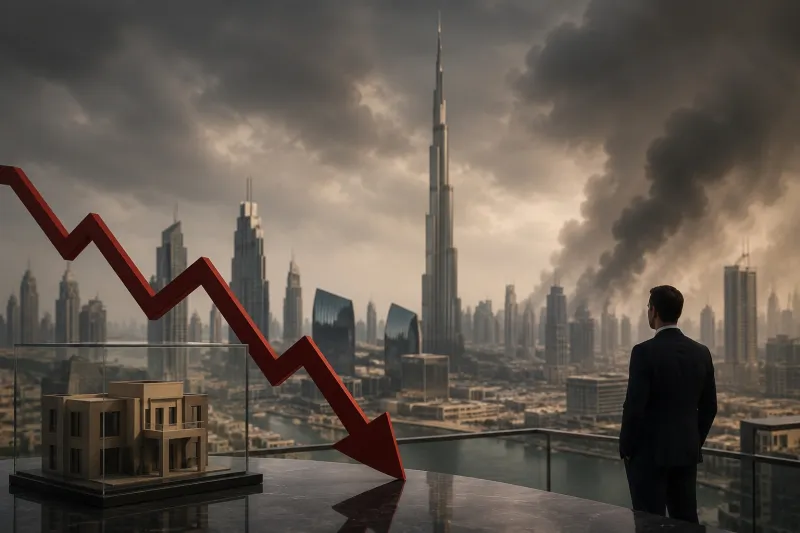
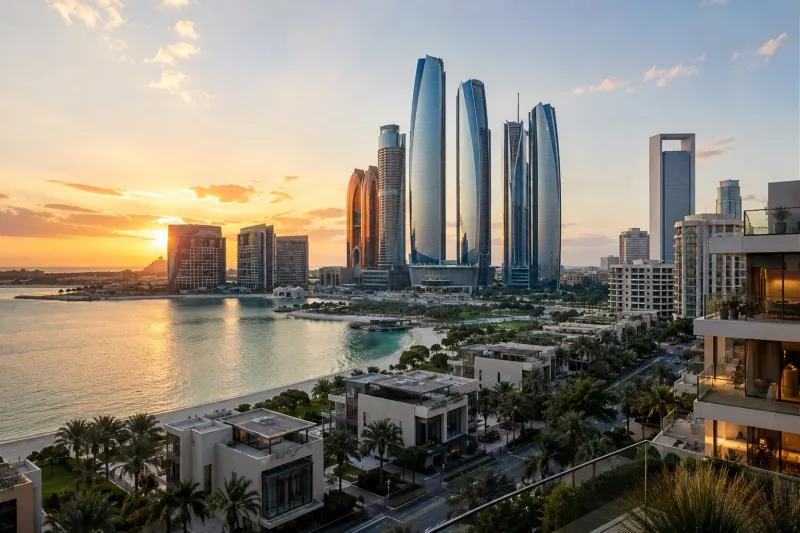
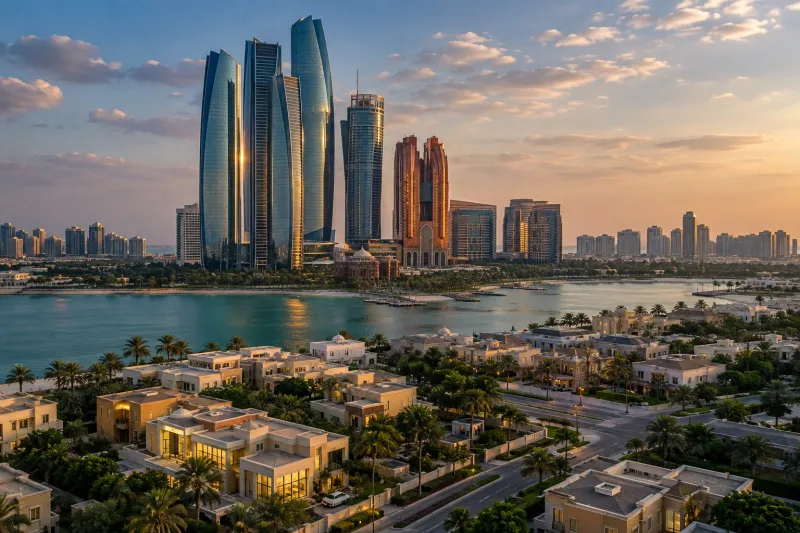
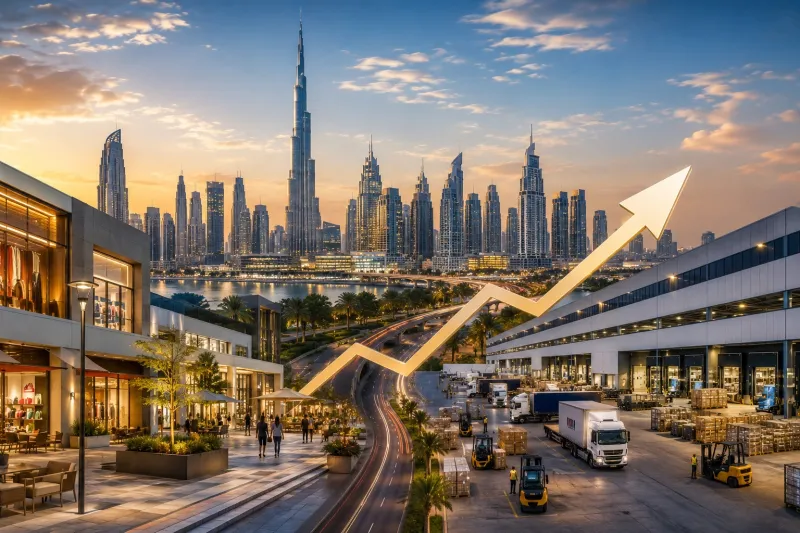
The Dubai property market is evolving from a broad-based rebound into a more selective environment, where industrial and retail segments are showing stronger momentum than some residential sub-markets. Investors, occupiers and developers are recalibrating strategies to capture growth pockets while managing risk amid changing supply dynamics and shifting demand drivers.
- Market overview
- Shift toward selective demand
- Industrial sector leads the recovery
- Retail demand rebounds with tourism and e-commerce
- Divergence between luxury and mid-market segments
- Rents, yields and pricing dynamics
- Supply pipeline and project phasing
- Financing, investor appetite and foreign flows
- Policy, regulation and planning responses
- What buyers and developers are prioritizing
Market overview
After several years of rapid expansion and a post-pandemic correction, Dubai's real estate landscape is entering a phase of differentiation rather than uniform growth. Transaction volumes and capital flows are concentrated in sectors with clear income generation and operational demand, while speculative activity in less liquid sub-markets has cooled. Macro factors such as tourism recovery, logistics demand and policy incentives continue to underpin the city's attractiveness to regional and international investors.
Shift toward selective demand
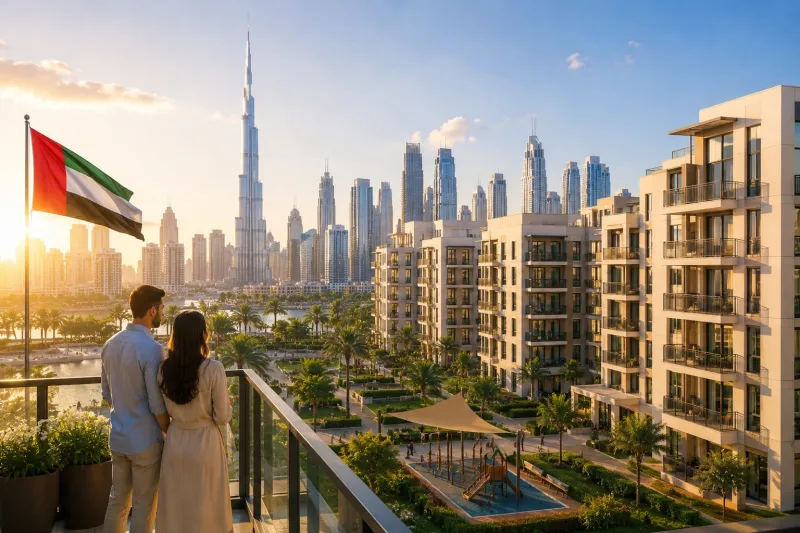
Buyers and tenants are becoming more discerning, prioritizing assets that offer stable cash flow, adaptability and proximity to economic nodes. This selectivity affects pricing power: prime assets in logistics hubs or high-traffic retail locations command premiums, whereas outlying, undifferentiated residential projects face longer sales cycles. The market's new configuration favors quality, location and operator strength over sheer volume of new launches.
Industrial sector leads the recovery
The industrial segment, including warehousing, light manufacturing and last-mile logistics, has been a standout performer. Robust e-commerce growth and supply-chain reconfiguration have driven take-up in Dubai’s dedicated logistics parks and free zones. Vacancy rates have tightened for modern industrial stock, rental growth has accelerated in strategic corridors, and developers are prioritizing net-zero-ready and high-clearance facilities to meet tenant requirements.
Retail demand rebounds with tourism and e-commerce
Retail has seen a stronger-than-expected recovery as tourism returns and omnichannel retail models expand. Malls and high-street locations that combine experiential offers, F&B and leisure are achieving higher footfall and improving sales per square metre. At the same time, demand for showrooms and flexible retail formats that support e-commerce distribution has risen, creating crossover opportunities between retail and light industrial assets.
Divergence between luxury and mid-market segments
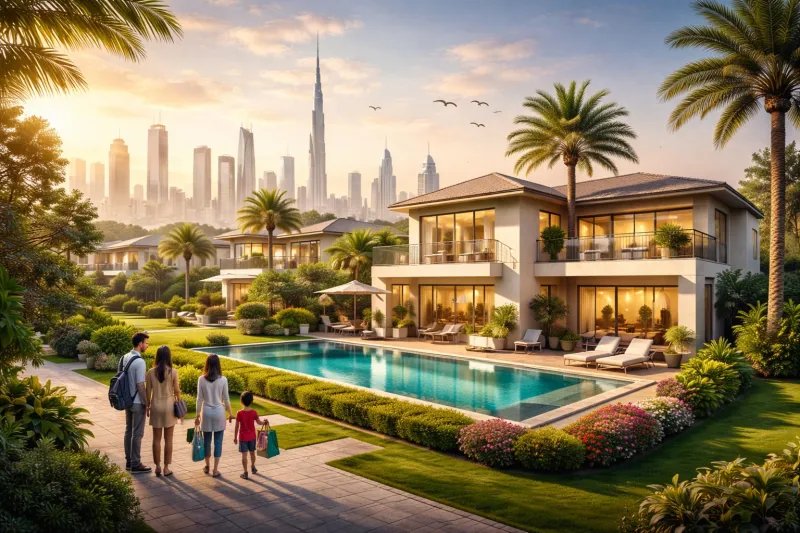
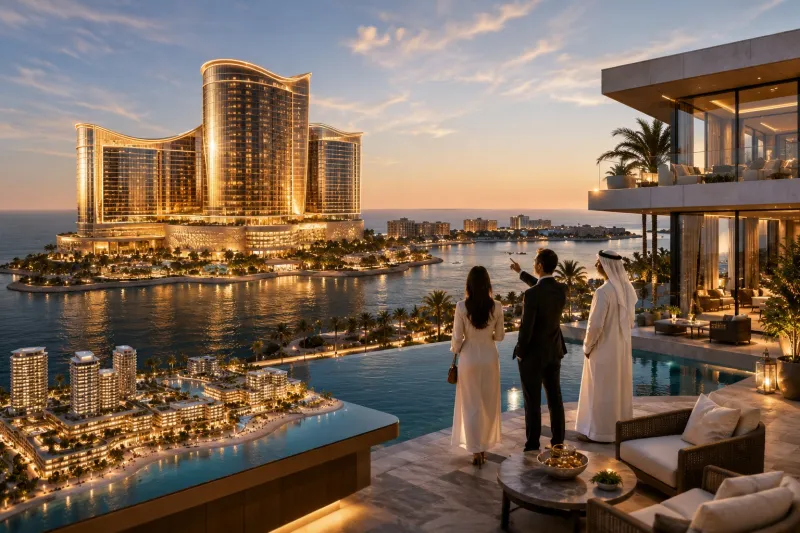
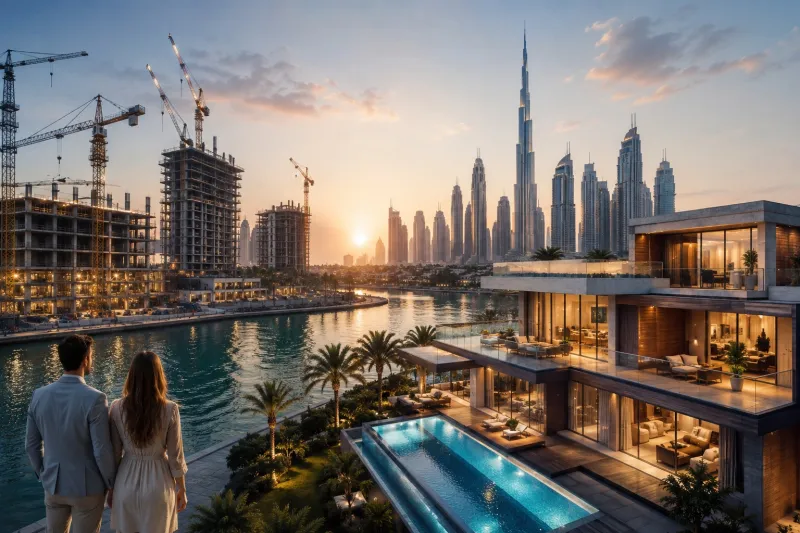
Not all residential segments are moving in step. The luxury market, propelled by high-net-worth inflows, flagship projects and lifestyle demand, remains resilient and selective, while certain mid-market and affordable sub-sectors face inventory pressure. This divergence is prompting developers to reposition schemes, upgrading specifications in some cases, accelerating handovers in others to better match targeted buyer profiles and improve absorption rates.
Rents, yields and pricing dynamics
Rental trajectories differ markedly across asset classes: industrial rents are rising fastest, prime retail is seeing steady gains, and residential rentals are stabilizing with pockets of upward pressure. Yield compression is evident where income visibility is high; investors chasing defensive, income-generating assets are willing to accept lower entry yields. Conversely, assets requiring active management or repositioning still offer higher prospective returns to compensate for execution risk.
Supply pipeline and project phasing
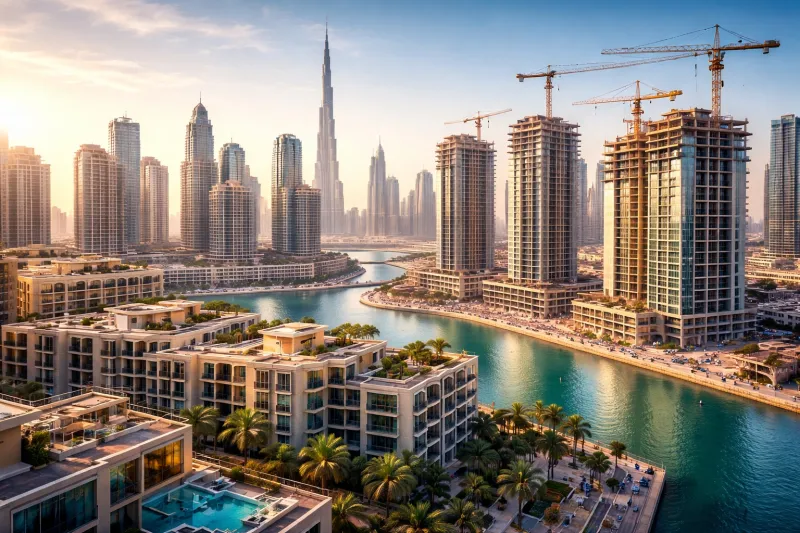
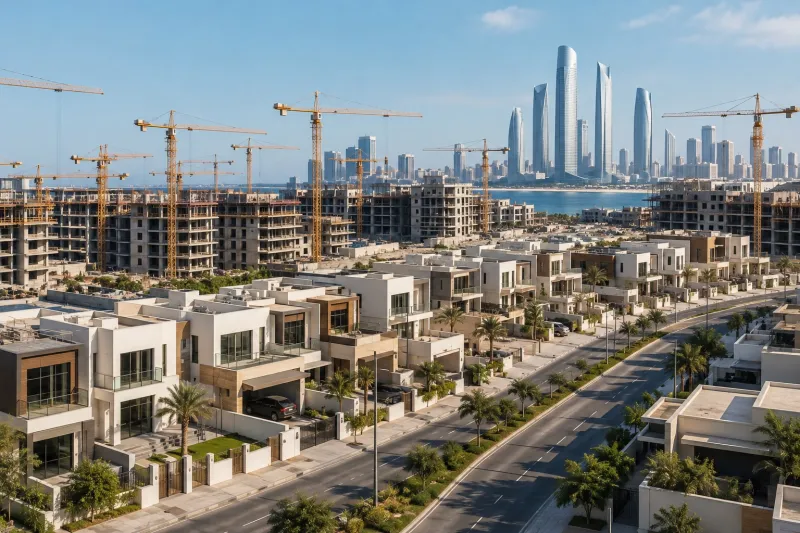
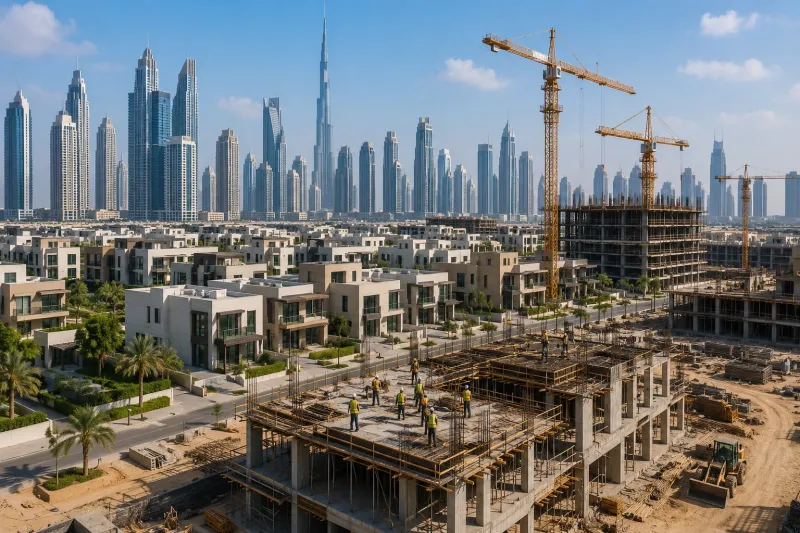
Developers are recalibrating pipelines to reduce exposure to oversupplied segments and to phase delivery in line with demand. Industrial and retail projects with pre-leases or retail tenancy commitments are moving forward more quickly, while speculative residential launches have slowed. This careful phasing improves market balance and helps maintain pricing discipline for completions targeting institutional occupiers and strong retail operators.
Financing, investor appetite and foreign flows
Access to capital remains a decisive factor: banks and institutional lenders are favoring projects with pre-lets, transparent cashflows and experienced sponsors, while foreign capital continues to flow into Dubai albeit with increased selectivity. Sovereign and global funds are active in large-scale logistics and prime retail assets, whereas smaller speculative residential plays find it harder to secure favourable financing. Currency stability and favorable residency-related incentives sustain cross-border interest.
Policy, regulation and planning responses
Regulators and municipal authorities are responding with measures designed to support sustainable growth and investor confidence. Initiatives include streamlined permitting for logistics facilities, incentives for retail activation and policies to increase transparency in off-plan sales and escrow management. Strategic planning continues to encourage mixed-use nodes that integrate living, working and logistics functions to reduce commute times and improve asset resilience.
What buyers and developers are prioritizing
Market participants are adjusting priorities to align with the new selective environment. Buyers emphasize location, yield stability and serviceability, while developers focus on pre-leases, flexible floorplates and sustainability credentials. Key priorities include:
- Securing long-term tenants or pre-sales before construction
- Designing adaptable spaces that can shift between retail, showroom and logistics uses
- Investing in ESG and energy-efficiency to meet tenant and regulatory expectations
These shifts indicate a market that rewards careful underwriting and operational excellence rather than speculative scale alone.
Focused on delivering informative, accessible content