Dubai property market pivots to long-term investment as resident buyers drive demand
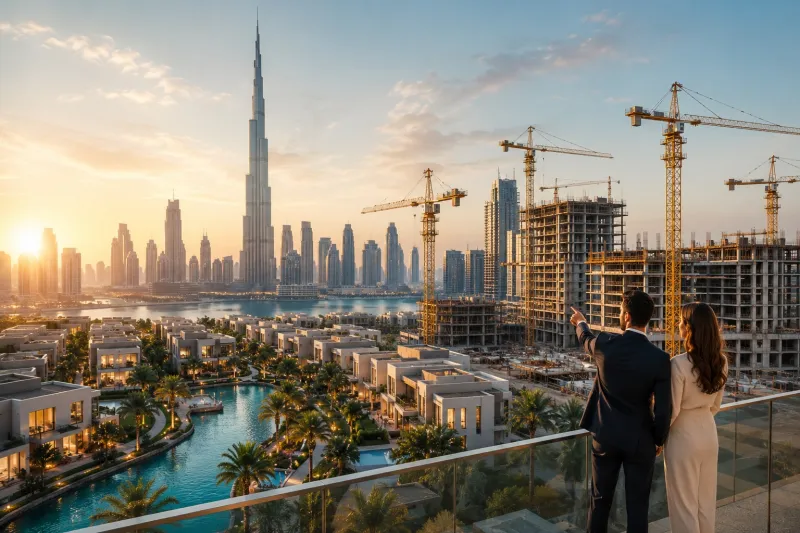
The Dubai property market has been undergoing a notable shift: demand is increasingly being driven by resident buyers seeking long-term holdings rather than short-term speculative gains. This transition reflects changes in policy, financing, lifestyle preferences and developer offerings, positioning the emirate as a more stable investment hub for those living and working in the city.
- Market overview
- Resident buyer profile
- Policy and visa reforms supporting ownership
- Financing and mortgage landscape
- Shifts in supply and product mix
- Rental market and yield considerations
- Hotspots and product preferences
- Developer strategies to attract long-term investors
- Risks and market headwinds
- Institutional interest and capital flows
Market overview
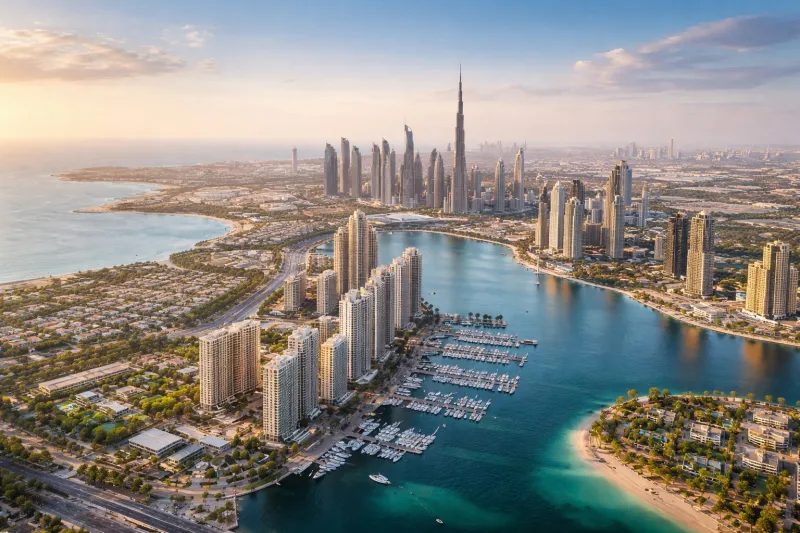
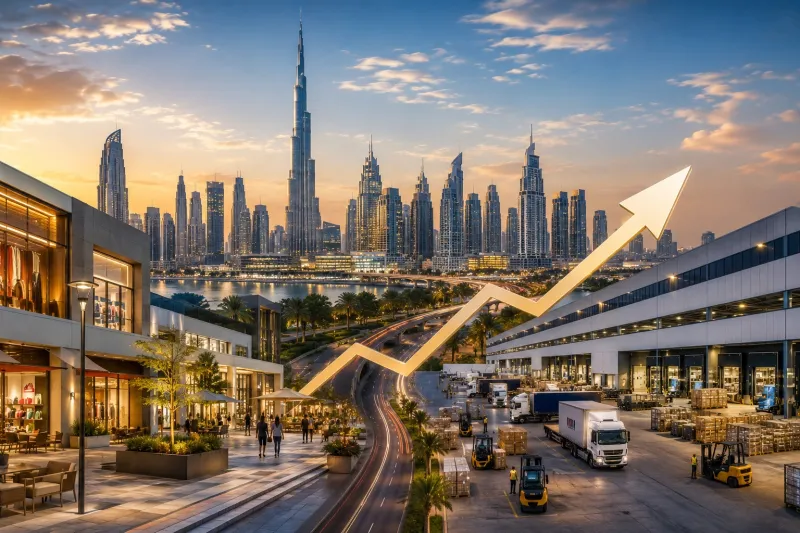
Dubai's real estate market has matured from a cyclical, speculation-driven environment to one characterized by steady, sustainable demand. Recent transactional activity shows higher proportions of end-user and resident purchases compared with previous years when off-plan speculation dominated. This evolving profile is reshaping price dynamics, vacancy rates and the types of projects that gain traction among both developers and investors.
Resident buyer profile
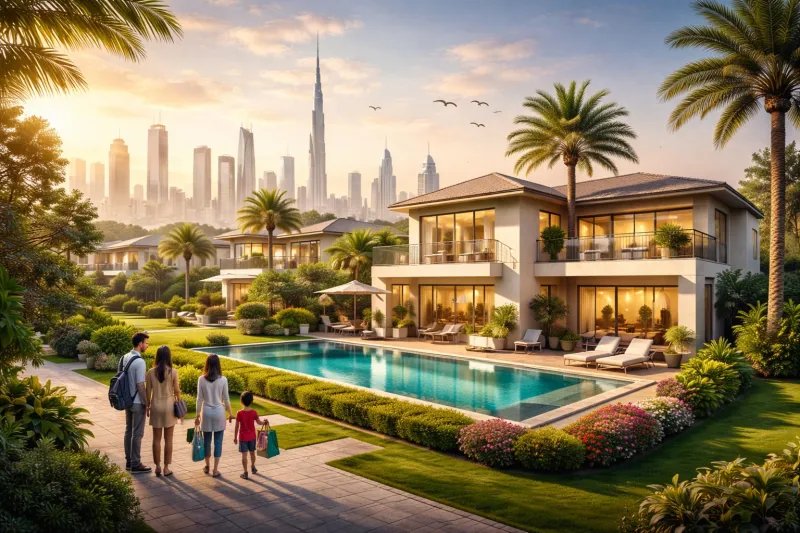
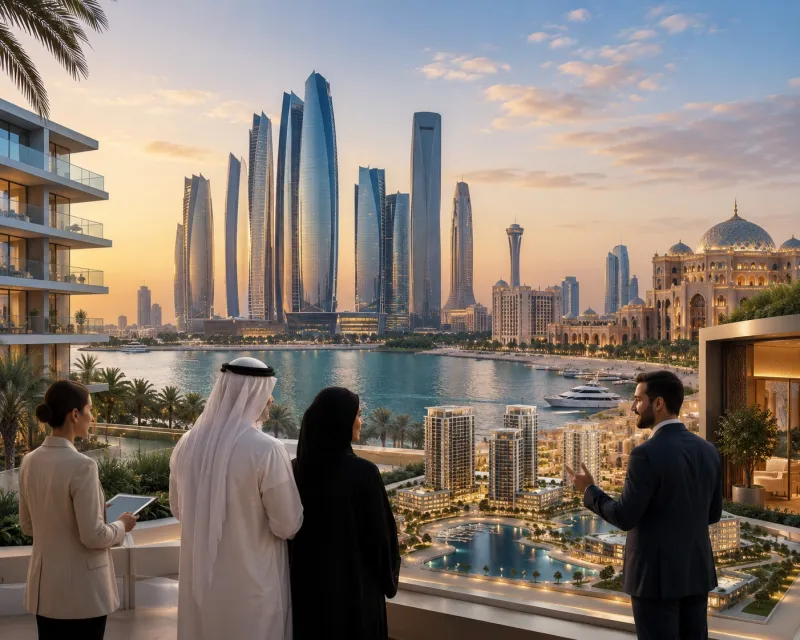
Resident buyers now encompass a diverse mix of expatriates, long-term professionals and returning nationals who prioritize stability, amenities and capital preservation. Many are purchasing as primary residences, for multigenerational planning or to secure rental income over time. Their buying criteria often emphasize proximity to schools, transport links and employment centres rather than short-term capital appreciation.
Policy and visa reforms supporting ownership
Government reforms such as extended residency visas, investor visas and easier family sponsorship have made property ownership more attractive to residents. These policy shifts reduce the friction of long-term settlement and increase willingness to commit to local real estate. As residency becomes less transient, buyer confidence in holding property for the long term has strengthened.
Financing and mortgage landscape
Local banks and mortgage providers have broadened products for residents, with competitive interest rates and longer amortization options encouraging purchases for owner-occupation and buy-to-let portfolios. Improved mortgage availability for expatriates, combined with higher loan-to-value ratios in certain segments, has lowered entry barriers. Developers have also introduced payment plans tailored to long-term investors who prefer staged capital deployment.
Shifts in supply and product mix
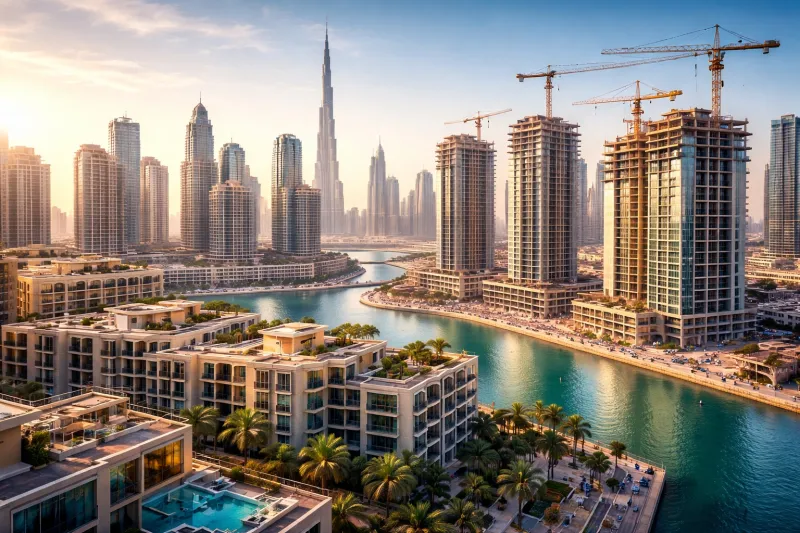
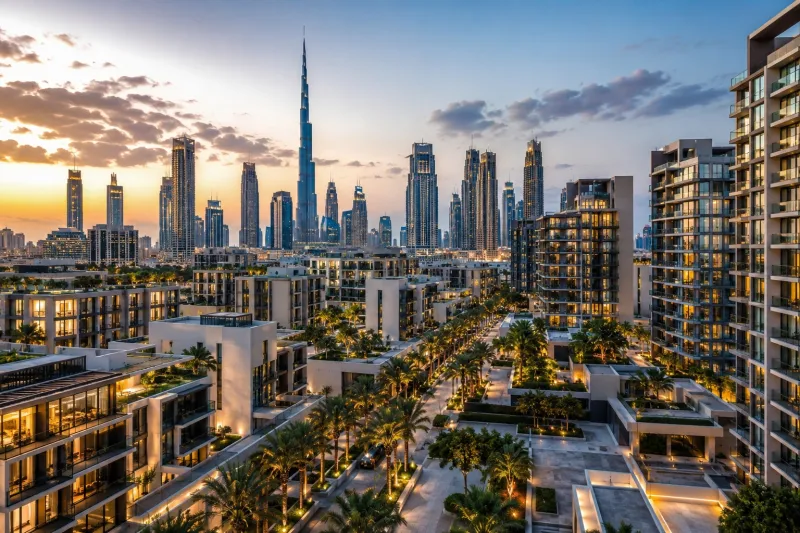
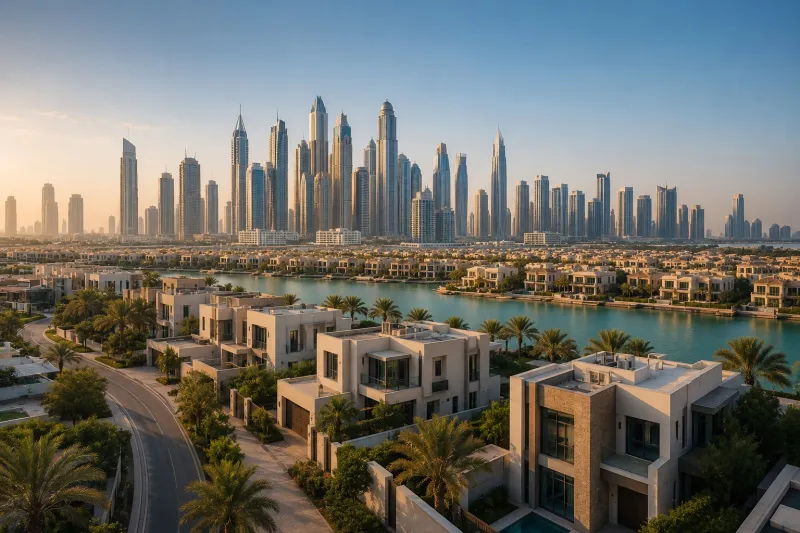
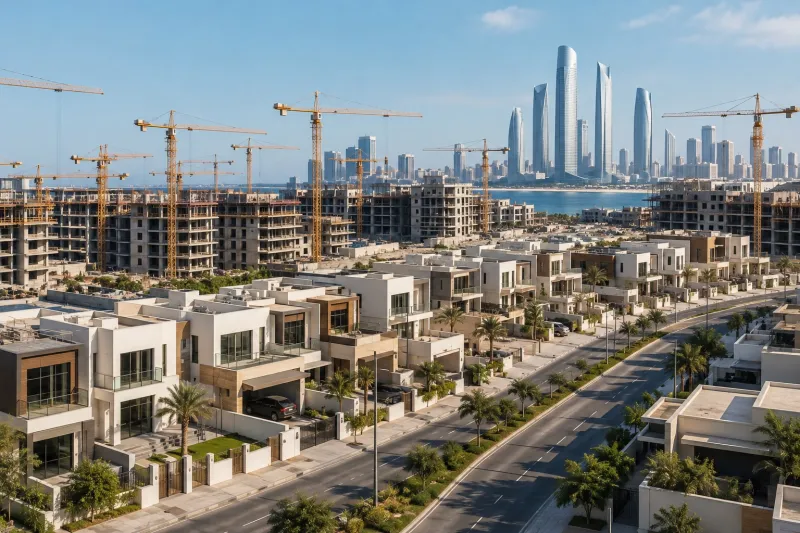
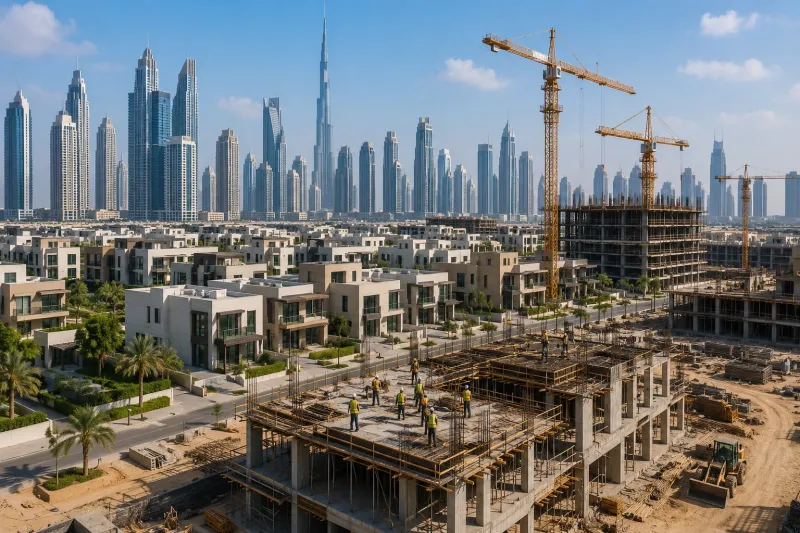
Developers are increasingly aligning supply with resident demand by focusing on family-sized units, integrated communities and amenities that support everyday living. There is rising interest in mid-market and affordable-quality housing as well as townhouse and villa projects that appeal to long-term occupiers. Off-plan launches are being structured to attract end-users, with quality and completion certainty becoming key selling points.
Rental market and yield considerations
With more resident buyers purchasing for rental income, landlords are emphasizing rental stability over speculative yield spikes. Neighborhoods with consistent demand from professional tenants and families are experiencing stronger, steadier rent growth. Investors are increasingly analyzing net yields after service charges and taxes, focusing on long-term cash flow rather than short-lived capital gains.
Hotspots and product preferences
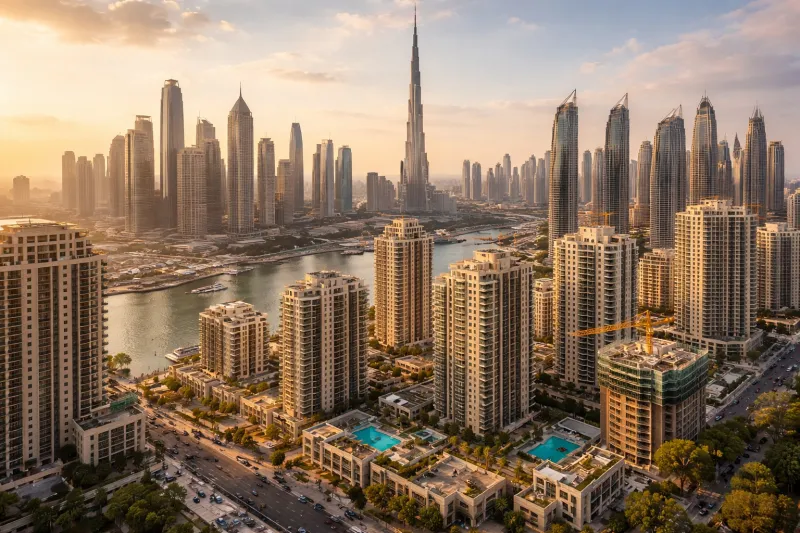
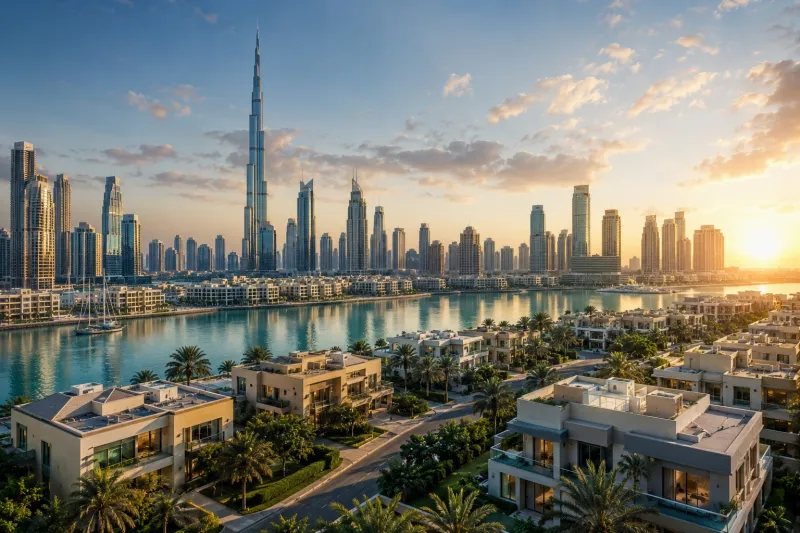
Established areas close to business districts, international schools and transport corridors remain popular among resident buyers, while new communities offering integrated lifestyle features are gaining traction. There is noticeable demand for ready-to-move-in properties as well as well-located mid-rise developments that balance affordability with quality. Waterfront and green-community projects continue to command interest for those seeking long-term lifestyle value.
Developer strategies to attract long-term investors
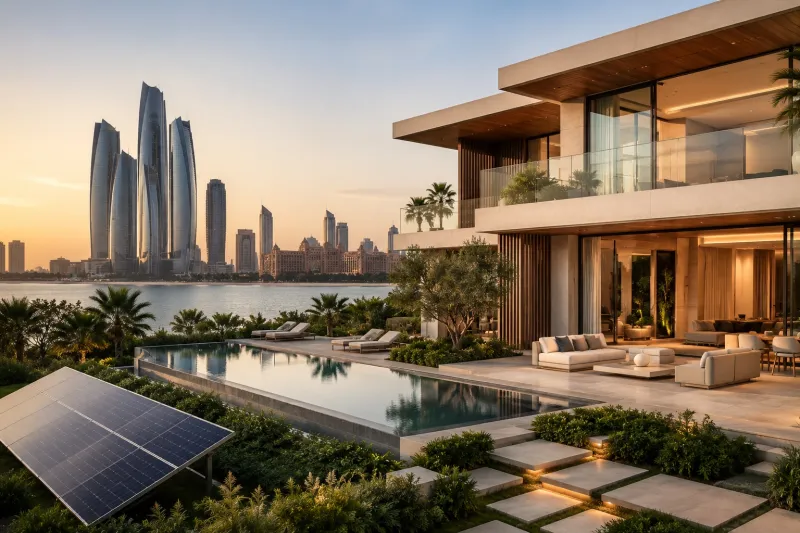
Developers are adapting marketing, design and delivery approaches to appeal to resident investors: extended warranties, stronger post-handover support and community amenities that enhance everyday living. Many are partnering with rental management firms and offering buy-back or rental guarantees to reduce perceived risk. Emphasis on construction quality, sustainability credentials and transparency around completion timelines helps build trust with buyers focused on long-term ownership.
Risks and market headwinds
Despite positive trends, risks remain: interest-rate volatility, regional geopolitical tensions and pockets of oversupply could pressure certain segments. Long-term investors must conduct due diligence on developer track records, service charge levels and localized demand fundamentals. Currency fluctuations and changing global economic conditions may also influence expatriate buyer sentiment and repatriation decisions.
Institutional interest and capital flows
Institutional investors and specialized funds are increasingly viewing Dubai as a viable destination for long-term allocations, attracted by transparent regulations and improving rental fundamentals. Platforms offering fractional ownership, build-to-rent schemes, and institutional-grade residential portfolios are emerging to meet demand. This inflow of professional capital can deepen market liquidity and support a transition toward a more mature, investment-grade residential market.
Focused on delivering informative, accessible content