Dubai property market pivots to long-term investment as buyers chase stability and rental returns
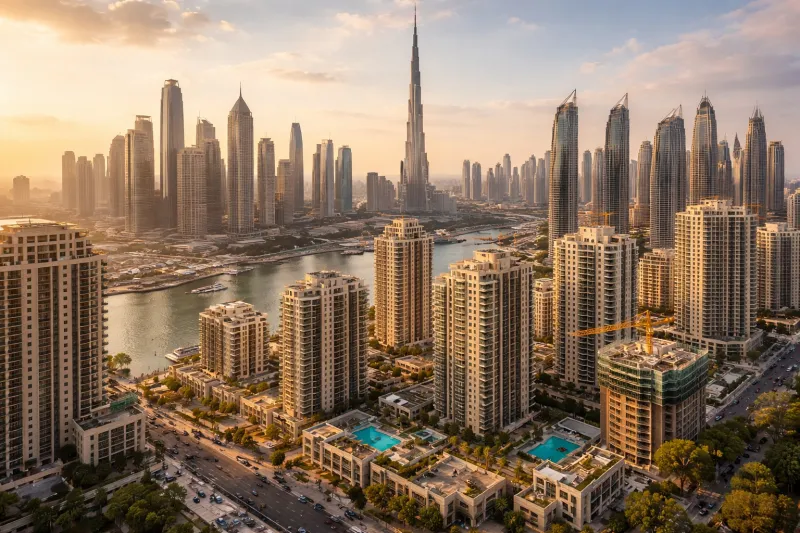
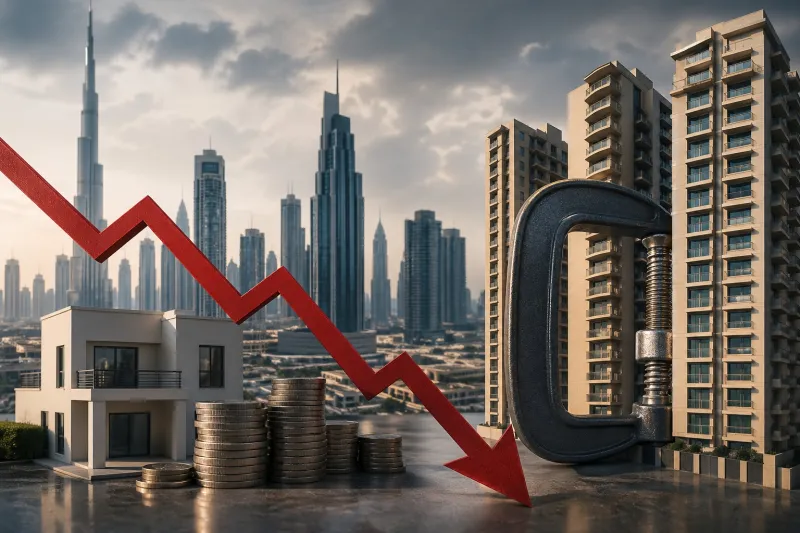
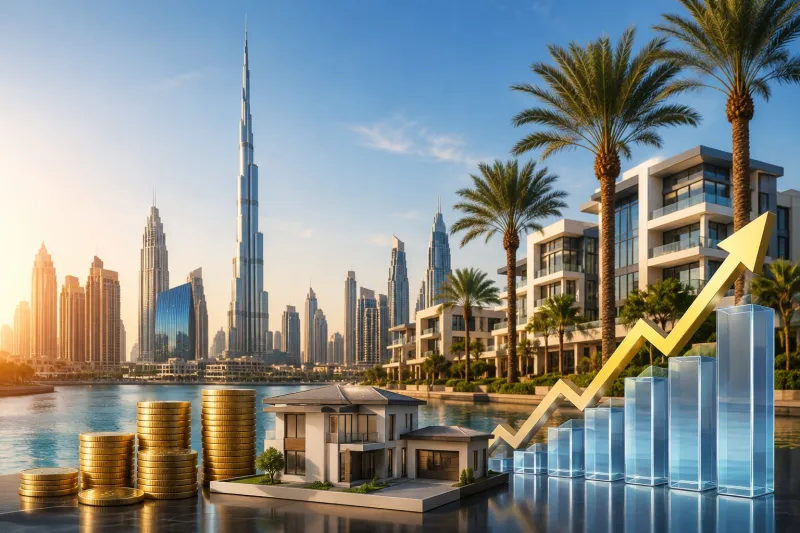
The Dubai property market is undergoing a structural shift: buyers are increasingly prioritizing long-term capital preservation and steady rental yields over short-term speculative gains. A combination of policy reforms, attractive visa and residency schemes, and improving macroeconomic signals has redirected attention toward buy-to-let assets and sustainable income streams. This article examines the drivers behind the transition and what it means for investors, developers and policymakers.
- Market overview: steady momentum and changing priorities
- Buyer profile shift: from speculators to income-focused investors
- Regulatory reforms that underpin investor confidence
- Visa and residency policies as catalysts for sustained demand
- Rental yields and income metrics drive buying decisions
- Financing environment and mortgage accessibility
- Supply trends: product types aligned with rental demand
- Neighborhoods and asset classes that appeal to long-term investors
- Foreign investor confidence and capital flows
- Practical strategies for buyers targeting long-term returns
Market overview: steady momentum and changing priorities
Transaction volumes and price dynamics in Dubai have moved beyond the volatile cycles of prior years, showing steadier appreciation and higher liquidity in core segments. Buyers are less willing to chase rapid flips and more focused on assets that provide reliable rental income and potential for long-term capital growth. This recalibration is visible across mainstream areas where rental demand remains strong, particularly in well-connected neighborhoods and mixed-use developments.
Buyer profile shift: from speculators to income-focused investors
Recent sales data and developer feedback point to a changing buyer mix. High-net-worth individuals and institutional investors are joined by a growing cohort of salaried expatriates and regional investors who prioritize balanced returns. These buyers tend to select properties based on yield metrics, tenant demand, and long-term holding potential rather than short-term price momentum.
Regulatory reforms that underpin investor confidence
Regulatory steps taken by federal and emirate authorities have strengthened market transparency and reduced perceived risks. Measures such as escrow account enforcement, clearer title registration processes, and standardized disclosure requirements have increased investor trust. Improved dispute-resolution mechanisms and enhanced developer oversight further encourage long-term commitments.
Visa and residency policies as catalysts for sustained demand
Longer-term residency options and investor visa programs have been a major pull factor, linking property purchase to lifestyle and security. Buyers seeking stable living arrangements or family settlement are more likely to acquire assets intended for long-term occupancy or rental. This policy linkage effectively converts lifestyle demand into durable investment demand, supporting the buy-to-let proposition.
Rental yields and income metrics drive buying decisions
With capital appreciation expectations becoming more conservative, rental yields now play a central role in asset selection. Investors analyze net yields after costs such as maintenance, service charges and potential vacancy to determine true cash-on-cash returns. Assets in transit-oriented, business-centric and high-amenity zones typically command stronger rents and therefore attract income-minded buyers.
Financing environment and mortgage accessibility
Mortgage availability and competitive lending rates have made long-term ownership more accessible to a wider pool of buyers. Local and international banks have introduced tailored products for expatriates and foreign investors, including interest-only and longer-tenor options that can improve short-term cash flow. Responsible lending standards coupled with better borrower education help sustain the shift toward hold strategies rather than rapid turnover.
Supply trends: product types aligned with rental demand
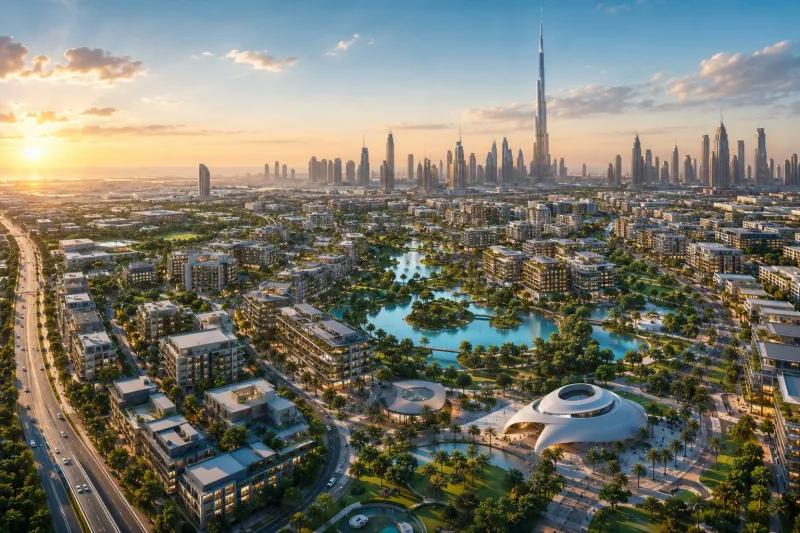
Developers are responding to the market pivot by delivering projects that cater to long-term residents and renters: compact units with efficient layouts, family-friendly apartments, and mixed-use schemes that integrate amenities and services. There is also notable growth in professionally managed rental portfolios and build-to-rent propositions designed to provide institutional-grade rental income streams.
Neighborhoods and asset classes that appeal to long-term investors
Certain districts have emerged as favorites for long-term investors due to a combination of infrastructure, tenant demographics and occupancy stability. Areas close to business districts, reputable schools, and major transport links show consistently lower vacancy rates. In addition to apartments, townhouses and small villa clusters in master-planned communities are increasingly attractive for family-oriented tenants seeking longer leases.
Foreign investor confidence and capital flows
Global investors view Dubai as a diversified hub offering currency stability, robust legal frameworks and exposure to the wider Gulf economy. The emirate’s openness to foreign ownership and ease of doing business have sustained inbound capital, with many investors using Dubai real estate as a portfolio diversifier. Cross-border buyers are prioritizing jurisdictions that combine yield prospects with political and economic stability.
Practical strategies for buyers targeting long-term returns
Buyers seeking long-term rental returns should focus on several practical considerations:
- Due diligence: Verify developer track record, title clarity, and service charge history.
- Yield analysis: Model net rental yield including all holding costs and realistic vacancy assumptions.
- Tenant market fit: Match unit type and finishes to target tenant demographics for quicker lets and lower turnover.
- Management: Consider professional property management to protect rental income and asset value.
- Exit planning: Maintain flexible holding strategies and stress-test investments against different market scenarios.
Applying these tactics can help investors convert the Dubai market's stability and rental opportunities into sustainable long-term returns.
Focused on delivering informative, accessible content