Emaar's $55 billion urban district supercharges Dubai's growth ambitions
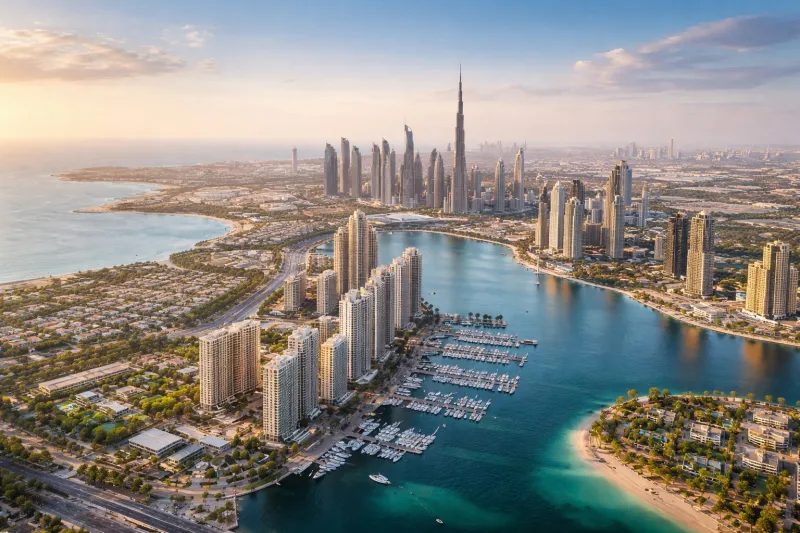
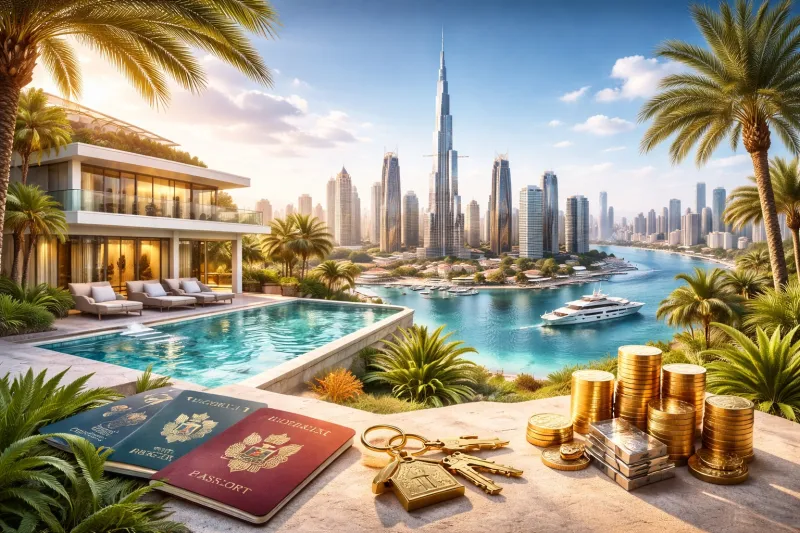
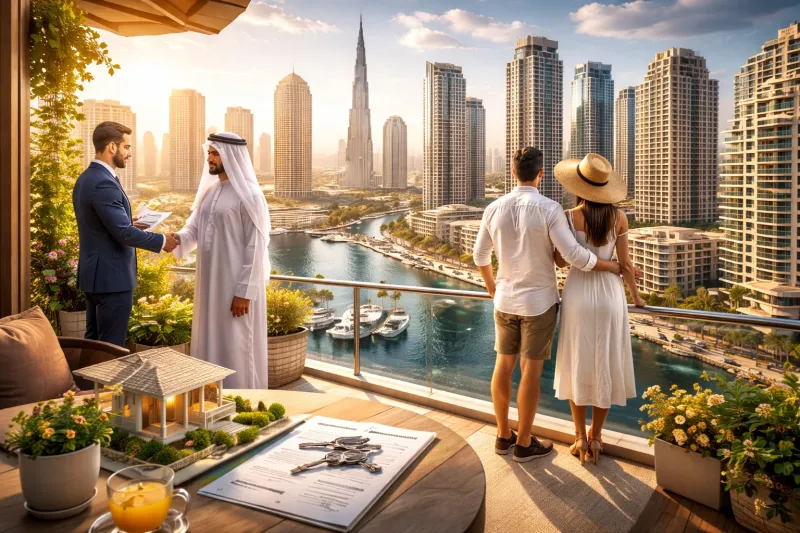
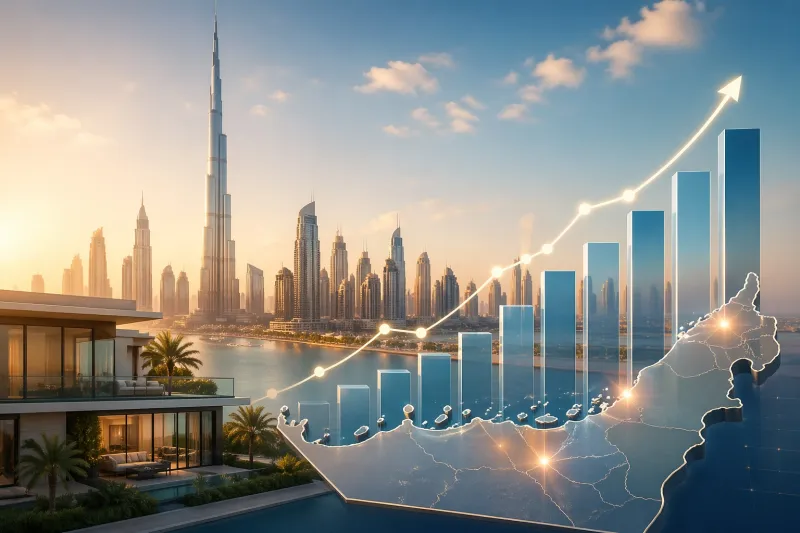
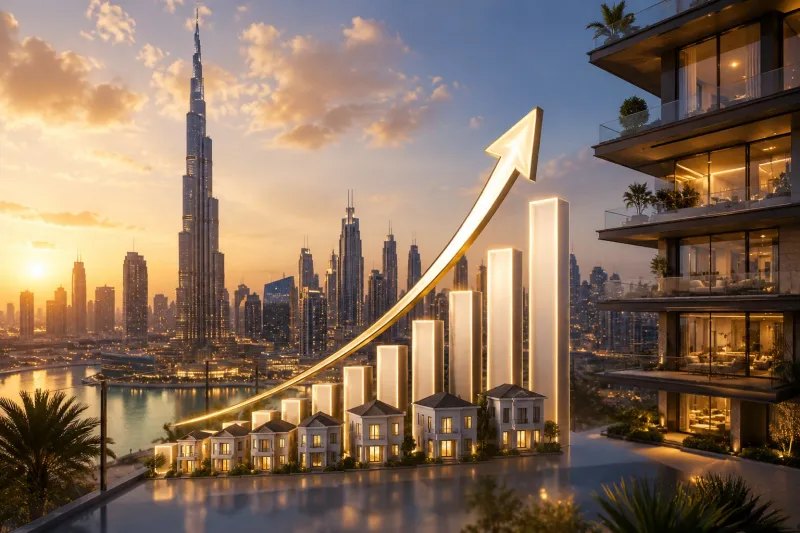
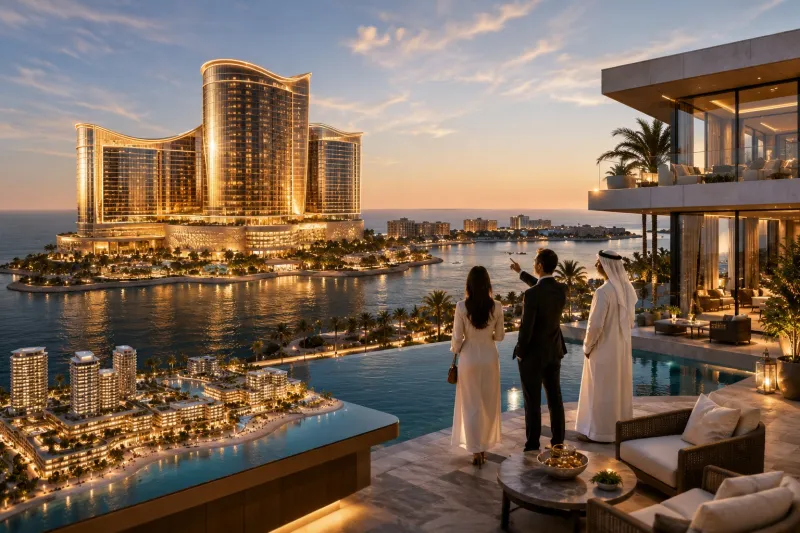
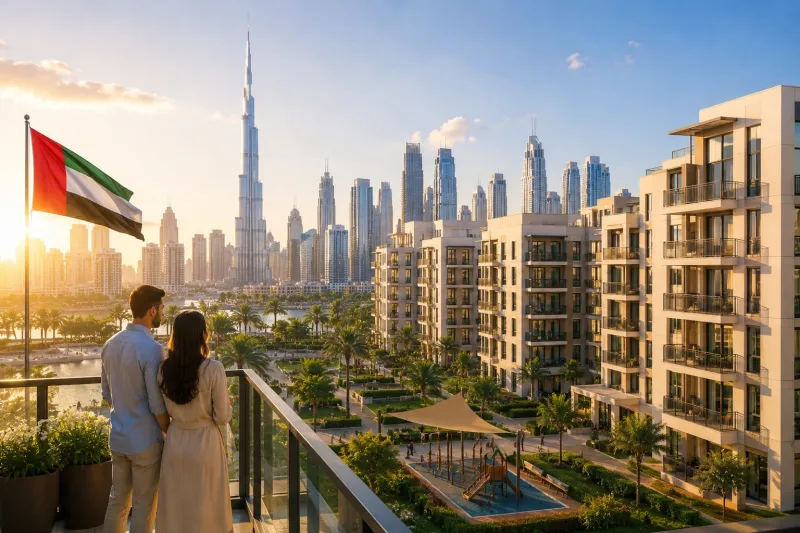
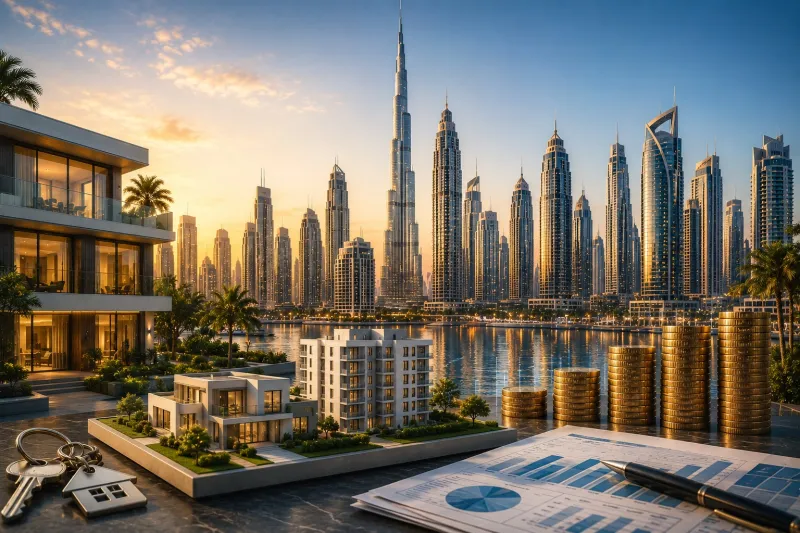
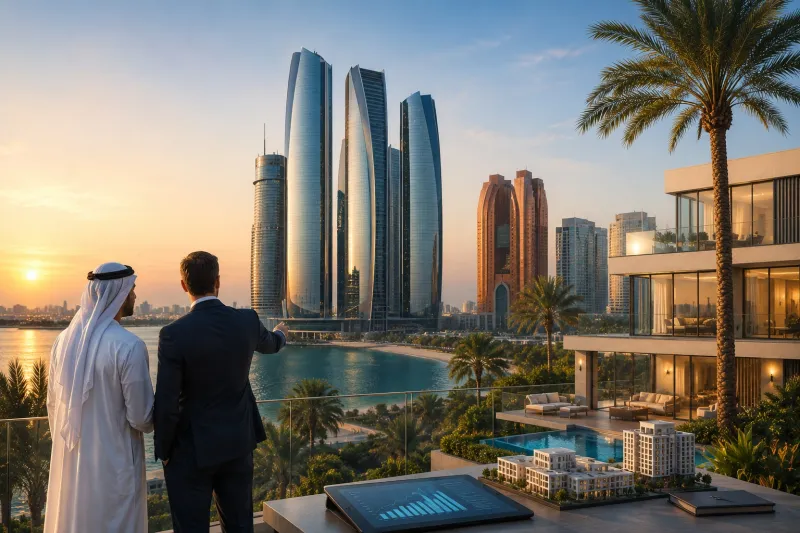
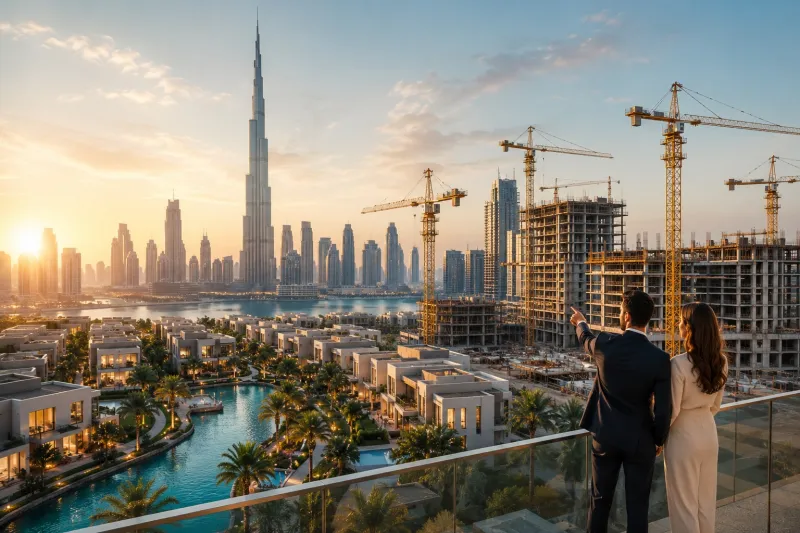
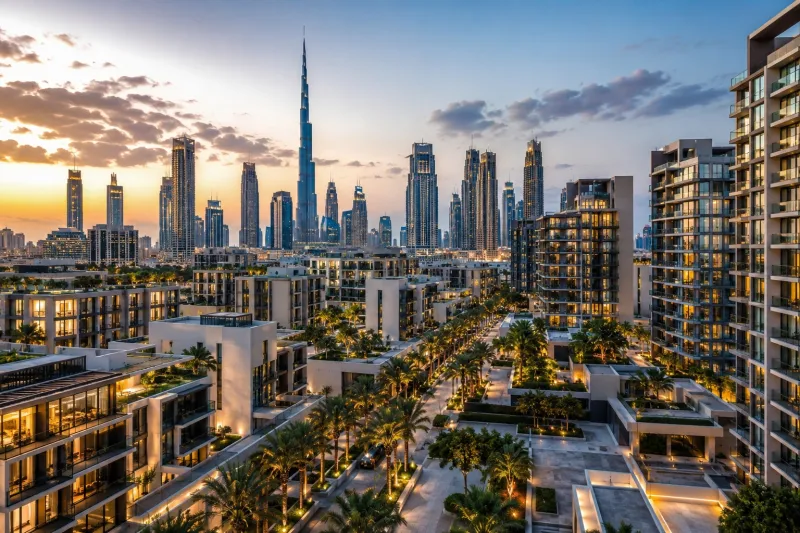
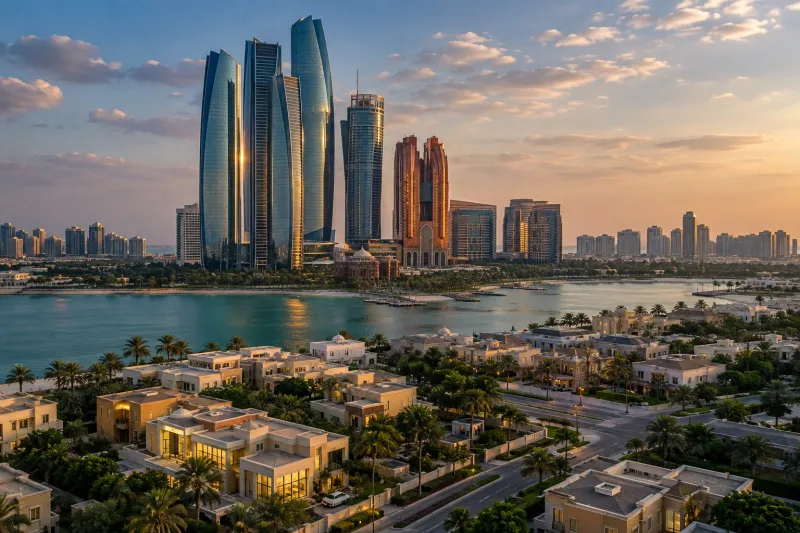
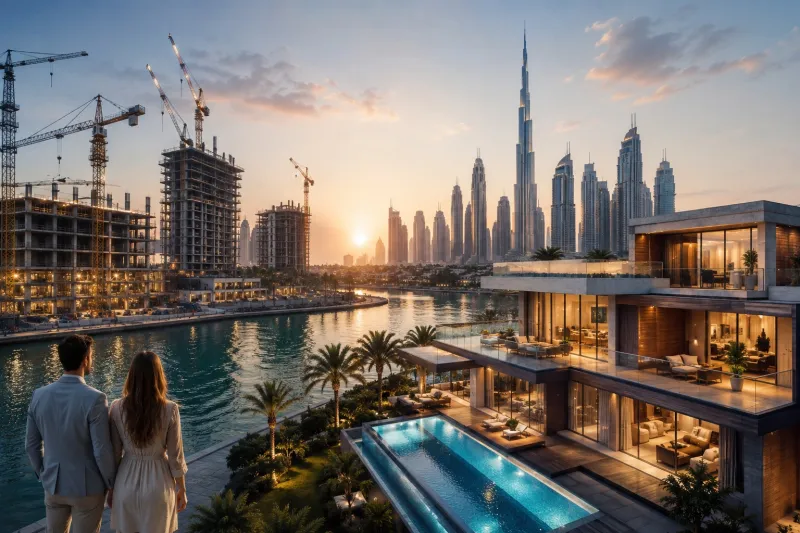
Emaar's announcement of a $55 billion urban district marks a bold new chapter in Dubai's rapid transformation. The master-planned development aims to expand the emirate's mixed-use capacity, attract fresh investment, and reinforce Dubai's positioning as a global hub for finance, tourism and innovation.
- Project overview
- Strategic location and connectivity
- Masterplan and mixed-use composition
- Economic impact and job creation
- Implications for the real estate market
- Architectural ambition and skyline impact
- Infrastructure, mobility and urban systems
- Sustainability and smart-city features
- Financing, partnerships and delivery model
- Global positioning and strategic timing
Project overview
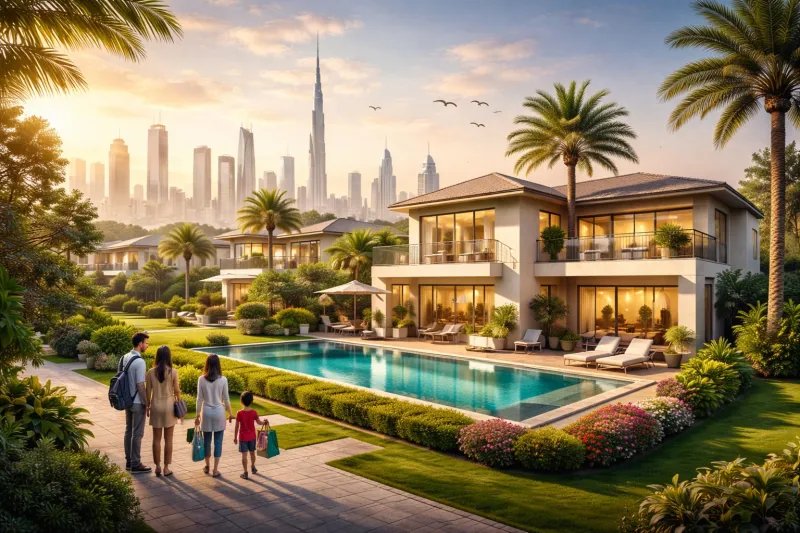
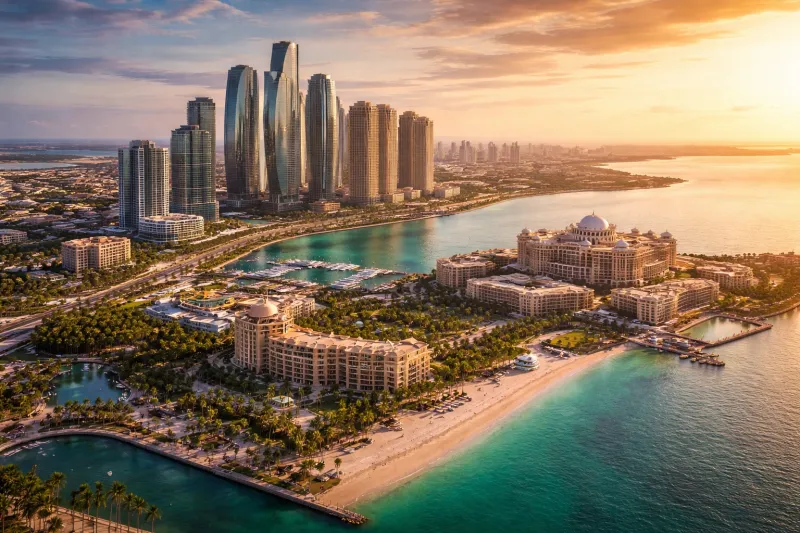
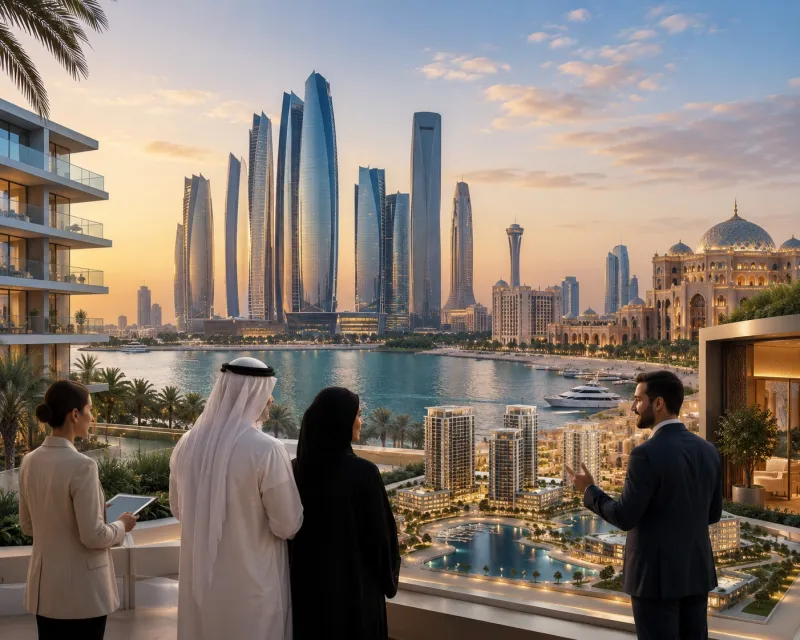
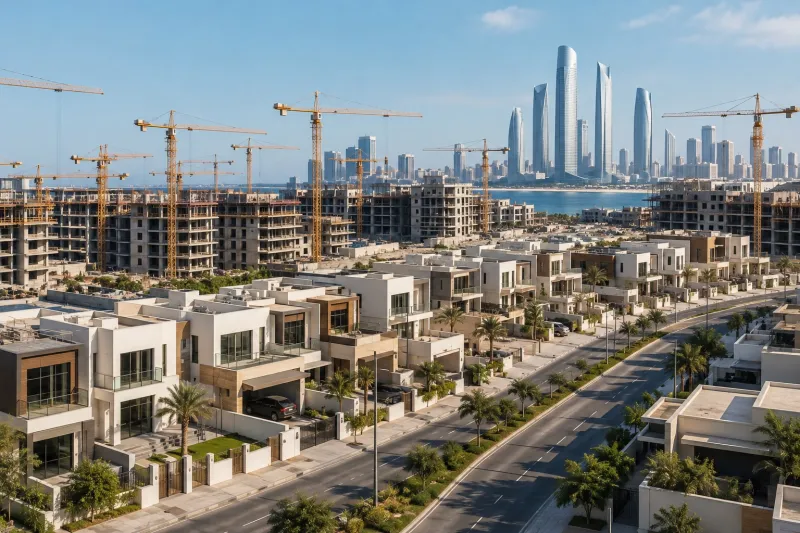
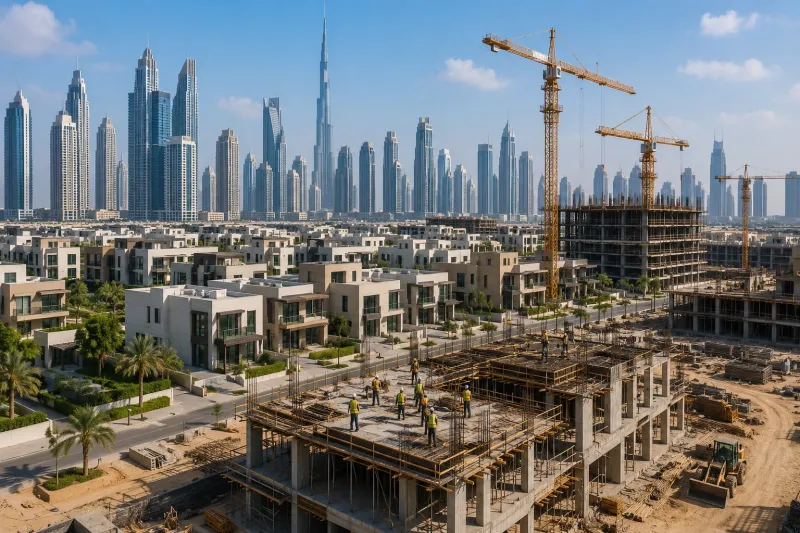
The $55 billion urban district announced by Emaar is conceived as a large-scale, mixed-use development combining residential neighborhoods, commercial towers, hospitality assets and significant public space. Emaar describes the district as a multi-phase program that will roll out over several years, integrating private investment and public infrastructure to create a new economic and social node within the city.
Strategic location and connectivity
Location is a cornerstone of the plan: the district is positioned to capitalize on Dubai's existing transport corridors and international connectivity. Planners emphasize links to major roads, metro extensions and nearby airports, aiming to reduce commute times and improve accessibility for residents, workers and tourists.
Masterplan and mixed-use composition
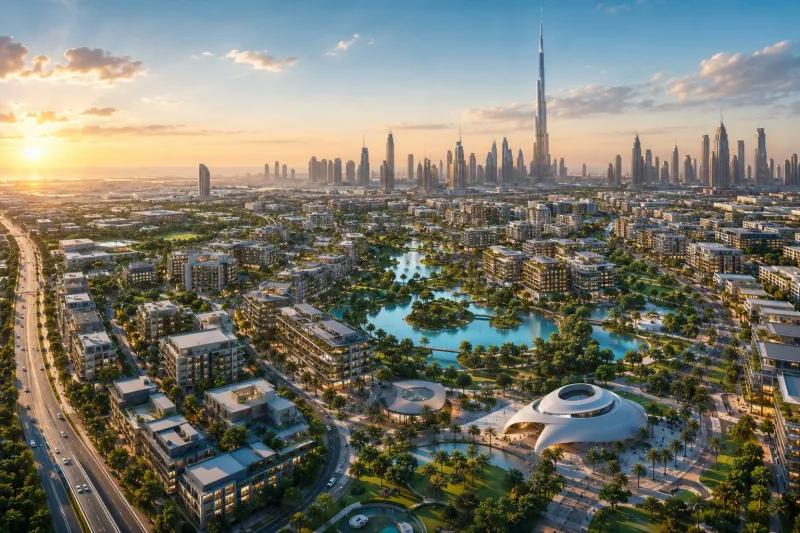
The masterplan sets out a blend of uses designed to sustain 24/7 activity. Key components include:
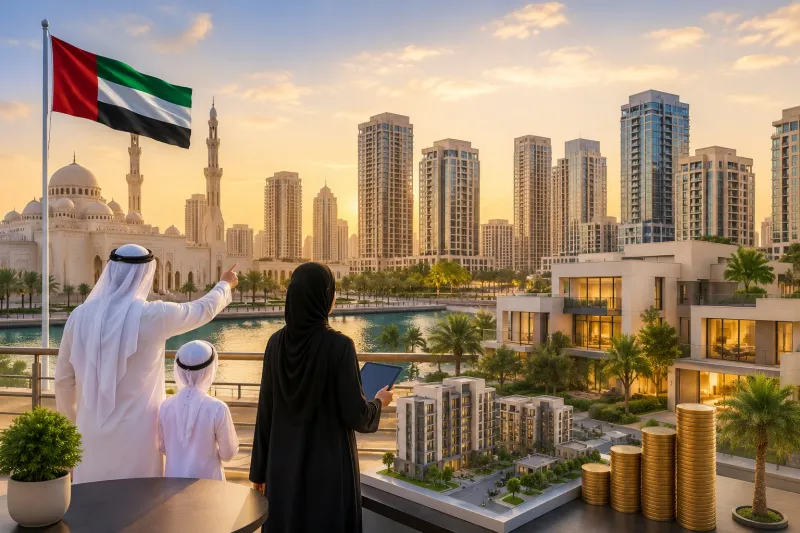
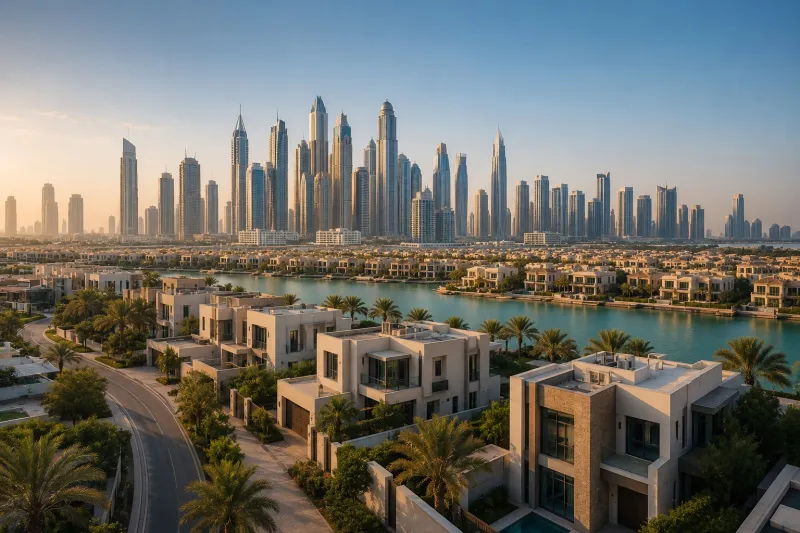
- Residential: a range of units from affordable apartments to luxury penthouses.
- Commercial: office towers and co-working spaces to attract regional headquarters and startups.
- Retail and leisure: shopping districts, dining precincts, and cultural venues.
- Public realm: parks, promenades, and civic plazas to foster community life.
Economic impact and job creation
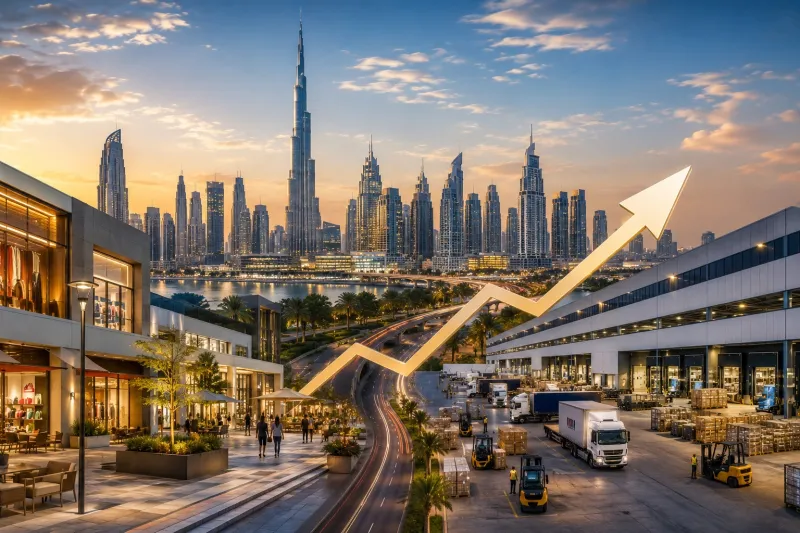
Analysts expect the project to support a significant number of construction and long-term jobs across sectors such as real estate, hospitality and professional services. Beyond direct employment, the district is positioned to stimulate supply-chain demand and catalyze new business formation, contributing to Dubai's broader economic diversification goals.
Implications for the real estate market
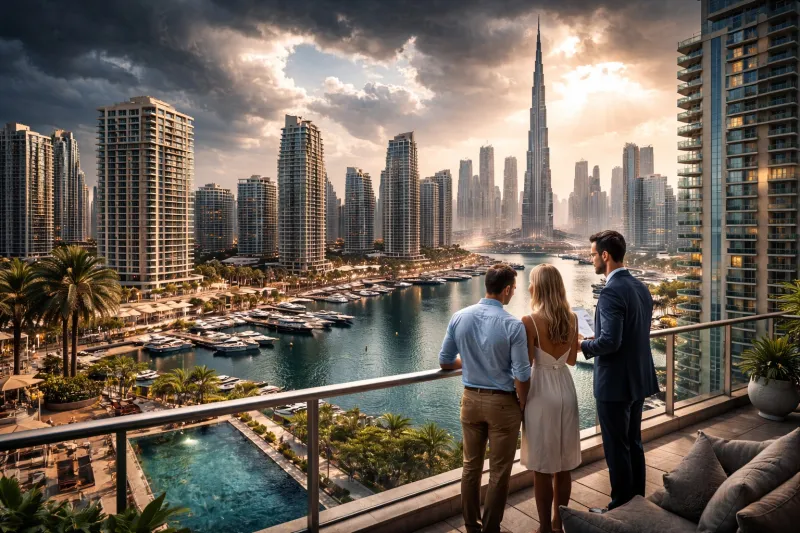
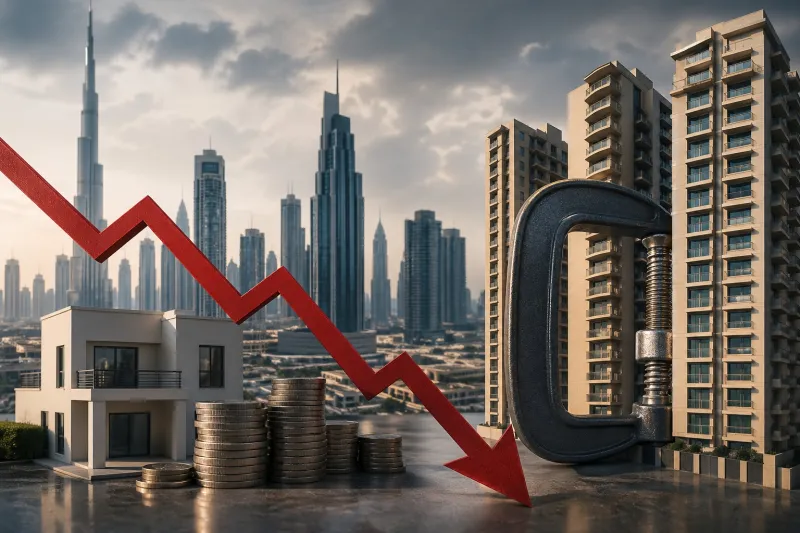
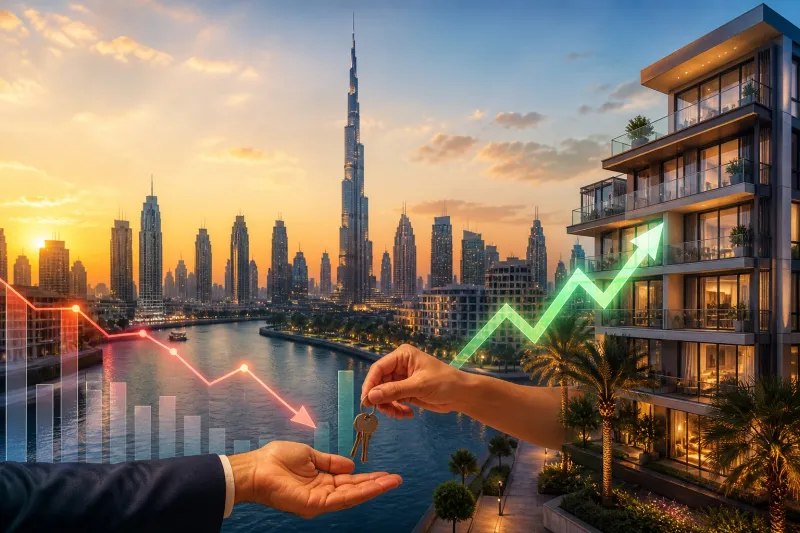
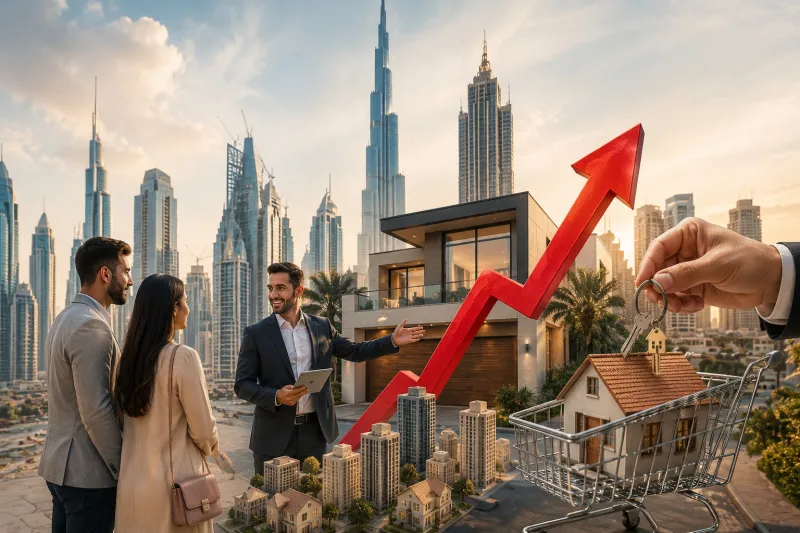
Introducing such a large inventory of residential and commercial space will influence supply dynamics in Dubai's property market. While increased supply could moderate short-term price inflation in some segments, the prestige and amenities associated with Emaar’s development are likely to sustain premium demand for well-located, branded products.
Architectural ambition and skyline impact
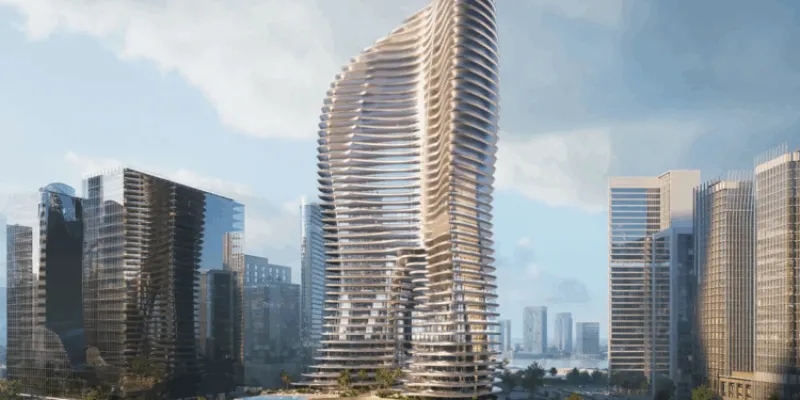
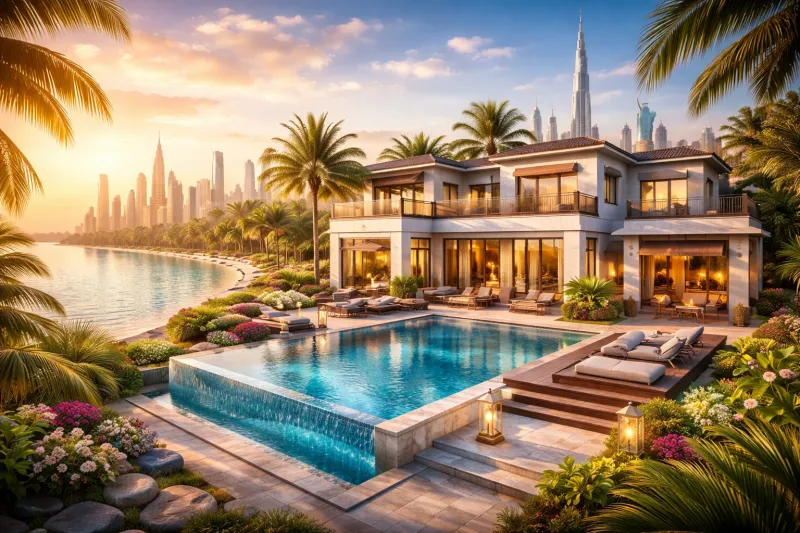
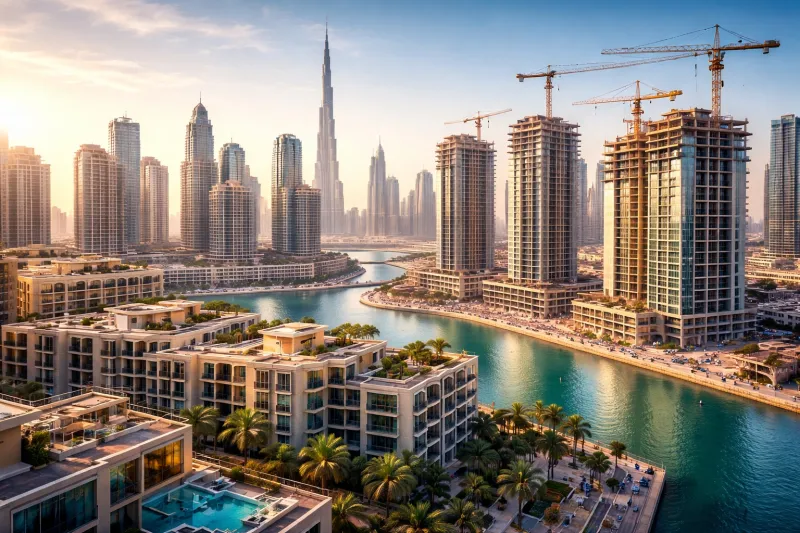
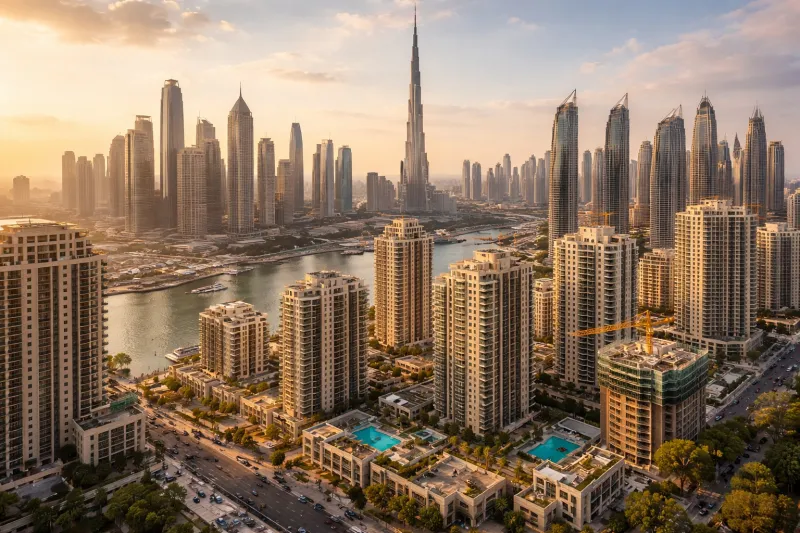
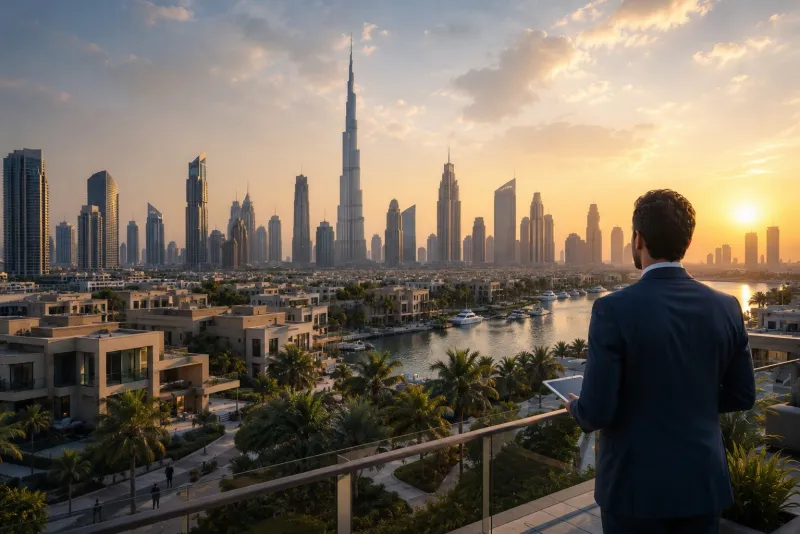
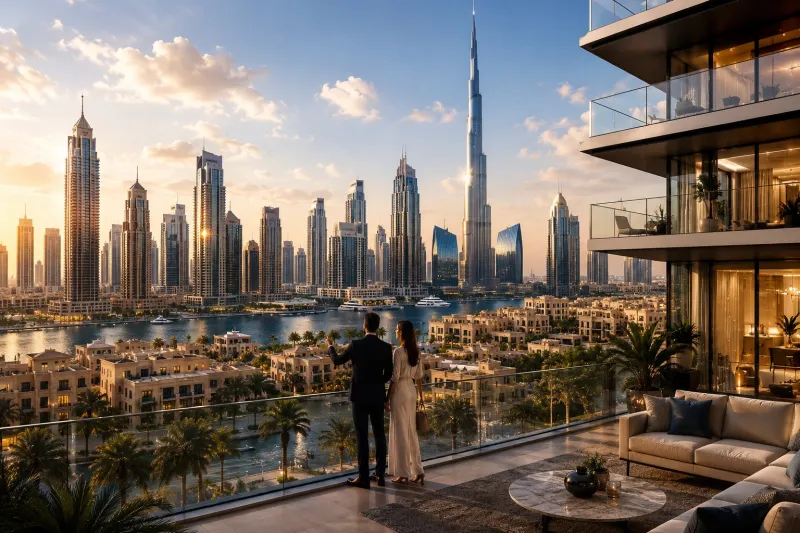
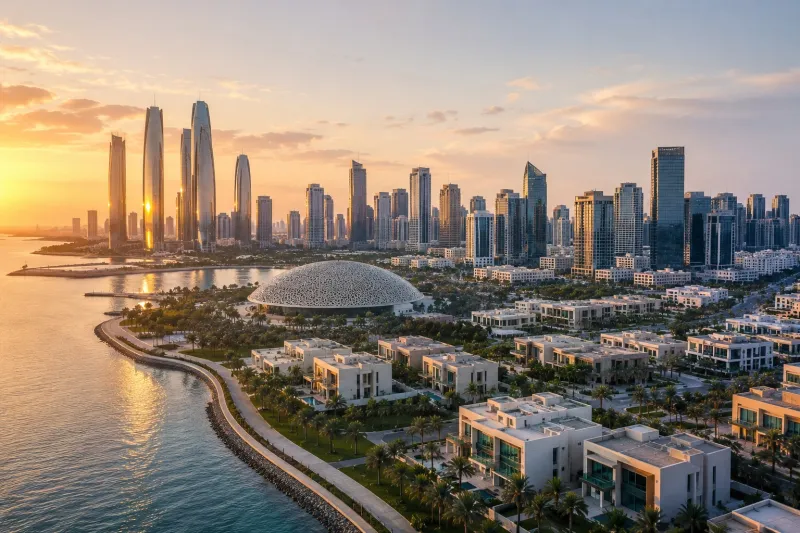
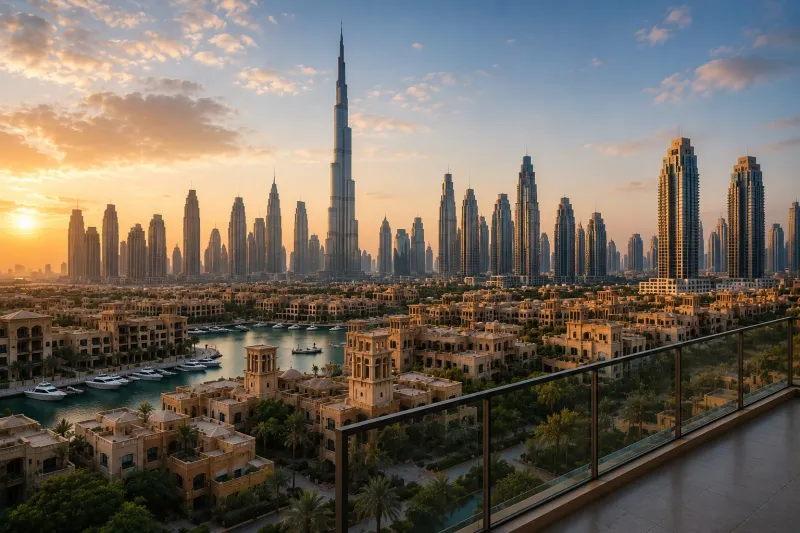
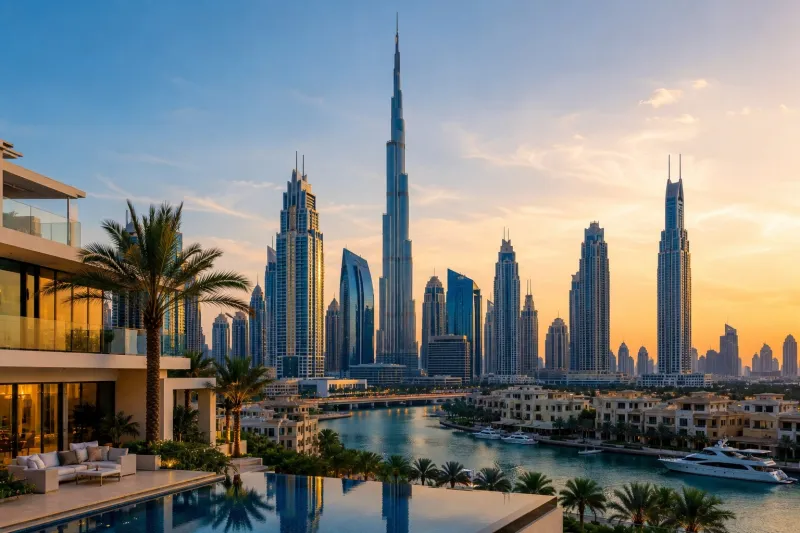
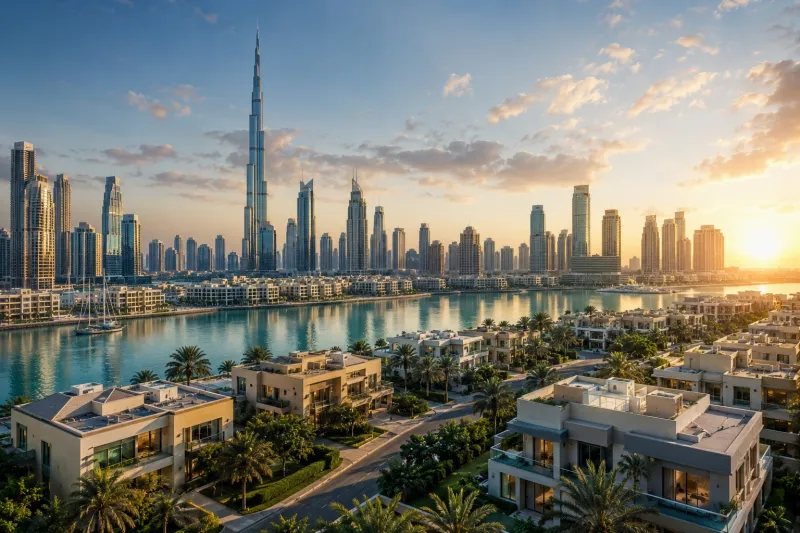
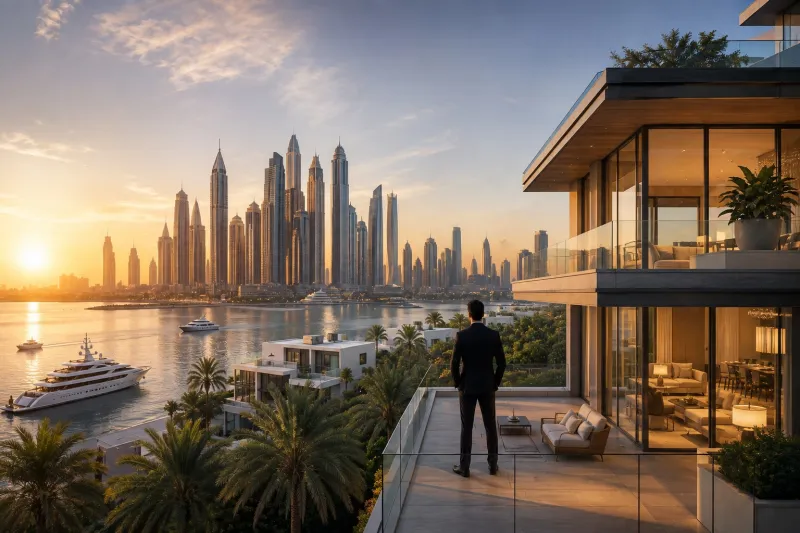
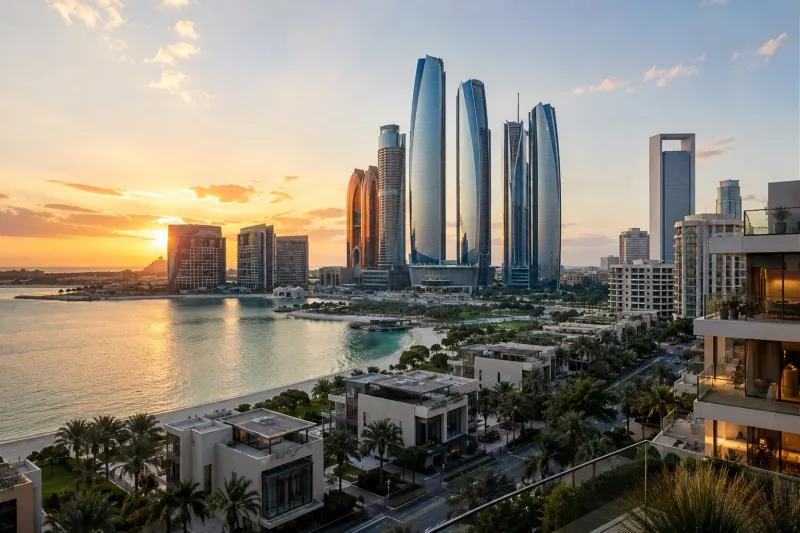
Emaar has signaled an ambition to deliver iconic architecture and memorable public spaces that contribute to Dubai’s skyline. The scheme is expected to feature signature towers and thoughtfully designed streetscapes that balance tall buildings with human-scale environments and waterfront or green views where possible.
Infrastructure, mobility and urban systems
Robust infrastructure planning is woven into the district’s concept, with attention to multimodal mobility. Proposals highlight transit-oriented development principles, cycling and pedestrian networks, integrated parking solutions and smart traffic management systems intended to reduce congestion and enhance liveability.
Sustainability and smart-city features
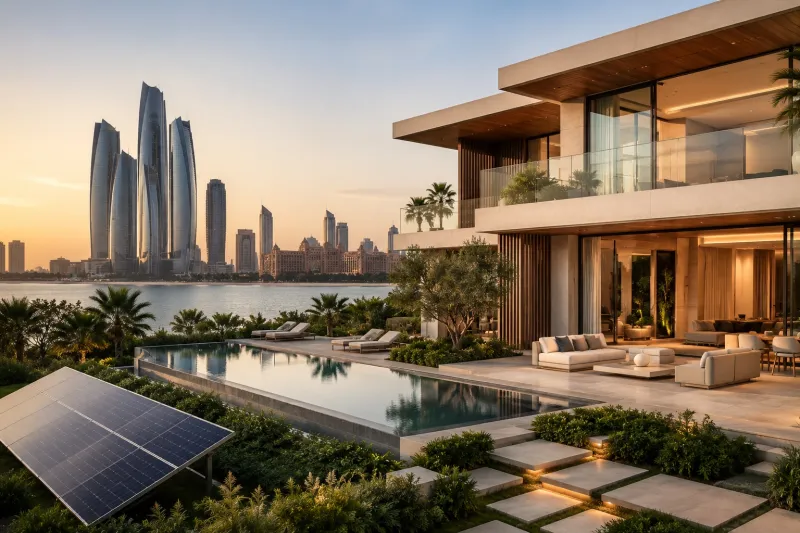
Environmental performance and digital integration feature prominently in project briefs. Expected measures include energy-efficient building standards, water reuse strategies, green roofs and public green space, alongside smart-city technologies for energy management, waste collection and real-time services to residents and businesses.
Financing, partnerships and delivery model
Delivering a $55 billion district requires a mix of capital sources. Emaar is likely to blend equity, pre-sales, strategic partnerships with institutional investors and potentially debt instruments to fund the multi-phase rollout. Collaboration with government authorities, infrastructure partners and hospitality brands will be critical to accelerate delivery and share risk.
Global positioning and strategic timing
The project arrives at a moment when cities worldwide are competing to attract capital, skilled talent and tourists. For Dubai, the district is a strategic play to reinforce its global profile, deepen sectoral diversification and offer new product for international investors seeking exposure to the region’s growth story.
Focused on delivering informative, accessible content