Dubai real estate booms as 95% of 2026 homes sell out early
Dubai's property market has entered a new phase of rapid expansion as developers report that 95% of the residential units scheduled for completion in 2026 have already been sold. The surge in pre-sales reflects an intersection of global capital flows, relaxed residency rules, and aggressive developer incentives, reshaping investor expectations and urban planning across the emirate.
- what the 95% figure means
- key drivers behind the surge
- who is buying: investor and end-user mix
- price trends and premium pockets
- supply dynamics and delivery concentration
- developer strategies fueling sales
- role of financing and payment plans
- government policy and regulatory support
- market risks and potential headwinds
- what this means for renters and the broader economy
what the 95% figure means
The statistic that 95% of 2026 homes are sold out early indicates extraordinary pre-launch and off-plan demand. Sold out in this context typically means reservations, down payments or formal purchase contracts have been completed. This level of pre-sales suggests developers are confident about cash flow and that buyers are willing to commit long before handover, reducing market risk for builders but concentrating delivery obligations into a narrow timeframe.
key drivers behind the surge
Several converging factors have driven the boom: favorable tax and residency policies, a weak global yield environment pushing investors to real assets, and strategic marketing by developers. In addition, tourism rebounds and the rise of remote work have increased demand for second homes. Infrastructure projects and upcoming events continue to enhance Dubai’s appeal as both a lifestyle and investment destination.
who is buying: investor and end-user mix
The buyer mix includes high-net-worth individuals, foreign investors seeking diversification, and a growing share of end-users relocating for work or lifestyle reasons. Middle-income expatriates and local buyers also account for a slice of pre-sales, particularly in mid-market developments. Developers report that investor appetite remains strong for rental-yield properties, while many end-users are motivated by long-term residency and education opportunities.
supply dynamics and delivery concentration
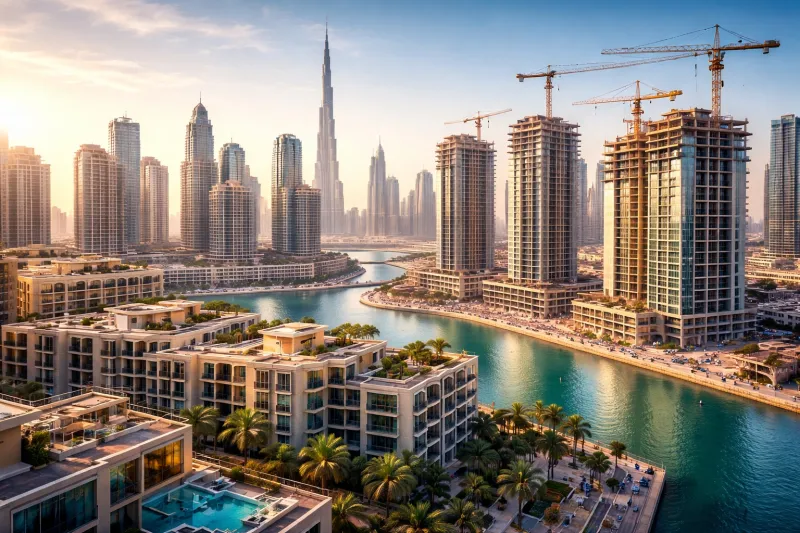
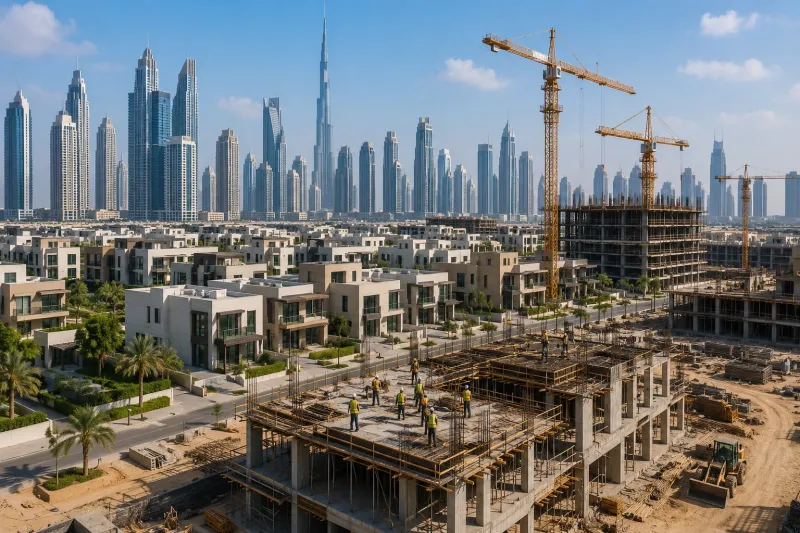
With most 2026 units pre-sold, delivery concentration is emerging as a supply-side issue. A wave of handovers within a short window could temporarily saturate the secondary rental and resale markets, pressuring yields. Conversely, many buyers on payment plans will stagger cash flows to developers, smoothing out revenue but creating operational pressure on construction and completion timelines.
developer strategies fueling sales
Developers have deployed tactics such as extended post-handover payment plans, early-bird pricing, and bundled incentives to accelerate off-plan take-up. Marketing tie-ins with international brokers and pop-up sales events in major cities have broadened reach. Some builders are also partnering with hospitality brands to offer guaranteed rental programs, attracting income-focused investors seeking lower perceived risk.
role of financing and payment plans
Flexible financing and staged payment plans are central to the pre-sale momentum. Many purchases are made with low initial deposits and developer-backed instalment schedules that extend beyond completion. Banks have also returned with tailored mortgage products for expatriates and foreigners, increasing accessibility. This ecosystem reduces entry barriers but may amplify exposure to interest-rate shifts post-handover.
government policy and regulatory support
Government measures such as long-term residency visas, business-friendly company laws, and streamlined property registration have reinforced investor confidence. Regulatory oversight aims to protect buyers via escrow accounts and completion guarantees, which in turn support credible pre-sales. Public infrastructure spending and transport projects further validate long-term urban growth assumptions underpinning many investments.
market risks and potential headwinds
Despite robust demand, risks remain. Concentrated handovers could pressure rental markets and resale prices. Interest-rate volatility and potential global economic slowdowns might dampen foreign investor flows. Construction delays, cost inflation for materials and labor, and geopolitical uncertainties are other headwinds that could impact delivery and returns for buyers and developers alike.
what this means for renters and the broader economy
The influx of new supply in 2026 will shift dynamics for renters: increased availability may stabilize rents in some neighborhoods, while premium areas may remain tight. For the broader economy, accelerated property activity boosts construction employment, services, and municipal revenues, but also increases sensitivity to real estate cycles. Policymakers and industry stakeholders will need to balance growth with sustainability to avoid overheating.
Focused on delivering informative, accessible content