Dubai off-plan projects drive strong investor demand as new communities expand in 2026
In 2026 Dubai's off-plan market has reasserted itself as a focal point for local and international capital, with developers launching ambitious masterplans and buyers responding to a mix of affordability, flexible payment structures and long-term capital-growth expectations. This article examines the drivers behind the renewed interest, how new communities are shaping demand, and what investors should consider when evaluating off-plan opportunities.
- Dubai's market overview: off-plan momentum in 2026
- Investor profiles: who is buying off-plan now
- Pricing dynamics: discounts, premiums and payment plans
- New communities: expansion beyond traditional hotspots
- Developer strategies: bundling amenities and lifestyle propositions
- Financing and payment mechanisms attracting buyers
- Infrastructure and connectivity shaping community appeal
- Regulation and transparency: safeguarding off-plan investment
- Rental yield and resale prospects for 2026 buyers
- Risks and mitigation: what investors should watch
Dubai's market overview: off-plan momentum in 2026
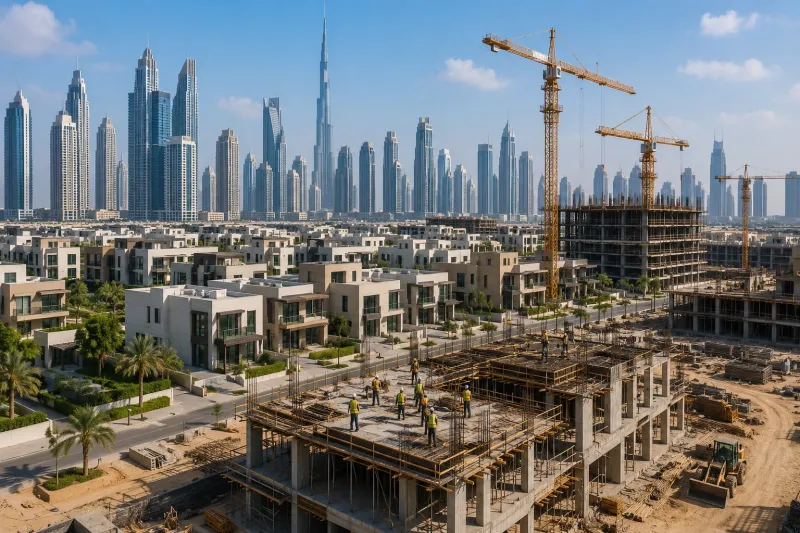
After several years of phased recovery, Dubai's property market in 2026 shows pronounced off-plan momentum. Sales volumes for early-stage projects have risen as developers respond to demand with competitively priced launches, while the secondary market keeps pace thanks to steady rental growth and international interest.
Investor profiles: who is buying off-plan now
Buyers range from end-users seeking discounted entry to foreign investors targeting yield and capital appreciation. Key cohorts include regional expats, HNWIs reallocating assets from overvalued markets, and institutional investors eyeing portfolio diversification.
- End-users attracted by payment plans
- Yield-seeking landlords capitalising on rental demand
- Long-term investors banking on capital growth in emerging communities
New communities: expansion beyond traditional hotspots
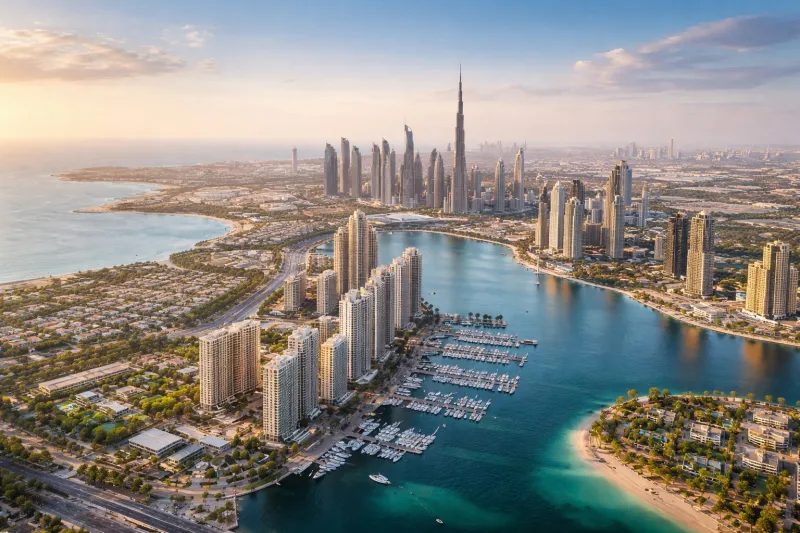
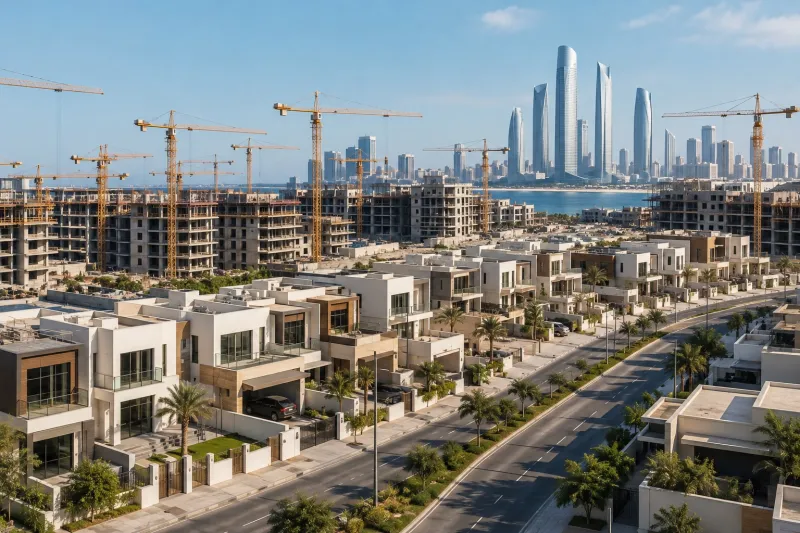
Masterplanned neighborhoods in peripheral districts and reclaimed islands are attracting attention as city planners and developers create mixed-use ecosystems. These communities emphasize integrated amenities, green space, and connectivity, positioning themselves as alternatives to established hubs like Dubai Marina and Downtown.
- Suburban masterplans with family-focused amenities
- Mixed-use waterfront developments
- Transit-oriented clusters near new metro and road corridors
Developer strategies: bundling amenities and lifestyle propositions
Developers increasingly package lifestyle offerings schools, retail, coworking, and leisure to create distinctive selling propositions. Value-added amenities are used to justify pricing tiers and to attract both residents and investors looking for stable long-term demand.
Financing and payment mechanisms attracting buyers
Beyond developer payment plans, banks and financial institutions have reintroduced tailored mortgages for off-plan purchases, and some projects feature escrow protection and bank guarantees. These mechanisms reduce perceived risk and make up-front affordability more accessible to a wider audience.
Infrastructure and connectivity shaping community appeal
New roads, public transport expansions and proximity to employment hubs are increasingly critical to project viability. Connectivity improvements boost both resale values and rental demand, especially when projects sit on major transit corridors or near economic free zones.
Regulation and transparency: safeguarding off-plan investment
Regulatory frameworks, including escrow accounts and stricter developer registration, have enhanced buyer confidence. Transparency initiatives, including clearer completion timelines, project updates, and independent valuation requirements, are becoming standard, reducing information asymmetry between buyers and promoters.
Rental yield and resale prospects for 2026 buyers
Early indicators point to competitive rental yields in newly launched communities, though yields vary significantly by location and product type. Investors focused on short- to medium-term returns should assess rental demand drivers and infrastructure delivery timelines to gauge resale prospects post-handover.
Risks and mitigation: what investors should watch
Off-plan investment carries execution and market timing risks. Key mitigants include due diligence on developer track records, review of escrow arrangements, realistic assessment of construction timelines, and contingency planning for interest-rate or liquidity shifts. Prudent investors also benchmark comparable recent handovers and factor in community delivery milestones.
Focused on delivering informative, accessible content