Dubai property sales reach US$78 billion in first half of 2026
Market overview
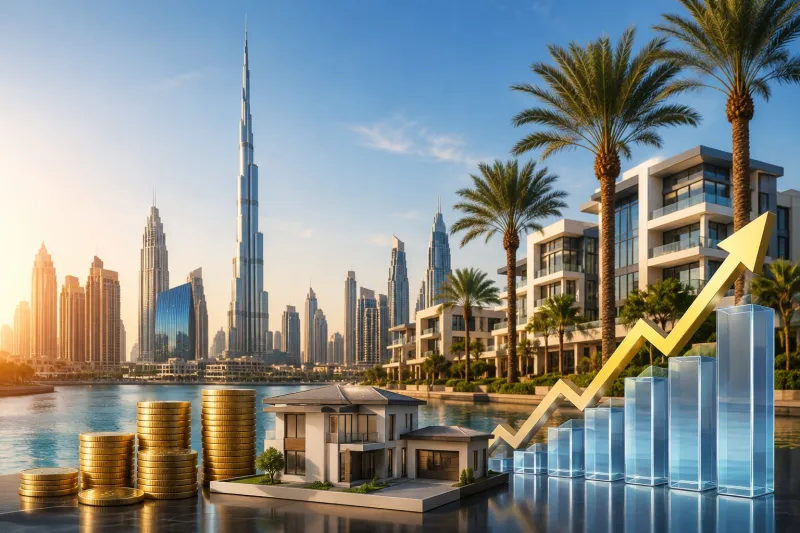
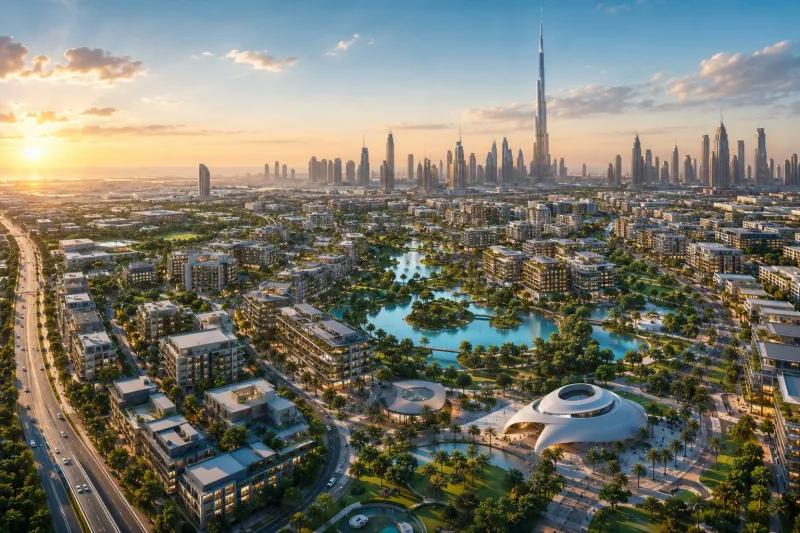
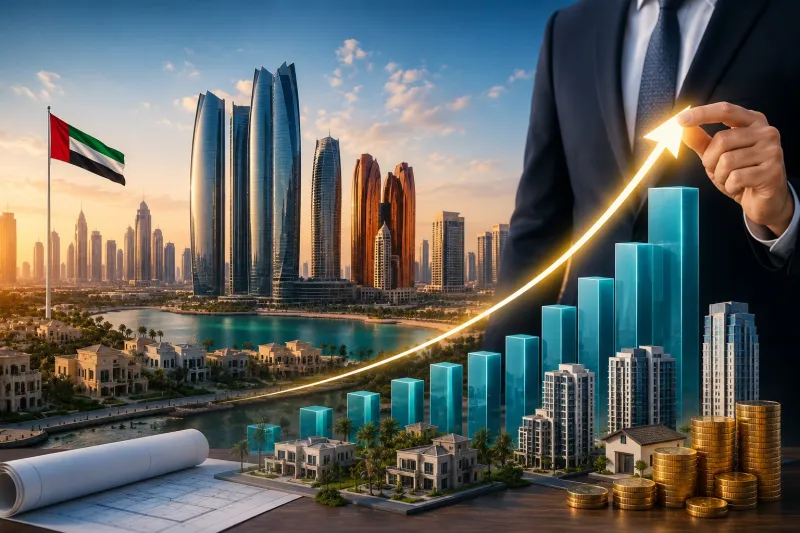
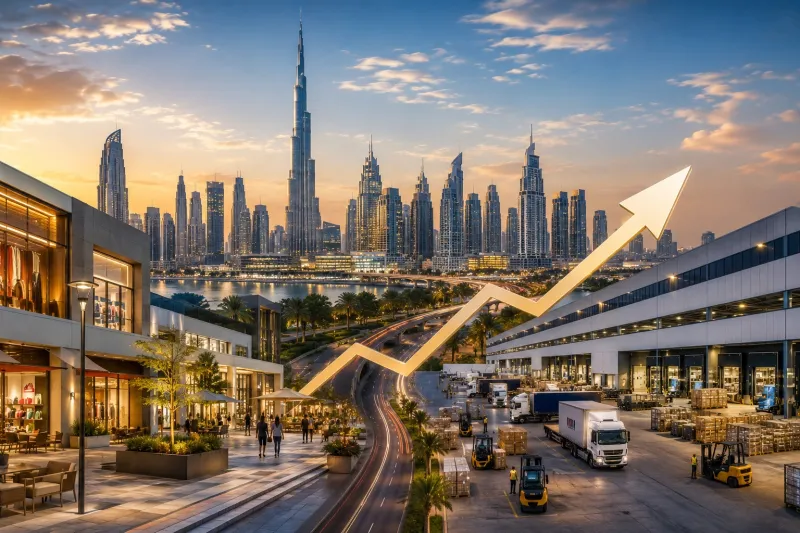
The first half of 2026 delivered a milestone for Dubai's property sector as transactions reached about US$78 billion. This performance marked a continuation of the momentum that has been building over recent years, driven by a combination of strong end-user demand, investment flows and an expanding hospitality and tourism rebound. Activity was visible across both the off-plan and secondary markets, with notable liquidity at the higher end of the price spectrum as well as sustained interest in affordable housing segments.
Key demand drivers
Several structural and cyclical factors supported sales volumes. Continued inbound migration, visa reforms that encourage long-term residence for investors, and a rebound in international tourism all boosted confidence. Attractive rental yields and relative affordability compared with other global gateway cities encouraged yield-seeking investors, while stable macroeconomic conditions in the UAE underpinned housing demand.
Residential versus commercial mix
Residential properties represented the bulk of transaction value, though commercial and industrial sales also gained traction as demand for logistics and office space recovered. Within residential, both secondary-market resales and off-plan unit purchases contributed materially. Developers reported robust absorption of new condominium and villa projects, while smaller apartment resale transactions helped maintain depth in the market.
Buyer profile and source markets
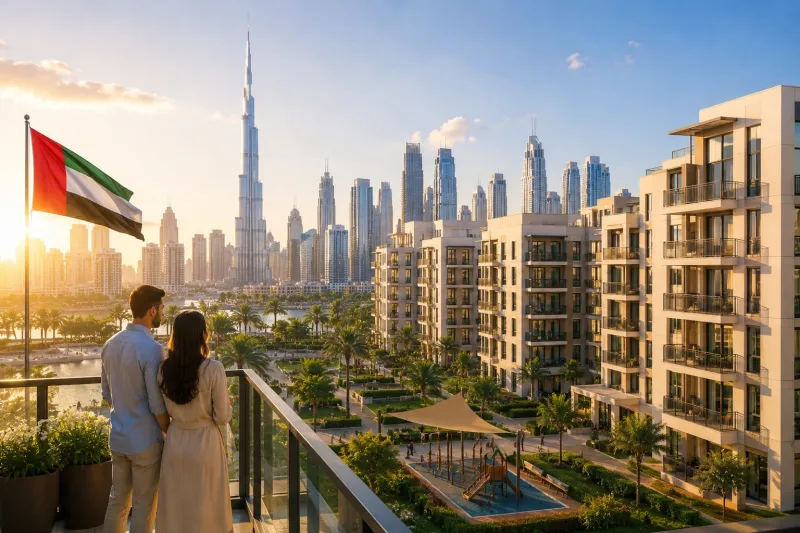
International buyers remained a decisive force. Key source markets included investors from South Asia, the wider GCC, Europe and parts of Eastern Europe, with growing interest from North American and Asian buyers. Many purchasers were end-users relocating for work or lifestyle reasons, while a substantial share were buy-to-let investors attracted by rental income prospects.
Price trends and rental dynamics
Prices in prime locations continued to appreciate, supported by tight new completions in some segments and elevated demand. At the same time, rents rose in many submarkets, improving gross yields for landlords and reinforcing investor interest. Affordability pressures in top-tier neighborhoods prompted a portion of demand to shift towards more affordable developments on the city's periphery.
Top-performing communities
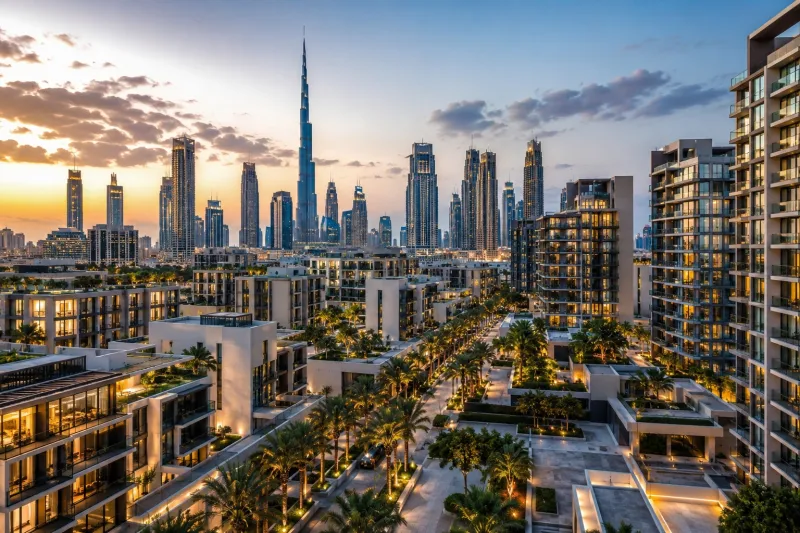
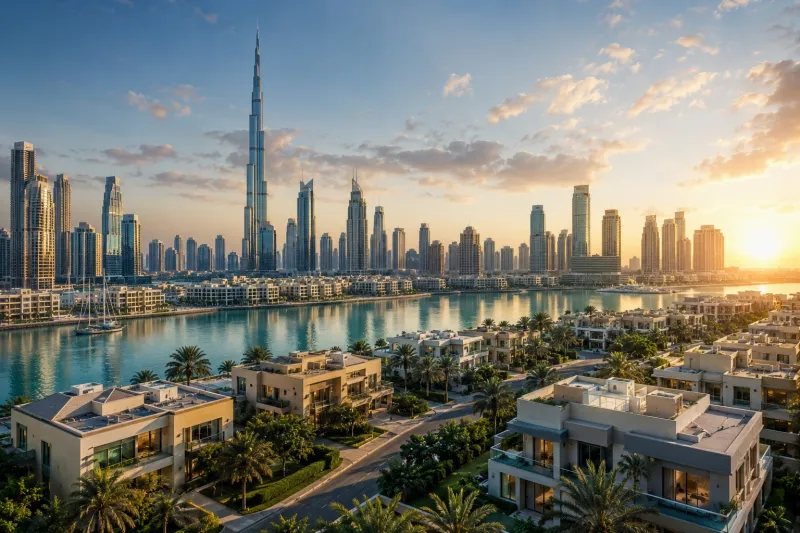
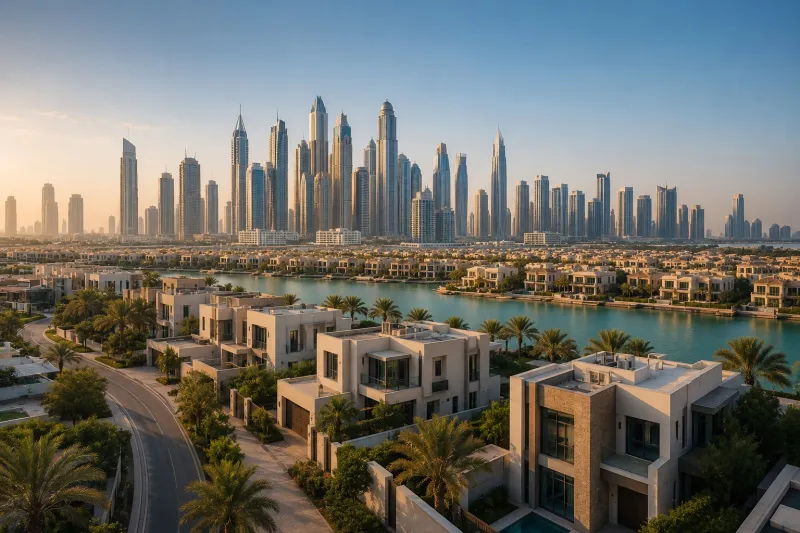
Certain communities outperformed others in transaction volume and price growth. Areas that saw especially high activity included waterfront and central locations, emerging suburban clusters and integrated master-planned communities. Examples cited by market participants were Downtown corridors, waterfront promenades, and villa-focused compounds that offer lifestyle amenities and perceived long-term value.
Off-plan market dynamics
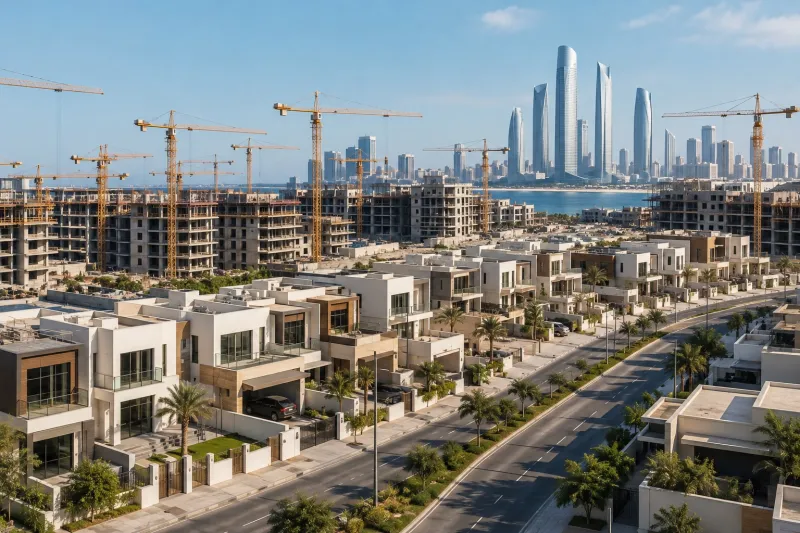
The off-plan segment remained a key engine of sales, with developers leveraging staged payment plans, incentives and faster handover timelines to secure buyers. Off-plan demand was particularly pronounced for mid-market apartment schemes and signature luxury projects where pre-launch allocations sold quickly. Improved transparency in escrow and escrow-related regulations continued to bolster buyer confidence in new launches.
Financing and lending trends
Mortgage uptake increased as lenders maintained competitive pricing and a broader set of products aimed at expatriates and non-resident investors. Banks reported healthy demand for property lending, although underwriting standards remained prudent. Availability of finance, combined with promotional financing from developers in some schemes, helped convert more inquiries into completed sales.
Developer response and pipeline
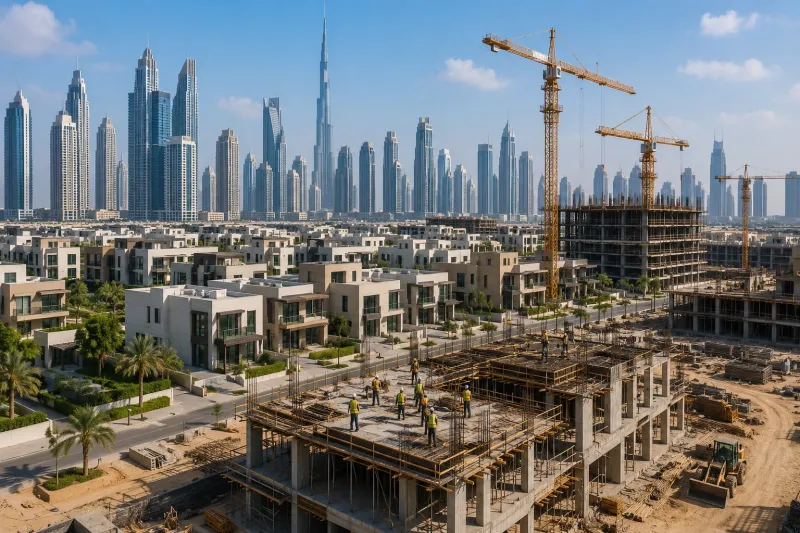
Developers reacted to the strong sales environment by accelerating launches and bringing forward supply in targeted segments. Many are focusing on mixed-use projects that combine residential, retail and leisure components to meet buyer appetite for lifestyle-driven developments. At the same time, a tighter focus on delivery timelines and quality has become a competitive differentiator in the market.
Regulatory changes and governmental support
Policy measures continued to play a supportive role. Recent regulatory updates and investor-friendly initiatives, ranging from visa structures to transparency requirements, helped sustain confidence among foreign purchasers. Public-sector investments in infrastructure and transport connectivity further enhanced the attractiveness of key districts and underpinned medium-term demand expectations.
Focused on delivering informative, accessible content