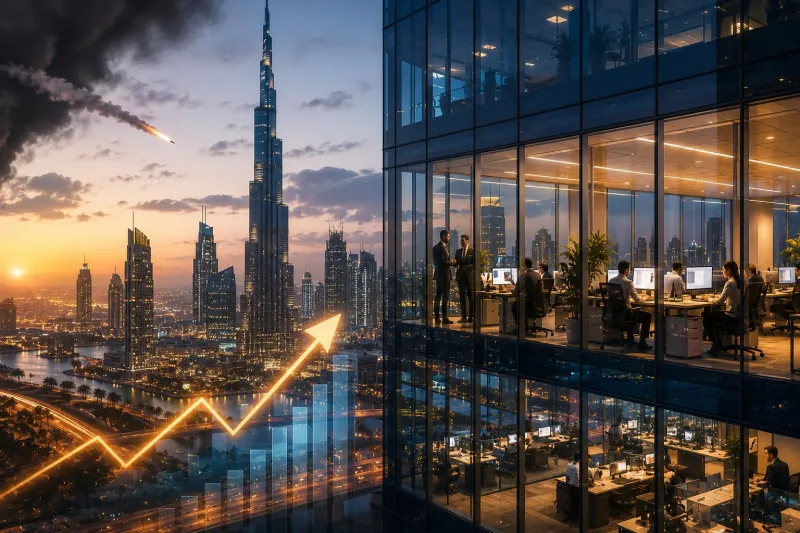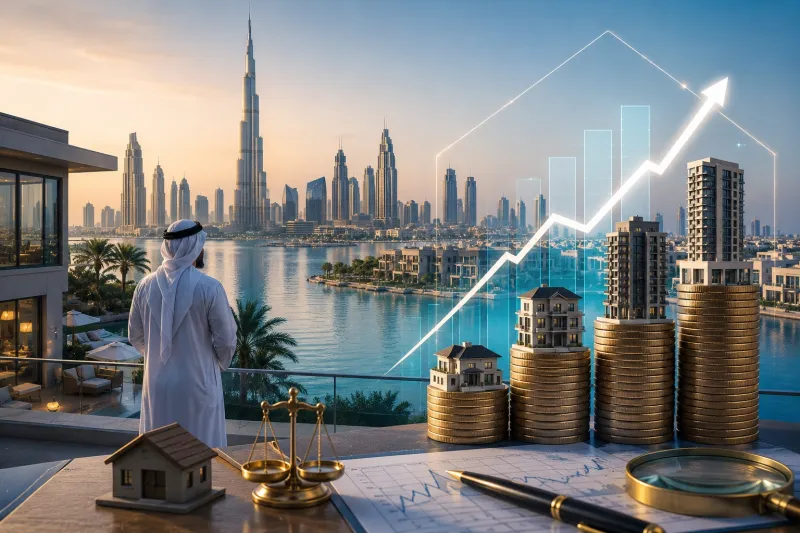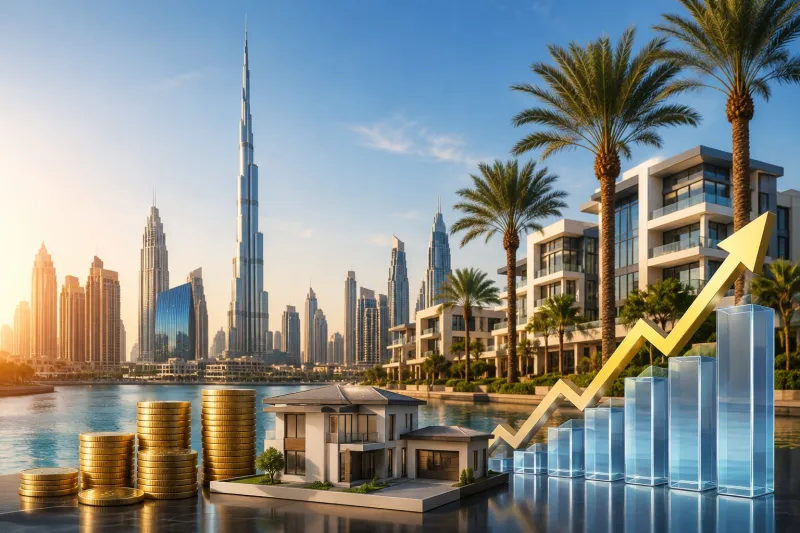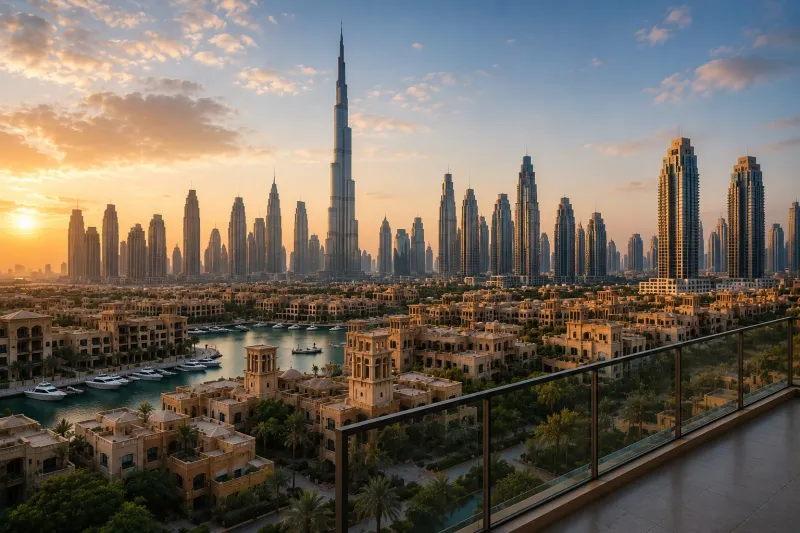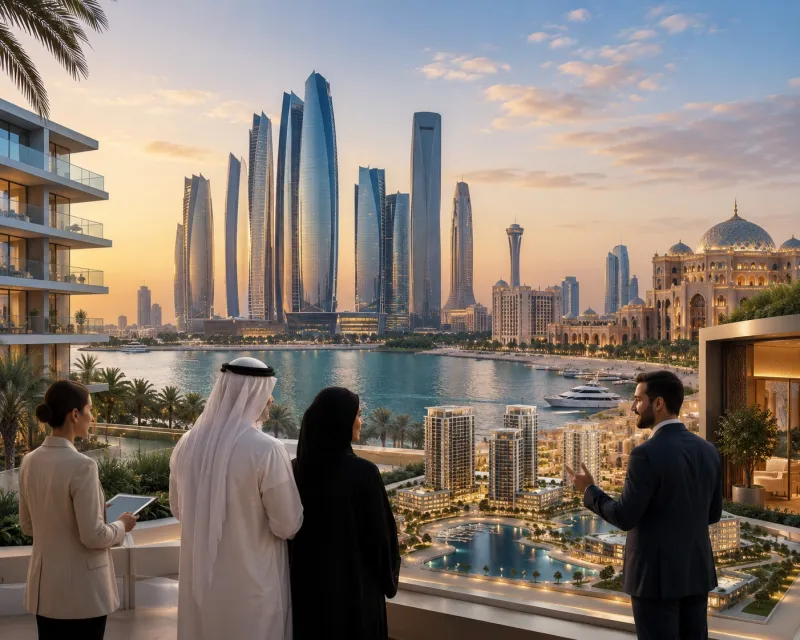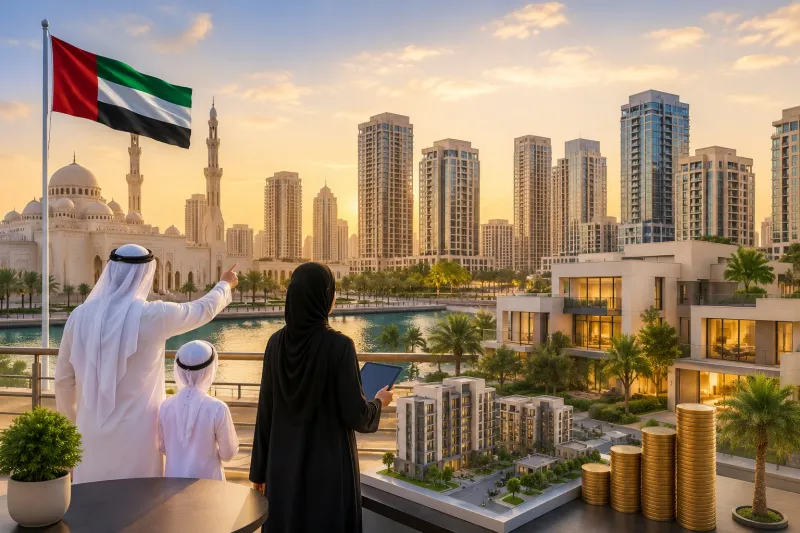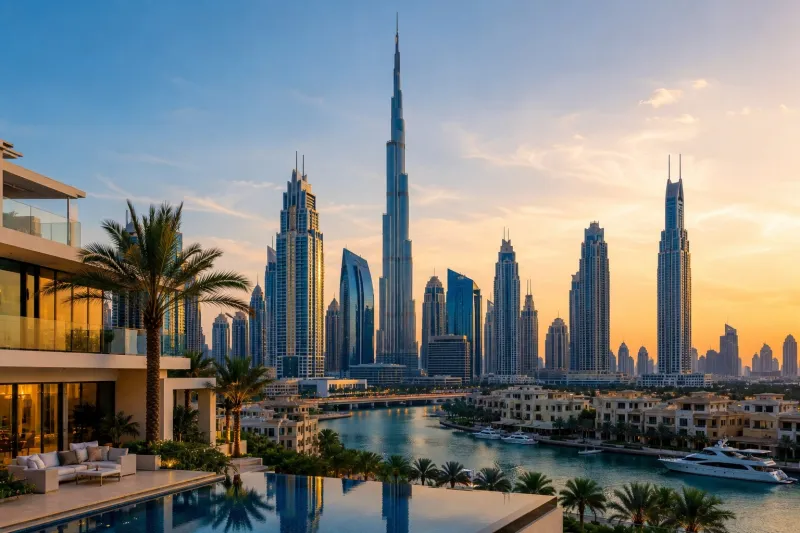
Dubai property market: resilient fundamentals outweigh short-term geopolitical headwinds
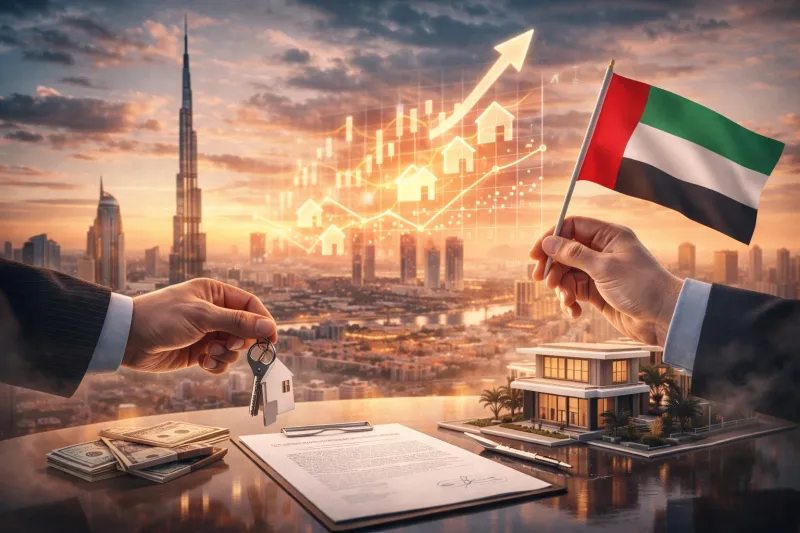
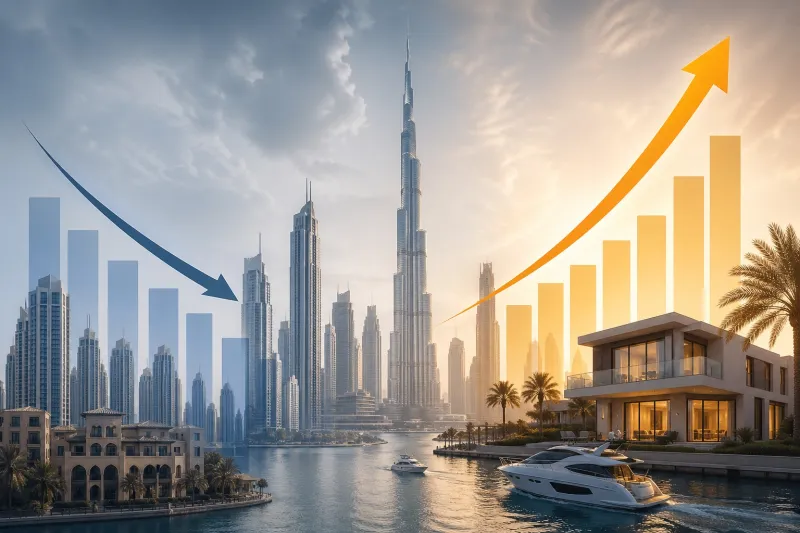
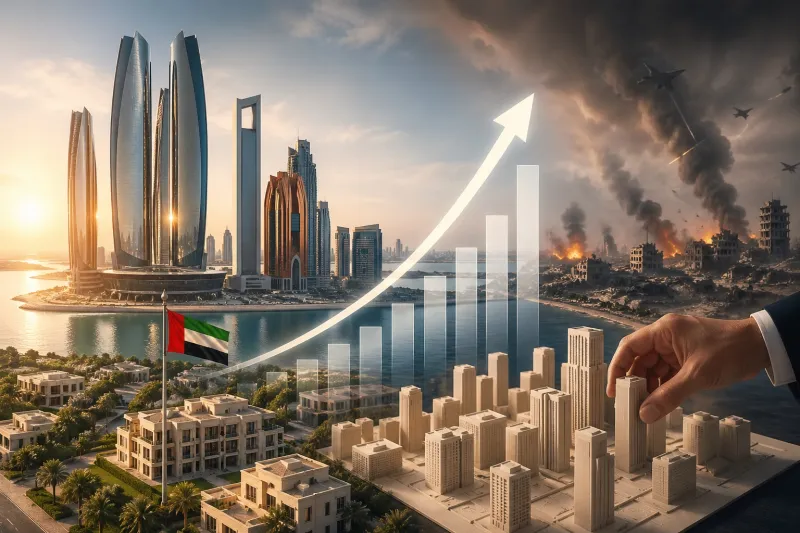
Despite episodic geopolitical tensions and global economic uncertainty, Dubai's property market continues to demonstrate resilience. Strong demographic trends, diversified demand, proactive government policy and a pipeline of infrastructure projects underpin investor confidence and keep the emirate attractive for both end-users and institutional capital.
- Market overview
- Demand drivers
- Supply dynamics and project pipeline
- Rental market and income returns
- Investor profile and foreign capital flows
- Government policy and regulatory support
- Infrastructure, megaprojects and connectivity
- Financing environment and mortgage market
- Tourism, events and short-term rental dynamics
- Risks and near-term headwinds
Market overview
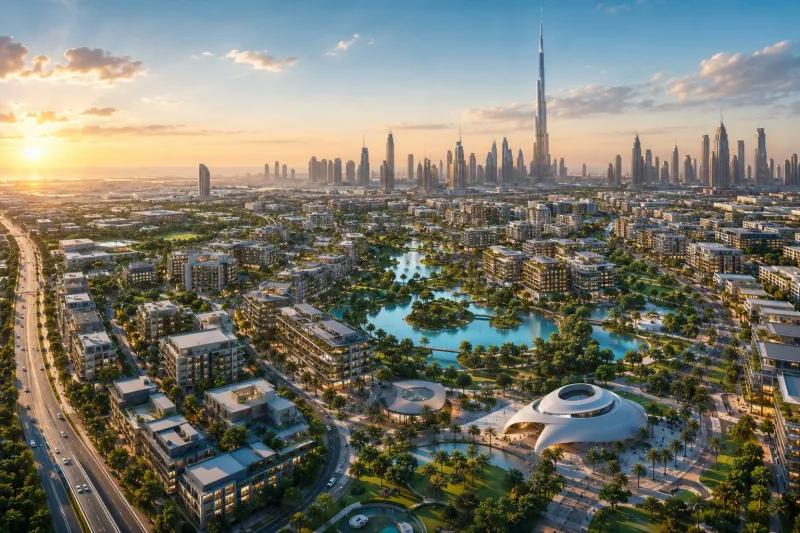
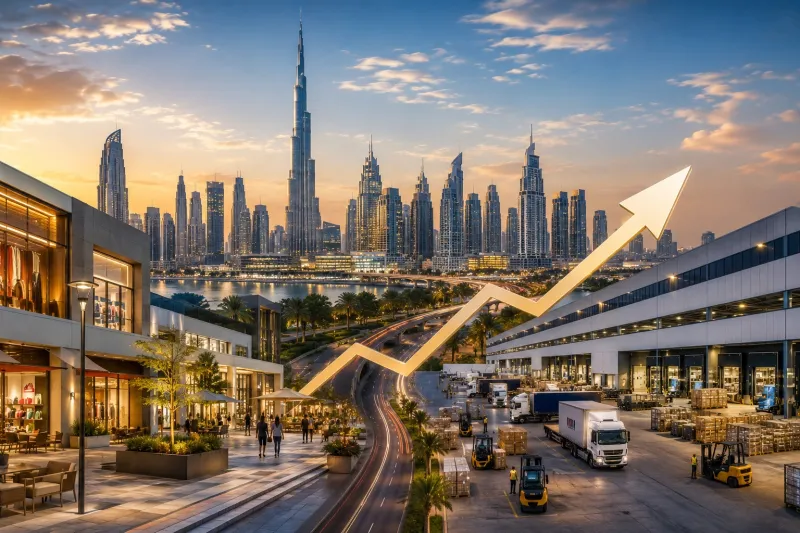
Transaction volumes and price indices in Dubai have shown recovery and steady growth following the pandemic years, with selective pockets outperforming others. Prime locations and new launches frequently attract robust demand, while secondary segments experience more moderate movement. The market today is characterized by active resale trading, healthy off-plan interest and a noticeable pick-up in high-value transactions that signal sustained investor appetite.
Demand drivers
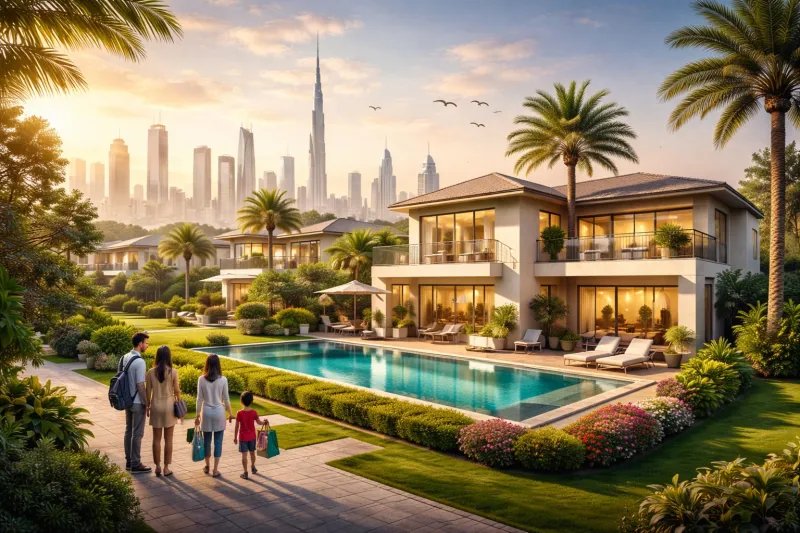
Demographic expansion, labor market diversification and an influx of corporate relocations are the primary demand drivers. Dubai's growing expatriate population, coupled with long-term visa reforms and lifestyle migration from higher-tax jurisdictions, supports housing demand across segments. Additionally, international companies using Dubai as a regional hub continue to spur corporate leasing and executive housing requirements.
Supply dynamics and project pipeline
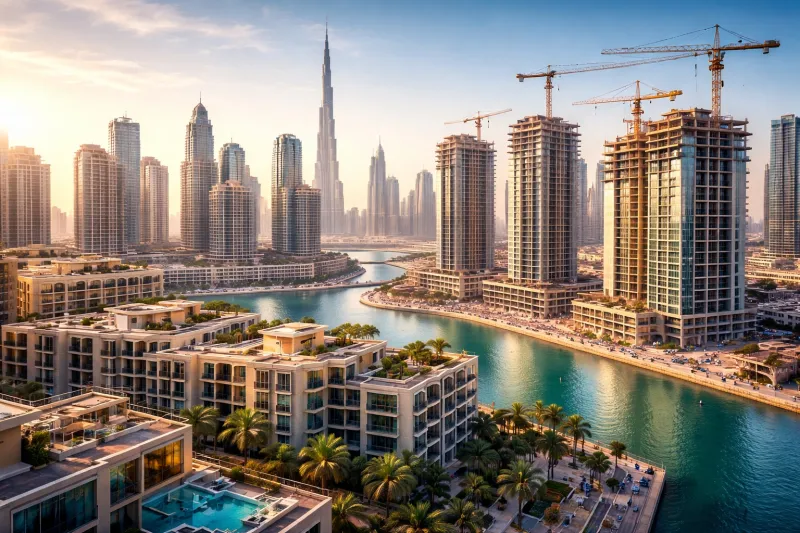
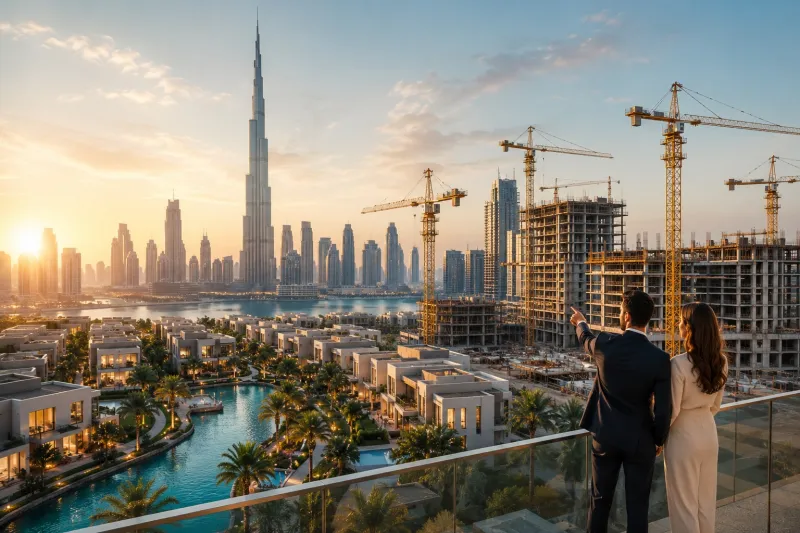
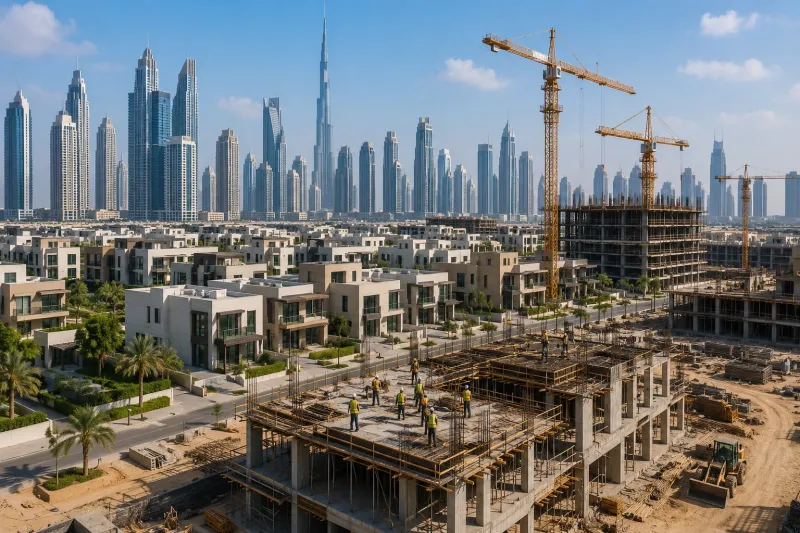
Supply remains carefully calibrated with a mix of completed inventory and staged off-plan projects. Developers are increasingly focusing on phased delivery and mixed-use schemes that match current demand profiles. Urban regeneration and targeted new supply in areas connected to transport nodes reduce the risk of oversupply in mass-market suburbs.
Rental market and income returns
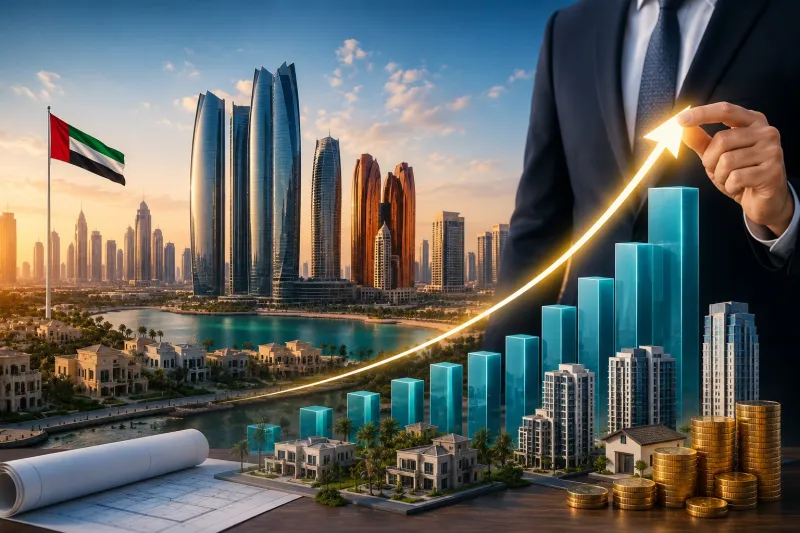
Rental growth has been a key feature of Dubai's rebound, providing attractive yields relative to many global gateway cities. Investors seeking income are benefiting from elevated rents in central and well-located residential and commercial pockets. Short-term fluctuations occur seasonally and around major events, but average net yields remain competitive, sustaining investor interest in buy-to-let strategies.
Investor profile and foreign capital flows
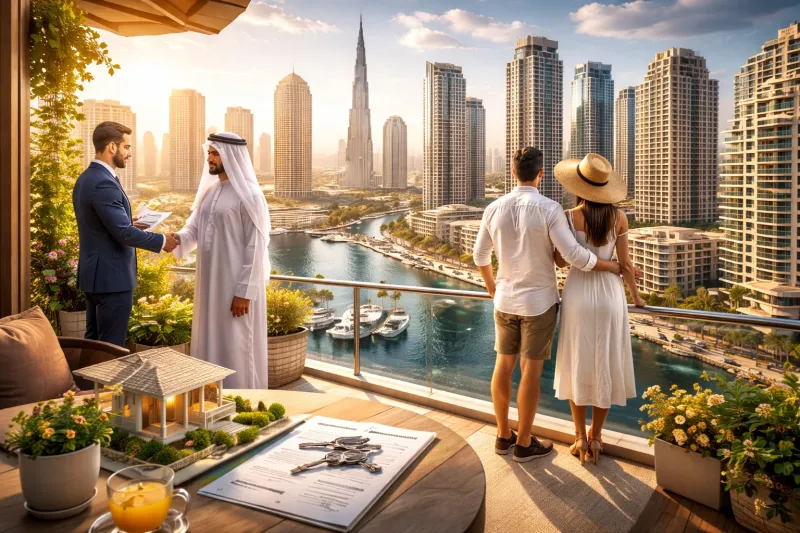
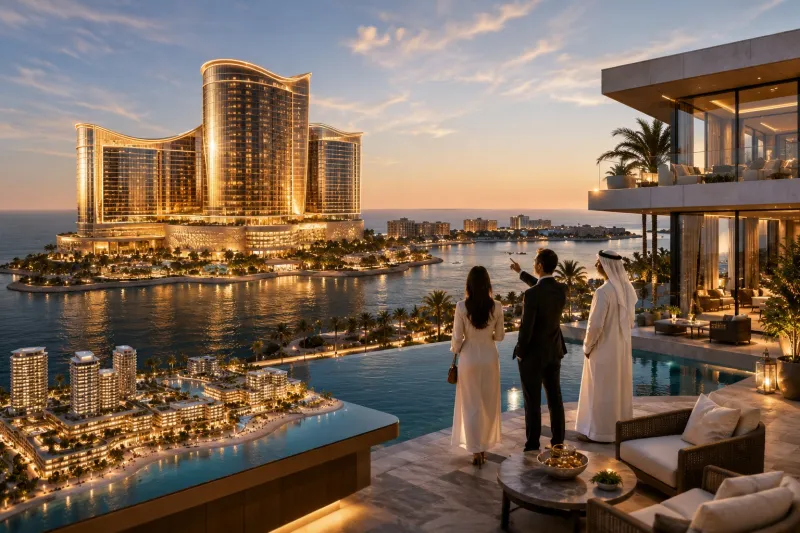
Dubai's investor base is diverse: high-net-worth individuals, family offices, regional sovereign and quasi-sovereign investors, and a growing number of institutional funds. Cross-border capital continues to originate from the GCC, Europe, Russia, South Asia and increasingly China. This diversified capital mix helps absorb localized shocks and maintain transaction liquidity when geopolitical headwinds arise.
Government policy and regulatory support
Proactive government measures such as long-term visa schemes, business-friendly regulations, and targeted stimulus for select sectors have enhanced market confidence. Regulatory transparency improvements, escrow protections for buyers, and robust title systems reduce transaction risk. Authorities have also signaled readiness to intervene to smooth market cycles, which helps anchor long-term expectations.
Infrastructure, megaprojects and connectivity
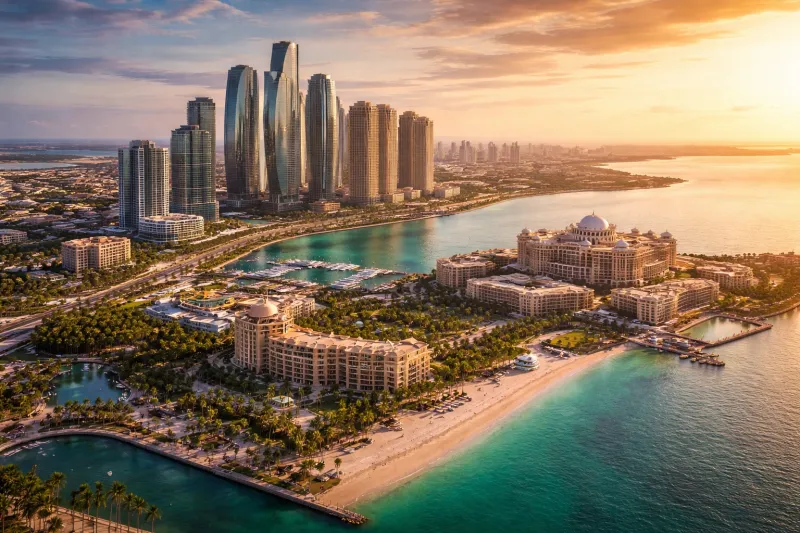
Ongoing investments in airports, metro extensions, road networks and ports strengthen Dubai's role as a global transit and logistics hub. Legacy benefits from Expo 2020, along with continuing hotel and leisure developments, support both residential demand and tourism-related property segments. Improved connectivity enhances the appeal of peripheral districts and promotes balanced urban growth.
Financing environment and mortgage market
Competitive mortgage products and relatively accessible lending standards compared with some Western markets have supported purchaser activity. Local banks maintain prudent underwriting practices while offering a range of fixed and variable-rate mortgages. Although global rate pressures influence borrowing costs, Dubai's stable banking sector and developer financing arrangements mitigate systemic funding risk.
Tourism, events and short-term rental dynamics
Tourism remains a cornerstone of Dubai's real estate demand, with strong hotel occupancy and a thriving short-term rental market feeding into investor returns. Major events, conferences and sporting fixtures create recurring demand spikes. The regulated short-term rental framework balances guest supply with resident concerns and preserves long-term value of properties positioned for holiday lettings.
Risks and near-term headwinds
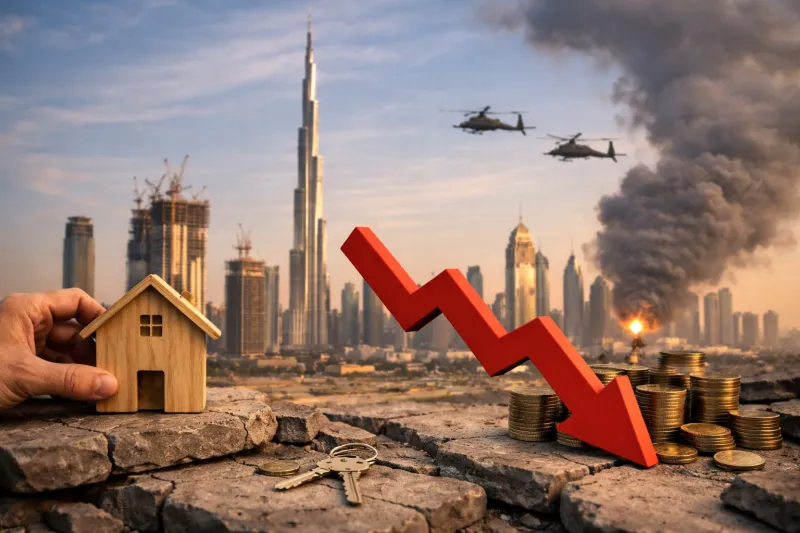
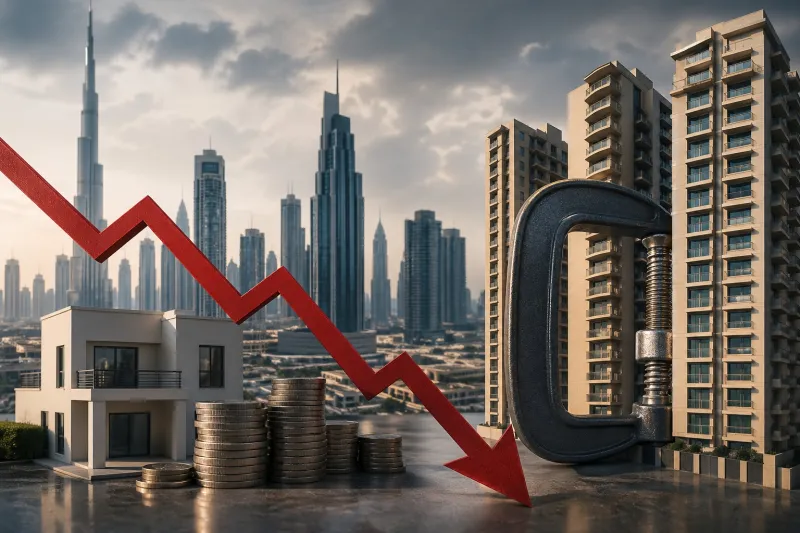
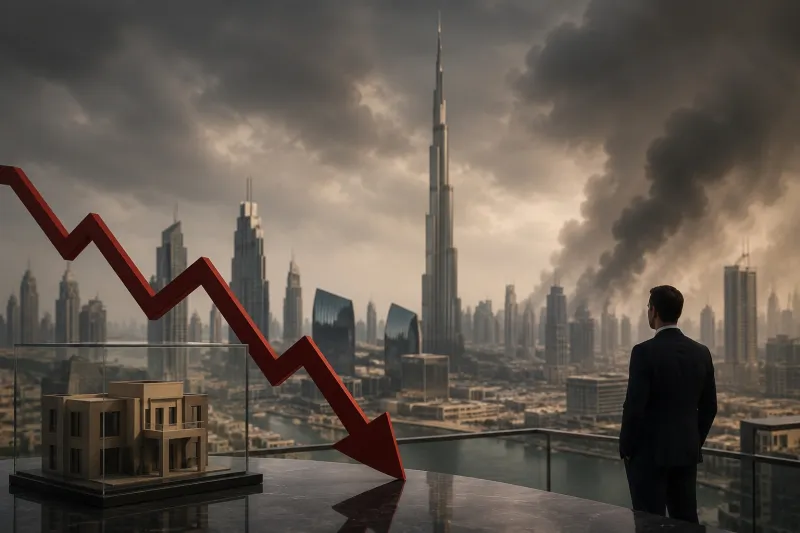
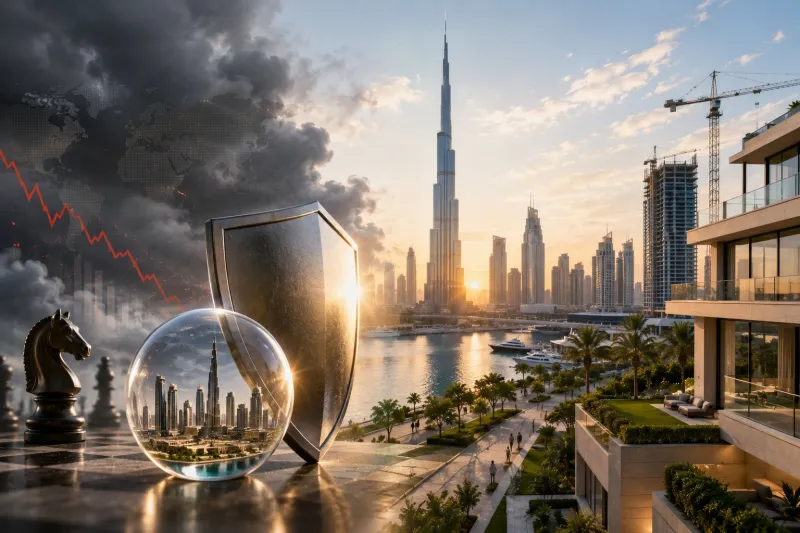
Geopolitical tensions, fluctuating energy prices and shifts in global capital markets present near-term headwinds that can affect sentiment and capital flows. Currency volatility and higher global interest rates may also weigh on affordability for some buyers. However, Dubai's diversified economy, policy responsiveness and continued structural demand drivers act as buffers that limit the translation of short-term shocks into persistent market deterioration.
Focused on delivering informative, accessible content