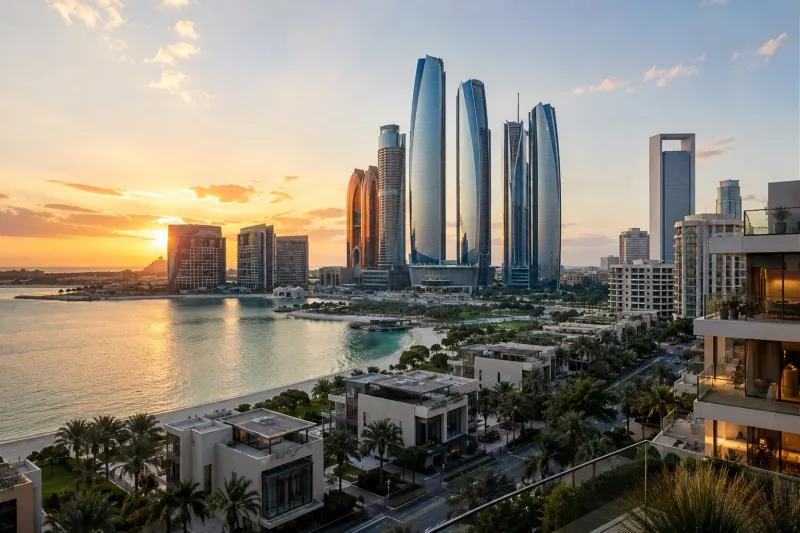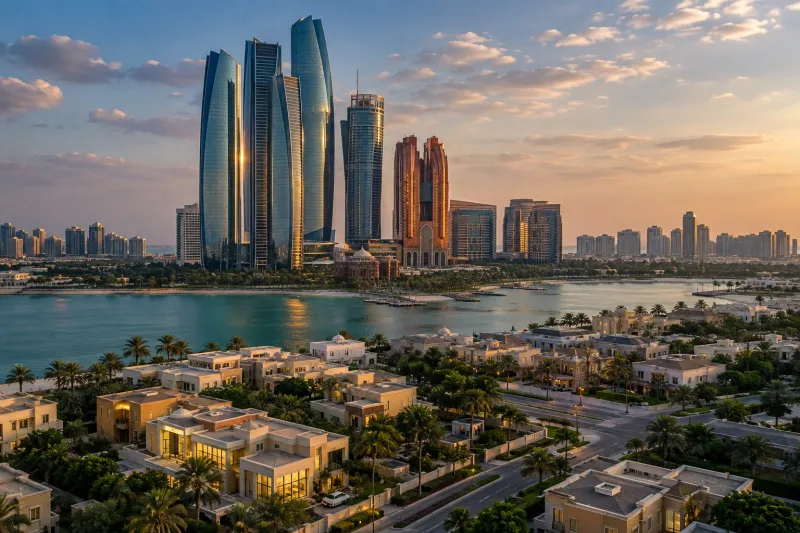
Dubai property market pivots as premium assets lead a new growth phase
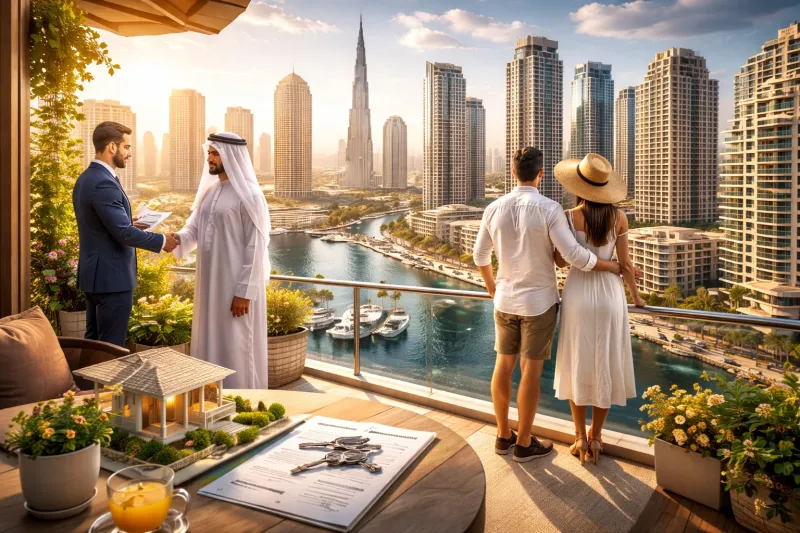
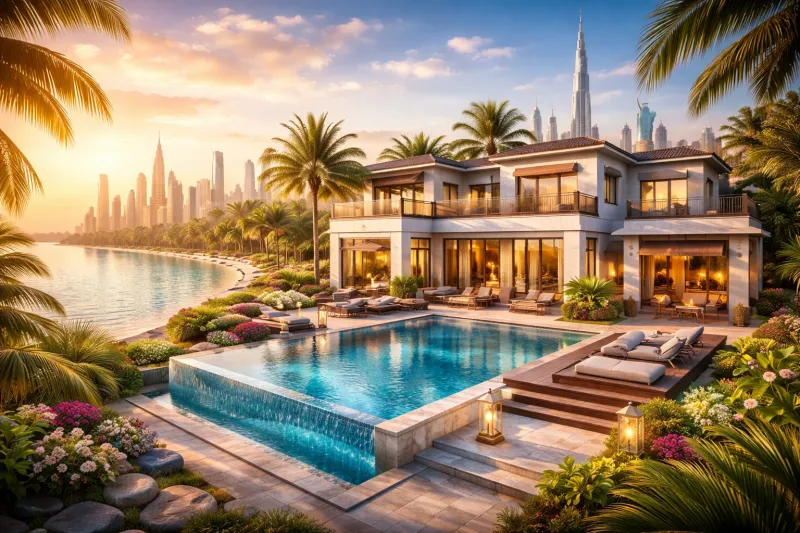
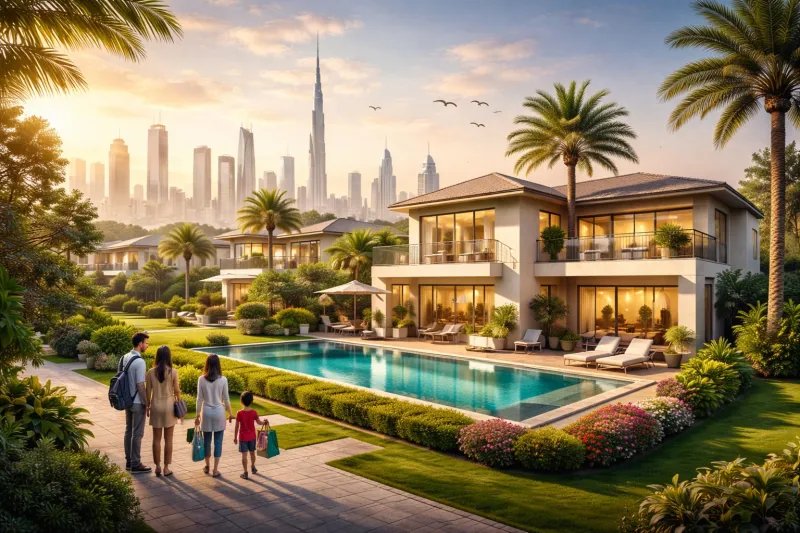
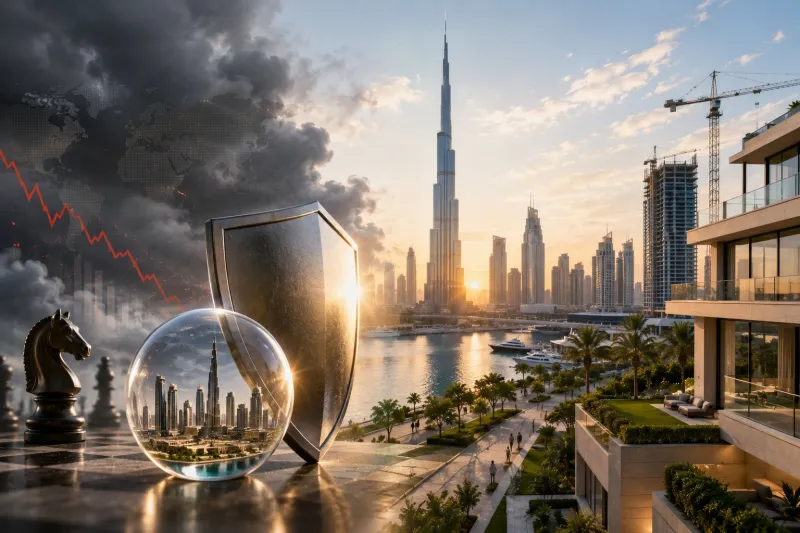
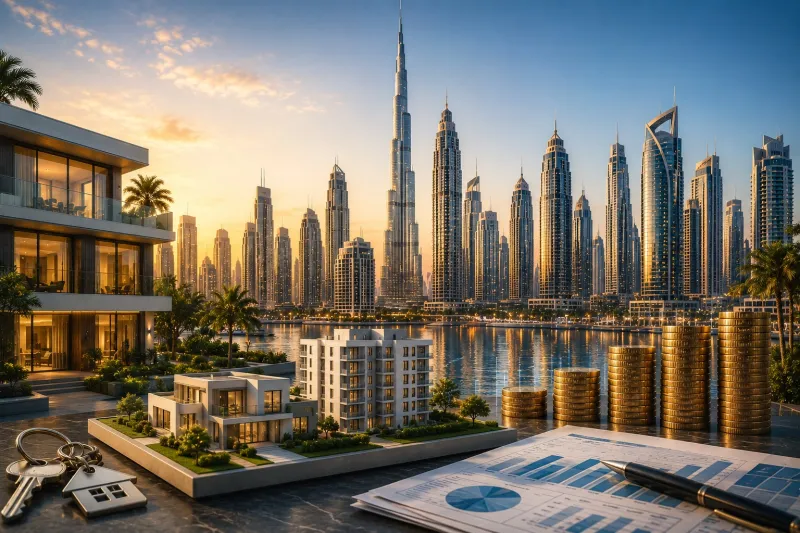
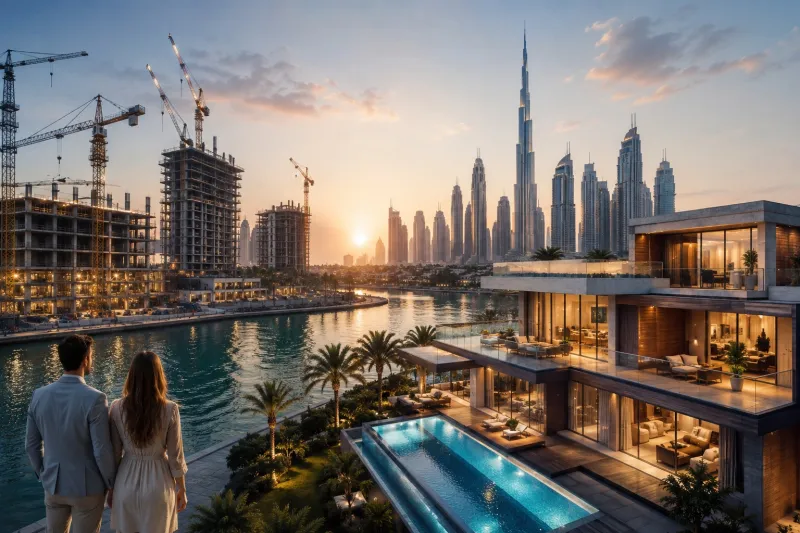
The Dubai real estate market has entered a distinct new phase in which investors are reallocating capital toward premium, well-located and branded assets. After several years of broad recovery driven by policy support and rising demand, the shift now favors high-quality residential, waterfront and trophy commercial properties that promise capital appreciation, stable rental income and lower downside risk. This article examines the forces behind the pivot, performance trends, supply dynamics, regulatory tailwinds and practical strategies for investors navigating the evolving landscape.
- Market overview: a fresh expansion cycle
- Shift toward premium assets: who is buying and why
- Demand drivers: migration, tourism and lifestyle migration
- Supply dynamics: scarcity in prime locations
- Price and rental performance: premium segments outperform
- Branded residences and hospitality-led projects: value added
- Financing and yields: balancing cost with long-term return
- Regulatory tailwinds: policy changes boosting investor confidence
- Risks and headwinds: what could interrupt the momentum
- Practical strategies for investors: how to approach premium allocations
Market overview: a fresh expansion cycle
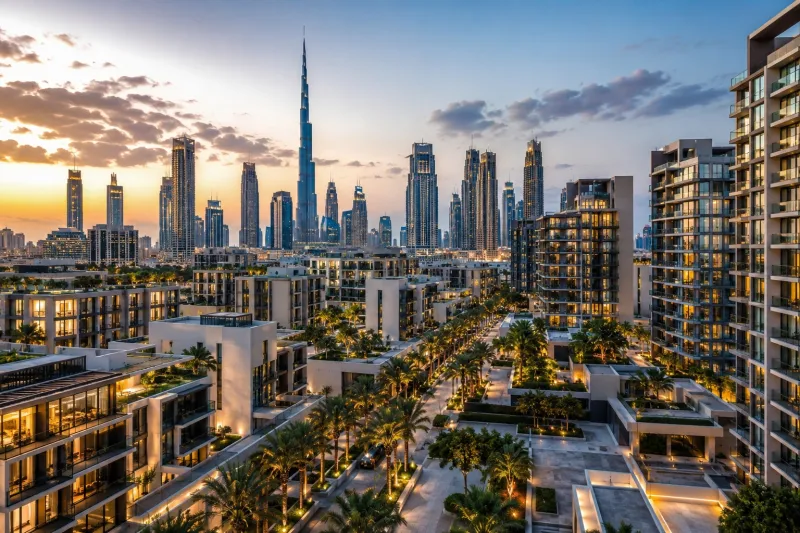
Dubai's property market is moving beyond a cyclical rebound into a more structural growth phase. Initial recovery was broad-based and helped by stimulus measures, but the current cycle displays greater concentration of demand in the top-tier segments. Transaction volumes, primary market launches and price indices for prime addresses are signaling a maturation of investor sentiment, with capital now selectively seeking scarcity, quality and brand association.
Demand drivers: migration, tourism and lifestyle migration
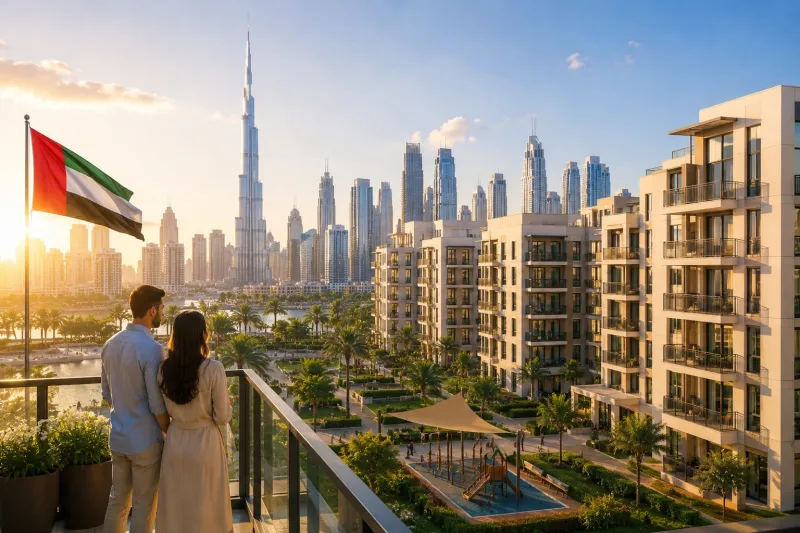
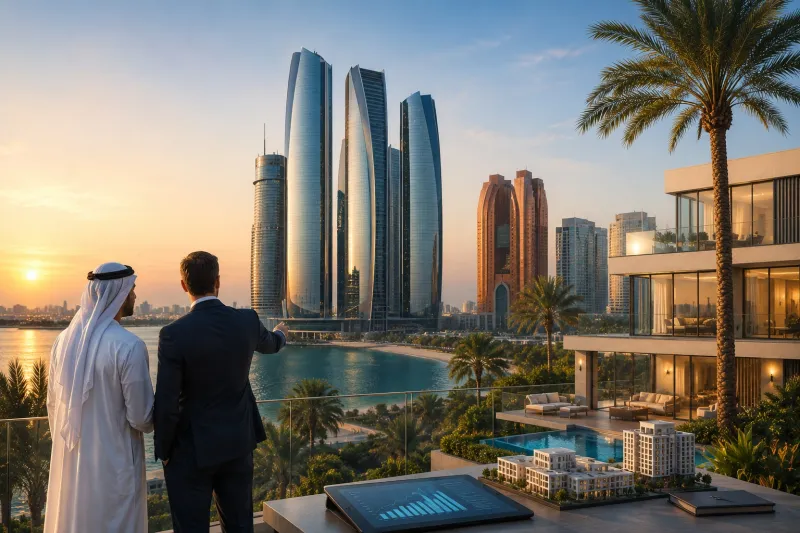
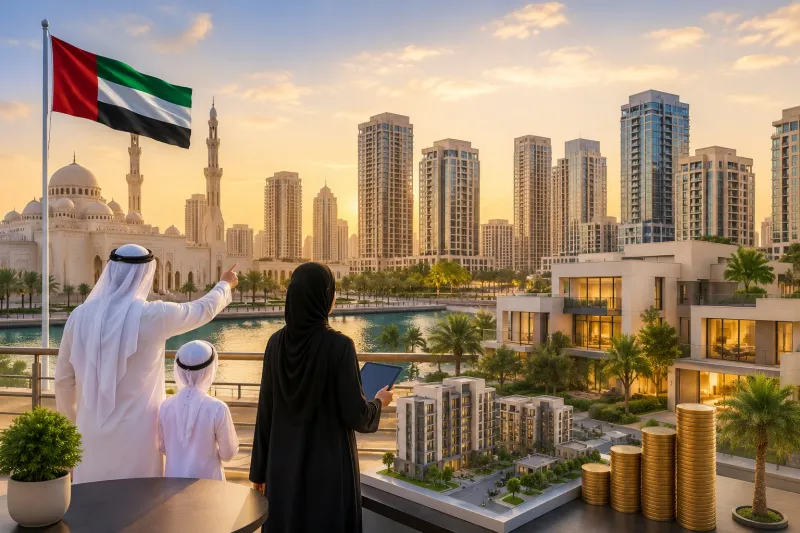
Several demand-side factors are converging. Visa reforms, remote-work visas and investor-friendly residency rules have encouraged long-term relocations to the UAE. Tourism continues to grow, supporting short-term rental markets and hotel-branded developments. Simultaneously, a global search for safety and favorable tax regimes is prompting wealthy individuals and entrepreneurs to establish bases in Dubai, bolstering demand for premium housing and second homes.
Supply dynamics: scarcity in prime locations
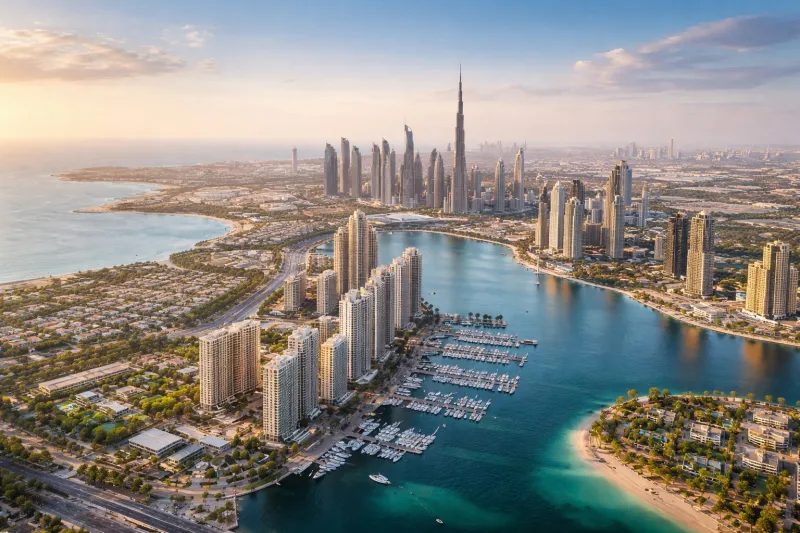
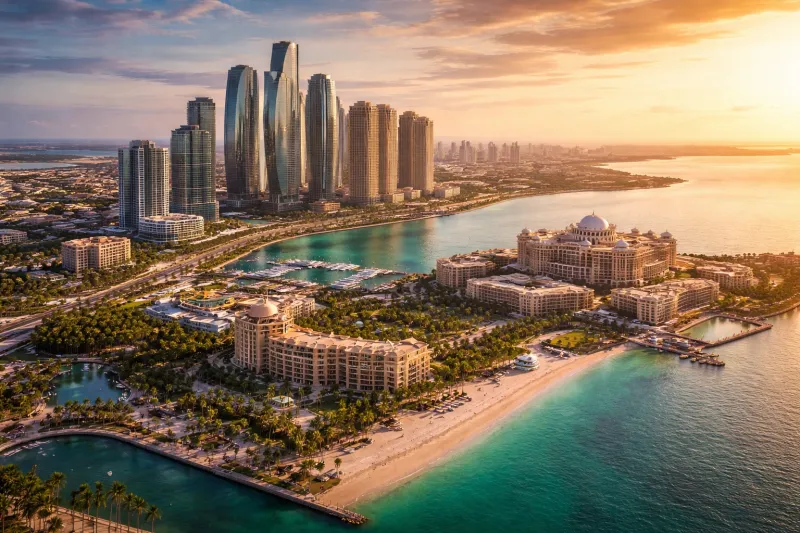
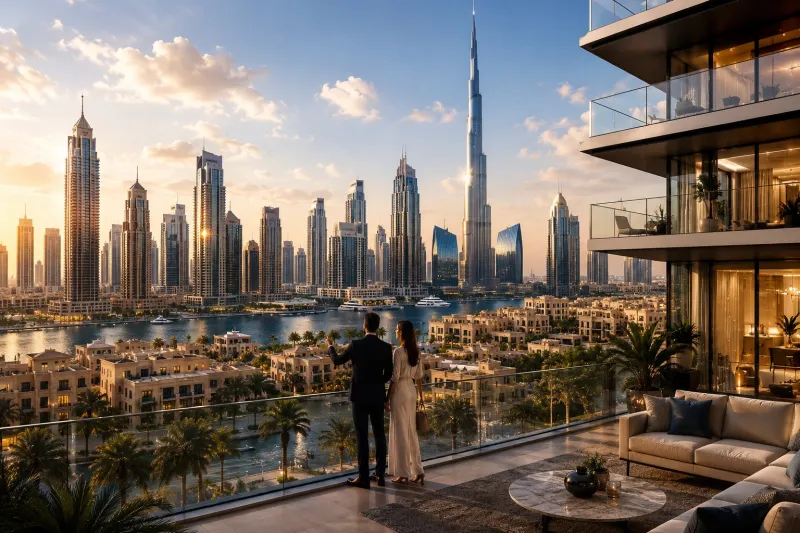
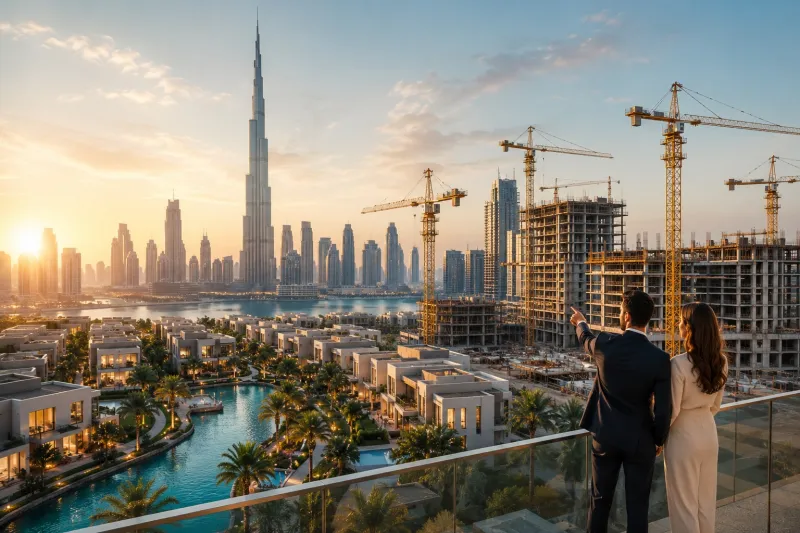
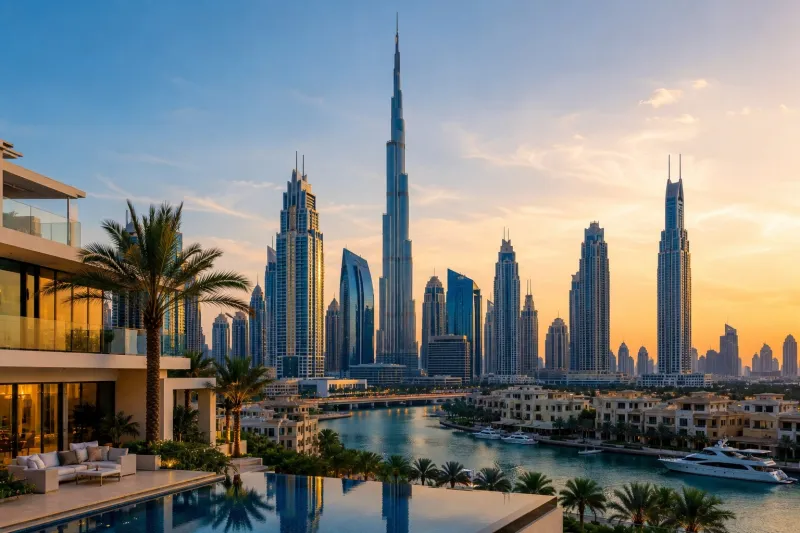
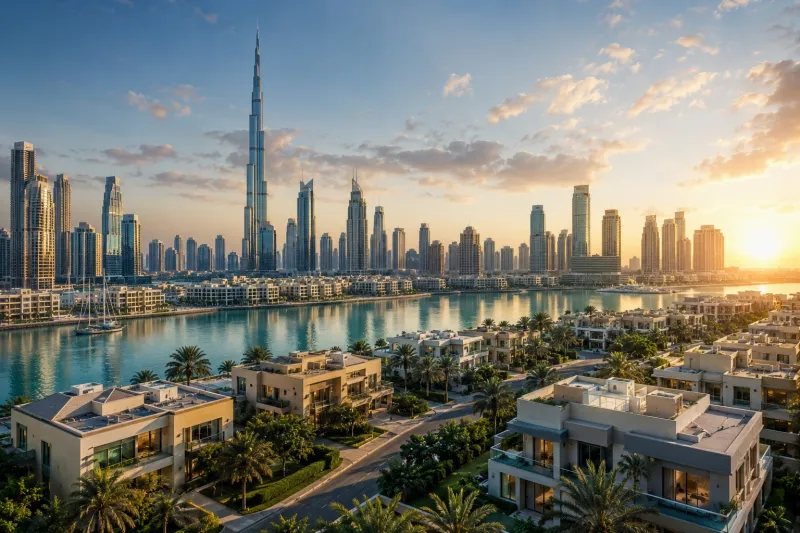
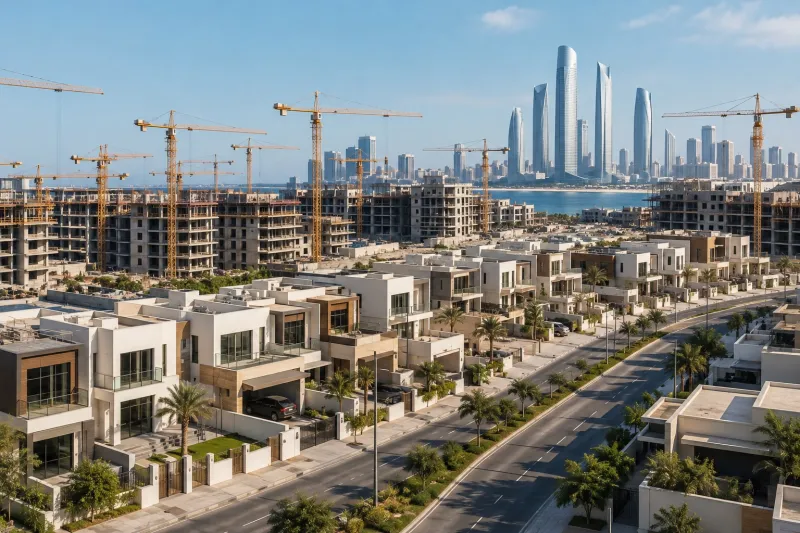
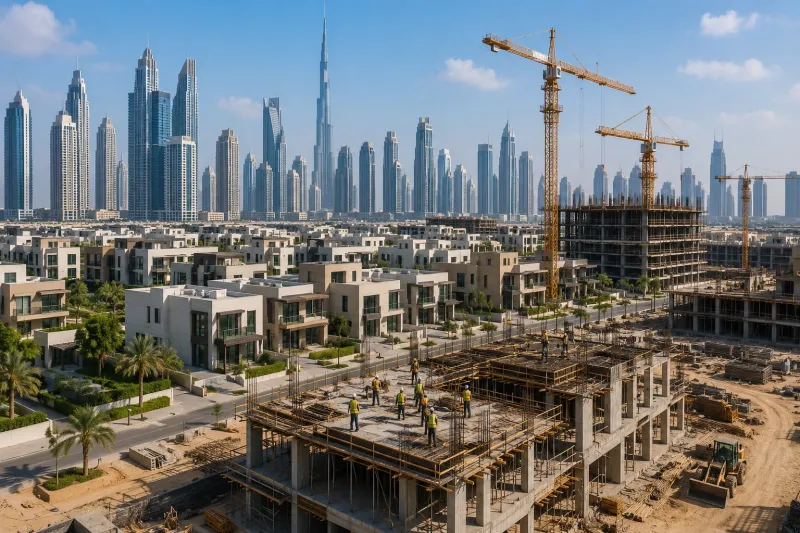
While Dubai has considerable overall housing supply, genuine scarcity exists for waterfront plots, mature island developments and centrally located high-end apartments. Developers are increasingly focusing new launches on premium segments, but land constraints, higher construction costs and regulatory requirements limit the pace at which truly scarce stock can be created. This mismatch between concentrated demand and constrained supply is underpinning price resilience at the top end.
Branded residences and hospitality-led projects: value added
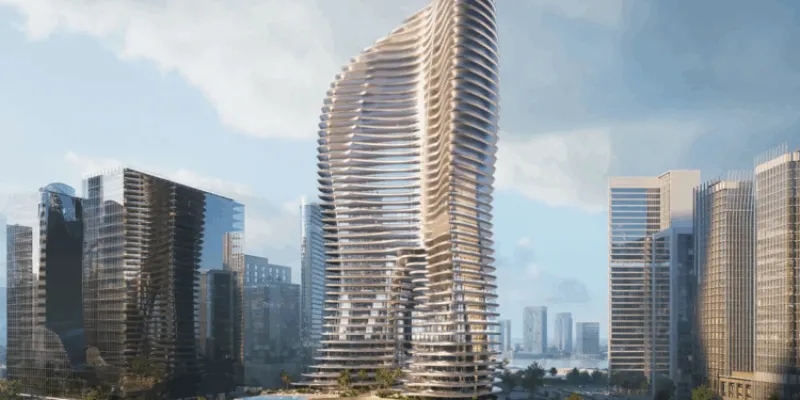
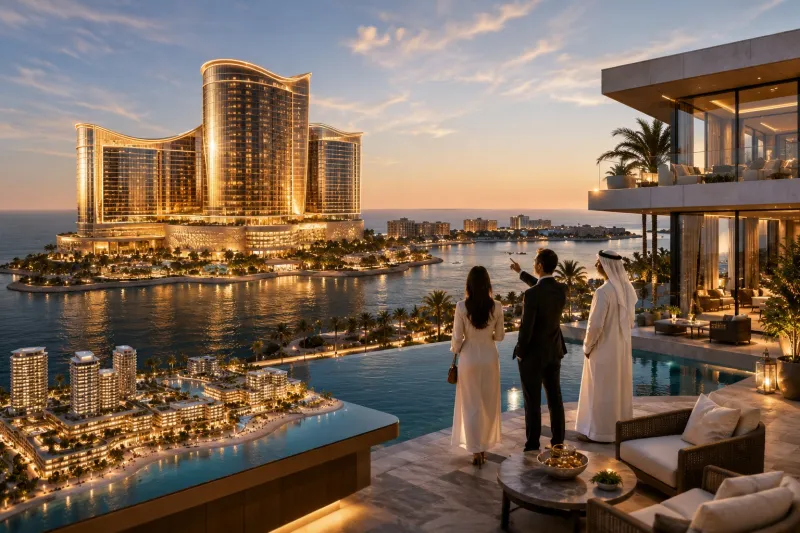
Branded residences and hospitality-led developments play a pivotal role in the premium shift. Strong brands bring global marketing reach, consistent service standards and access to operator-run rental programs, which amplify liquidity and demand. Investors are paying premiums for the perceived assurance of quality and the ability to tap into short-stay traveler pools, corporate bookings and lifestyle positioning that non-branded alternatives typically lack.
Financing and yields: balancing cost with long-term return
Interest rate cycles and mortgage availability affect investor calculus, but premium assets often present a more attractive risk-adjusted profile. While financing costs have risen globally, lenders in Dubai continue to provide structured products for high-quality assets and repeat developers. Investors typically accept lower headline yields for prime properties in exchange for stronger capital growth prospects and greater tenant reliability, particularly in trophy locations.
Regulatory tailwinds: policy changes boosting investor confidence
Policy initiatives have been central to Dubai's appeal: long-term residence options, streamlined company setup rules and enhanced property ownership frameworks for foreigners reduce friction for inbound capital. The legacy of Expo 2020 spawned infrastructure upgrades and global visibility, and ongoing governance reforms aim to increase market transparency and contractual certainty. These systemic improvements make premium real estate a more compelling allocation for international portfolios.
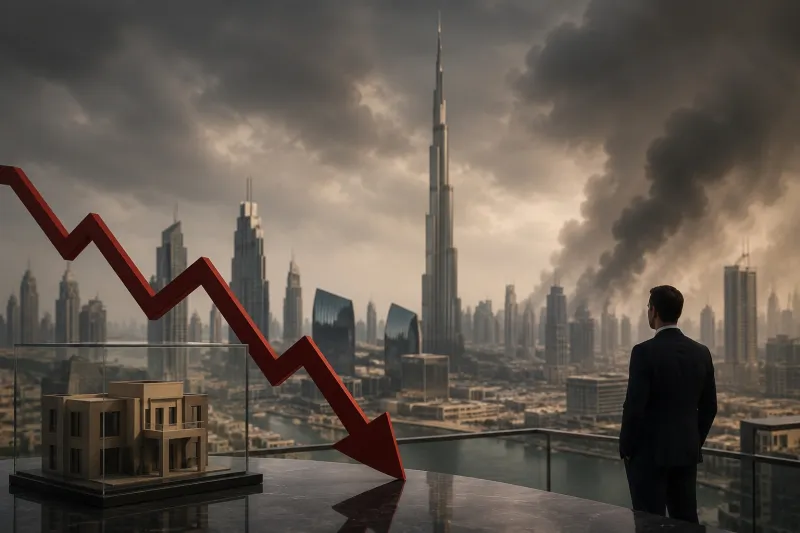
Risks and headwinds: what could interrupt the momentum
Despite favorable conditions, several risks merit attention:
- Oversupply in certain segments: mid-market and speculative off-plan developments could soften broader market momentum if absorption falters.
- Interest rate volatility: sharper-than-expected rate rises would increase borrowing costs and could reduce investor leverage.
- Macro and geopolitical shocks: regional instability or global economic downturns would dampen migration and tourism flows.
Careful due diligence and scenario planning are essential when evaluating premium opportunities.
Focused on delivering informative, accessible content