Dubai buyers keep snapping up homes despite price correction expectations
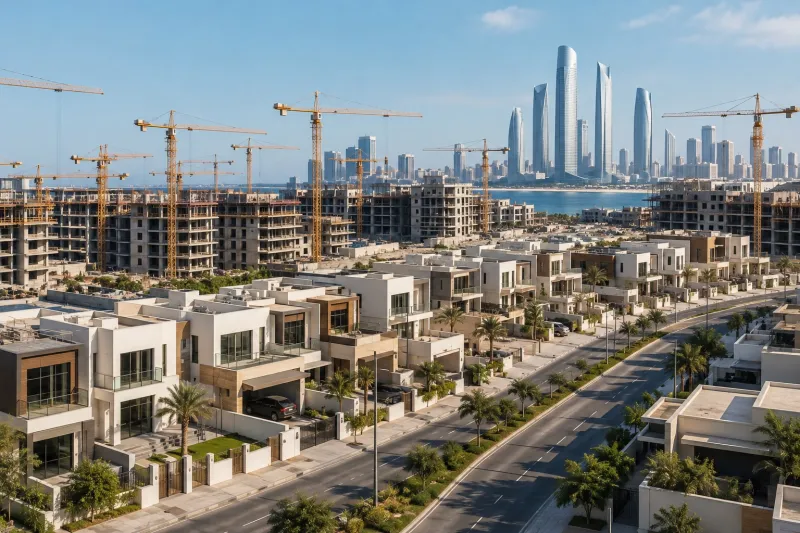
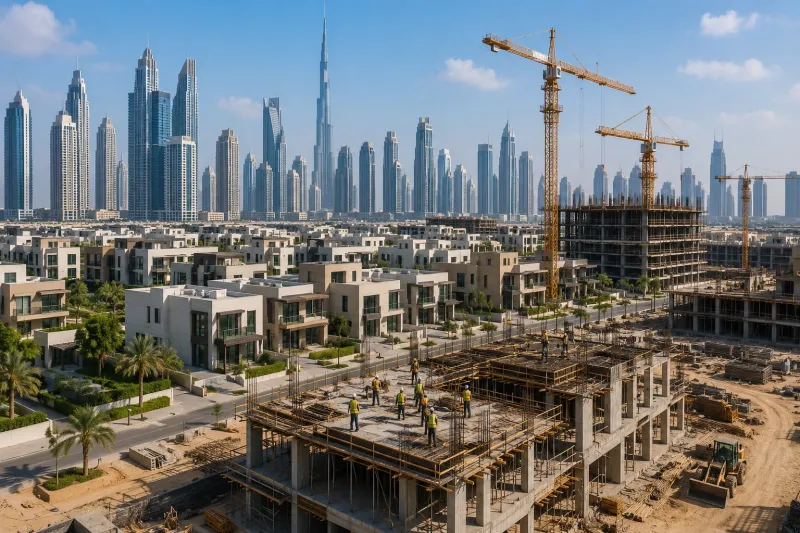
Even as economists and some market watchers forecast a near-term price correction in Dubai residential real estate, demand from buyers remains surprisingly robust. Transactions continue across segments, with activity driven by a mix of lifestyle, investment and strategic motives that are keeping sales momentum alive despite the spectre of falling prices.
- Market snapshot
- Who is buying
- Expectations versus behaviour
- Financing and mortgage dynamics
- Off-plan activity and new launches
- International demand and capital flows
- Tourism, events and structural catalysts
- Rental market and yield considerations
- Developer incentives and pricing tactics
- Risks and watchpoints for buyers
Market snapshot
Recent transaction data and brokerage reports show volumes remaining elevated in several Dubai submarkets. While headline price growth has moderated from its peak, turnover in mid-range apartments and select villa communities remains strong. This dynamic creates a market where headline averages may signal cooling even as pockets of activity persist.
Who is buying
Buyers are a heterogeneous mix: end-users seeking homes, expatriates relocating for work or lifestyle reasons, and investors hunting yield or capital appreciation. High-net-worth individuals continue to target prime waterfront and penthouse stock, while mid-income purchasers tend to favour gated communities and well-connected apartment towers.
Expectations versus behaviour
Many market participants say they expect a correction driven by macro uncertainties and a recent surge in supply, but actual buyer behaviour often contradicts that forecast. Some purchasers cite fear of missing out on attractive units and limited high-quality stock, choosing to transact now rather than wait for a potential dip.
Financing and mortgage dynamics
Mortgage availability and competitive lending terms have supported transactions, particularly among first-time buyers and investors leveraging gearing. Tighter underwriting for certain segments has been offset by promotional rates and longer tenures from selected banks, helping sustain demand even as monetary policy and global rates fluctuate.
Off-plan activity and new launches
Developers have continued to bring new projects to market with staged payment plans and incentives, keeping off-plan sales active. Buyers attracted to lower entry prices and payment flexibility are accounting for a meaningful share of transactions, especially where projects come with strong brand names or proven delivery records.
International demand and capital flows
Dubai’s openness, favourable tax environment and visa reforms keep it on the radar of global capital. Geopolitical tensions, currency volatility in other markets and diversification needs are prompting some international buyers to park wealth in Dubai real estate, often viewing it as a relatively liquid and transparent asset within the region.
Tourism, events and structural catalysts
Continued strength in tourism, high-profile events and long-term infrastructure projects underpin confidence. The legacy of recent global exhibitions and ongoing investment into transport and retail infrastructure are cited by buyers who see sustained demand for short-term rentals and long-term occupancy.
Rental market and yield considerations
Rising rents in many parts of Dubai have improved prospective yields, making buy-to-let strategies more attractive despite price correction chatter. For investors focused on cashflow, solid rental performance can offset concerns about near-term capital value corrections and support holding periods of several years.
Developer incentives and pricing tactics
To stimulate sales, developers often deploy incentives such as service fee waivers, furniture packages, or extended post-handover payment plans that alter the effective price for buyers. These tactics can blur the line between a true market-led price correction and perceived discounts created through non-price concessions.
Risks and watchpoints for buyers
Buyers should weigh several risks: potential short-term price volatility, the impact of rising global interest rates on mortgage costs, and delivery delays for off-plan purchases. Careful due diligence on developer track records, project location and projected rental demand remains essential for those entering the market now.
Focused on delivering informative, accessible content