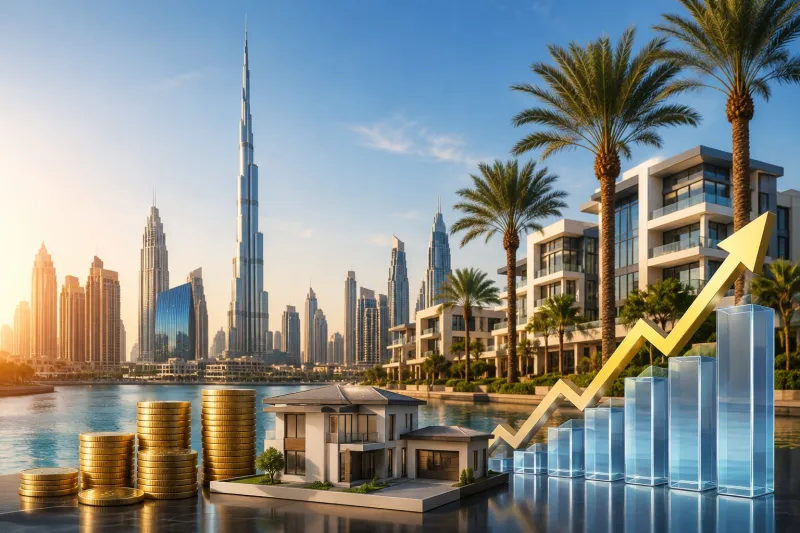
Dubai property boom: AED 252 billion in transactions as investor appetite soars
The Dubai property market has recorded a remarkable surge, with transactions reaching AED 252 billion as investor demand remains robust across residential, off-plan and prime sectors. This article examines the drivers behind the spike, which neighbourhoods and segments are benefiting most, and how policy, finance and global capital flows are shaping the city's real estate landscape.
- Market overview and the AED 252 billion milestone
- Transaction composition and volume trends
- Key drivers of investor demand
- Price movements across segments
- Hotspots and neighbourhood-level performance
- Off-plan versus secondary market dynamics
- Financing environment and mortgage trends
- Regulatory measures and government support
- International capital flows and buyer profiles
- Outlook and near-term risks for the market
Market overview and the AED 252 billion milestone
The Dubai property market has hit a significant milestone: total transaction value has climbed to AED 252 billion, underscoring a period of heightened activity. This figure reflects combined activity across residential, commercial and off-plan deals, driven by both local buyers and international investors taking advantage of market dynamics and strategic government initiatives.
Transaction composition and volume trends
Transactions contributing to the AED 252 billion headline include freehold purchases, leasehold agreements and sales of off-plan units. While high-value luxury deals attract headlines, a substantial portion of activity comes from mid-market and affordable segments, which together sustain volume and liquidity in the market. Brokers report continued appetite for condominium units as well as villas in family-oriented communities.
Key drivers of investor demand
Investor demand remains strong for several reasons:
- Visa and residency reforms: long-term visas and investor-friendly residency rules have made Dubai more attractive for overseas buyers.
- Economic diversification: sustained diversification away from oil continues to support employment and demand.
- Tax environment: absence of property taxes and relatively straightforward ownership rules boost returns for foreign investors.
Price movements across segments
Price dynamics vary by segment. Prime waterfront and island properties have seen strong price resilience and selective appreciation, while some mid-market neighbourhoods have recorded healthy upward pressure as demand outpaces new supply. Rentals have firmed in many popular communities, improving yields for buy-to-let investors, though growth is patchy depending on location and asset quality.
Hotspots and neighbourhood-level performance
Certain districts are outperforming the broader market. Areas like Dubai Marina, Palm Jumeirah, Downtown Dubai and Dubai Hills Estate continue to attract premium buyers, while emerging pockets such as Business Bay, Jumeirah Village and Meydan have also reported notable transaction activity. Buyer preferences are shifting towards communities offering amenities, connectivity and strong rental demand.
Off-plan versus secondary market dynamics
Off-plan sales remain a core part of Dubai's market architecture, with developers offering structured payment plans that appeal to investors seeking capital-efficient exposure. At the same time, the secondary market is benefiting from immediate occupancy demand and clearer yield visibility. Investors are balancing the higher potential upside of off-plan with the certainty of completed assets, creating active flows in both channels.
Financing environment and mortgage trends
Mortgage availability and competitive lending packages have supported purchase activity, particularly among expatriate buyers. Banks have adjusted lending criteria to manage risk while still facilitating purchases; meanwhile, rising incomes and improved employment stability have made mortgage repayments more manageable for many buyers. Expect continued alignment between bank lending policies and macroeconomic indicators.
Regulatory measures and government support
Government initiatives and regulator actions have reinforced investor confidence. Measures to streamline title transfers, enhance transparency in escrow arrangements and promote dispute resolution have been welcomed by the market. Additionally, strategic initiatives around tourism, infrastructure and business licensing indirectly support property demand by boosting economic activity and population inflows.
International capital flows and buyer profiles
Dubai continues to attract diverse international capital: high-net-worth individuals seek trophy assets, while institutional and retail investors pursue income-generating opportunities. Source markets include Europe, South Asia, Russia, and parts of Africa and East Asia. Investor profiles range from short-term speculators to long-term residents seeking lifestyle or wealth-preservation assets.
Outlook and near-term risks for the market
Near-term outlook remains positive but not without risks. Factors such as global interest-rate moves, shifts in expatriate employment flows, and the pace of new supply delivery could influence momentum. Market participants are closely watching macroeconomic indicators and developer delivery timelines to gauge whether the strong transaction values are sustainable over the medium term.
Focused on delivering informative, accessible content