Dubai residential market shifts to sustainable growth as demand supports prices
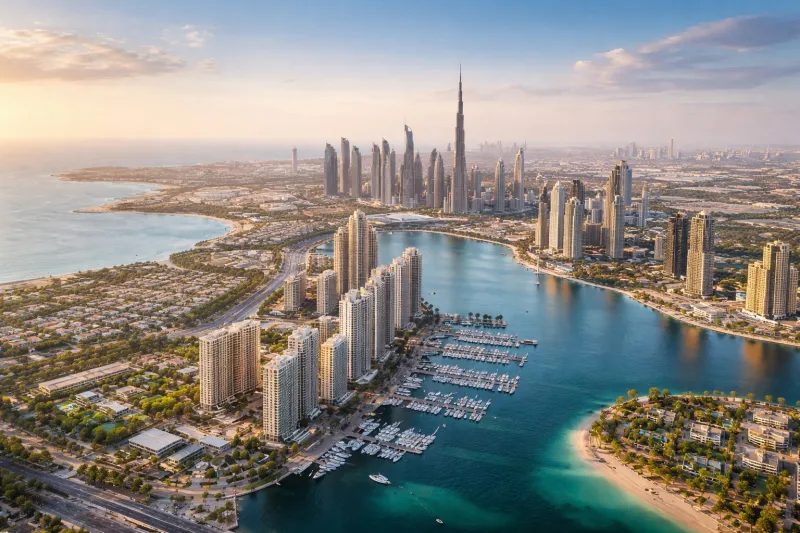
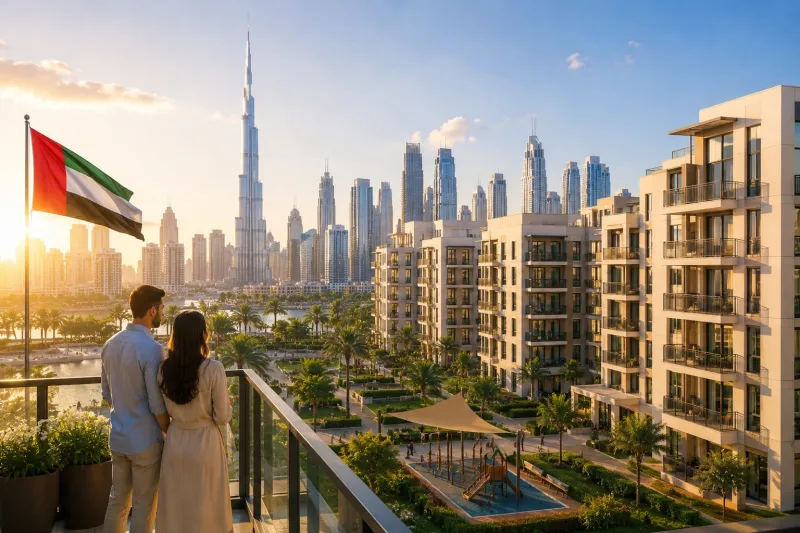
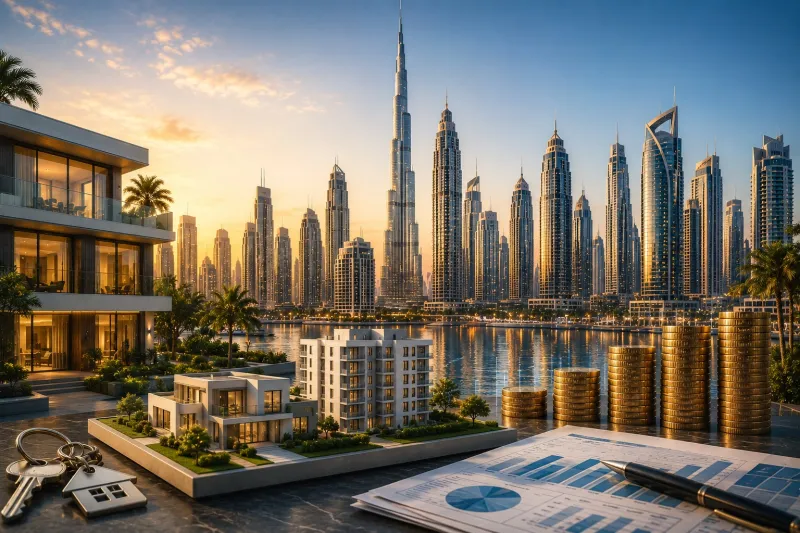
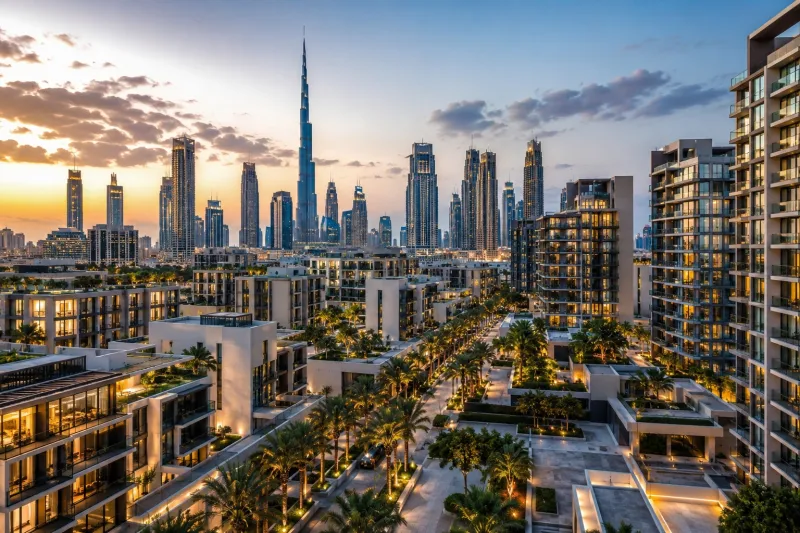
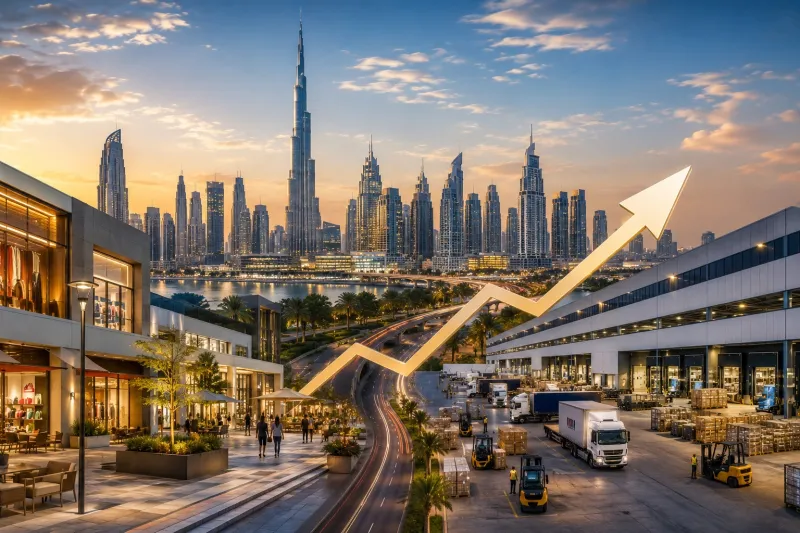
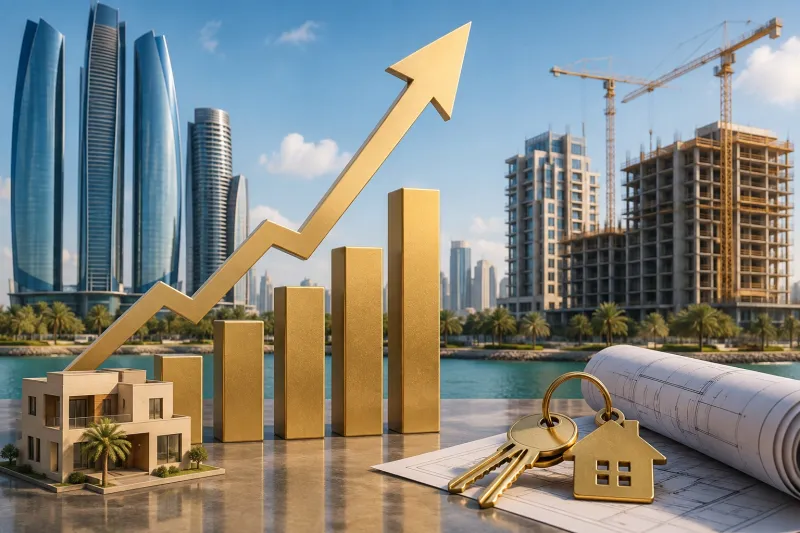
Dubai's residential property market is evolving from rapid, investment-led expansion to a more sustainable growth pattern, where steady demand continues to underpin prices. A mix of policy reforms, demographic trends and developer strategies is rebalancing supply and demand, creating a market environment that favors quality stock, long-term investors and end‑users.
- Market overview
- Price dynamics by segment
- Demand drivers sustaining prices
- Supply-side adjustments and developer strategy
- Sustainability and green building impact
- Financing and mortgage trends
- Rental market interplay
- Foreign investment and regulatory context
- Technology and proptech adoption
- Risks and near term challenges
Market overview
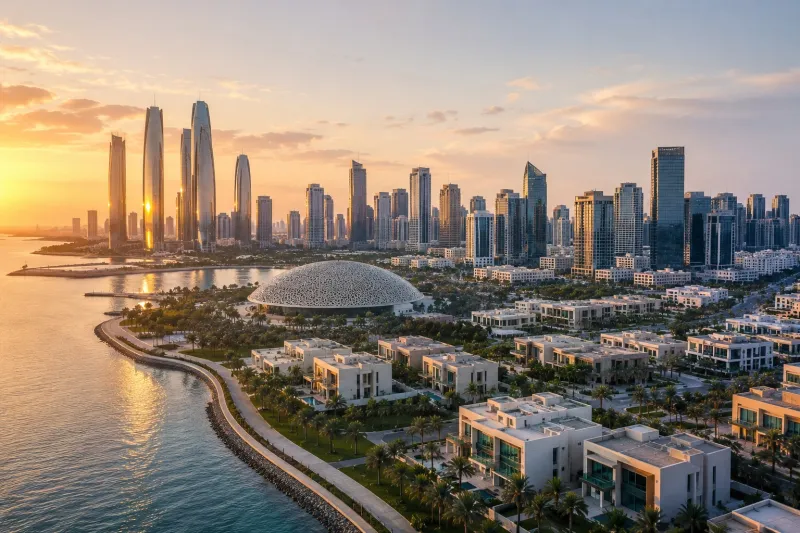
The Dubai residential market has moved beyond the extremes of the past decade. Where speculation and rapid inventory delivery once dominated, current conditions show moderated volume growth and persistent buyer interest. Prices have stabilized in many submarkets and selective appreciation is visible where demand outpaces available quality supply.
Price dynamics by segment
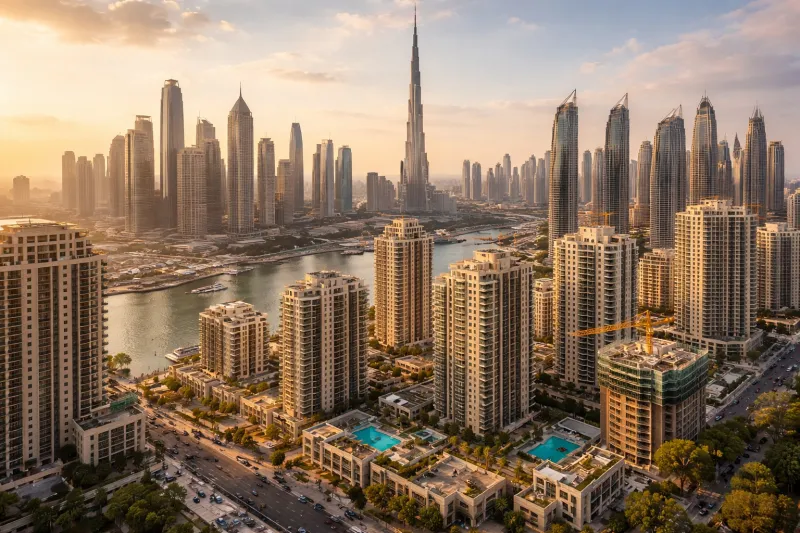
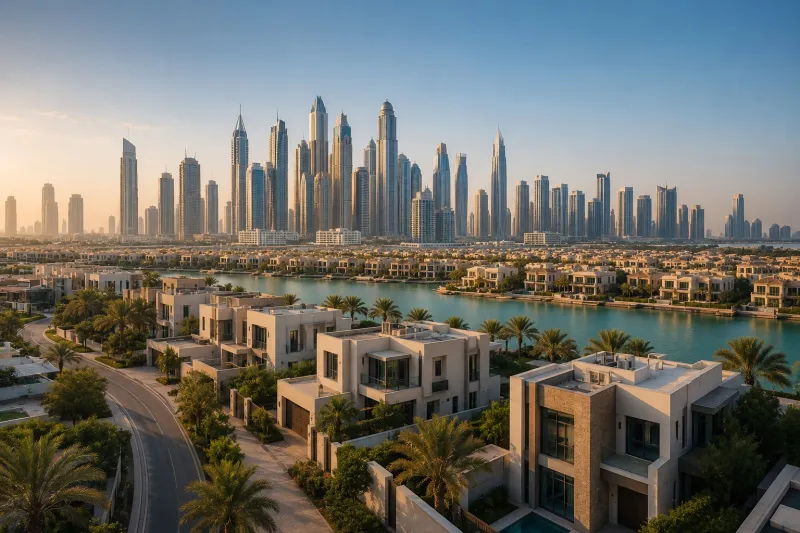
Price performance varies across segments: prime villas in established communities and well‑located waterfront apartments continue to command premiums, while secondary stock sees more competition. Developers are prioritizing units that meet contemporary lifestyle preferences, which supports pricing for projects with strong amenities, smart design and credible delivery timelines.
Demand drivers sustaining prices
Several factors underpin demand: sustained expatriate inflows, corporate relocations, and new visa initiatives that encourage longer stays. Tourism recovery and business events also feed short‑term rental demand, indirectly supporting residential values as investors seek properties with flexible use cases.
Supply-side adjustments and developer strategy
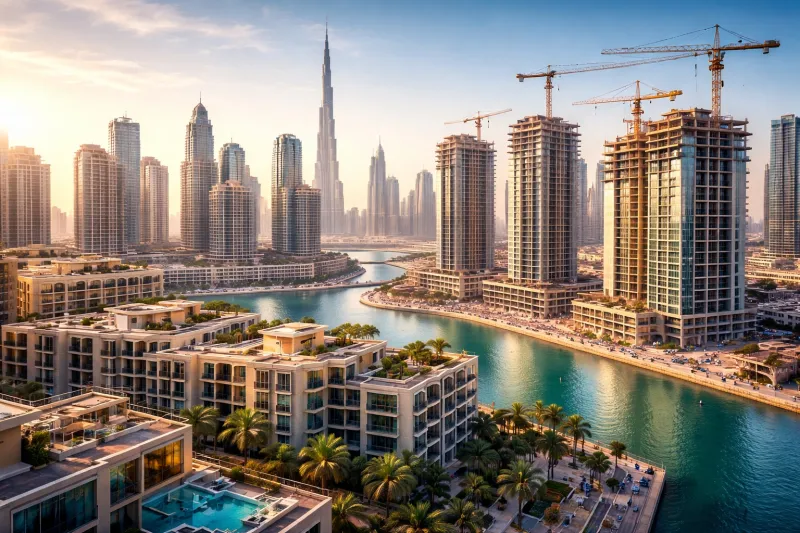
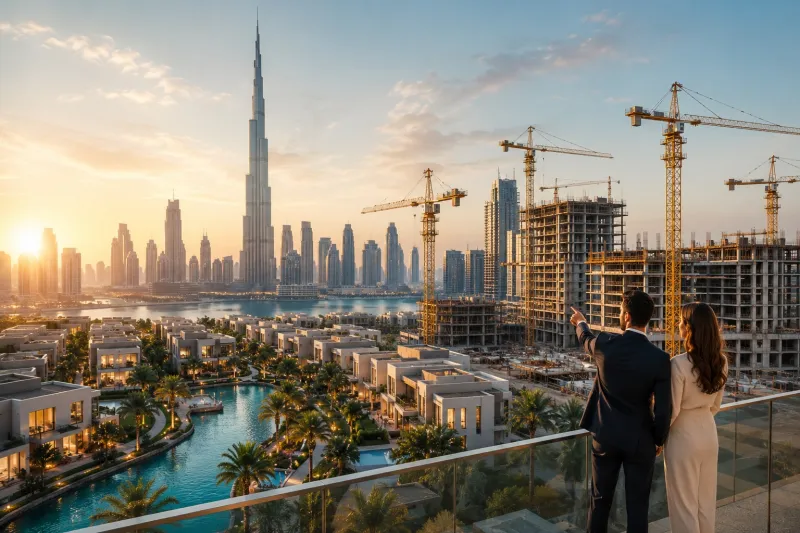
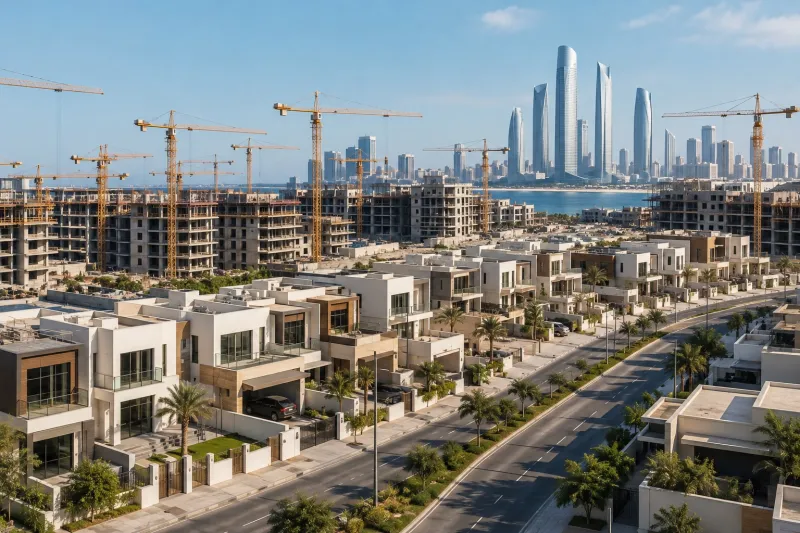
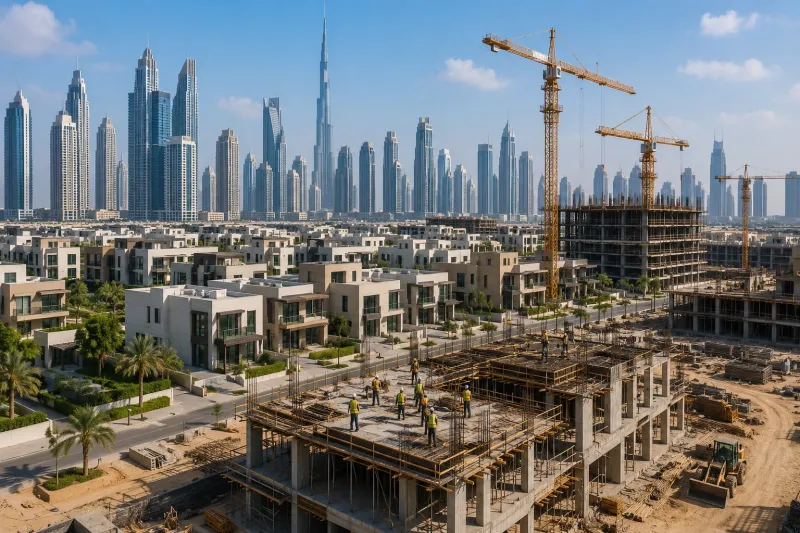
Developers are recalibrating pipelines, focusing on delivery certainty and product differentiation rather than sheer volume. This includes delaying or downsizing some launches, targeting niche segments, and enhancing after‑sales service. Such discipline helps reduce the risk of oversupply and supports price resilience.
Sustainability and green building impact
Environmental regulations and buyer preferences are pushing sustainability up the agenda. Projects that incorporate energy efficiency, water conservation and smart building systems are more attractive to both occupants and investors. Developers promoting green credentials often find a pricing advantage and stronger long‑term demand.
Financing and mortgage trends
Mortgage availability and cost remain key determinants of affordability. Lenders have tightened underwriting since earlier cycles, but competitive mortgage products and increasing developer payment plans are helping buyers access the market. Interest rate movements globally continue to influence buyer sentiment and transaction timing.
Rental market interplay
The rental market is closely linked to residential price dynamics. Rising rents in high‑demand neighborhoods improve investor yields and can justify higher asset values. Conversely, softening rentals in oversupplied pockets put pressure on prices there, prompting a more selective investment approach focused on locations with consistent occupancy.
Foreign investment and regulatory context
Dubai's openness to foreign ownership in designated freehold areas and a tax environment with no personal income tax remain strong attractions. Recent visa reforms and business incentives further encourage international buyers. Regulatory transparency and escrow protections have increased confidence among overseas investors.
Technology and proptech adoption
Proptech is reshaping transactions and asset management: digital listings, virtual viewings, online contracting and smart‑home integrations speed decision-making and reduce friction. Innovations such as data analytics for pricing and blockchain pilots for settlements are gradually improving market efficiency and investor trust.
Risks and near term challenges
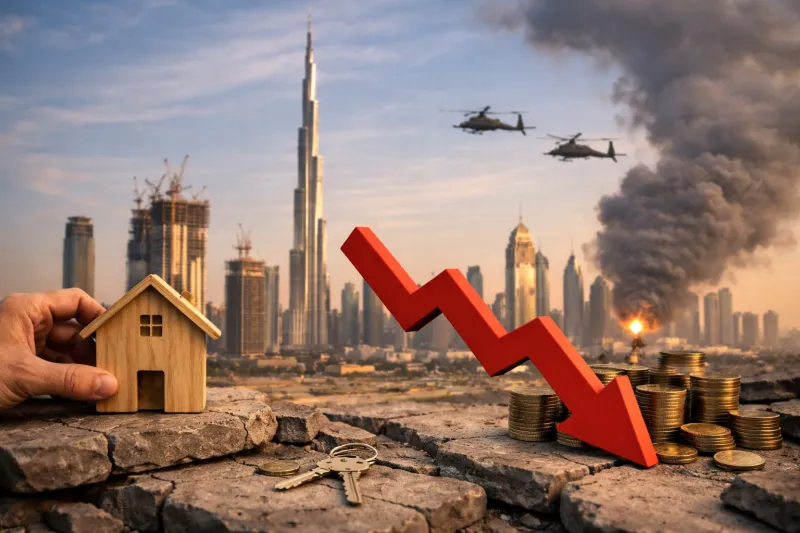
Notwithstanding positive momentum, risks remain. Interest rate volatility, potential external economic shocks and pockets of speculative supply could disrupt certain segments. Careful monitoring of delivery schedules, developer balance sheets and demand composition will be essential for market participants navigating the transition to sustainable growth.
Focused on delivering informative, accessible content