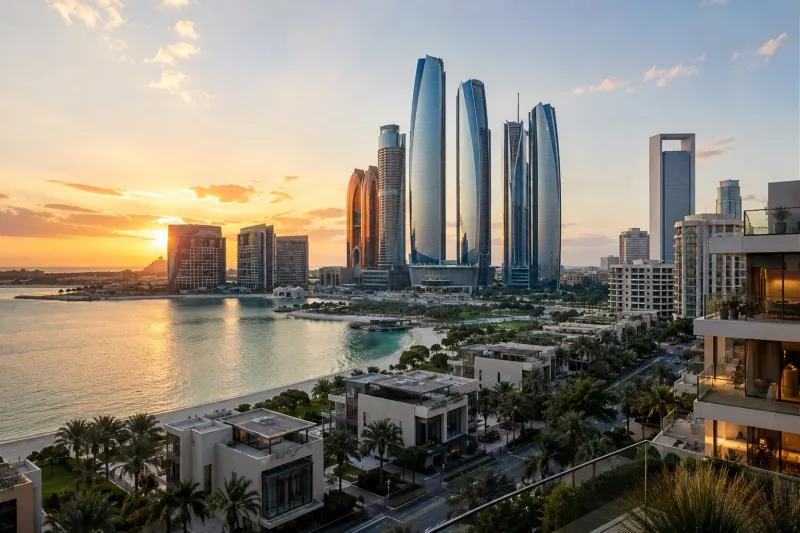
Abu Dhabi property market defies uncertainty as investor demand remains strong
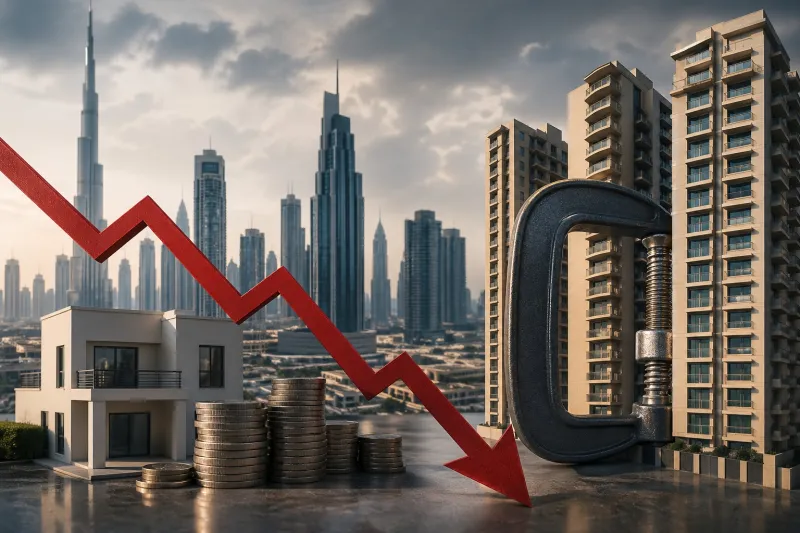
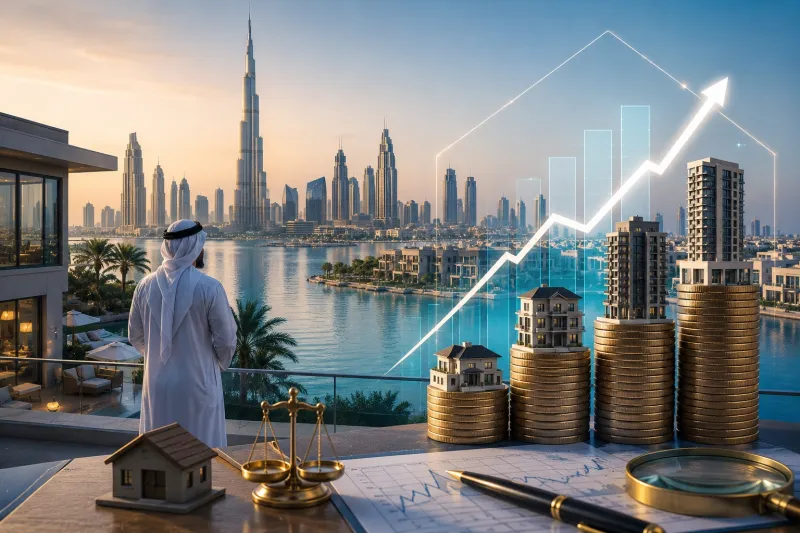
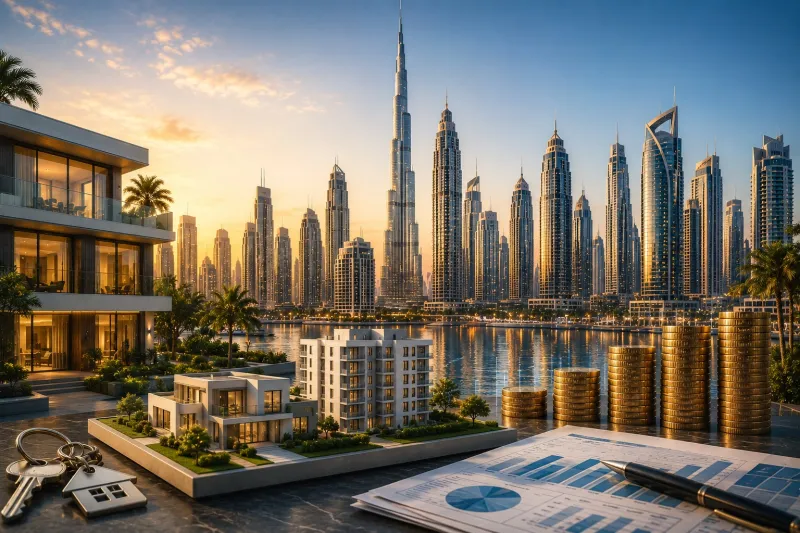
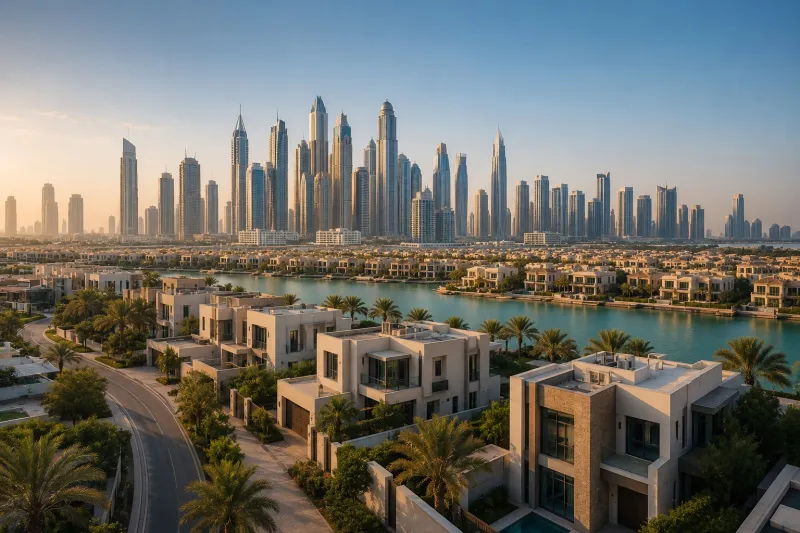
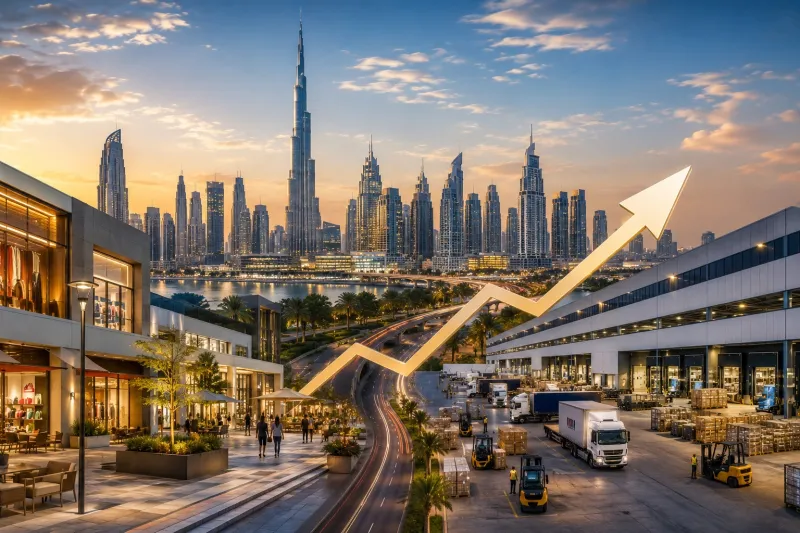
Despite global economic headwinds and periodic regional uncertainty, Abu Dhabi’s property market has shown notable resilience. Investor interest remains high across several segments, supported by policy reforms, targeted infrastructure spending and a steady stream of high-net-worth buyers seeking diversification and stable yields.
- Market overview: steady performance amid volatility
- Investor demand: who is buying and why
- Supply dynamics: new projects and absorption rates
- Government policy and regulation: reforms that matter
- Financing and lending: access to capital
- Rental market: yields and tenant trends
- Luxury and waterfront segment: premium assets remain sought after
- International buyers and freehold zones: widening appeal
- Infrastructure and megaprojects: catalysts for demand
- Outlook for investors: focus areas and risk considerations
Market overview: steady performance amid volatility
The Abu Dhabi property market has delivered steady performance even as international markets experienced turbulence. Transaction activity has been concentrated in mid- to high-end residential projects and select commercial assets. Price stability in established neighborhoods contrasts with localized price adjustments where new supply has entered the market.
Investor demand: who is buying and why
Investor demand is being driven by a mix of local, regional and international buyers. Important drivers include the emirate’s political stability, comparatively attractive yields, and a transparent legal framework. Many investors cite long-term capital preservation and rental income as primary motivations, while some speculative buying has emerged around upcoming infrastructure nodes.
Supply dynamics: new projects and absorption rates
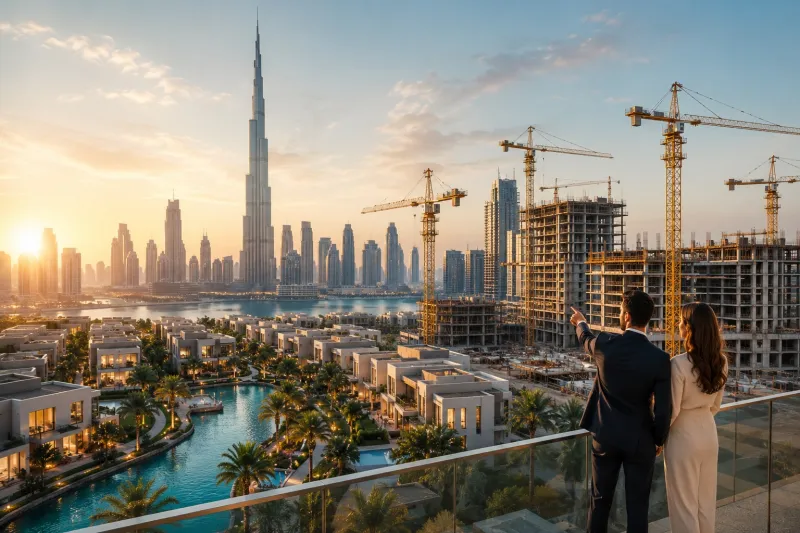
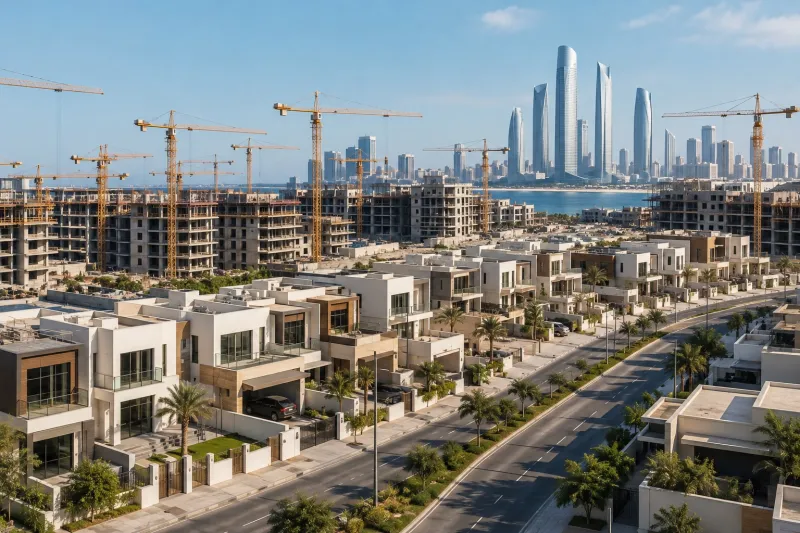
New residential and mixed-use projects continue to be launched, but absorption rates vary by location and price band. Developments in well-connected districts are being absorbed faster, whereas peripheral projects are taking longer to reach full occupancy. Developers are increasingly calibrating launches to demand, adopting phased roll-outs to avoid oversupply.
Government policy and regulation: reforms that matter
Regulatory reforms and targeted incentives have supported investor confidence. Measures such as extended visa-linked property ownership, more flexible tenancy regulations and streamlined registration processes have made market entry easier for foreign buyers. The government’s continued commitment to transparency and market oversight has reduced perceived risk for institutional investors.
Financing and lending: access to capital
Mortgage availability has improved, with lenders offering competitive products to qualified buyers. Interest rate sensitivity remains a factor, but local banks have been selective and prudent in underwriting, which has kept non-performing loan ratios low. Attractive financing terms for certain segments have also encouraged first-time investors and owner-occupiers.
Rental market: yields and tenant trends
Rental demand has strengthened in core urban areas, supporting attractive yields for buy-to-let investors. Shift patterns among tenants driven by hybrid work models and lifestyle preferences, have heightened demand for larger apartments and properties with amenity-rich communities. Landlords are balancing short-term rent adjustments with efforts to retain long-term tenants.
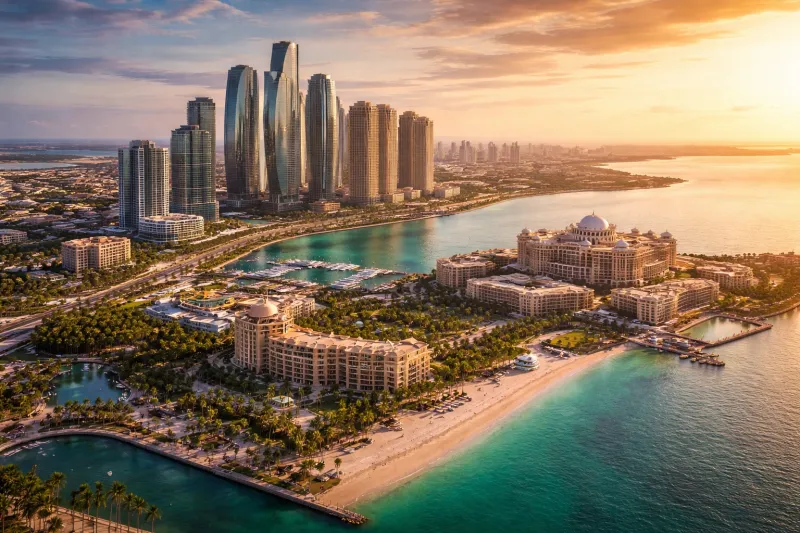
Luxury and waterfront segment: premium assets remain sought after
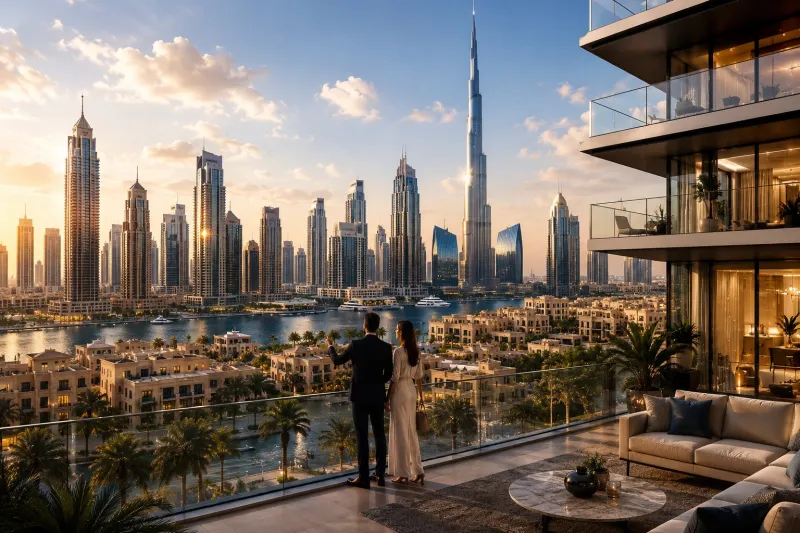
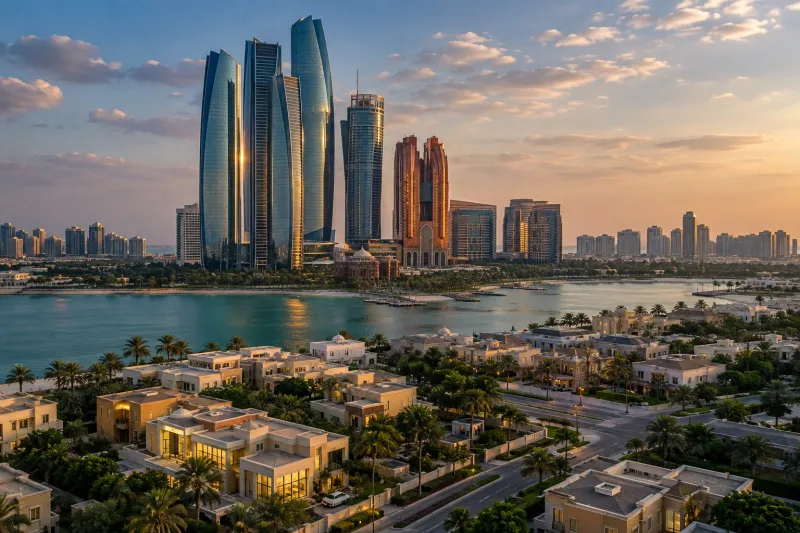
High-net-worth buyers continue to target luxury and waterfront properties, which are perceived as scarce and prestigious assets. Ultra-prime projects with strong placemaking, branded residences and waterfront access command a pricing premium. Developers are responding with bespoke offerings and enhanced services to capture this buyer pool.
International buyers and freehold zones: widening appeal
Freehold zones and eased ownership rules have increased Abu Dhabi’s appeal to international purchasers. Investors from Europe, South Asia and other parts of the Middle East have been active, attracted by diversification benefits and residency-linked incentives. The presence of recognized freehold developments simplifies transactions and enhances cross-border investor confidence.
Infrastructure and megaprojects: catalysts for demand
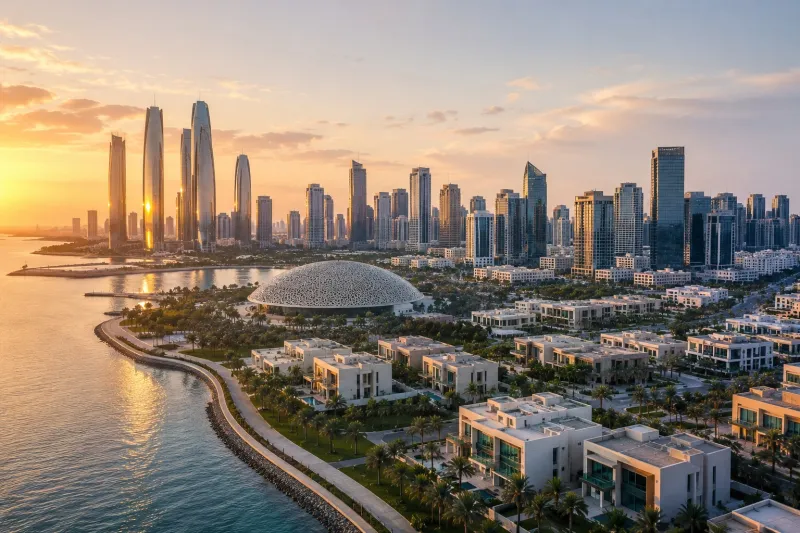
Major infrastructure projects and public investments are acting as catalysts for property demand. Improved transport links, cultural precincts and business hubs are lifting the appeal of surrounding neighborhoods. Strategic public spending has a multiplying effect on private sector interest, with investors positioning portfolios to benefit from long-term urban upgrades.
Outlook for investors: focus areas and risk considerations
Investors are advised to focus on location fundamentals, developer track record and asset liquidity when evaluating opportunities. While demand remains robust, careful attention to supply pipelines, interest rate trends and geopolitical developments is essential. Diversified portfolios that blend core income-producing assets with selective development exposure appear to offer a balanced risk-return profile.
Focused on delivering informative, accessible content