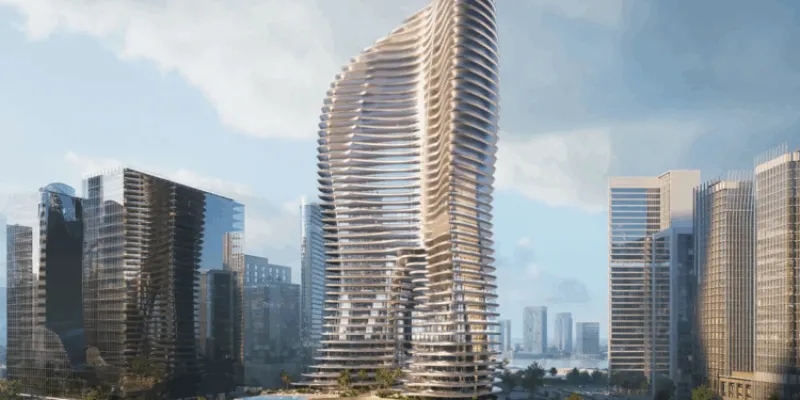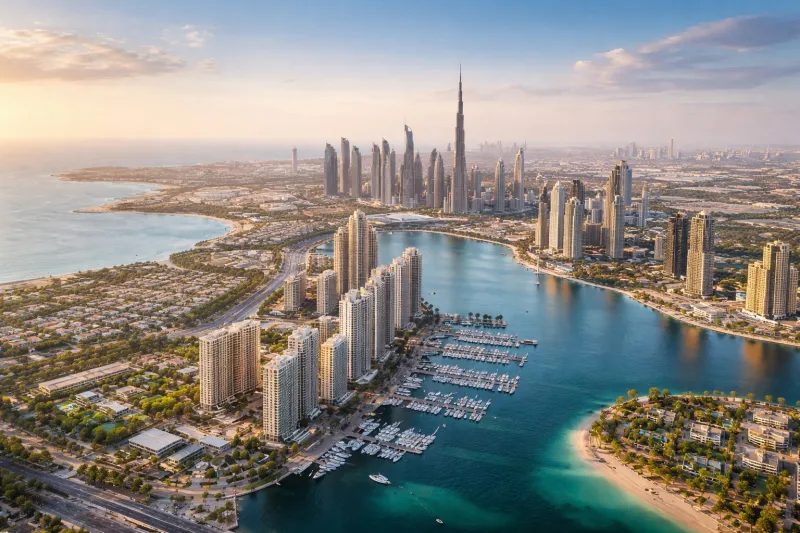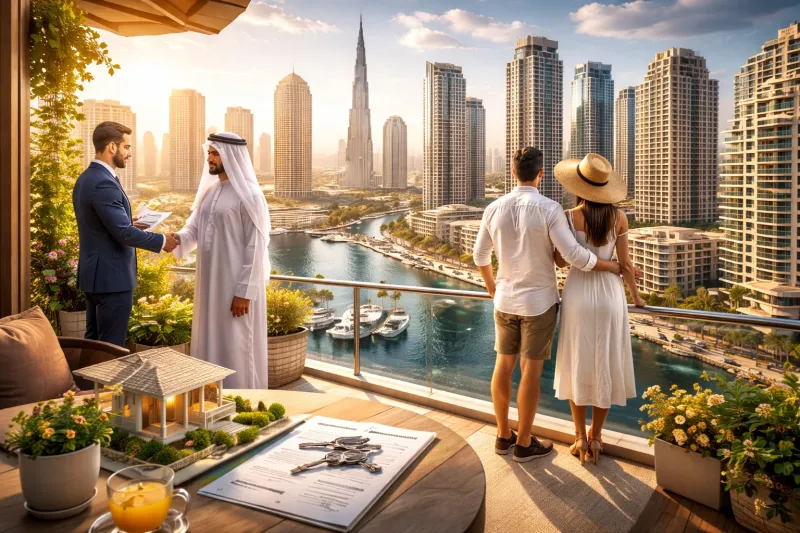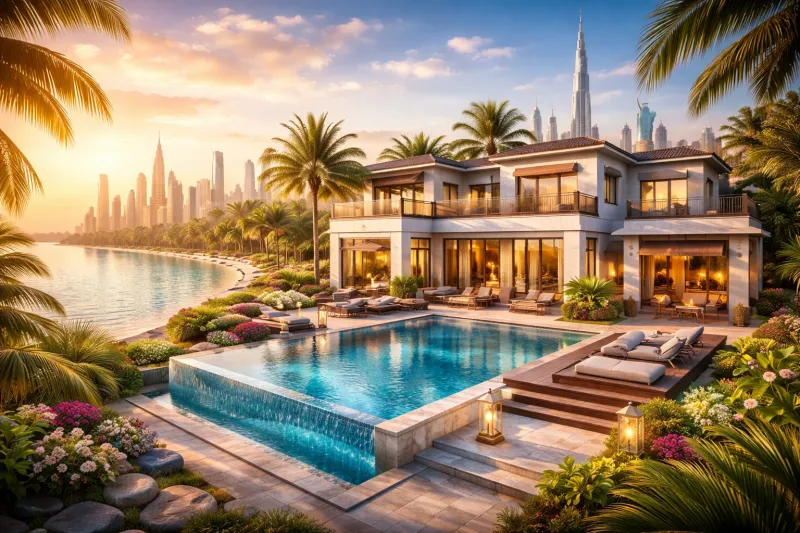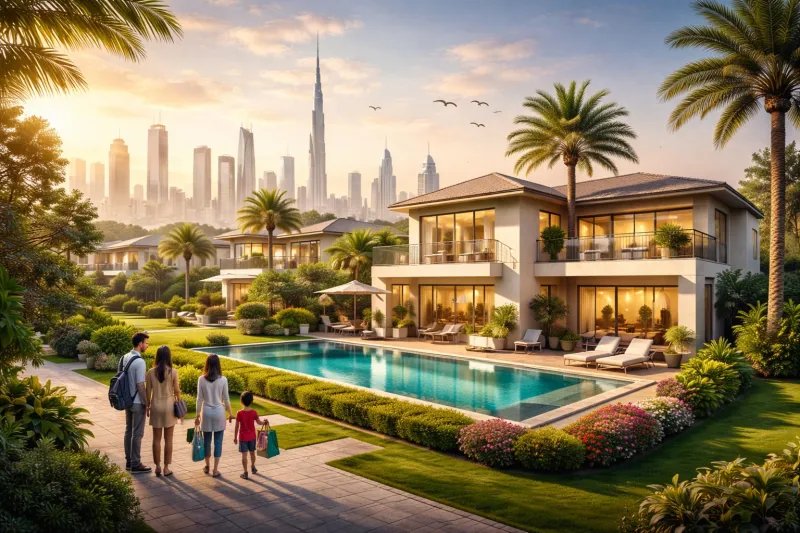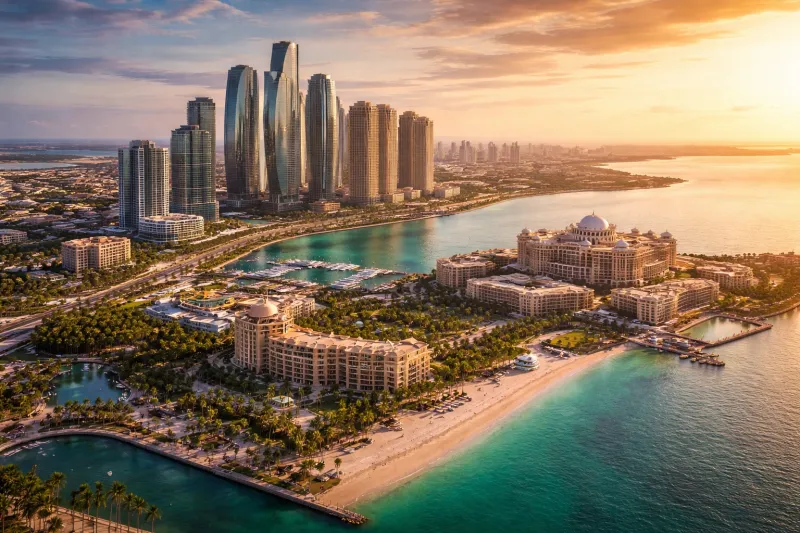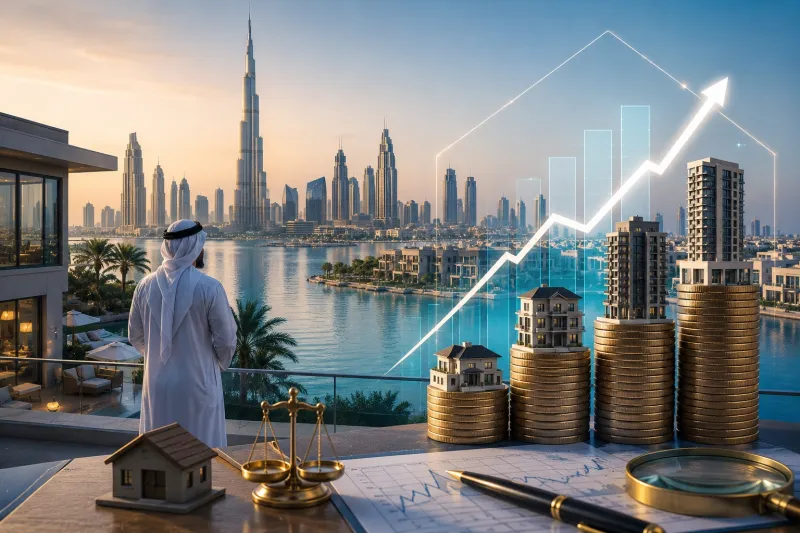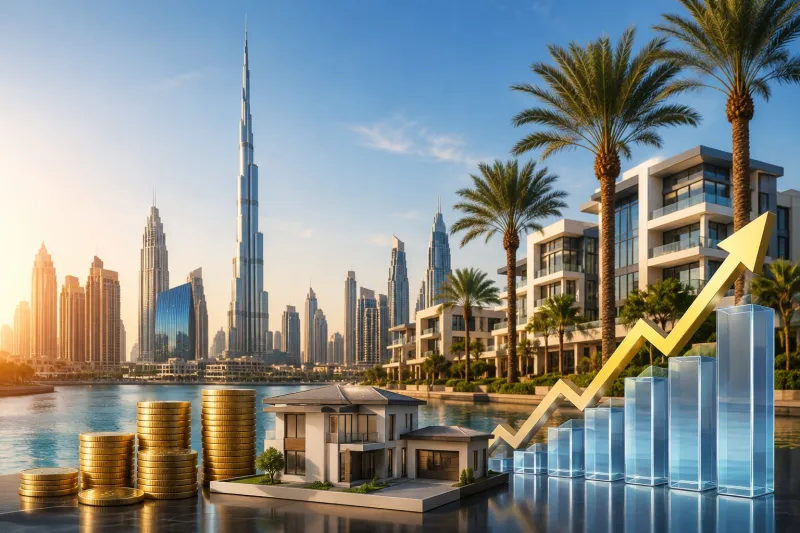
Rising tide: Dubai luxury property sales jump 23% on renewed global investor confidence
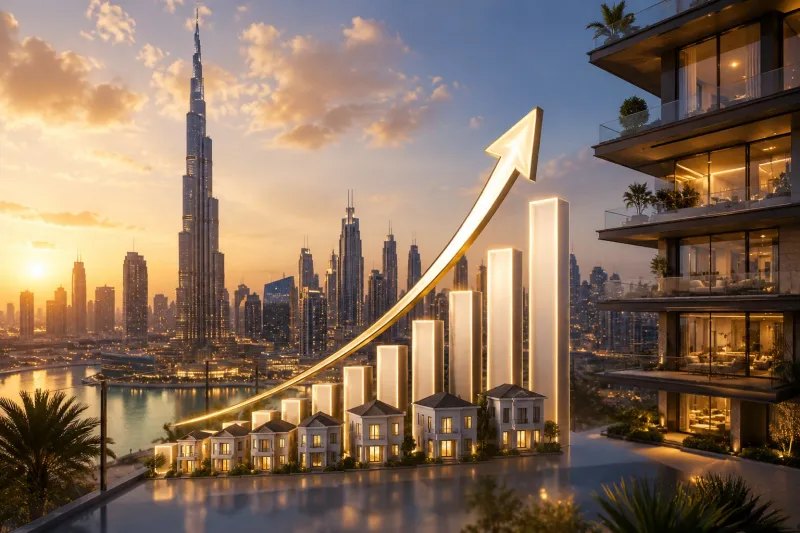
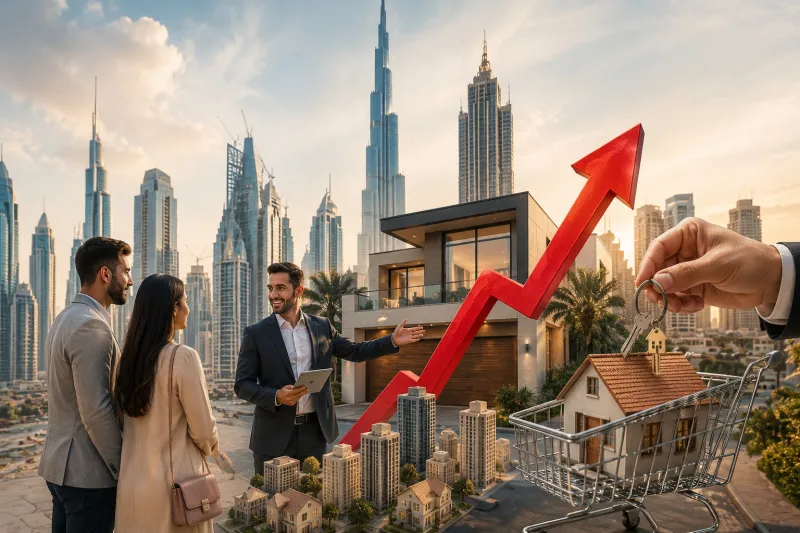
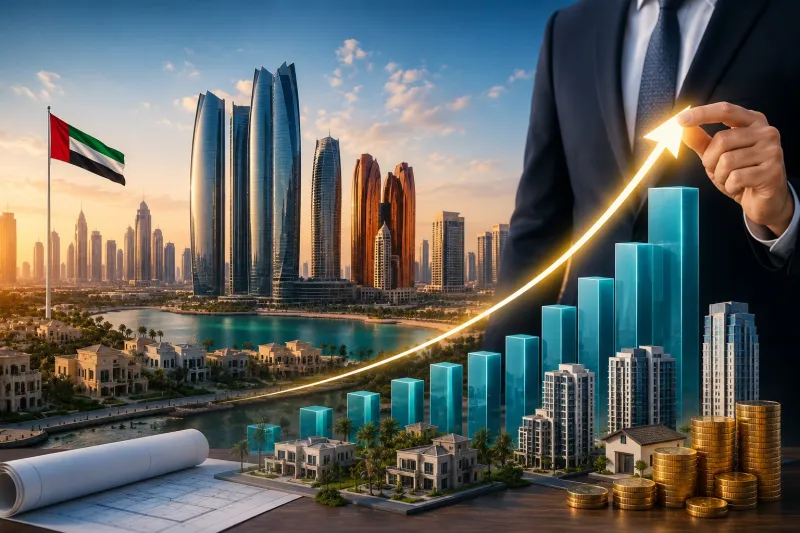
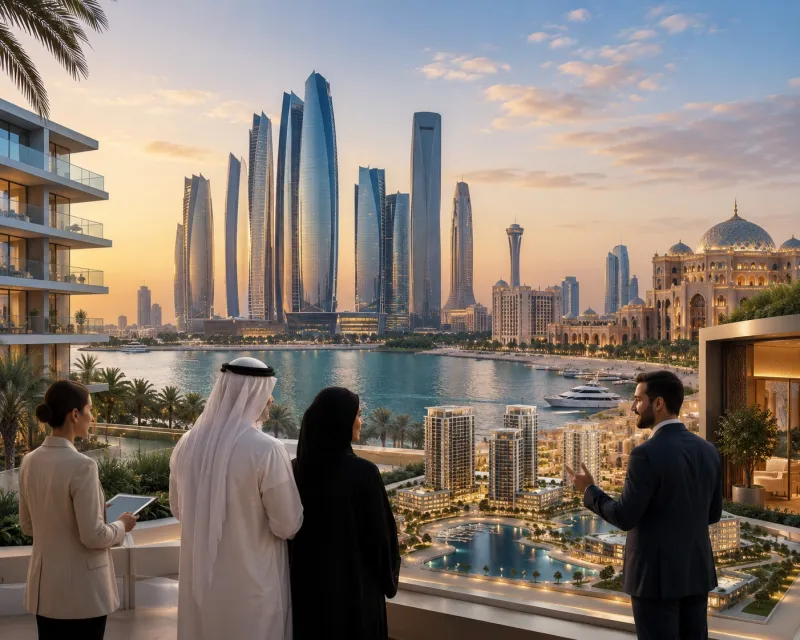
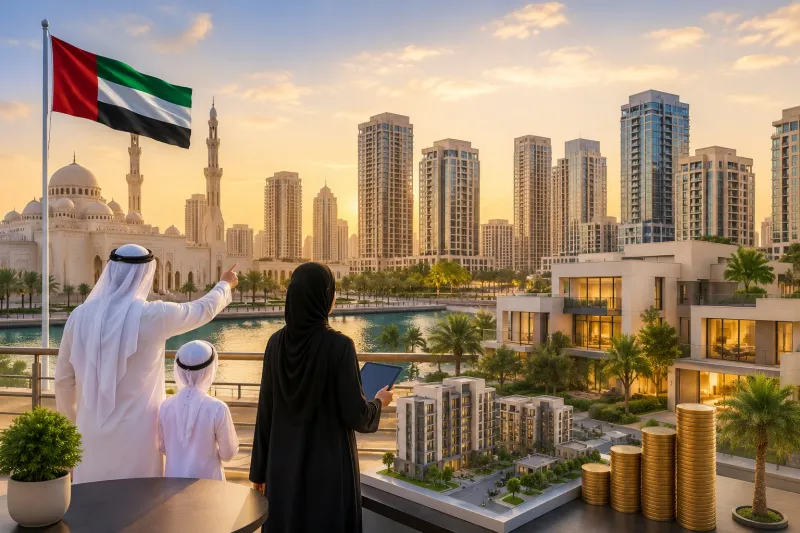
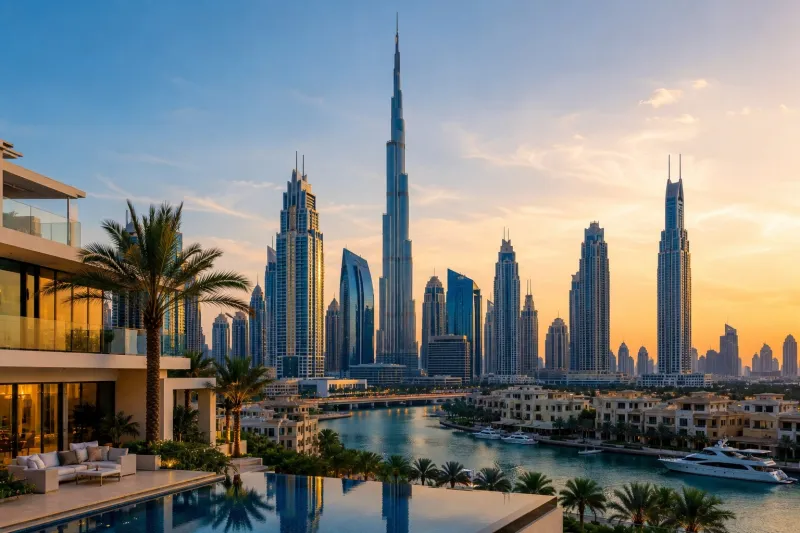
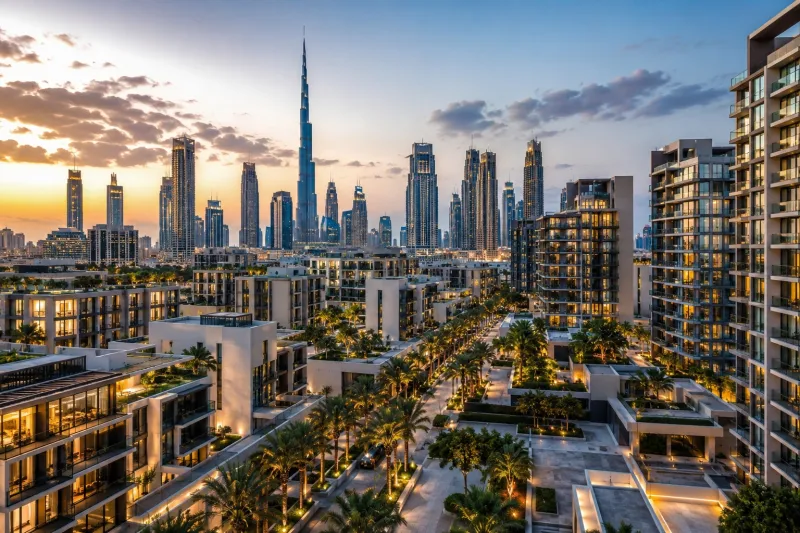
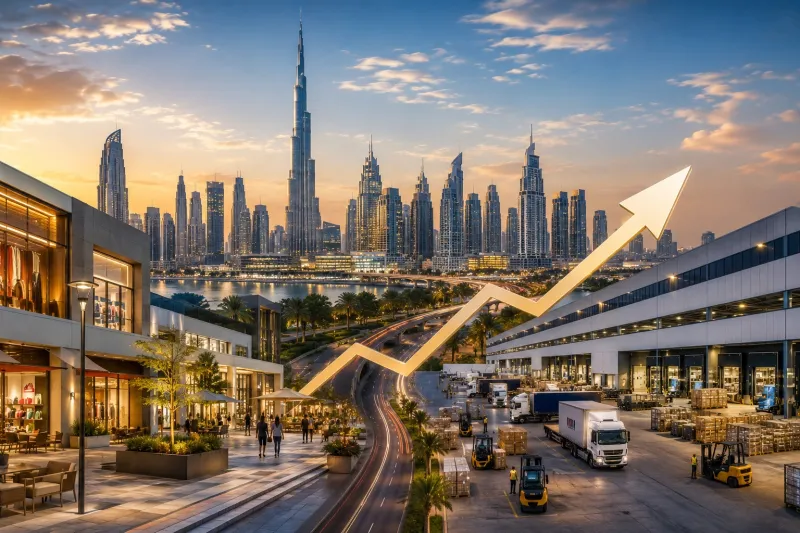
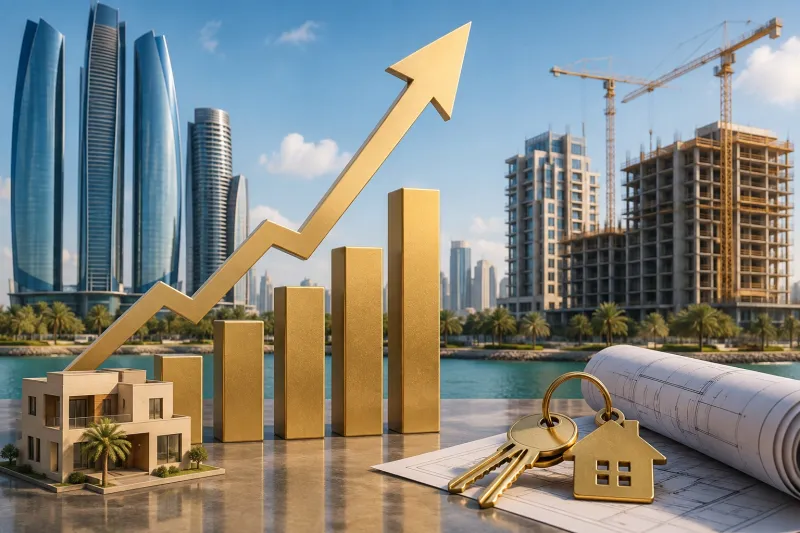
Dubai's luxury real estate segment has recorded a striking 23% year-on-year increase in sales, reflecting a broader recovery in global investor appetite for premium assets. The uptick is driven by a combination of macroeconomic stability, supportive local policy changes, and renewed interest from high-net-worth individuals across Europe, Asia and the Middle East.
- market snapshot: strong sales growth across segments
- breakdown by price band and property type
- profile of the buyers fueling the rebound
- prime neighborhoods and emerging hotspots
- key drivers behind the surge in demand
- price movements and rental yield dynamics
- new supply, launches and pipeline considerations
- financing trends and payment structures
- policy shifts and regulatory impacts
- investor sentiment and short-term outlook
market snapshot: strong sales growth across segments
The latest transaction data show a clear acceleration in high-end deals, with villas and waterfront apartments leading the growth. Sales volume in the luxury bracket rose by 23% compared with the same period last year, while the number of high-value completed transactions also increased, indicating both higher demand and improved market liquidity.
breakdown by price band and property type
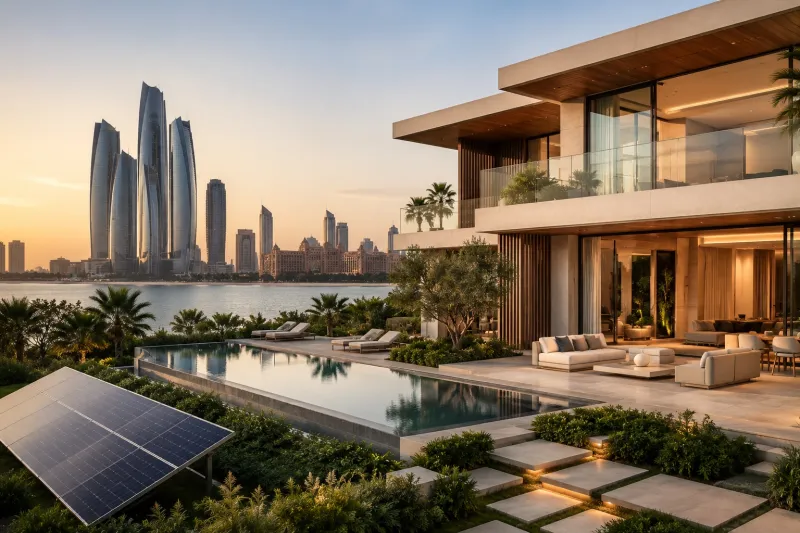
Most of the growth was concentrated in properties priced above AED 10 million, but there was notable activity in the AED 5–10 million range too. Villas outperformed apartments in terms of total value, while branded residences and beachfront developments captured premium multiples compared with inland high-rise units.
profile of the buyers fueling the rebound
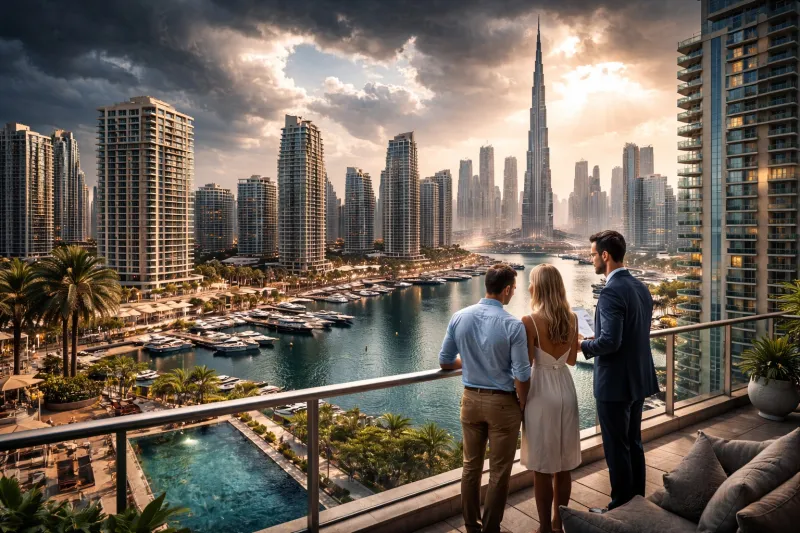
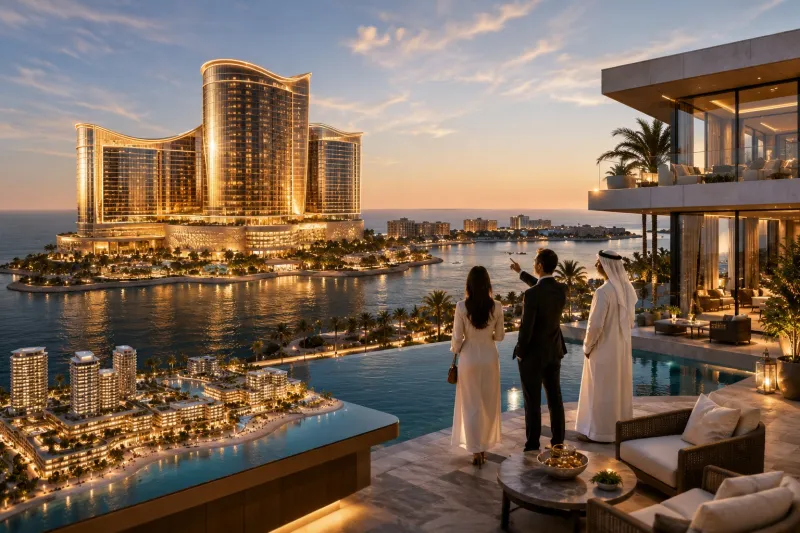
Buyers are a mix of international investors seeking diversification and wealthy expatriates relocating to the UAE. Key source markets include the UK, Russia, India and China, with an increasing share of European and North American buyers. Purchases are being made both as investment plays and as primary residences, reflecting changing lifestyle and work patterns.
prime neighborhoods and emerging hotspots
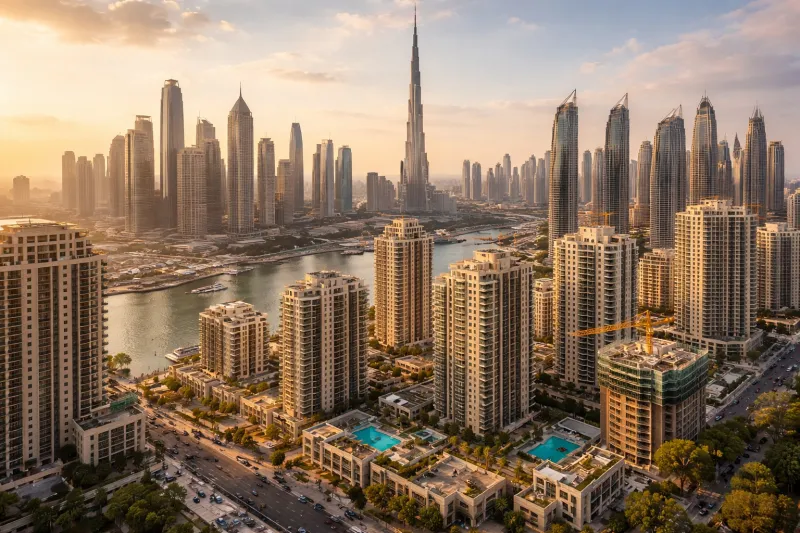
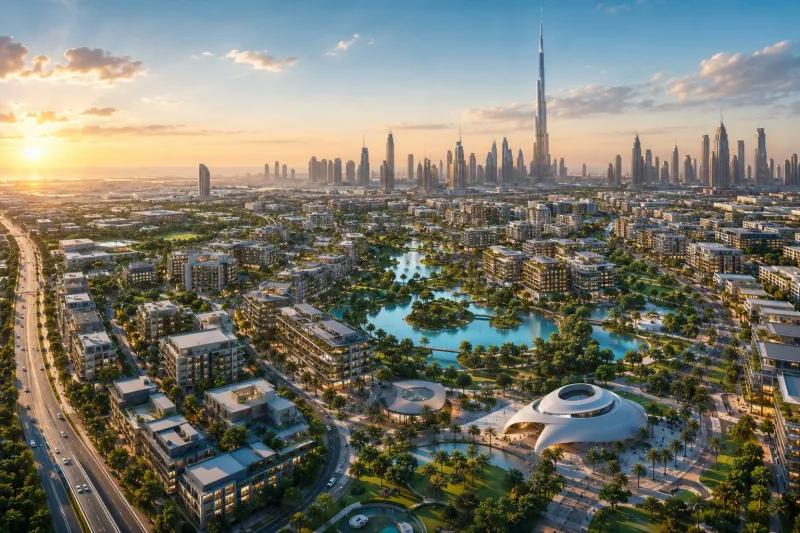
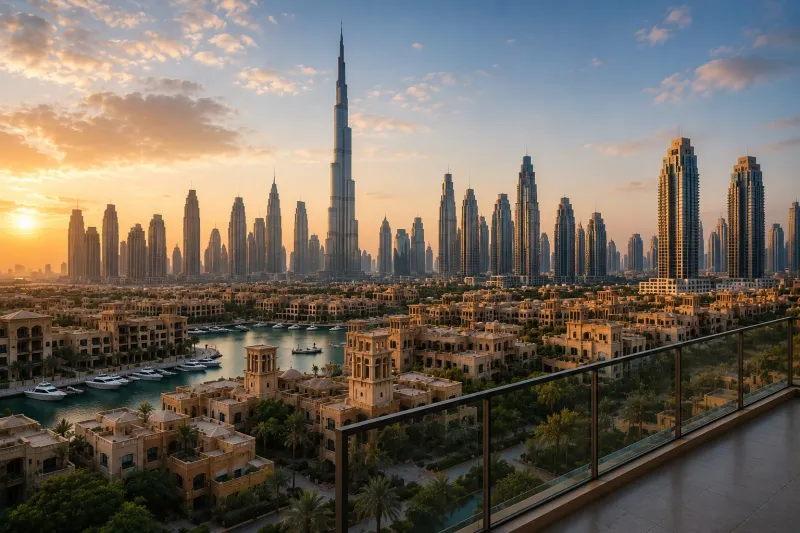
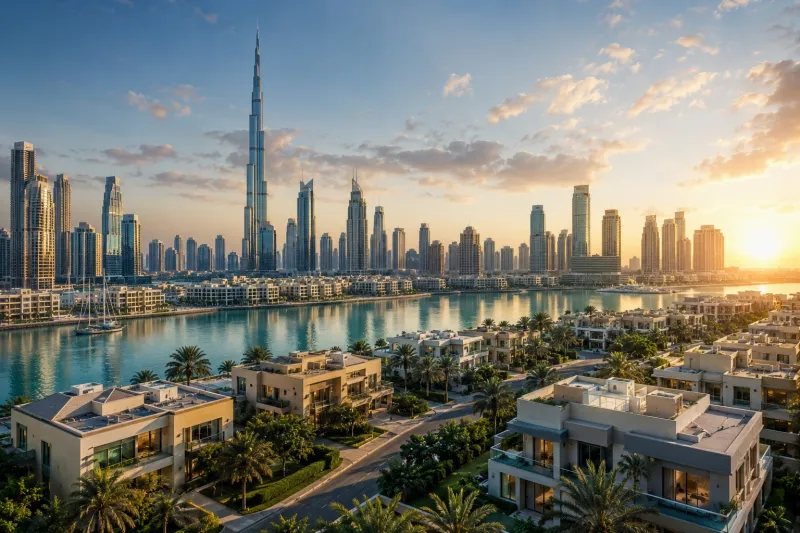
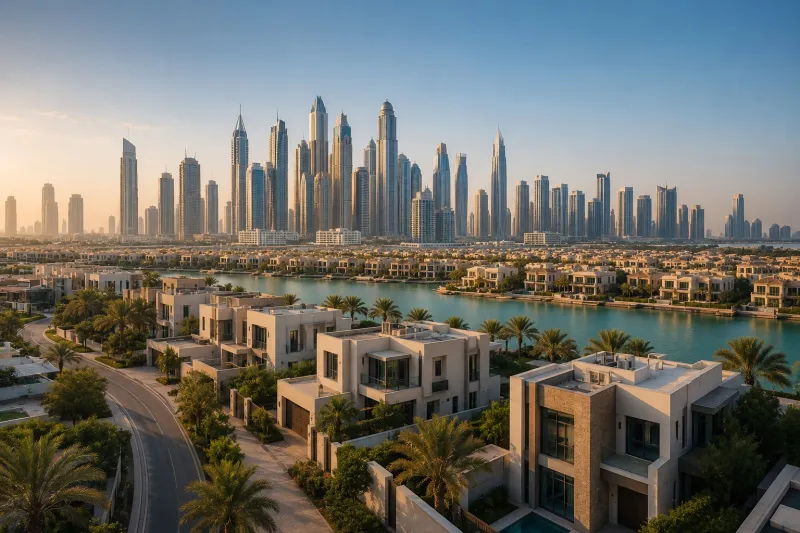
Established luxury enclaves such as Palm Jumeirah, Emirates Hills and Dubai Marina remain popular, but interest is rising in newer master-planned communities and waterfront projects in Dubai Creek Harbour and Jumeirah Lake Towers. Developers' limited new supply in trophy locations has helped sustain values in core areas.
key drivers behind the surge in demand
Several factors are converging to support demand:
- Visa and residency reforms that make long-term stays easier for investors and professionals
- Favorable tax environment and wealth preservation appeal
- Improved global liquidity and higher risk tolerance among UHNW buyers
- High-profile events and infrastructure projects boosting Dubai's international profile
price movements and rental yield dynamics
Prime prices have appreciated modestly, while mid-prime segments saw stronger percentage gains. Rental yields in luxury zones remain attractive relative to many global gateway cities, supporting investor calculations that combine capital growth and recurring income. In several submarkets, yields have stabilized as occupancy rises.
new supply, launches and pipeline considerations
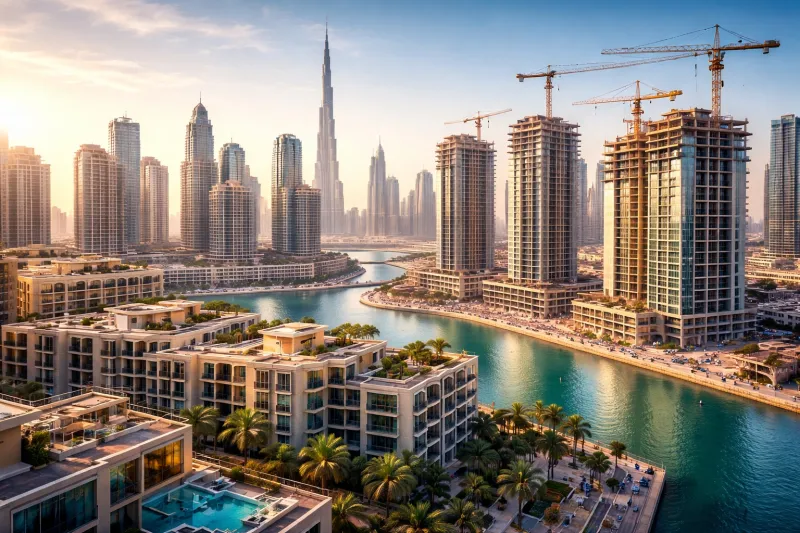
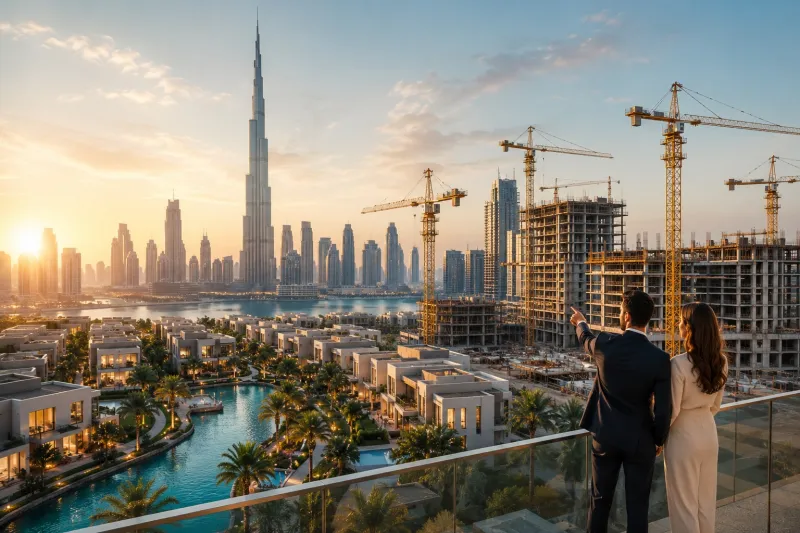
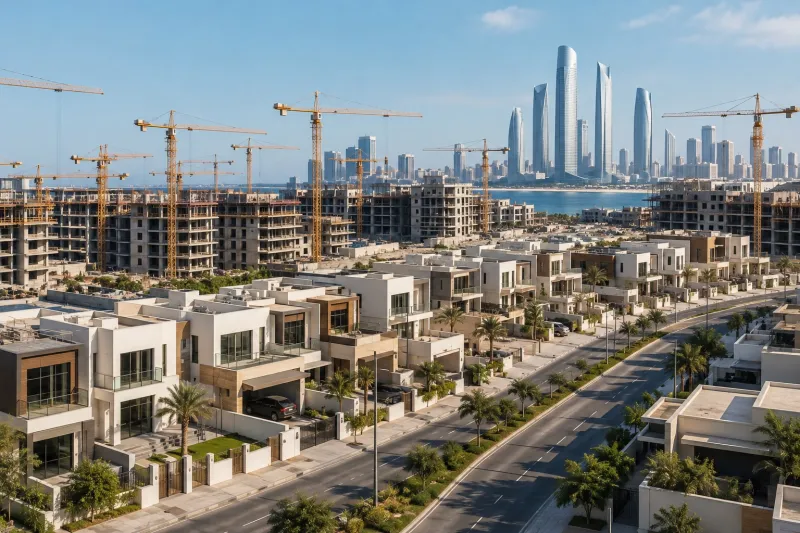
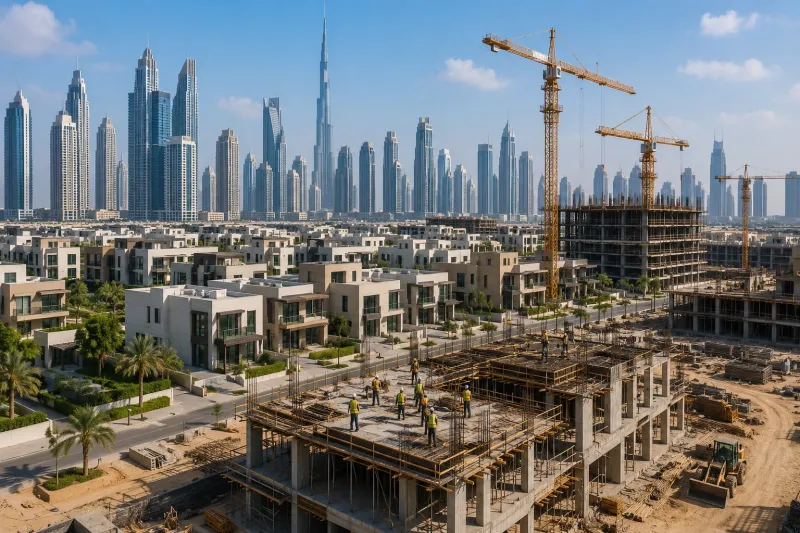
Developers are calibrating launches to match demand for premium products, with a number of branded and mixed-use schemes announced. While some large projects are still under construction, constrained immediate supply in trophy locations has kept pricing resilient and created competition for available units among discerning buyers.
financing trends and payment structures
Funding for luxury purchases combines cash, developer payment plans and bank mortgages. There has been a gradual loosening of mortgage criteria for high-net-worth buyers and more bespoke lending solutions from private banks. Developers continue to offer extended payment plans to attract offshore investors who may prefer staged commitments.
policy shifts and regulatory impacts
Recent regulatory measures, including streamlined residency options and clearer property ownership frameworks, have improved investor confidence. Enhanced transparency in transactions and stronger consumer protections have also reduced perceived risk, encouraging international buyers to engage with the Dubai market.
investor sentiment and short-term outlook
Surveys and market commentary suggest that investor sentiment is cautiously optimistic: many buyers view Dubai as a strategic allocation for capital preservation and lifestyle. While global macro volatility remains a factor, the current momentum in the luxury segment points to continued cross-border interest and selective deal-making in the months ahead.
Focused on delivering informative, accessible content