Abu dhabi buyers choose design, sustainability and long-term value
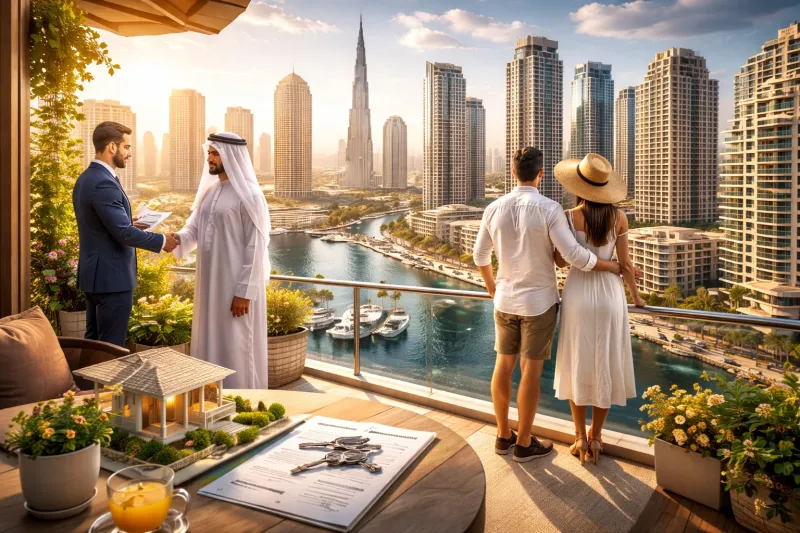
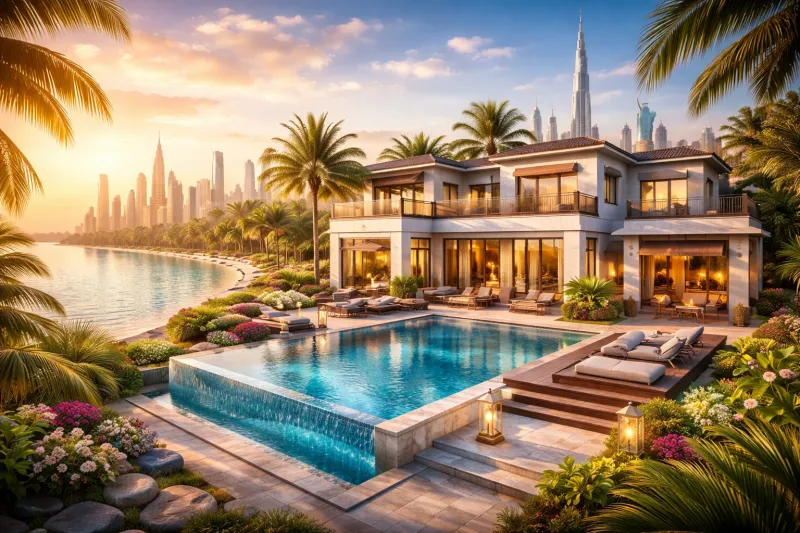
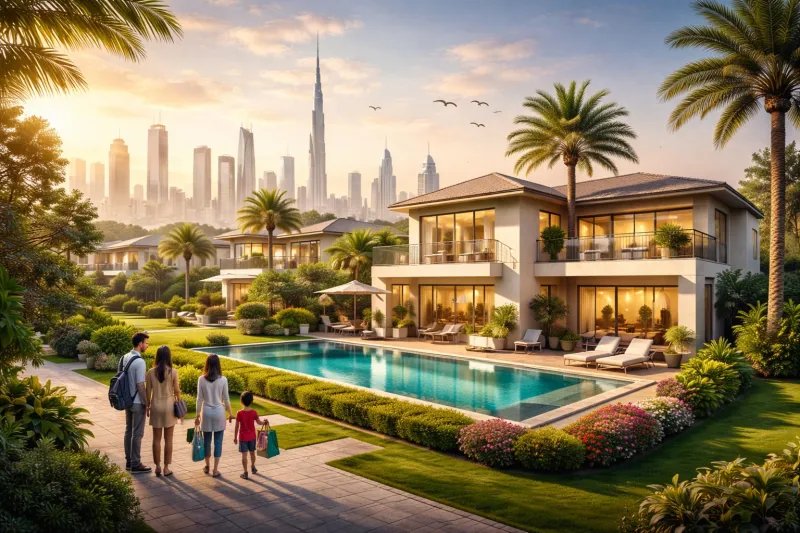
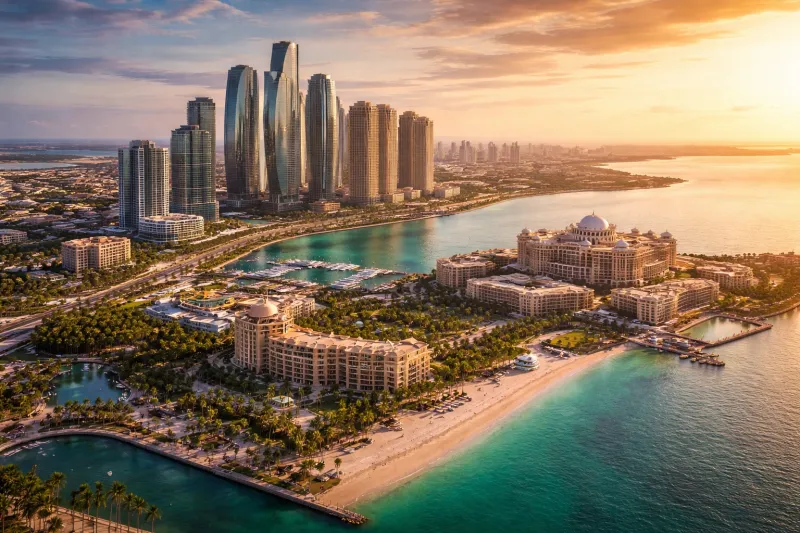
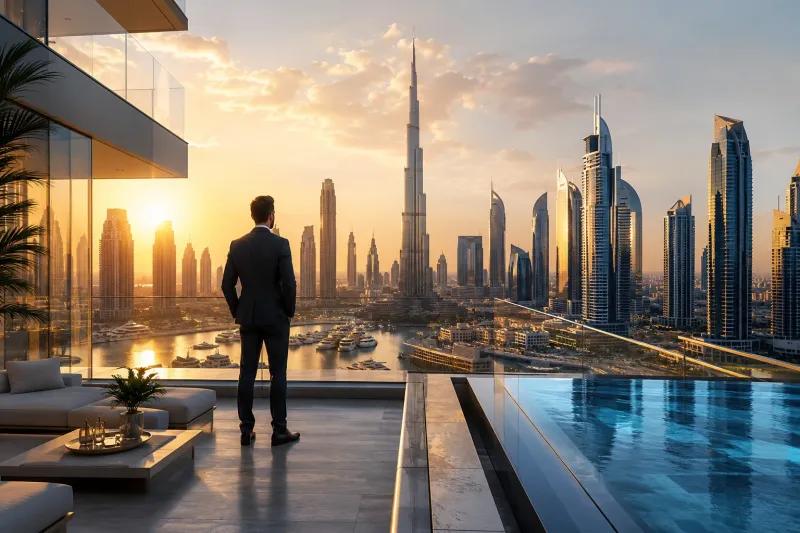
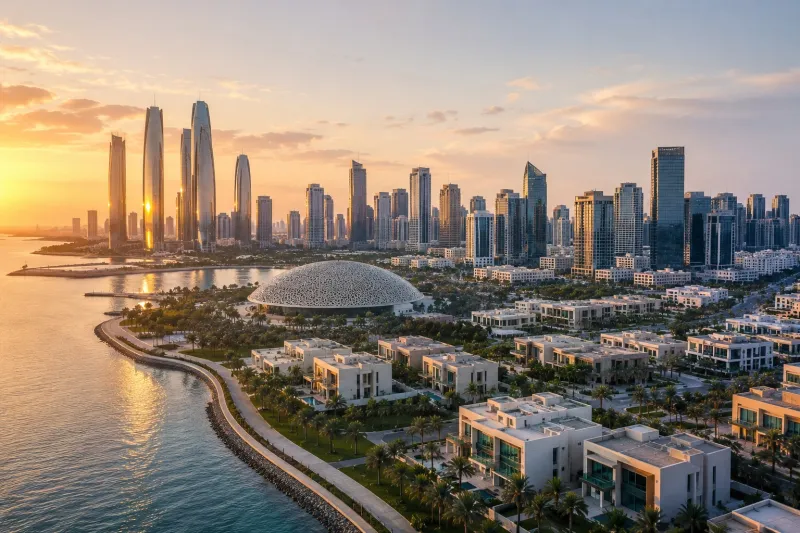
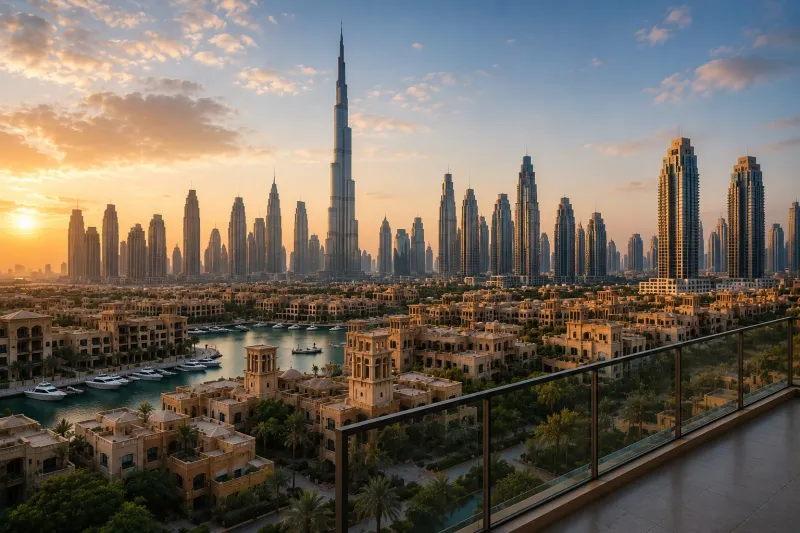
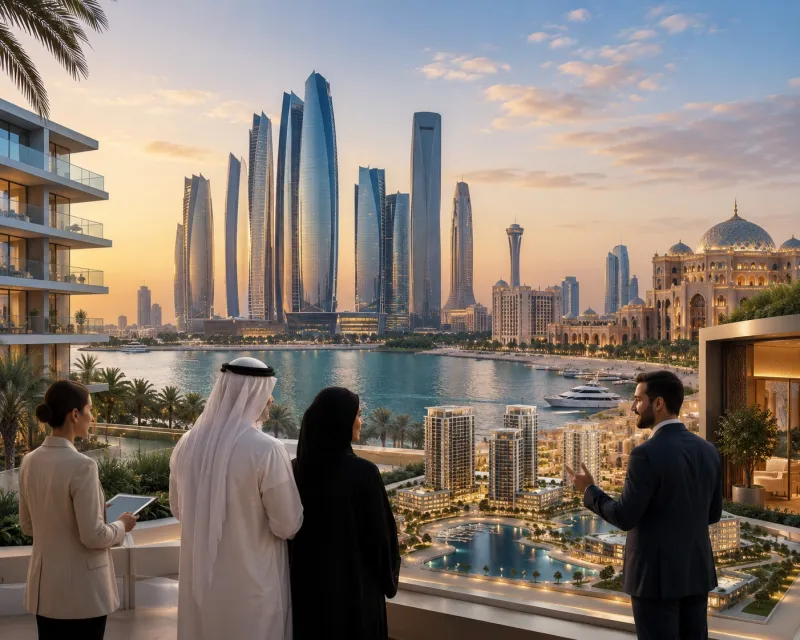
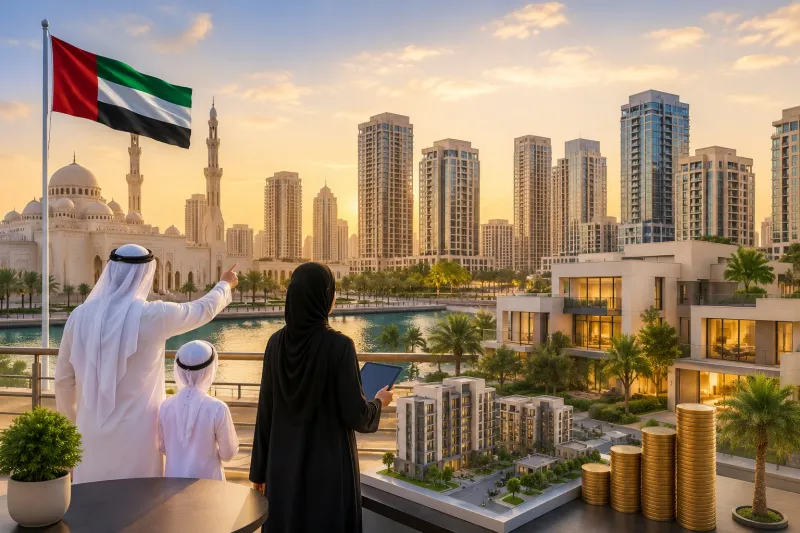
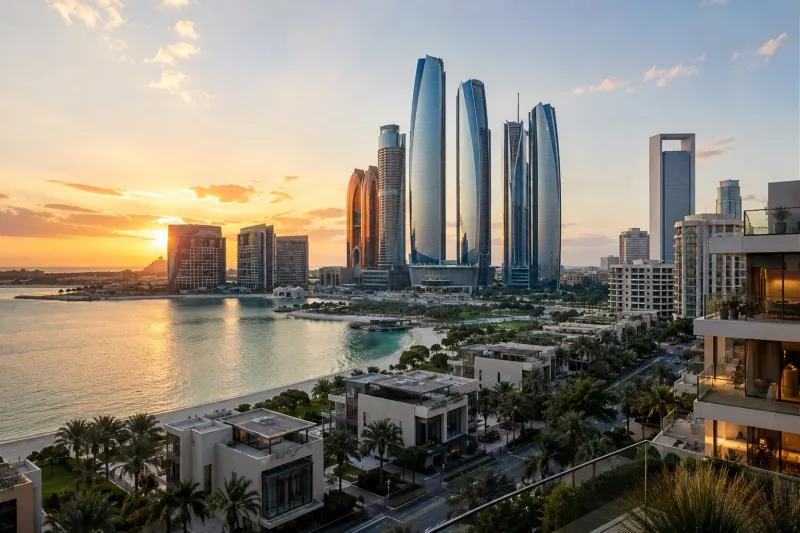
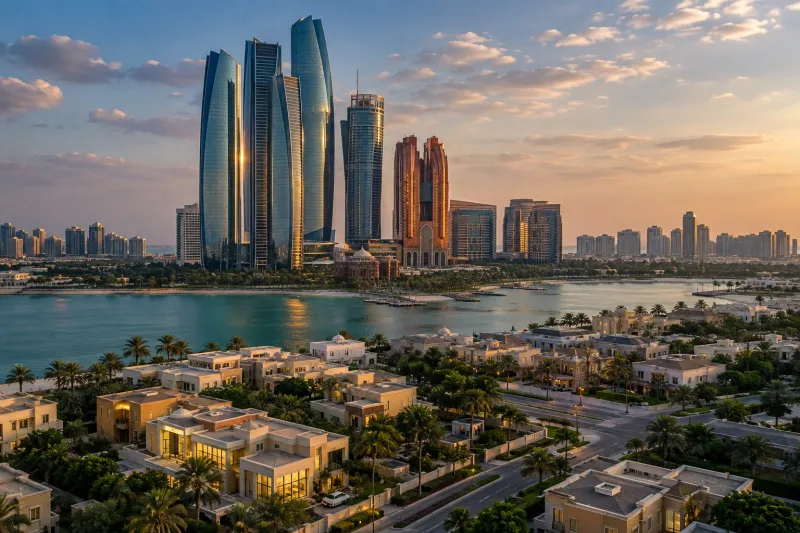
Luxury homebuyers in Abu Dhabi are increasingly aligning their purchases with three intertwined priorities: distinctive design, measurable sustainability and long-term financial resilience. Developers, agents and policy makers are responding to a market where aesthetics, environmental performance and enduring value drive decision-making more than ever before.
- Market dynamics shaping demand
- Design as a primary purchase driver
- Sustainable materials and green certifications
- Energy efficiency and smart-home integration
- Spatial flexibility and future-proof layouts
- Wellness, indoor environment and biophilic design
- Location, community and experiential amenities
- Value retention and resale considerations
- Developer strategies and bespoke services
- Regulatory incentives and financing trends
Market dynamics shaping demand
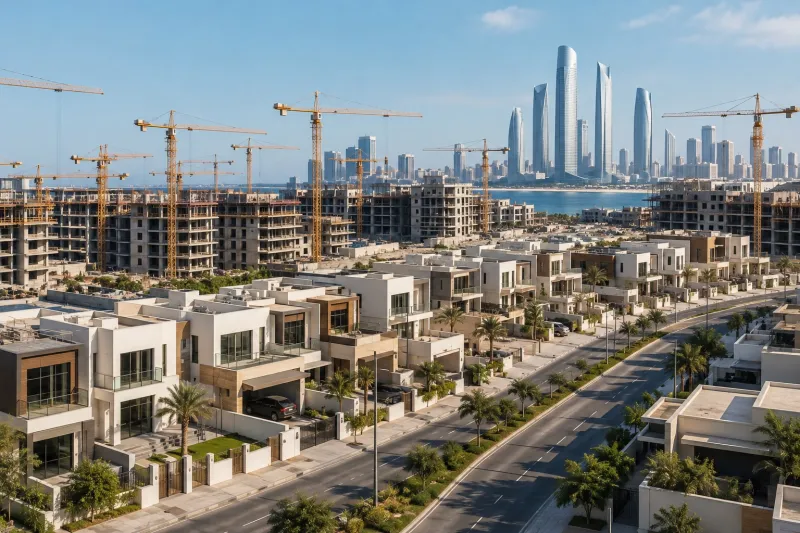
The Abu Dhabi luxury housing market has matured from speculative growth into a more discerning buyer environment. Affluent purchasers are no longer content with pure status properties; they seek homes that reflect personal lifestyle choices, offer operational economy, and promise stable appreciation. This shift is reflected in longer sales cycles but higher willingness to pay for quality and provenance.
Design as a primary purchase driver
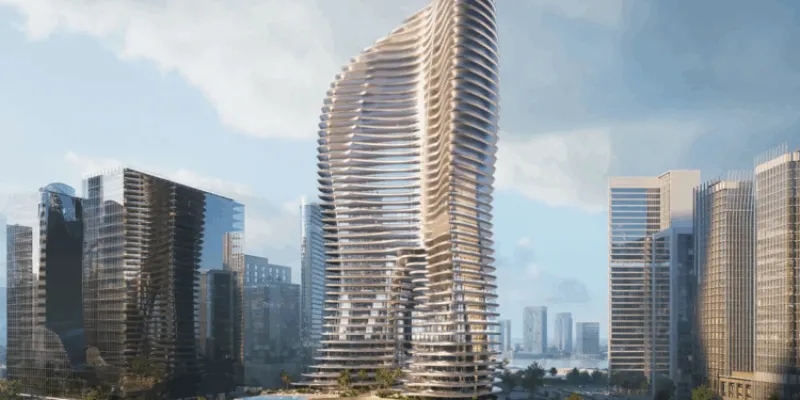
Design has moved from decorative to strategic. Buyers expect architecture and interiors that balance visual impact with functional intelligence, from sightlines and light to circulation and acoustics. Signature design elements, bespoke finishes, and collaborations with well-known architects or designers are powerful differentiators that command price premiums in Abu Dhabi's luxury segment.
Sustainable materials and green certifications
Material provenance now matters. Buyers prioritize low-emission, durable materials and request transparency on sourcing and lifecycle impact. Certifications such as Estidama, LEED and other international ratings are increasingly sought after as tangible proof of a building's environmental credentials and as reassurance that maintenance costs and regulatory risks will be lower over time.
Energy efficiency and smart-home integration
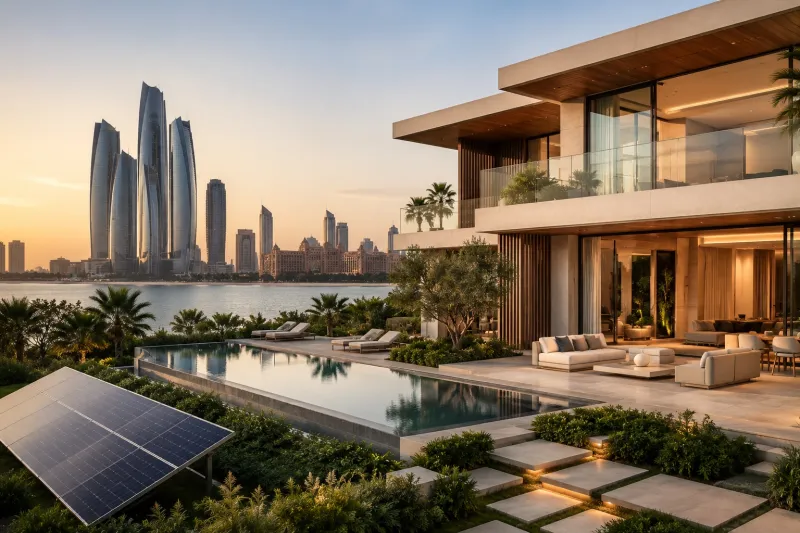
Energy performance is a financial as well as ethical concern. High-efficiency HVAC systems, solar-ready infrastructure and smart-home controls that optimize consumption are becoming baseline expectations. Integrated home technology that improves comfort while reducing utility spend appeals to buyers thinking long term about operating costs and carbon footprints.
Spatial flexibility and future-proof layouts
Flexibility is a hallmark of modern luxury living. Buyers value layouts that adapt home offices that convert to bedrooms, open plans that can be subdivided, and service cores designed for evolving domestic help patterns. Future-proofing design decisions increases a property's usability across life stages and enhances resale prospects.
Wellness, indoor environment and biophilic design
Health and wellbeing have become central to design briefs. Natural ventilation strategies, superior indoor air quality systems and generous daylighting are prized features. Developers are also incorporating biophilic elements green walls, landscaped terraces and water features to create restorative environments that support mental and physical wellness.
Location, community and experiential amenities
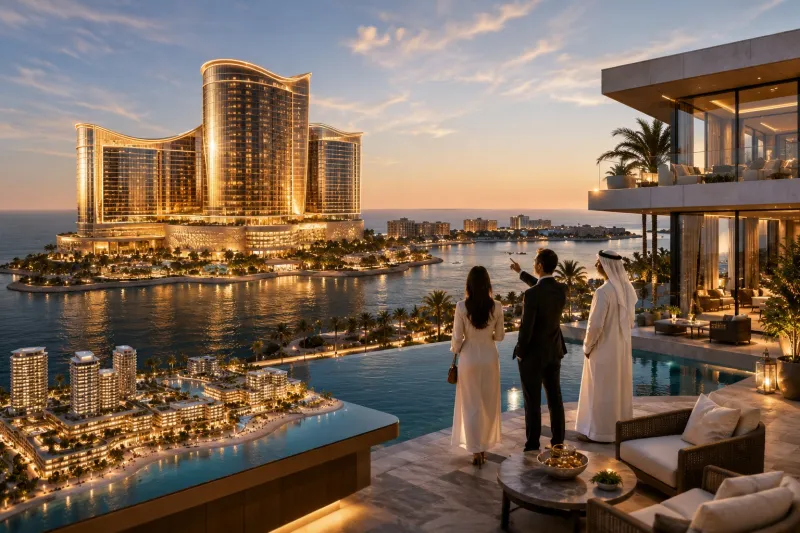
Prime positioning remains critical, but buyers now look beyond the plot to the surrounding community experience. Curated amenities from wellness centers and private marinas to cultural programming and concierge services add tangible lifestyle value. Walkability, access to green space, and a sense of neighborhood identity influence long-term desirability.
Value retention and resale considerations
Investment horizons have lengthened: luxury owners evaluate how a property will perform over decades, not just years. Durable materials, timeless design language and adaptable floorplans mitigate obsolescence. Buyers ask for comparative resale data, developer track records and maintenance forecasts to assess likely retention of value.
Developer strategies and bespoke services
Developers in Abu Dhabi are responding with differentiated offerings: limited-edition collections, customisation options and white-glove aftersales services. Partnerships with sustainability consultants, landscape specialists and concierge firms help projects meet buyer expectations. Personalization and service continuity are used to justify higher price points and foster buyer loyalty.
Regulatory incentives and financing trends
Government policy and financing options are shaping purchaser behaviour. Incentives for green building practices, streamlined permitting for mixed-use projects and mortgage products that reward energy-efficient properties all support the market tilt toward sustainable, high-quality homes. Lenders are increasingly assessing long-term running costs as part of underwriting for luxury properties.
Focused on delivering informative, accessible content