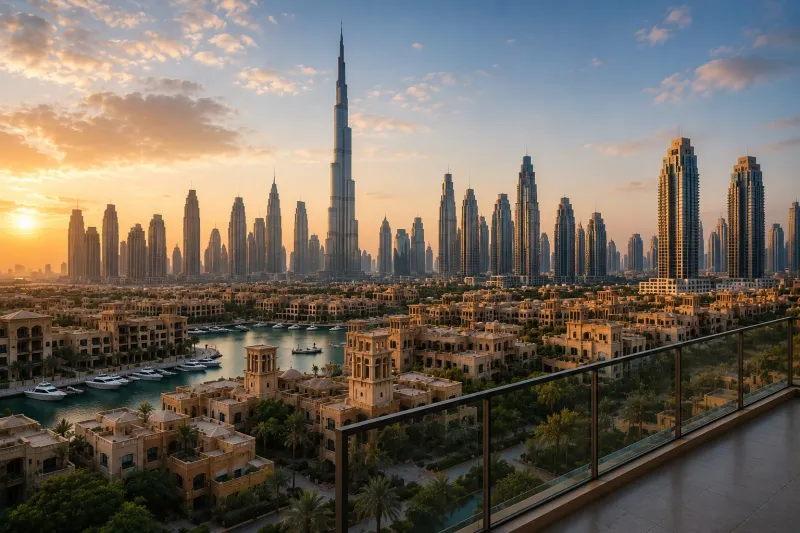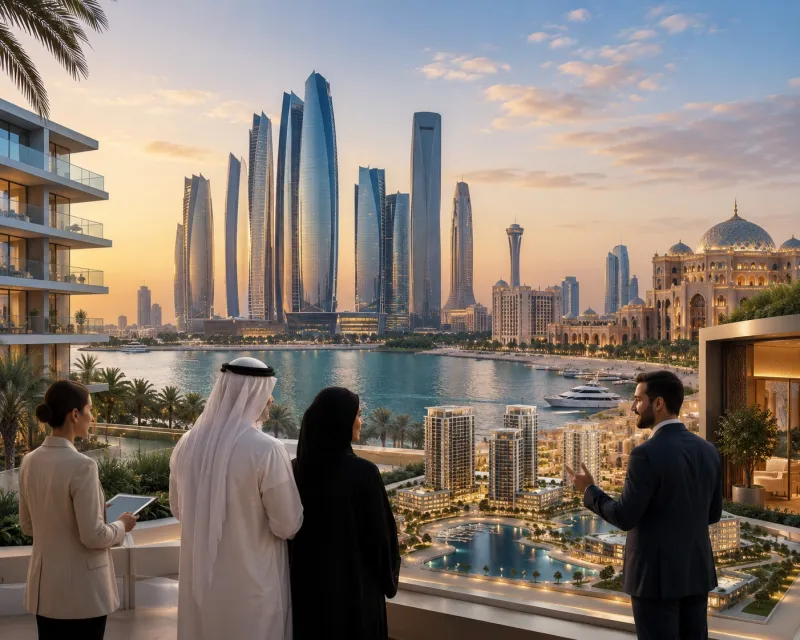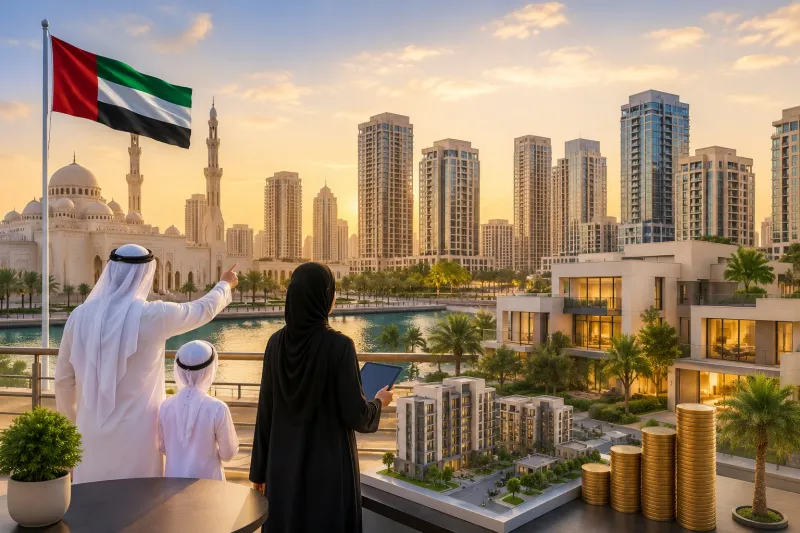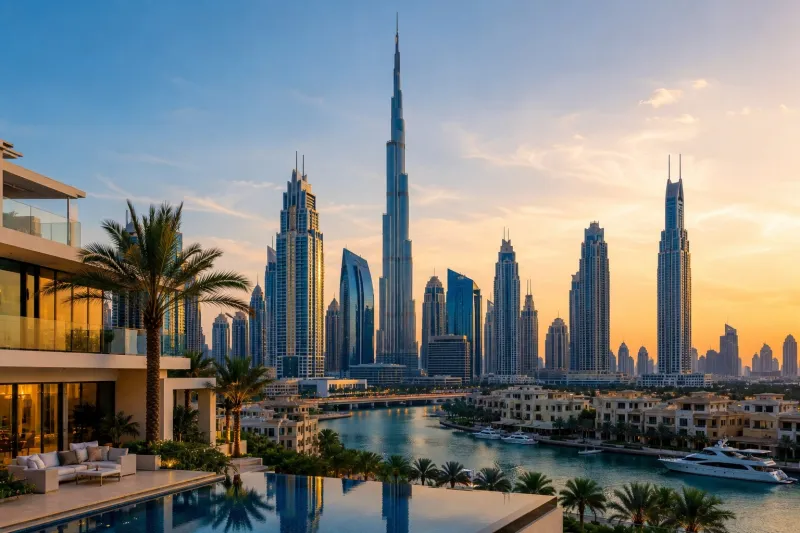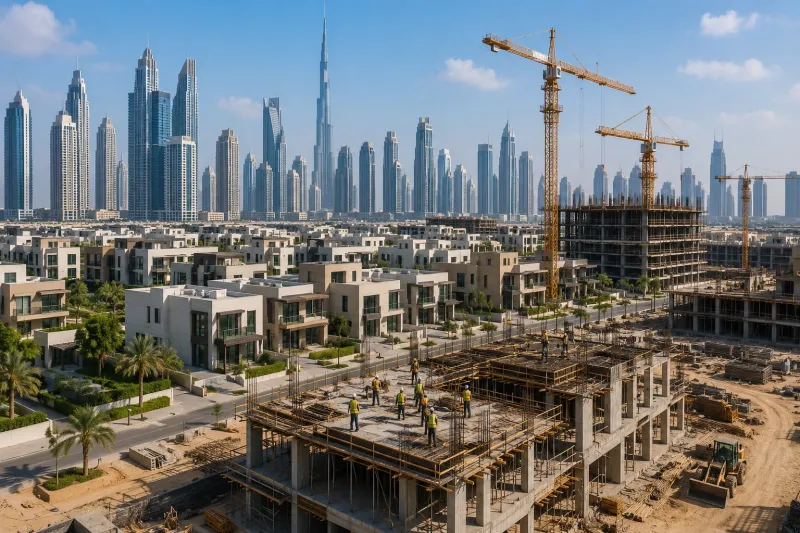
Dubai adds more than 24,000 new homes as real estate development accelerates
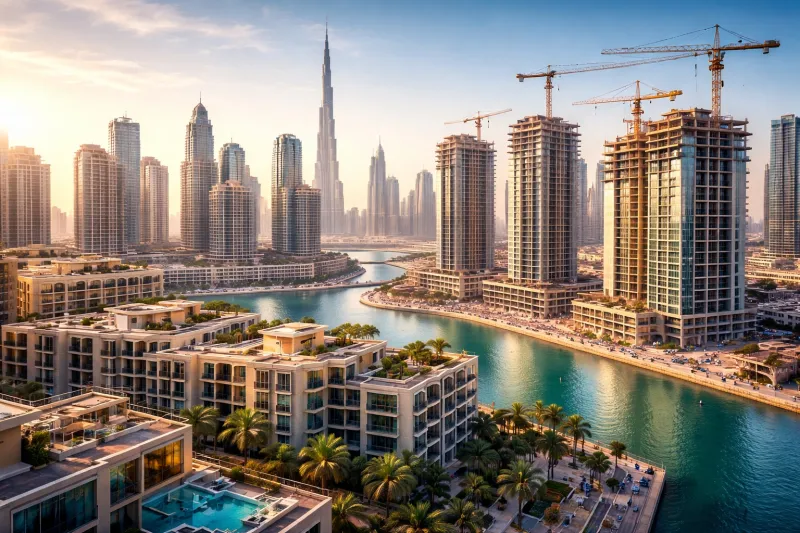
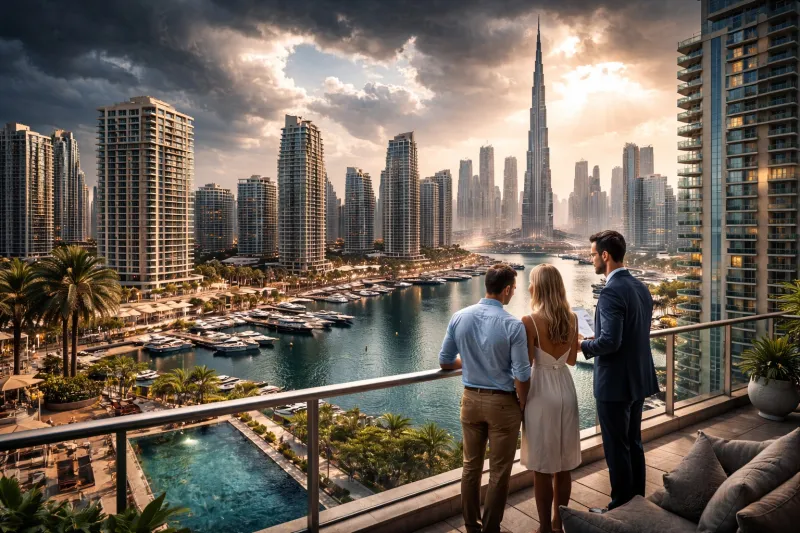
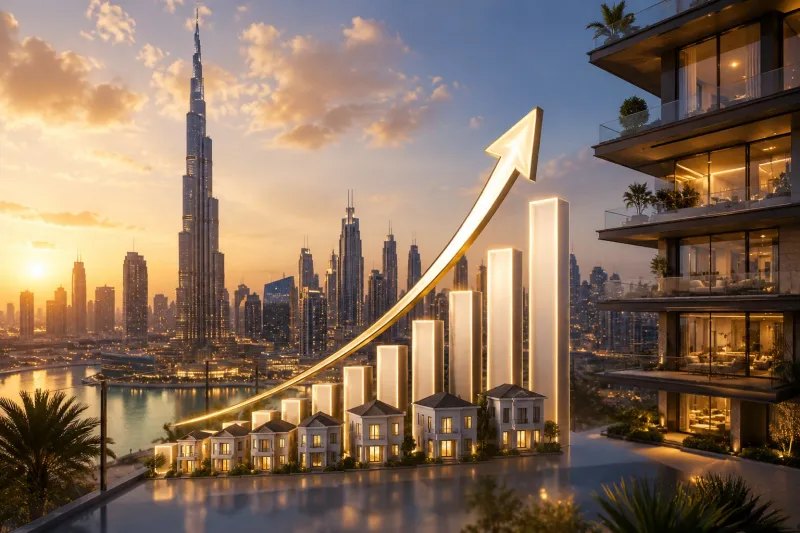
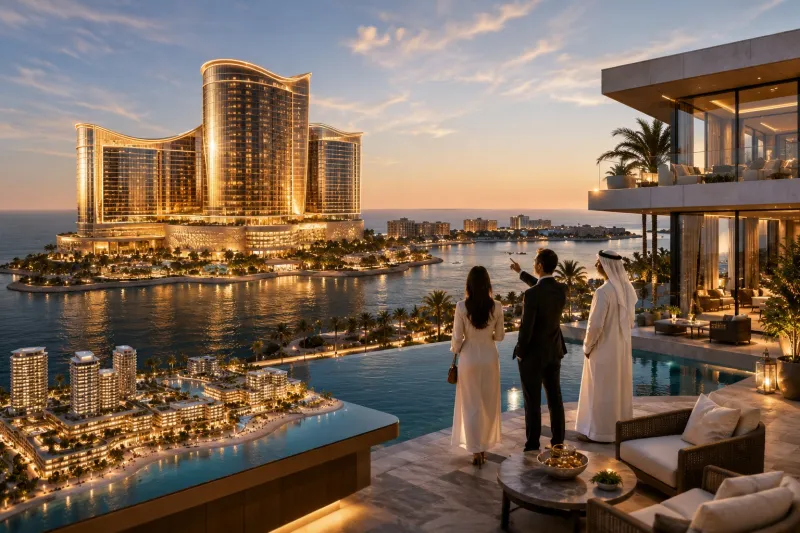
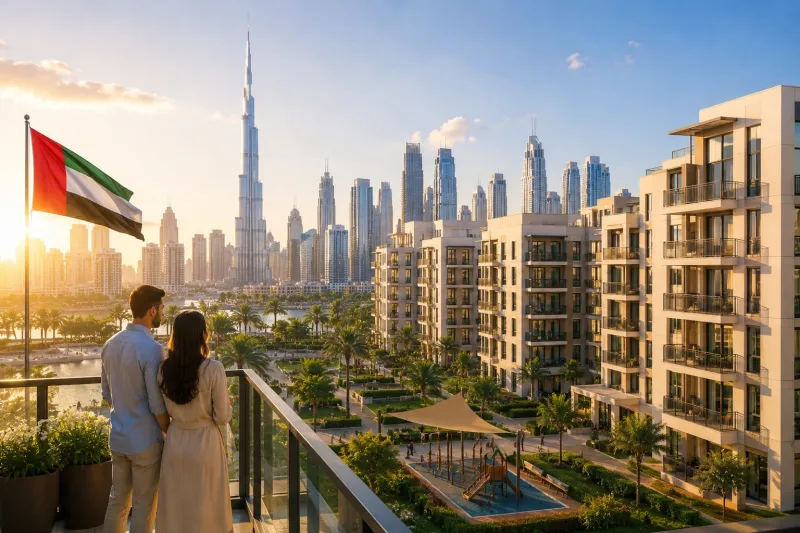
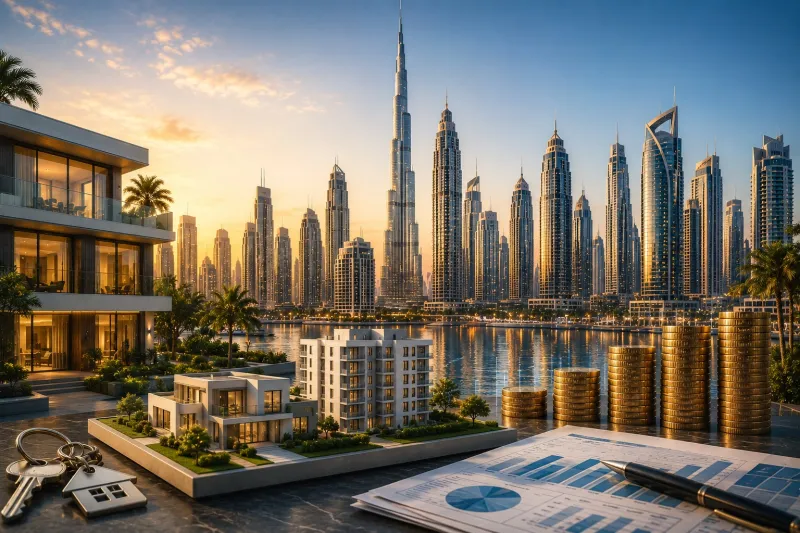
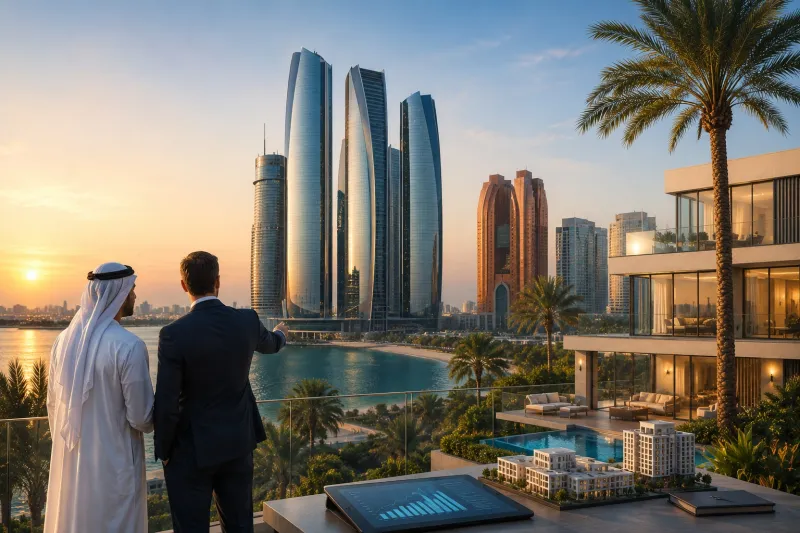
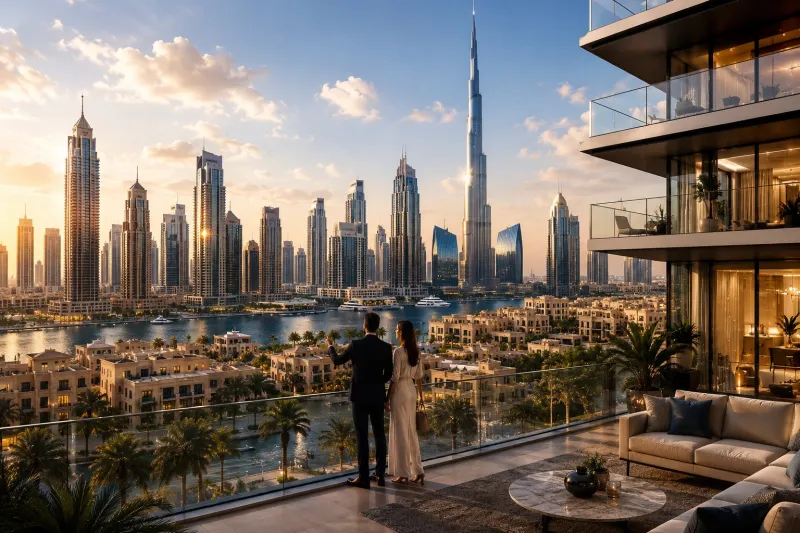
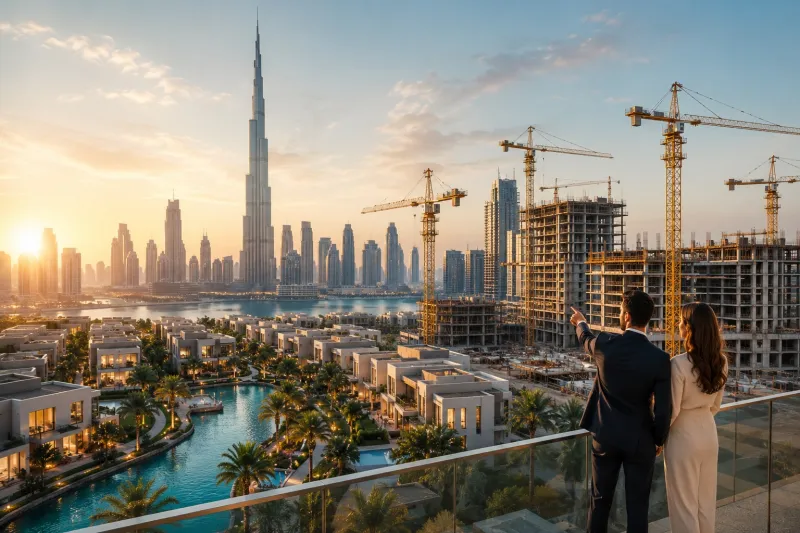
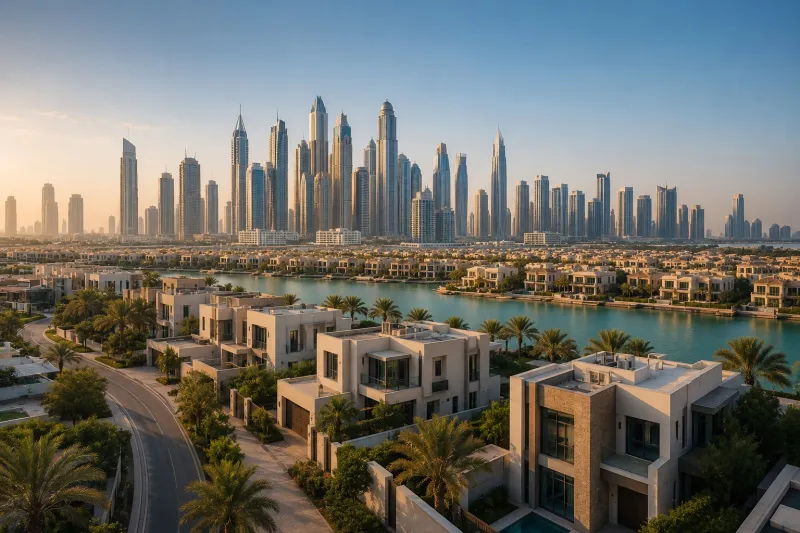
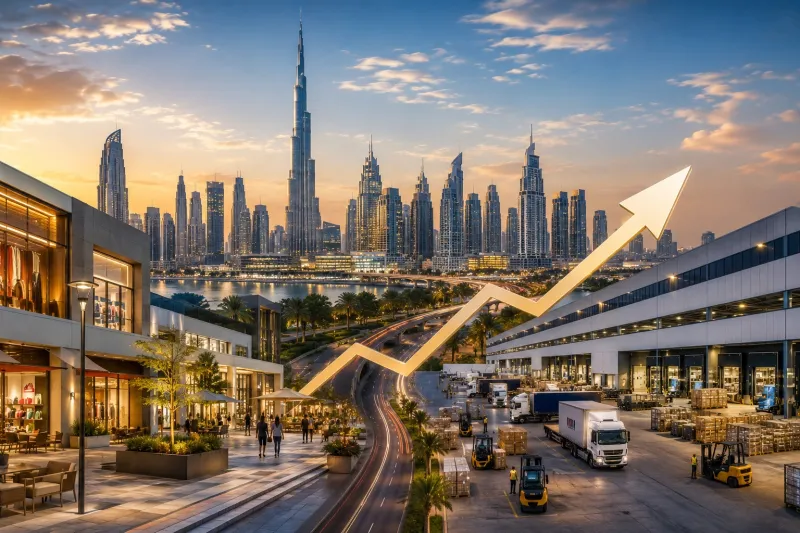
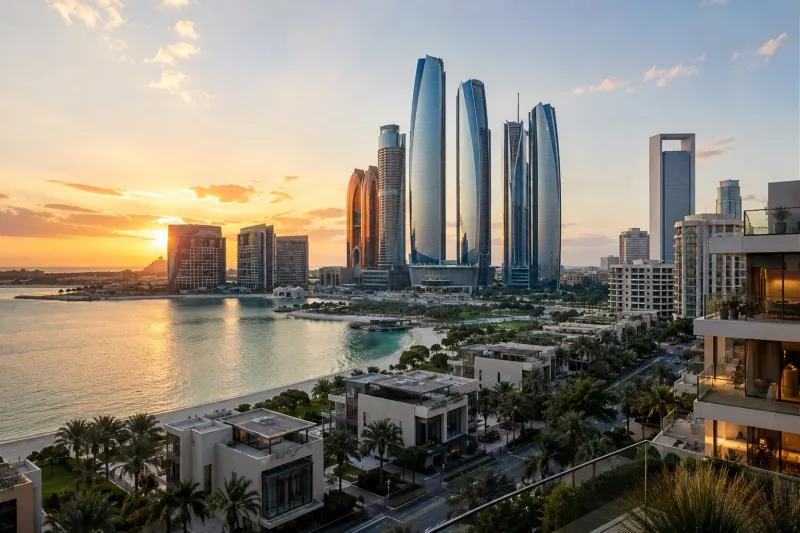
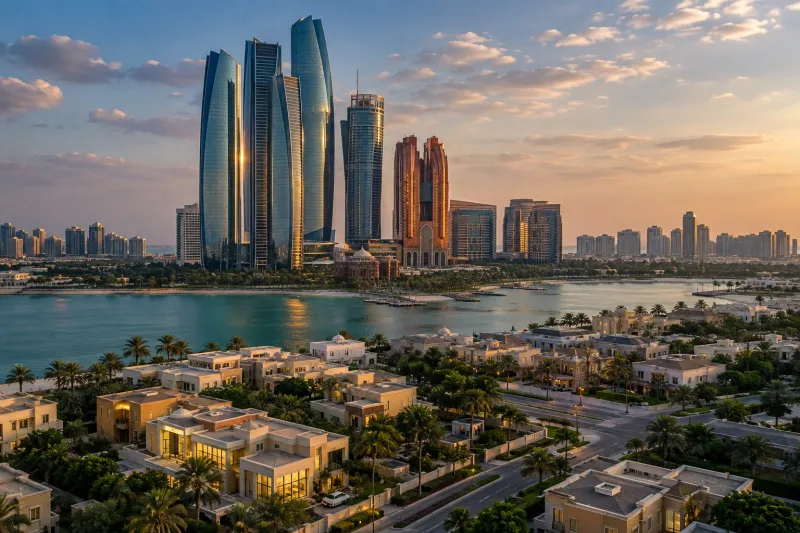
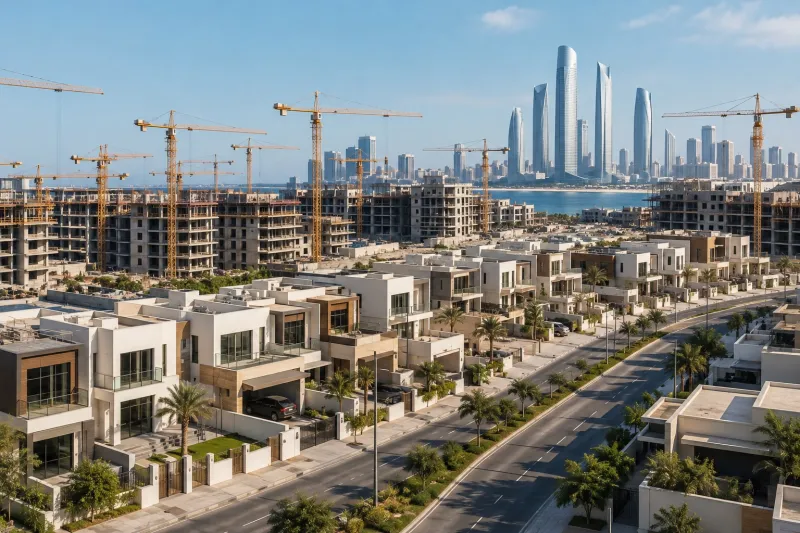
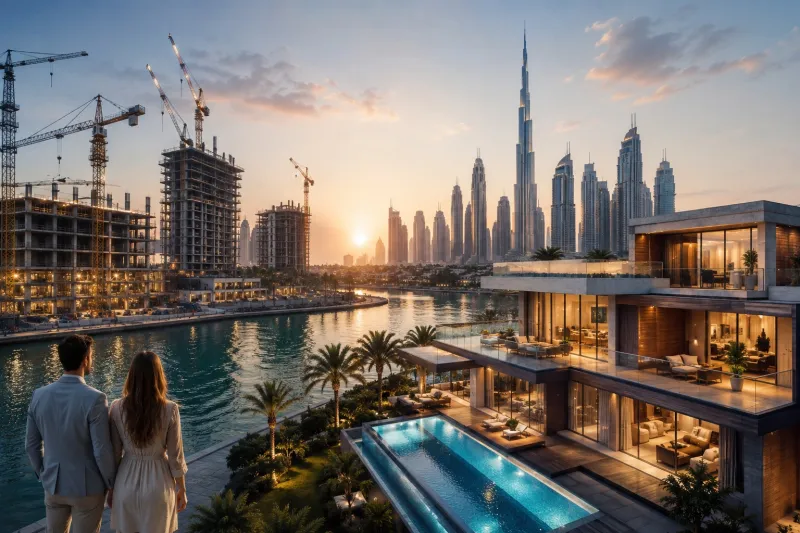
Dubai has seen a marked acceleration in real estate development, with developers and authorities delivering more than 24,000 new homes in the latest period. The surge spans apartments, townhouses and villas across established and emerging districts, reshaping supply dynamics and prompting fresh debate about demand, affordability and long-term planning.
- overview of the recent supply surge
- geographic distribution of new homes
- mix of housing types and market segments
- key drivers behind the acceleration
- major developers and landmark projects
- effects on the rental market
- affordability and access for buyers
- infrastructure and amenity tie-ins
- sustainability and construction standards
- investment outlook and potential risks
overview of the recent supply surge
Recent industry and government disclosures indicate that Dubai added over 24,000 residential units to the market within a short timeframe, combining completions and new project launches. The increase reflects both a recovery in confidence after pandemic disruptions and an intentional push by developers to meet sustained domestic and international demand. This wave of supply has been concentrated across mid- and high-density neighbourhoods as well as in master-planned communities.
geographic distribution of new homes
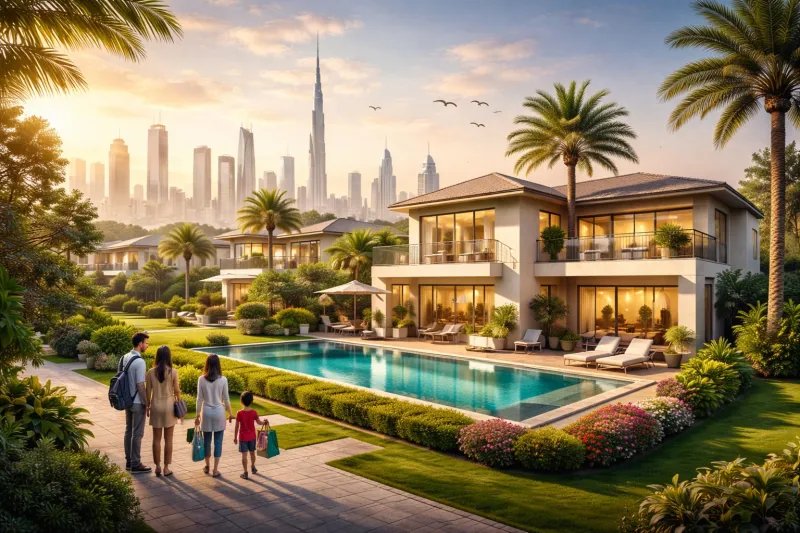
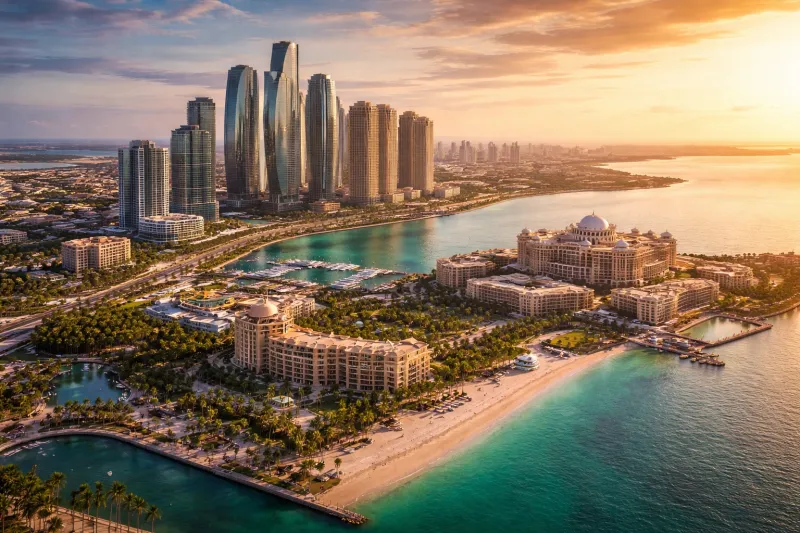
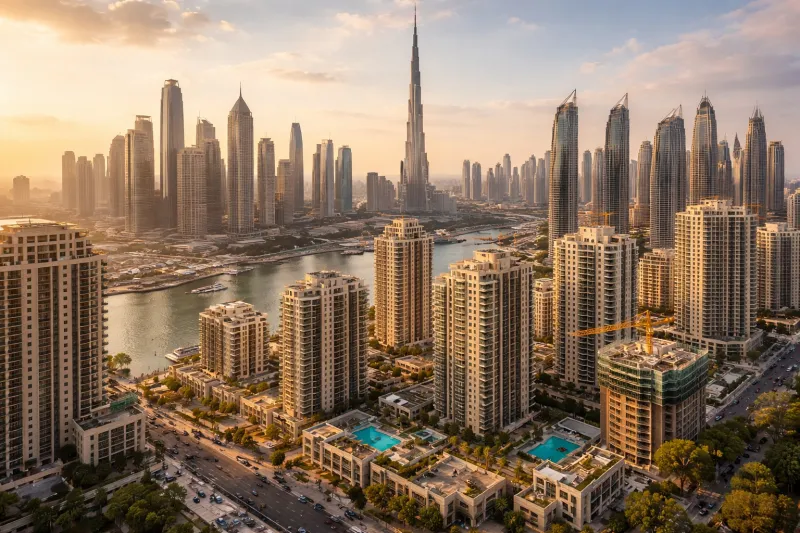
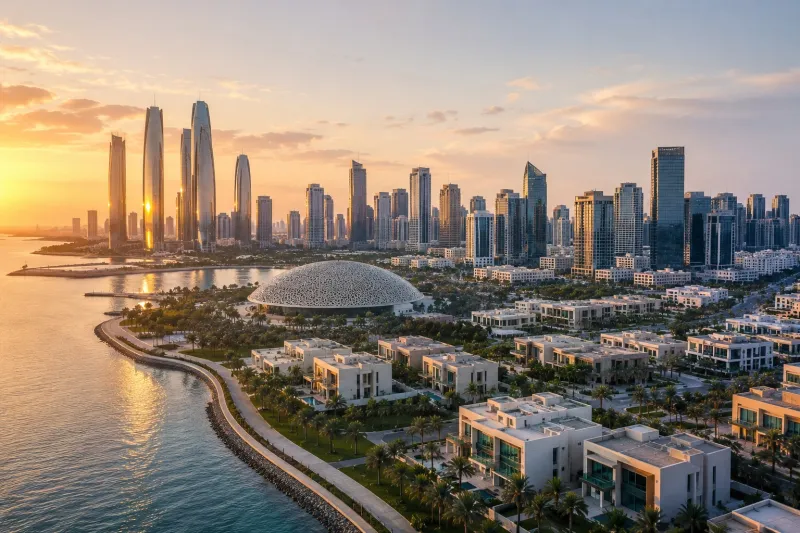
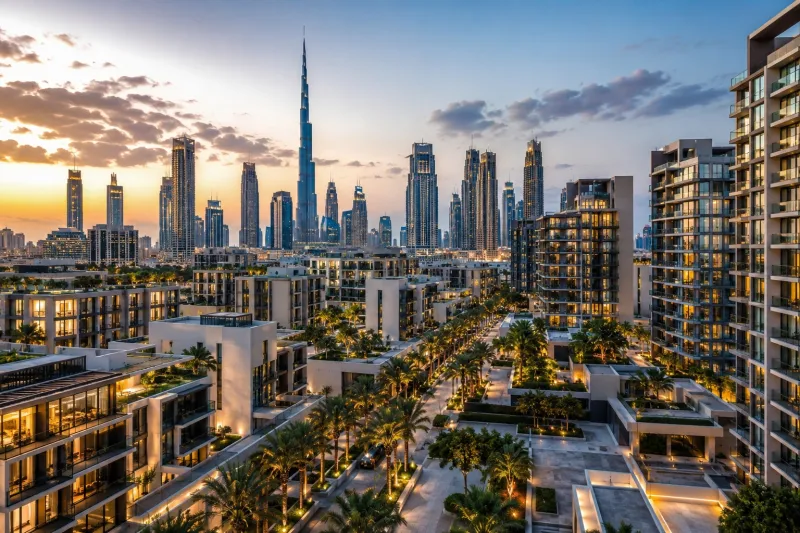
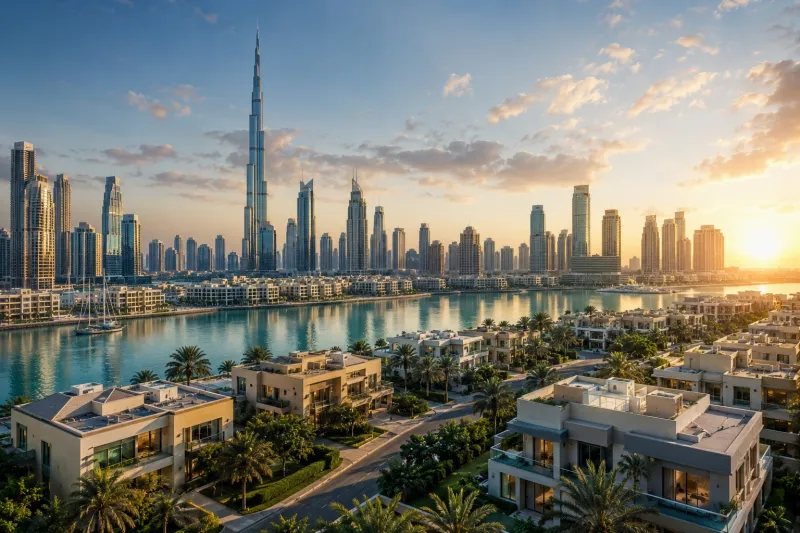
The new stock is widely distributed across Dubai, with notable concentrations in established hubs and newer precincts. Areas such as Dubai Marina, Downtown-adjacent districts, Jumeirah Village Circle and Dubai South saw significant apartment deliveries, while communities like Dubai Hills, Arabian Ranches and DAMAC Hills continued to add villas and townhouses. Developers also pushed projects in mixed-use zones that combine residential, retail and leisure components.
mix of housing types and market segments
The bulk of additions are apartment units, particularly mid-rise and high-rise developments targeted at investors and young professionals. Still, a sizeable portion comprises townhouses and detached villas aimed at families and higher-net-worth buyers. There has also been a deliberate supply of mid-market and affordable housing to capture first-time buyers and long-term residents, creating a multi-tiered offering across price points.
key drivers behind the acceleration
Multiple factors are accelerating development: a rebound in tourism and business travel, regulatory reforms that improved investor access, attractive residency and visa schemes, and competitive financing options. In addition, developers have been responding to pipeline momentum built during earlier planning phases and to pent-up demand from both expatriates returning to work in the city and international investors seeking diversification.
- Tourism and events: steady inbound flows support short- and long-term rentals.
- Policy changes: visa and ownership reforms boost buyer confidence.
- Developer momentum: projects timed to market opportunities.
major developers and landmark projects
Prominent local and regional developers have led the delivery push, including some of the emirate’s largest names. Landmark projects combine residential units with large retail, leisure and hospitality components to create lifestyle destinations. Many of these schemes are marketed towards international buyers, with tailored payment plans and incentives designed to accelerate sales and handovers.
effects on the rental market
The influx of new units is already influencing rental dynamics. In neighbourhoods with heavy new supply, rental growth has moderated as competition increases, while prime locations with limited new inventory continue to command strong rates. Landlords in saturated segments are offering incentives such as flexible lease terms and furnished options to maintain occupancy levels.
affordability and access for buyers
Developers and policymakers have increasingly emphasized affordability measures to broaden homeownership. Initiatives include smaller unit footprints, phased payment plans, and collaborations with banks to offer accessible mortgage products. These moves aim to absorb some of the new supply while giving first-time buyers and long-term residents more entry options into the market.
infrastructure and amenity tie-ins
New residential developments have been accompanied by investments in infrastructure and amenities, from schools and healthcare facilities to retail and green space. Connectivity remains a priority: many projects are designed around existing or planned transit corridors, road upgrades and pedestrian networks to improve liveability and reduce commute times for residents.
sustainability and construction standards
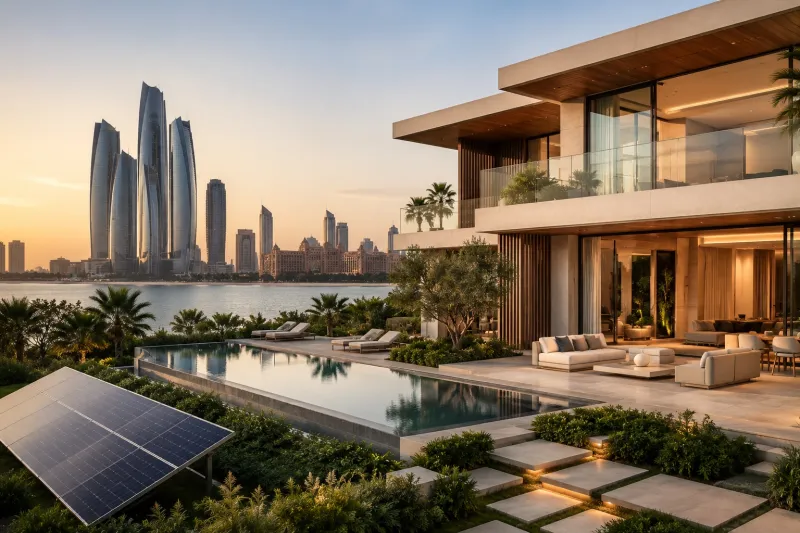
As the market expands, sustainability considerations are becoming more prominent. Developers are integrating energy-efficient systems, district cooling, water-saving measures and higher insulation standards into new builds. Certification and green-building practices are increasingly used as marketing and compliance tools, reflecting both regulatory shifts and buyer preference for lower-operating-cost homes.
investment outlook and potential risks
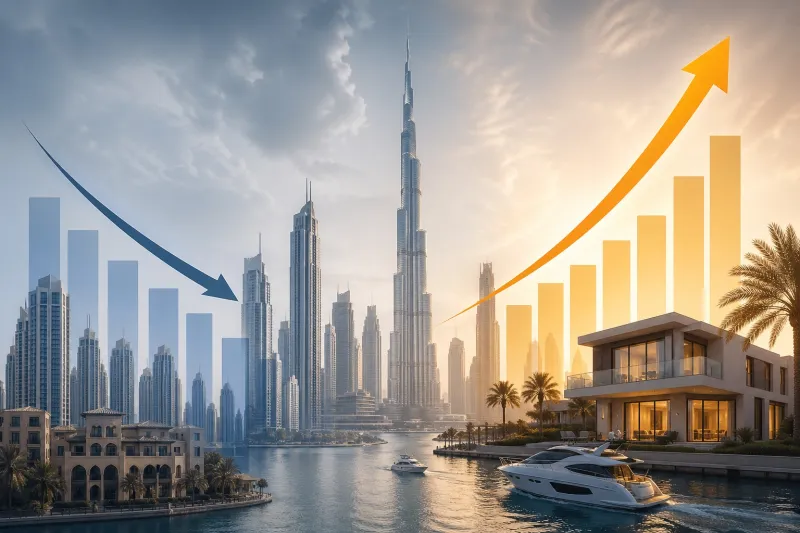
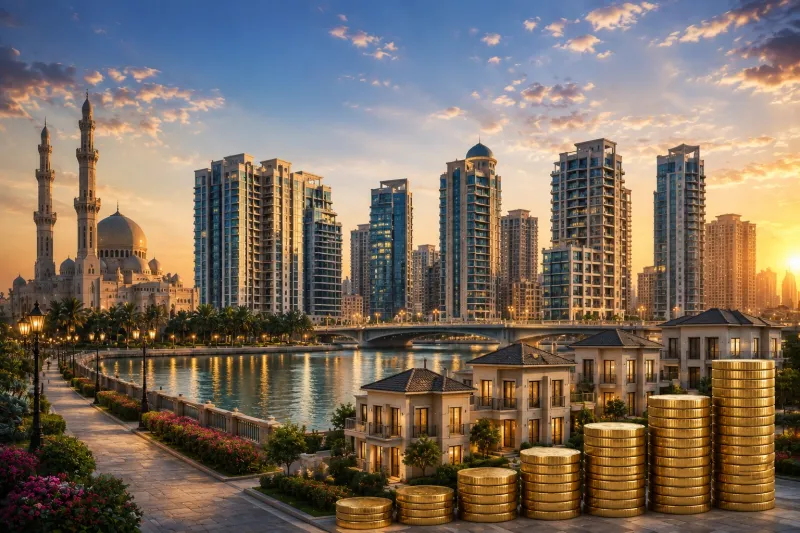
While the delivery of more than 24,000 homes signals confidence and market depth, it also raises questions about absorption capacity and timing. Key risks include the potential for localized oversupply in some segments, interest-rate volatility that could affect mortgage affordability, and global economic headwinds that influence foreign investment flows. Investors and policymakers will be watching take-up rates, price trajectories and leasing trends to assess whether the market can integrate the new stock without sustained price pressure.
Focused on delivering informative, accessible content