Dubai property market evolves as off-plan and luxury demand remain strong
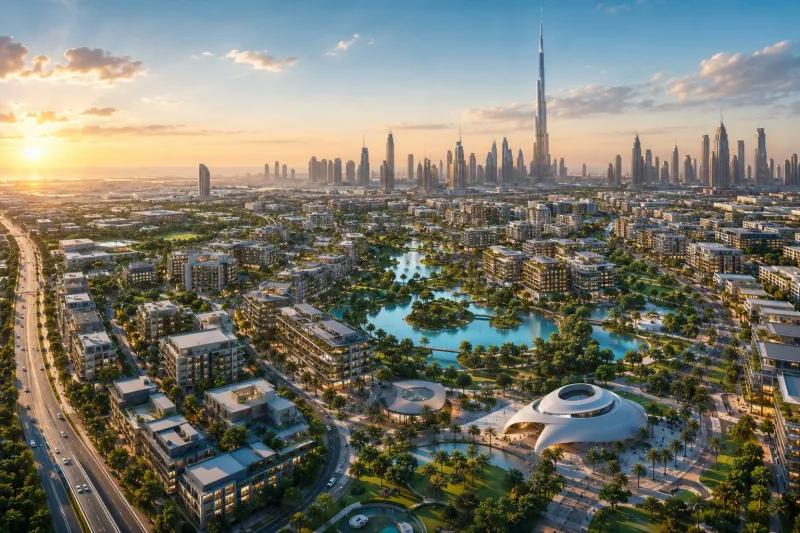
Dubai's real estate landscape continues to adapt as persistent demand for off-plan developments and high-end luxury assets reshapes supply, pricing and investor behaviour. Developers, buyers and regulators are navigating a market driven by global capital flows, innovative product offerings and targeted policy measures that sustain momentum across several segments.
- Market overview and recent momentum
- Why off-plan remains attractive
- Luxury segment resilience and buyer profile
- International demand and visa-linked incentives
- Supply dynamics and new launches
- Regulation, financing and risk management
- Rental market dynamics and yields
- Proptech, marketing and digital sales channels
- Sustainability and design trends in new developments
- Investment strategies and emerging risks
Market overview and recent momentum
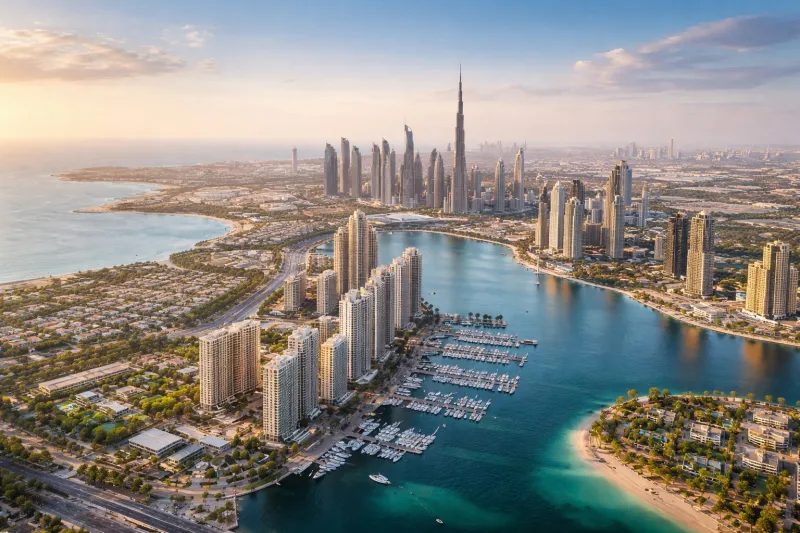
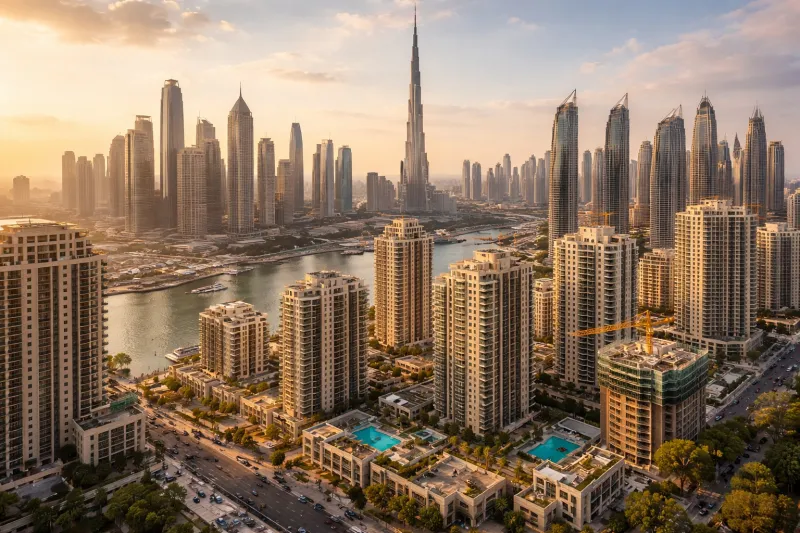
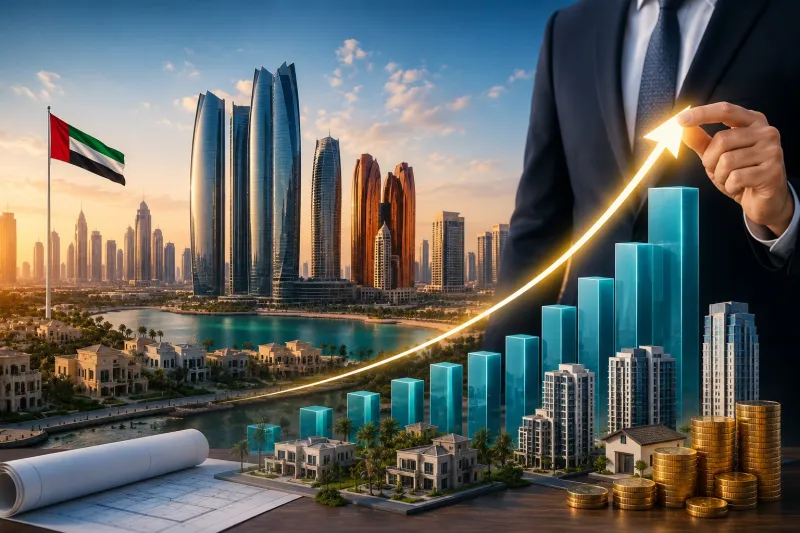
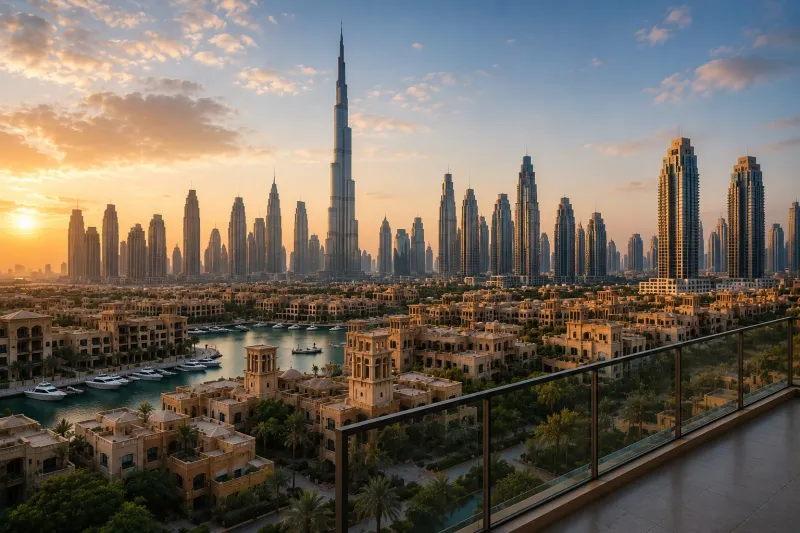
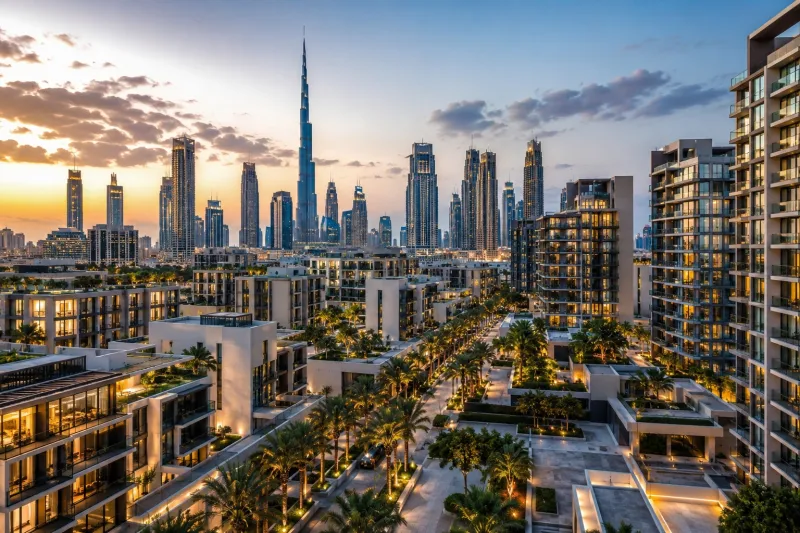
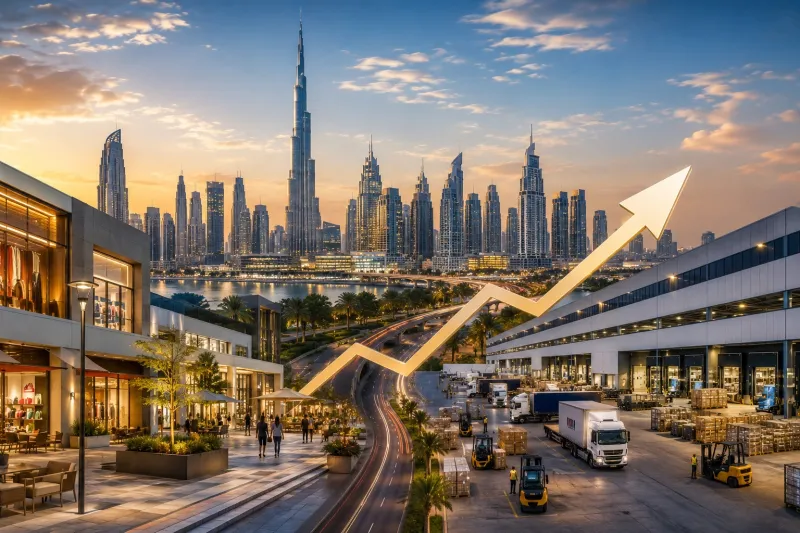
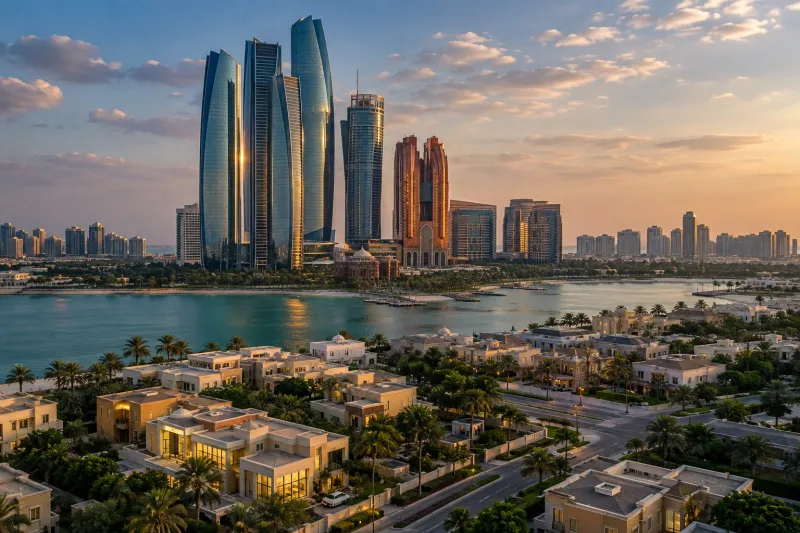
The Dubai property market has recorded steady transactional activity and price appreciation in key neighbourhoods, supported by strong tourism, business travel and an influx of expatriates. Sales volumes have been bolstered by both end-users and investors, while seasonal cycles and macroeconomic factors continue to influence short-term shifts. Indicators such as rising secondary market prices in prime communities and quick uptake of new launches illustrate the current momentum.
Why off-plan remains attractive
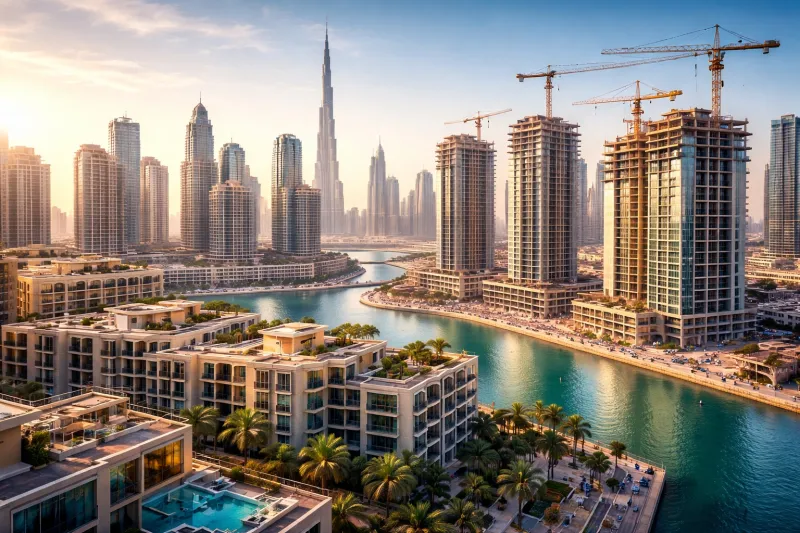
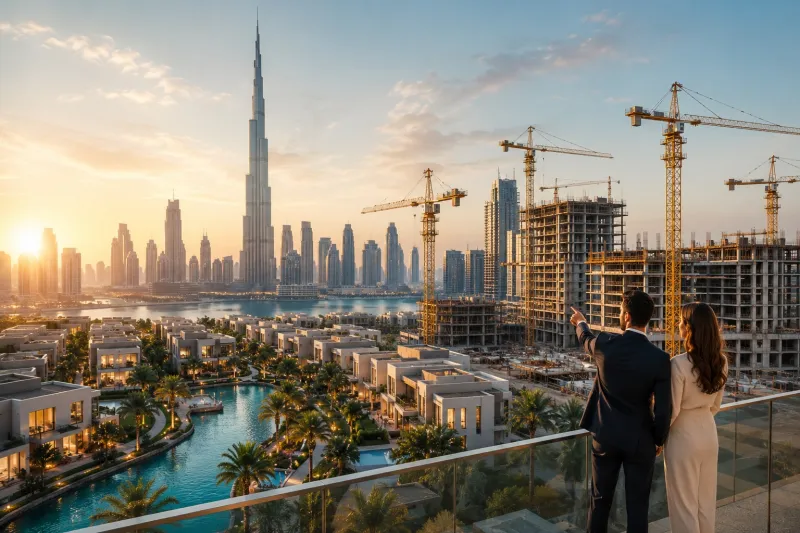
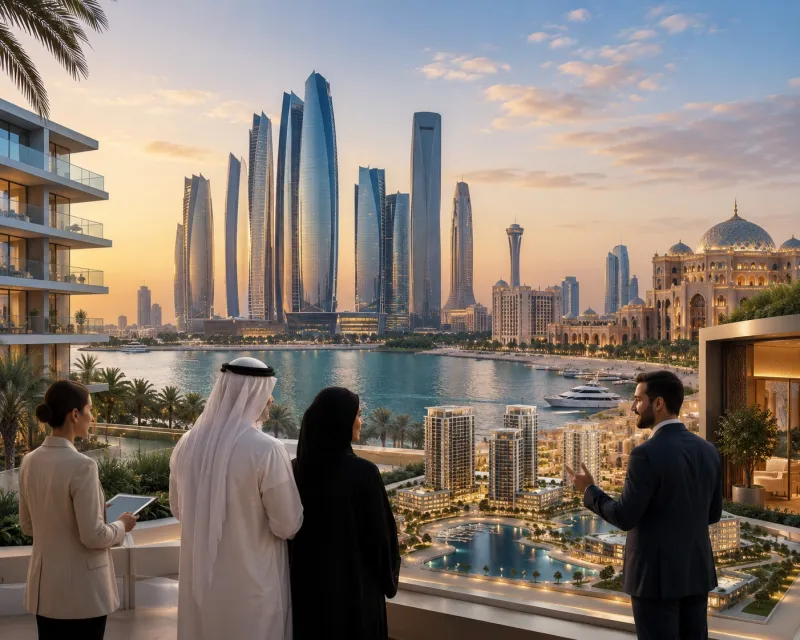
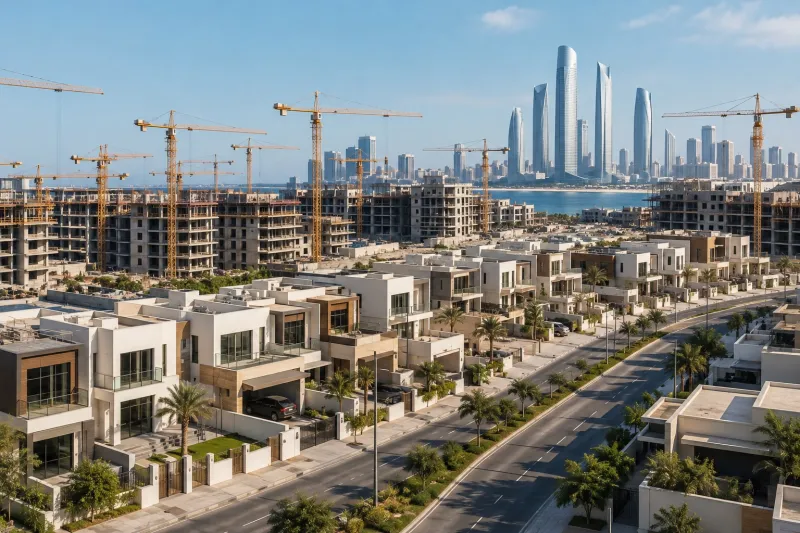
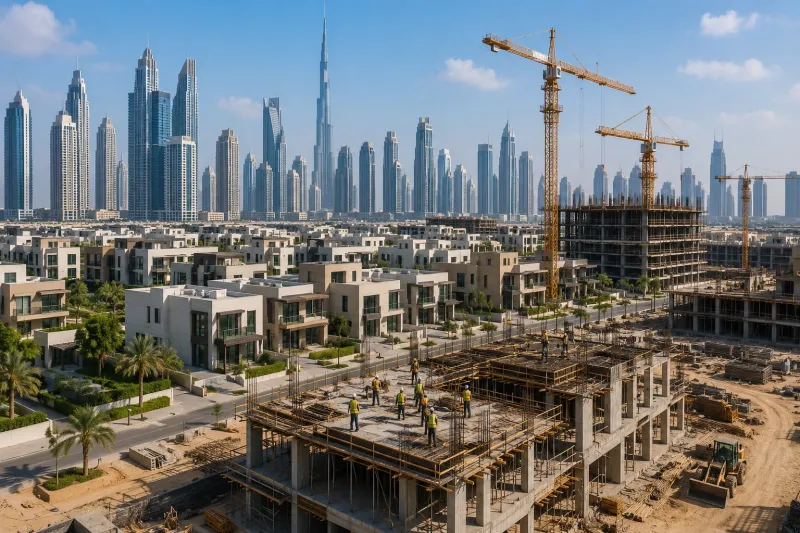
Off-plan projects remain popular because they offer payment flexibility, early-bird pricing and the potential for capital appreciation between purchase and handover. Developers provide extended payment plans, attractive incentives and staged delivery timetables that appeal to both retail and institutional buyers. For many investors, the combination of lower initial outlay and promotional pricing makes off-plan the preferred entry route into Dubai property.
Luxury segment resilience and buyer profile
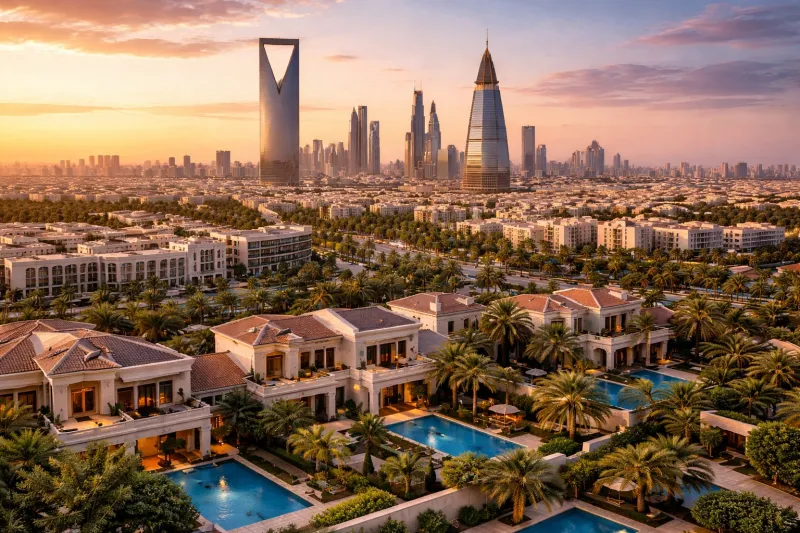
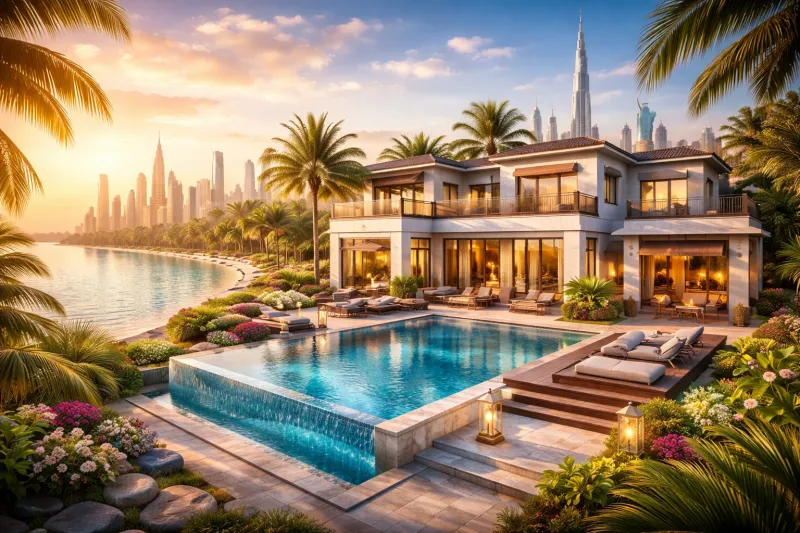
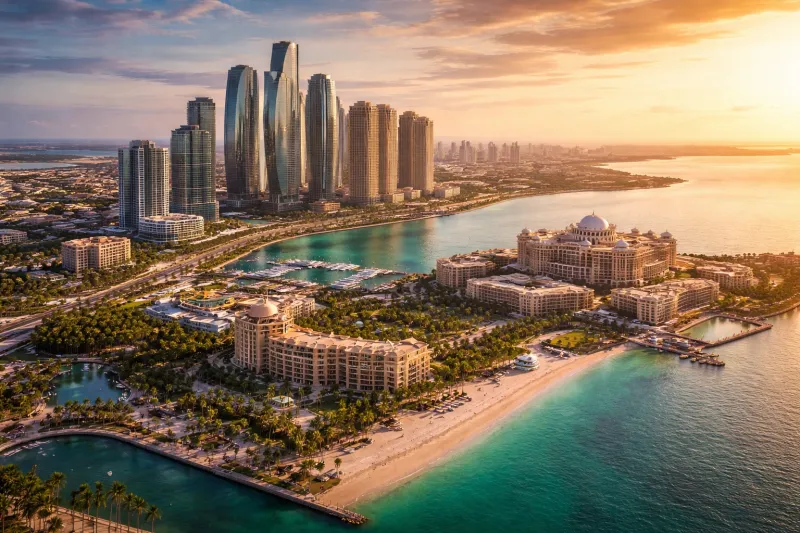
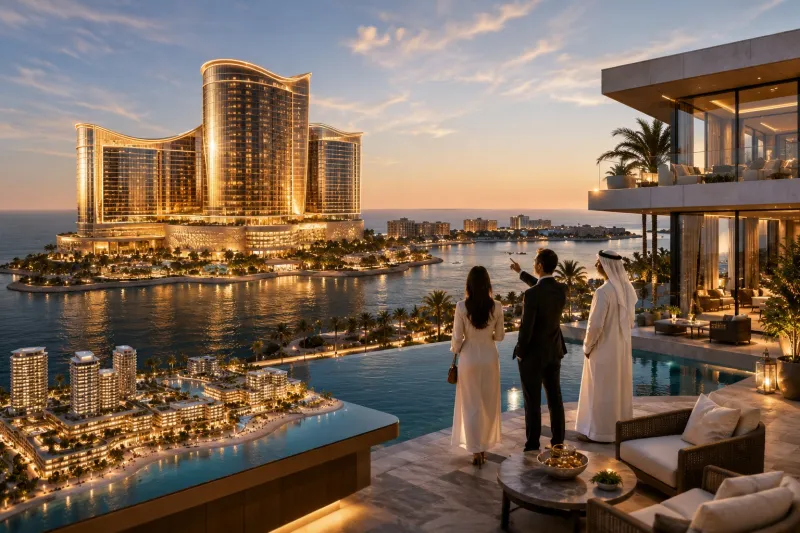
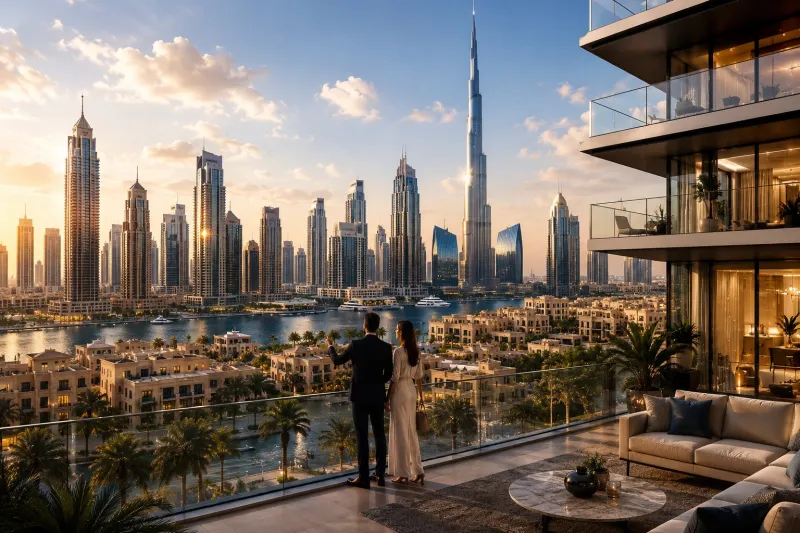
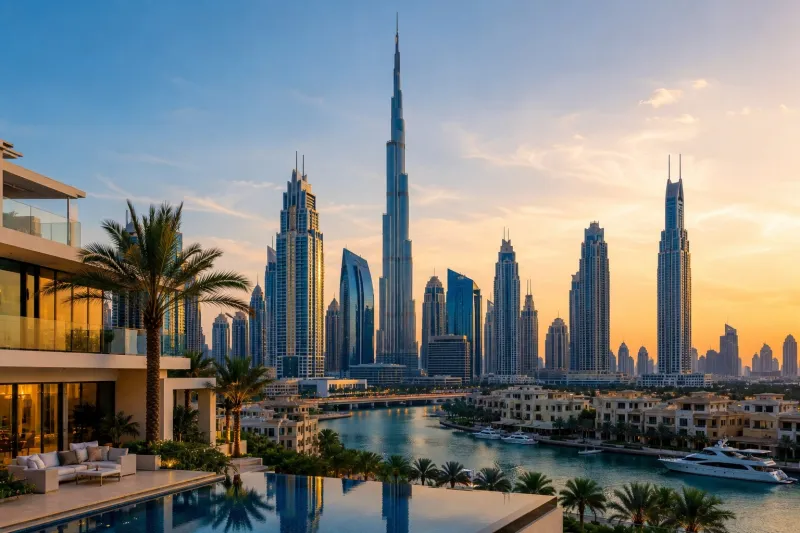
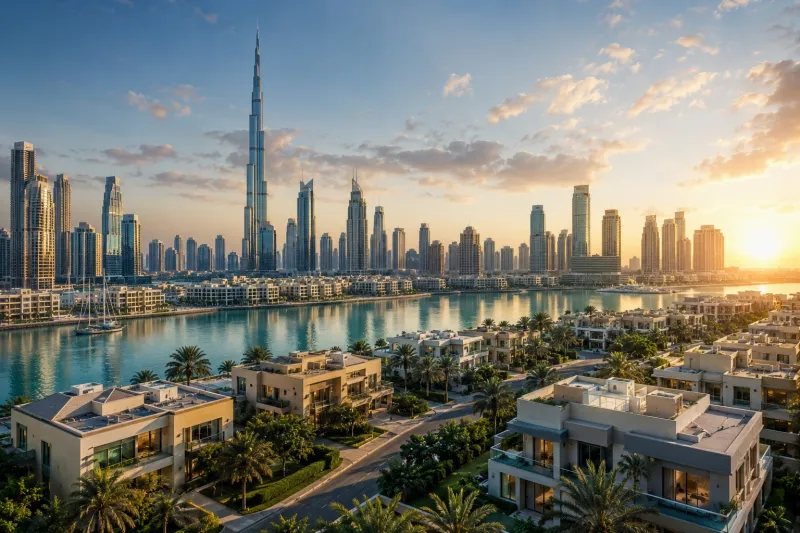
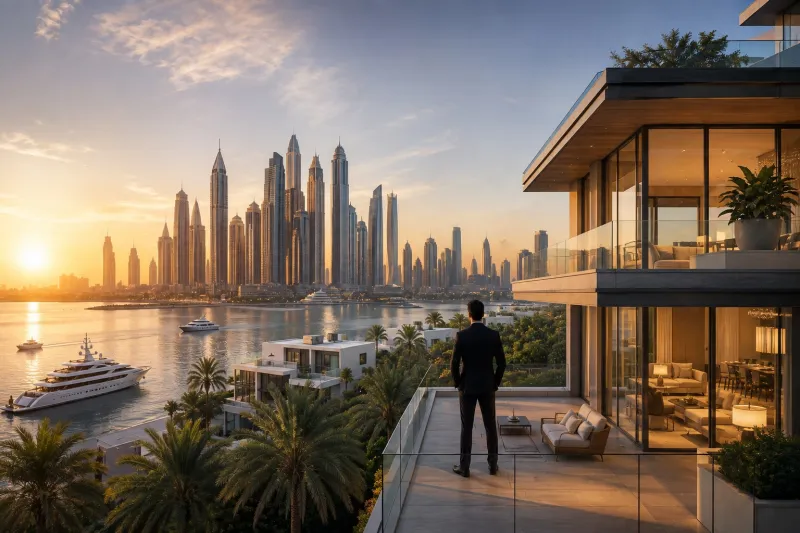
The luxury segment villas, waterfront mansions and penthouse apartments has shown notable resilience, driven by high-net-worth individuals seeking lifestyle, privacy and asset diversification. Key buyers include international entrepreneurs, family offices and returning expatriates. Developers are responding with bespoke services, private amenities and concierge-style ownership packages to capture that buyer profile.
International demand and visa-linked incentives
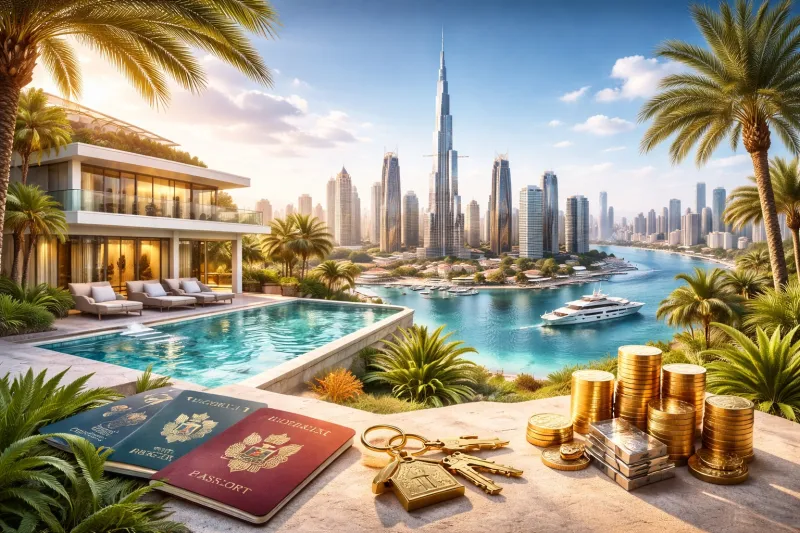
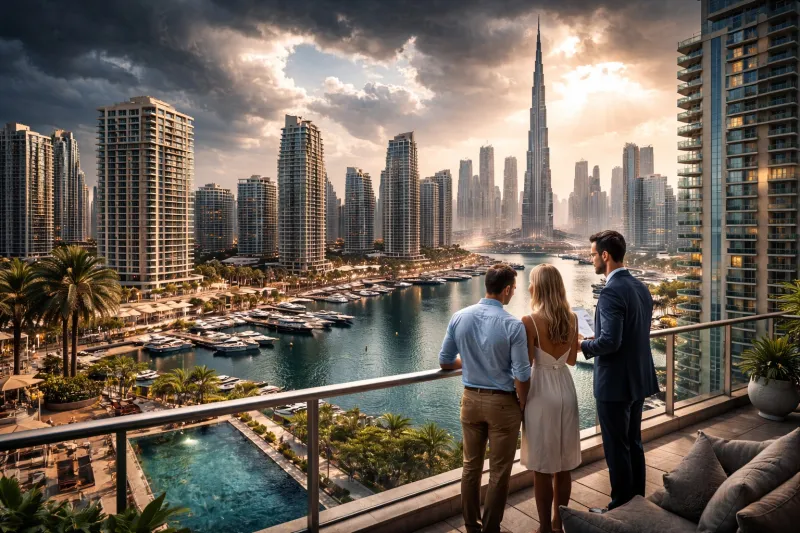
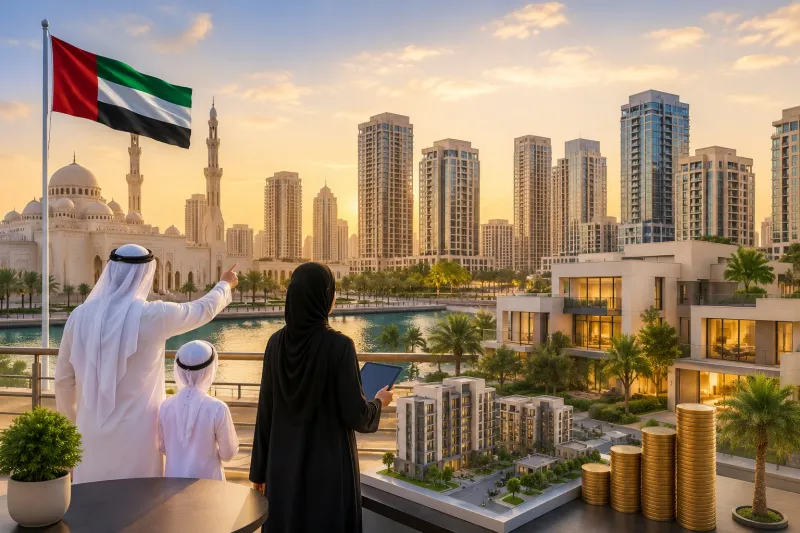
Policies such as the golden visa and investor-friendly residency rules have strengthened Dubai's appeal to foreign buyers. These schemes make long-term ownership more attractive and support a pipeline of residency-driven demand. Combined with favourable tax policies and global mobility, such incentives continue to bring affluent international buyers into the market.
Supply dynamics and new launches
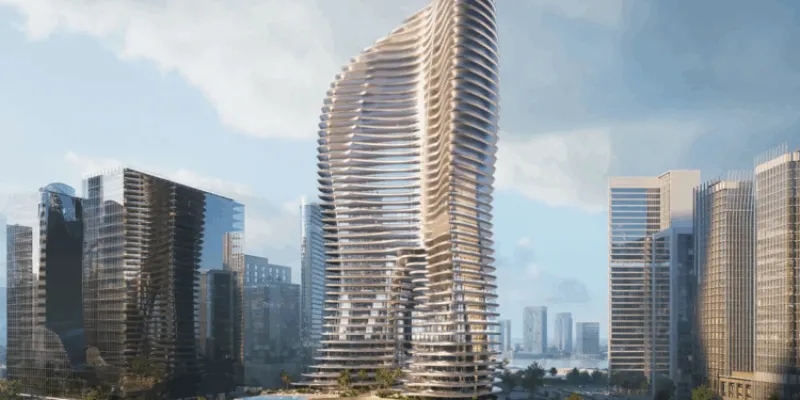
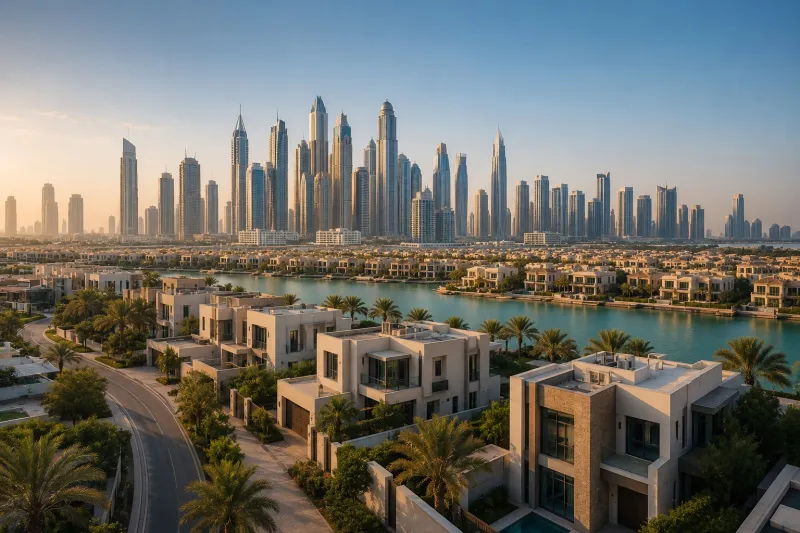
Developers are increasingly selective about new launches, prioritising projects with strong brand partners, unique locations and integrated community features. The market has seen a mix of large masterplanned communities and boutique luxury developments. While overall new supply has grown, the emphasis has shifted toward differentiated inventory that can sustain premium pricing.
Regulation, financing and risk management
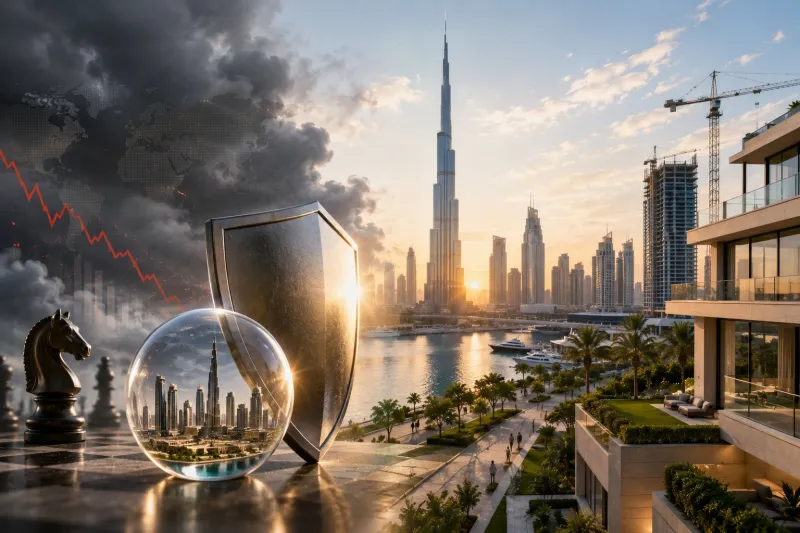
Regulatory frameworks and prudent lending measures play a central role in market stability. Tighter mortgage rules, escrow account requirements and enhanced developer transparency have reduced systemic risk. Buyers and investors are increasingly mindful of financing costs and pre-handover exposure, prompting greater due diligence and the use of reputable developers and brokers.
Rental market dynamics and yields
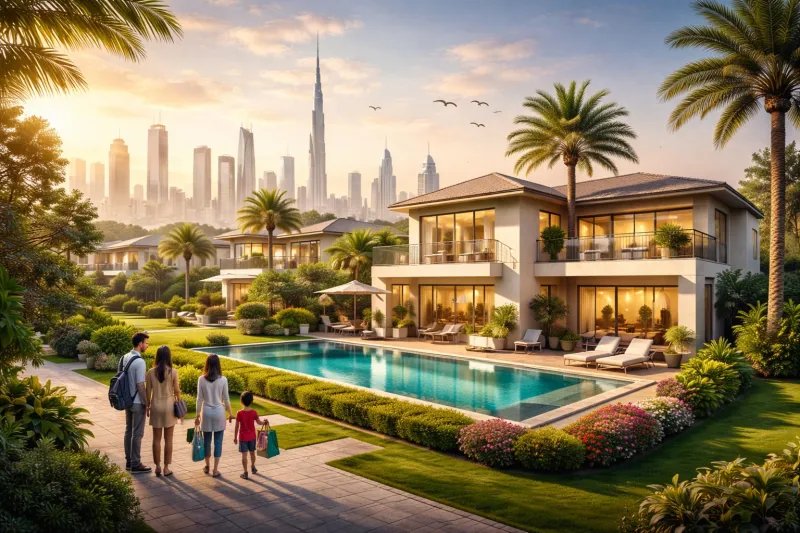
The rental market has tightened in many neighbourhoods, with strong demand pushing rents higher for family-size properties and well-located apartments. Yields vary by area and asset class: core urban apartments often deliver lower yields but greater liquidity, while suburban villas and single-family homes can offer stronger rental returns. Investors balance yield expectations against capital appreciation potential.
Proptech, marketing and digital sales channels
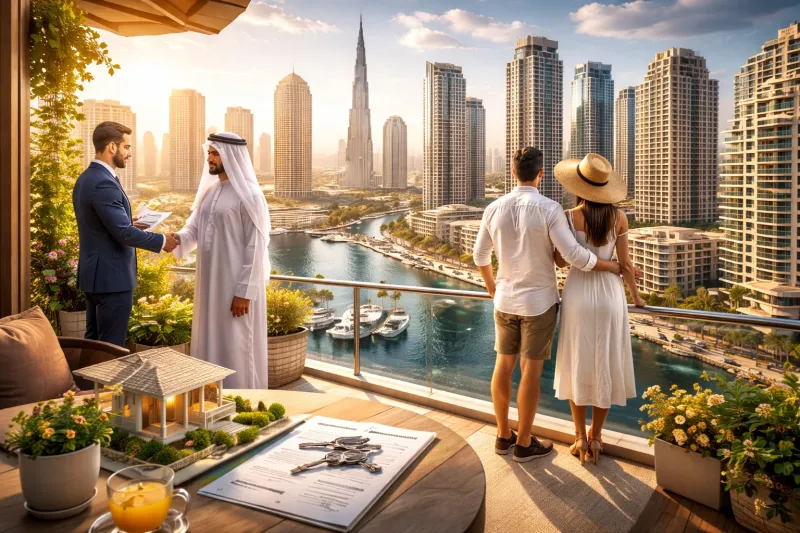
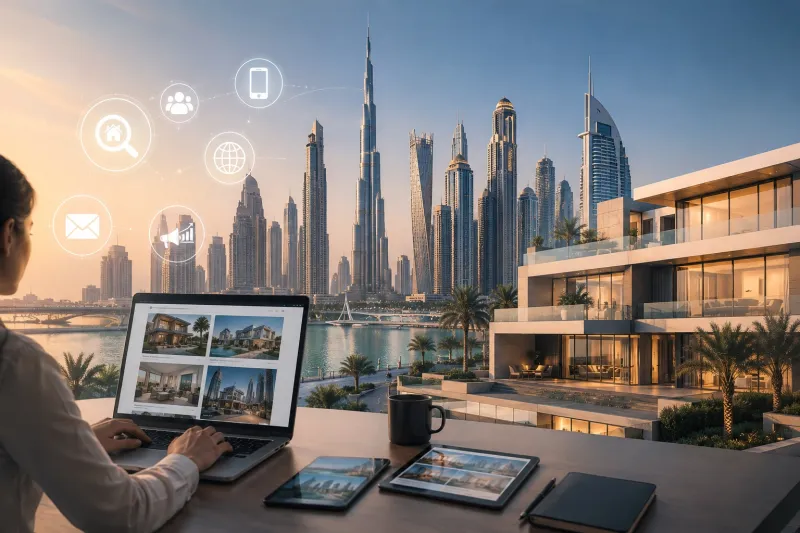
Adoption of proptech, virtual viewings and online transactions has accelerated, changing how projects are marketed and sold. Developers are using immersive 3D tours, AI-driven lead qualification and digital contracts to reach global buyers efficiently. These tools lower friction in cross-border transactions and allow investors to evaluate off-plan opportunities remotely.
Sustainability and design trends in new developments
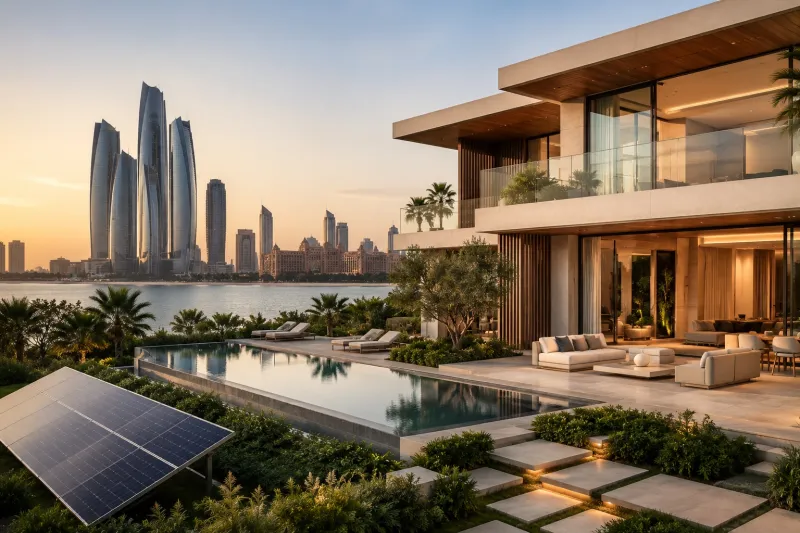
Environmental performance, wellness amenities and flexible living spaces are increasingly central to project design. Buyers are showing preference for buildings with energy-efficient systems, green spaces and health-focused facilities. Developers highlight sustainable credentials and smart-home integration as differentiators in a crowded marketplace.
Investment strategies and emerging risks
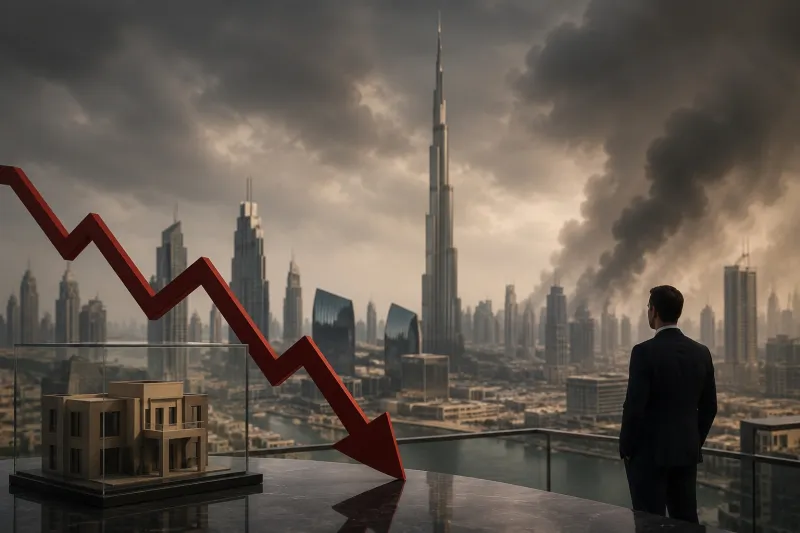
Investors are adopting diversified strategies that combine off-plan opportunities, ready properties and short-term rental plays. Key considerations include timing of delivery, developer track record and macroeconomic exposure. Emerging risks such as interest rate shifts, geopolitical uncertainty and potential oversupply in niche submarkets require careful scenario planning and portfolio stress-testing.
Focused on delivering informative, accessible content