UAE property market shows resilience despite regional tensions
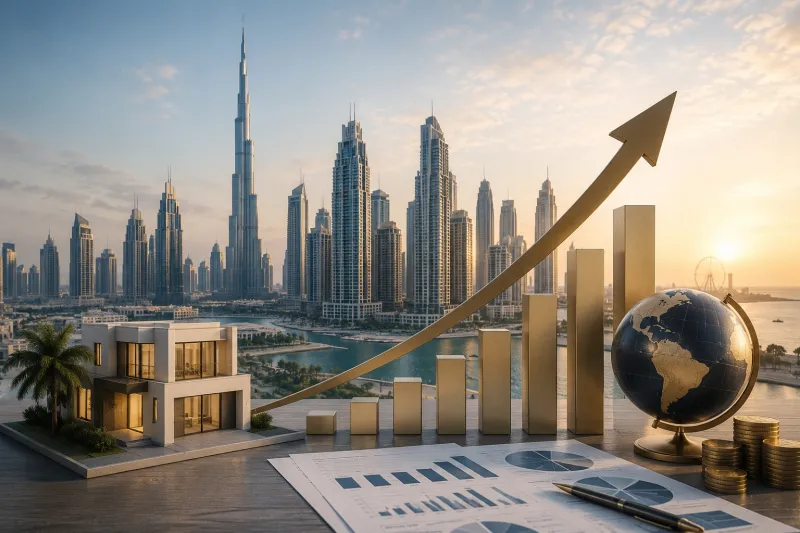
The UAE property market has demonstrated surprising strength in recent quarters, maintaining healthy transaction volumes and price stability even as geopolitical tensions in the region have escalated. Investors, developers and policymakers point to a combination of diversified demand, government measures and an attractive living environment as key factors that underpin this resilience.
- Market overview and recent performance
- Transaction volumes and price trends
- Rental market dynamics and household demand
- Sustained foreign investor appetite
- Luxury and super-prime segment resilience
- Infrastructure projects and megaproject pipeline
- Regulatory environment and transparency measures
- Financing, mortgage availability and lending standards
- How regional tensions affect demand and supply
- Outlook and indicators to watch
Market overview and recent performance
The UAE's real estate sector has experienced steady activity across primary markets such as Dubai and Abu Dhabi. Residential transactions have risen year-on-year in several segments, while selective commercial deals signal ongoing corporate interest. Price movements have been measured rather than volatile, reflecting a market that is absorbing shocks without dramatic corrections.
Transaction volumes and price trends
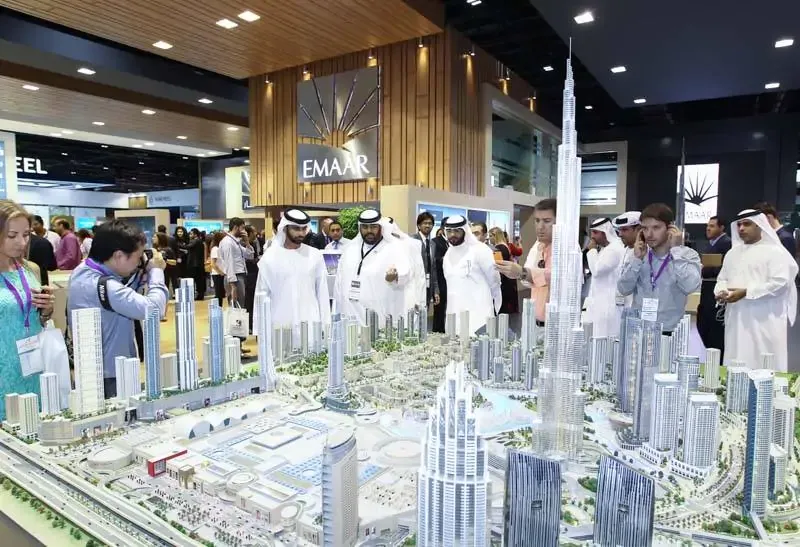
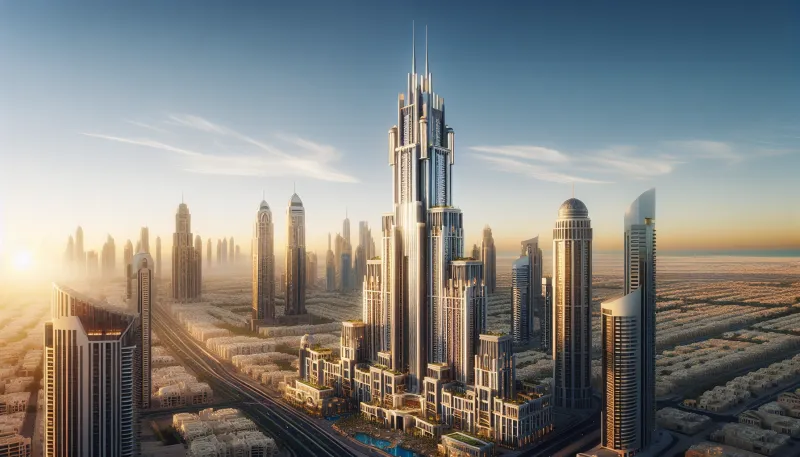
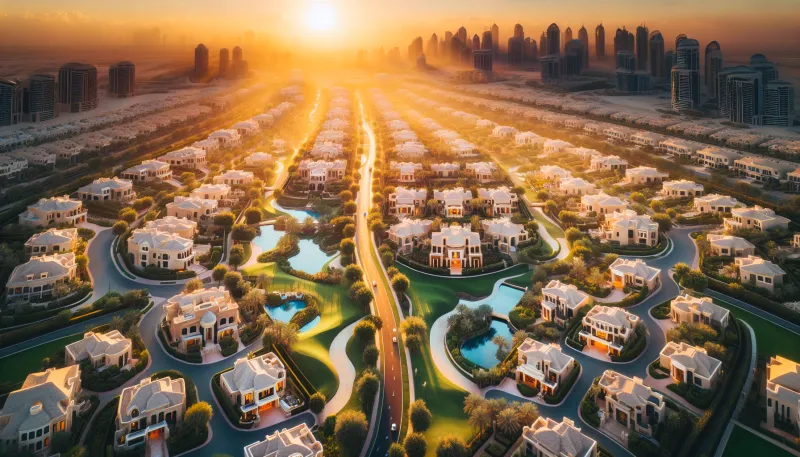
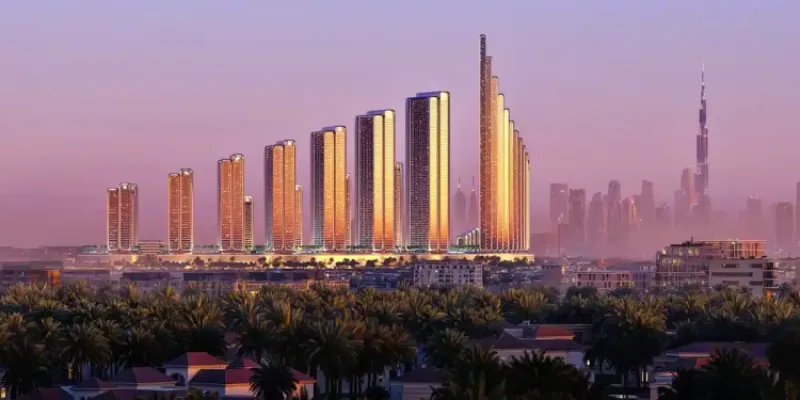
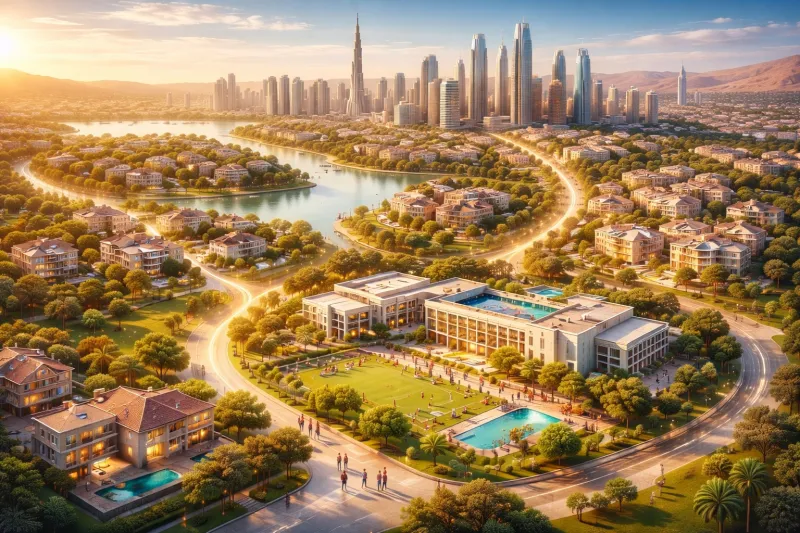
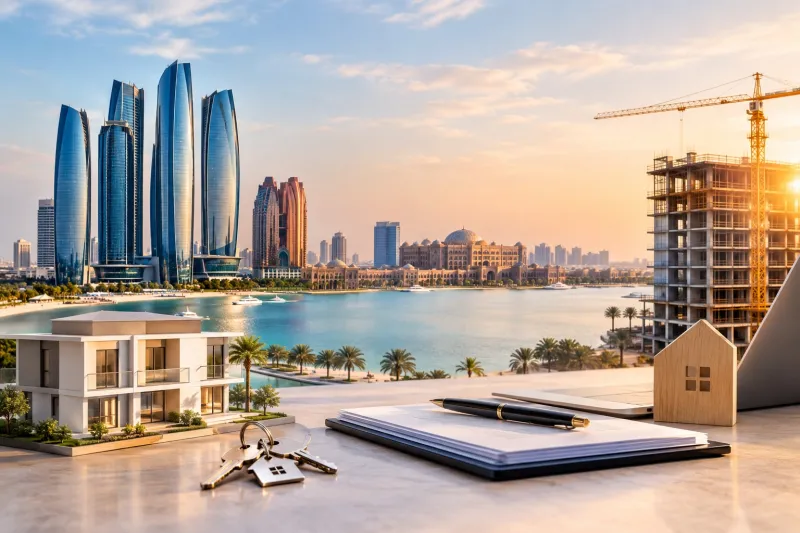
Transaction data show that volumes remain robust, supported by both secondary market sales and new off-plan launches. In Dubai, iconic freehold developments continue to record significant turnover, while Abu Dhabi has seen steady demand in gated communities and coastal projects. Price trends vary by submarket: central waterfront and business-district properties command premiums, whereas peripheral areas show gradual appreciation.
Rental market dynamics and household demand
Rents have recovered from pandemic lows as expatriate arrivals increase and corporate relocations resume. Short-term rental demand, driven by tourism and business travel, has contributed to higher yields in popular districts. At the same time, rising construction activity helps keep rental inflation contained in emerging neighborhoods.
Sustained foreign investor appetite
Foreign buyers remain a cornerstone of the UAE property story. Policy initiatives, including long-term visas, investor-friendly ownership regimes, and residency-linked property programs, have attracted capital from Europe, Asia, and the GCC. Diversified investor profiles, from yield-seeking landlords to high-net-worth buyers seeking lifestyle assets, have supported transaction momentum.
Luxury and super-prime segment resilience
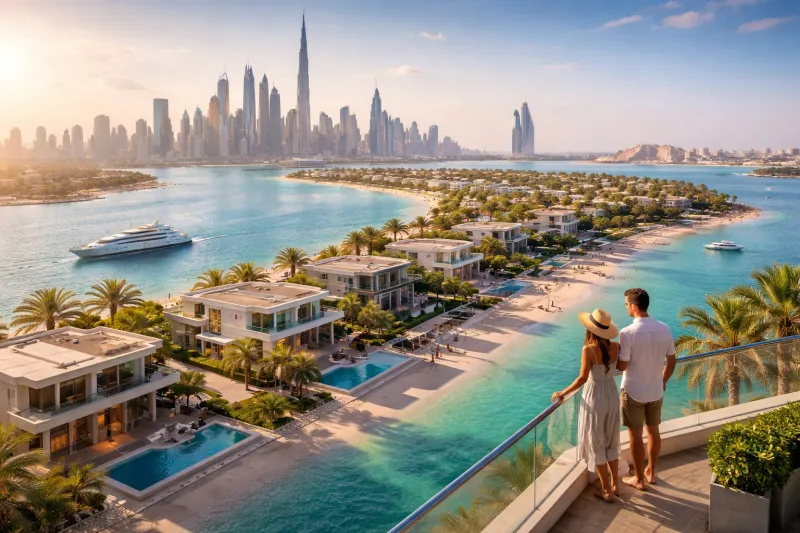
The luxury end of the market has shown notable resilience, with demand for waterfront villas, penthouses and branded residences staying firm. High-net-worth buyers view the UAE as a tax-efficient, high-amenity destination with strong privacy and security offerings. Auctions and off-market deals in the super-prime space have become more common as sellers target select buyers.
Infrastructure projects and megaproject pipeline
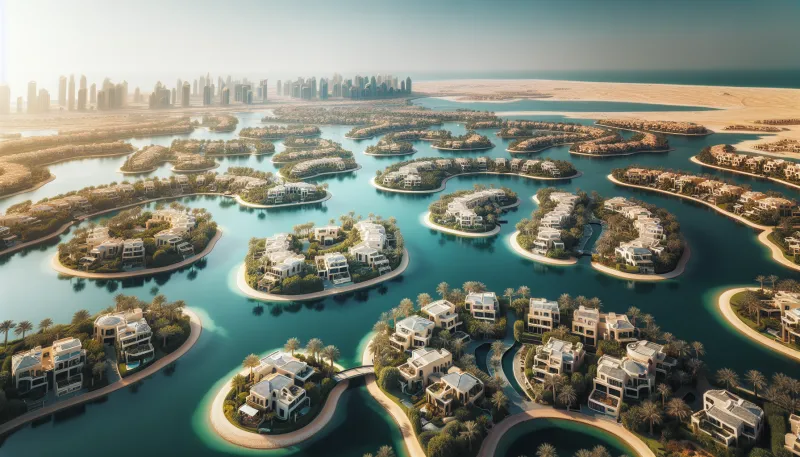
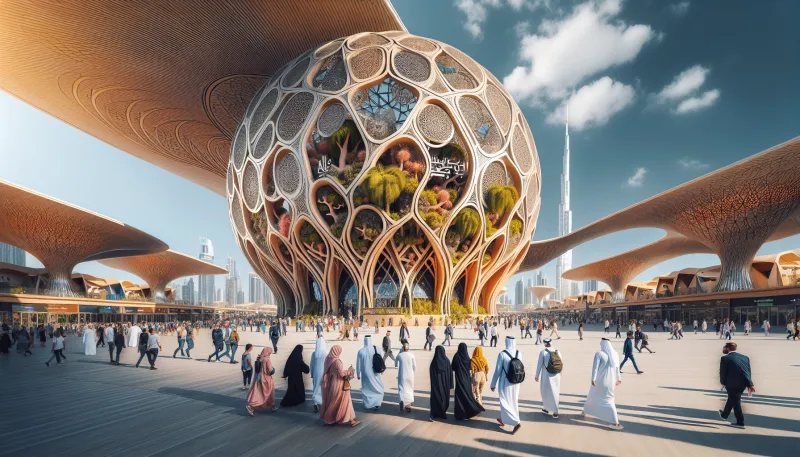
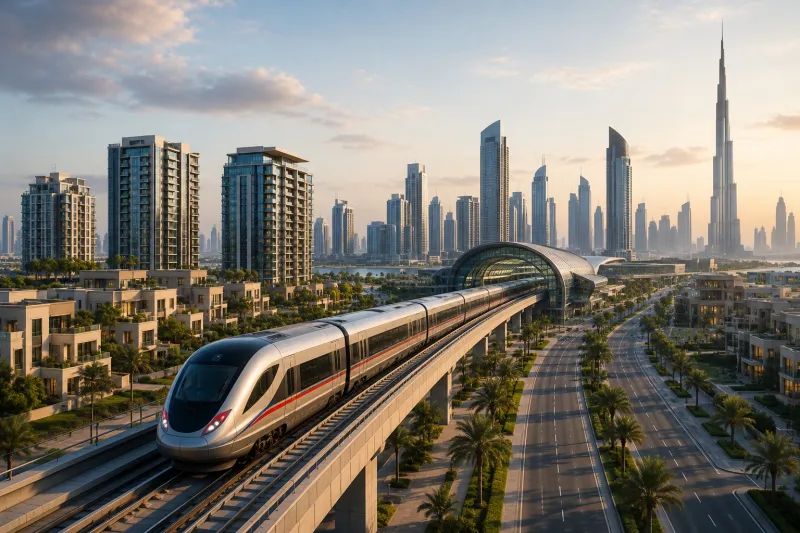
Large-scale infrastructure projects and high-profile developments continue to underpin investor confidence. Initiatives around transport, waterfront reclamation and mixed-use urban renewals create new nodes of demand. Developers are leveraging these projects to diversify product offerings, from affordable housing to ultra-luxury enclaves, balancing supply across segments.
Regulatory environment and transparency measures
Regulatory reforms have strengthened market integrity and investor protection. Enhanced title registration, clear foreign-ownership rules and improved escrow frameworks have increased transparency. Authorities have also introduced measures to curb speculative activity, such as tighter developer payment rules and disclosure requirements for off-plan sales.
Financing, mortgage availability and lending standards
Local banks and international lenders have maintained a steady appetite for mortgage lending, with competitive rates attracting both owner-occupiers and investors. Lending standards have tightened compared with the pre-2008 era, with more rigorous affordability assessments and prudent loan-to-value ratios. Access to Sharia-compliant financing options further broadens the market.
How regional tensions affect demand and supply
Geopolitical tensions create episodic uncertainty, yet the UAE often benefits from safe-haven flows and relocation demand from adjacent markets. Business continuity planning by multinationals and the country's diplomatic positioning mitigate prolonged capital flight. Supply-side decisions by developers may be delayed during acute episodes, which can support short-term price stability.
Outlook and indicators to watch
Key indicators to monitor include tourist arrivals, expatriate net migration, mortgage approvals and developer completion schedules. Macro factors such as oil prices and global liquidity conditions will influence investor sentiment, but current indicators suggest a cautiously optimistic trajectory for the UAE property market. Continued policy support and diversified demand are likely to remain central to market resilience.
Focused on delivering informative, accessible content