UAE property market 2026: strong demand and record pipelines fuel growth
The UAE property market in 2026 is characterized by robust demand across segments, unprecedented project pipelines and shifting investor profiles, creating a dynamic environment for developers, buyers and policymakers. Renewed tourism, visa reforms and a sustained appetite from international and regional buyers are colliding with an expanding supply chain, producing both opportunities and fresh market complexities.
- Market snapshot and headline figures
- Demand drivers sustaining growth
- Record pipelines reshape supply dynamics
- Price and rent trajectories in 2026
- Foreign investment and buyer profile shifts
- Residential versus commercial sector performance
- Regional differences across the Emirates
- Policy, visas and developer incentives
- Financing, mortgages and capital flows
- Risks, challenges and potential headwinds
Market snapshot and headline figures
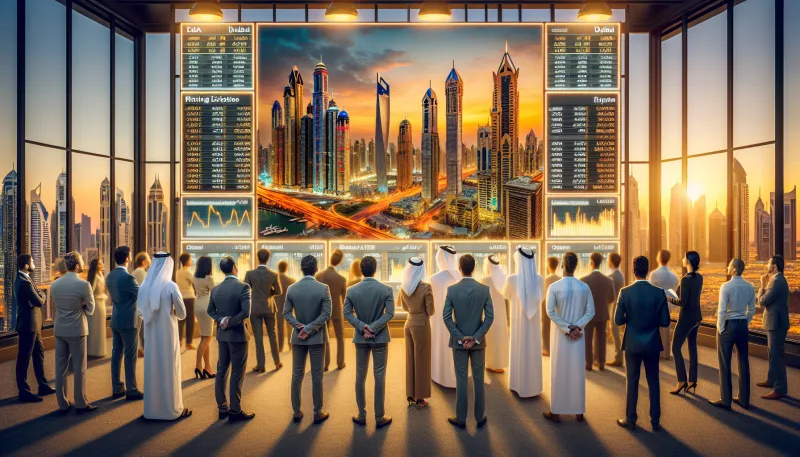
In 2026 the UAE market shows a mix of sustainable growth and structural change: transaction volumes have risen compared with the pandemic trough, prices have generally trended upward in prime areas and rental markets remain tight in major urban centres. Analysts point to improved liquidity, with increased off-plan activity and secondary-market turnover. Key indicators include higher deal velocity, rising investor enquiries and an expanding developer pipeline that together underpin market momentum.
Demand drivers sustaining growth
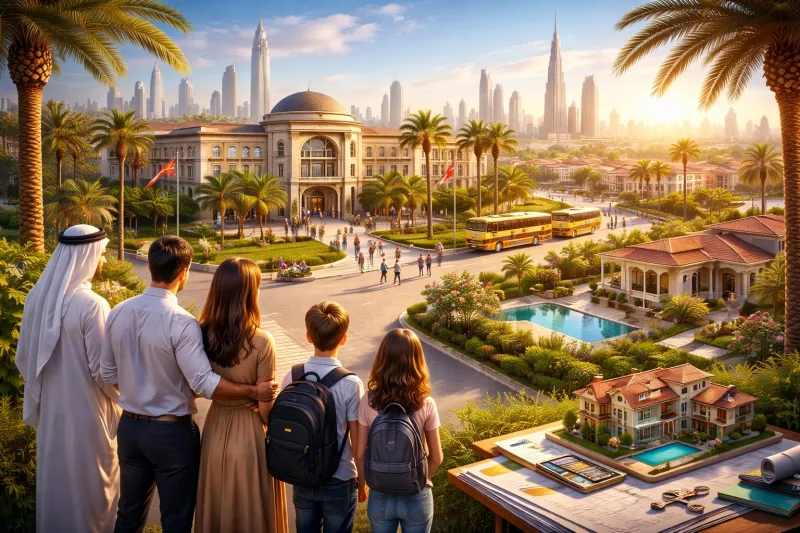
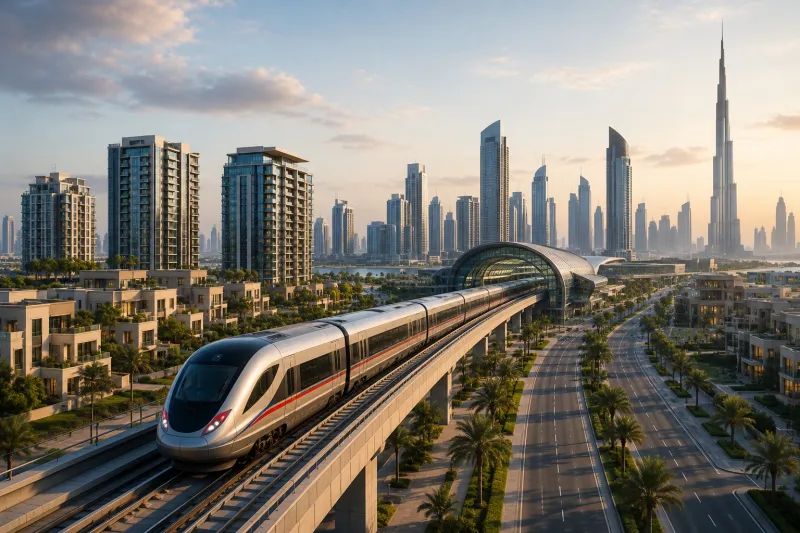
Multiple demand drivers are converging: stronger tourism flows, greater corporate relocations, digital nomad and remote-worker visa programs, and tax-friendly residency regimes. Expat inflows and a rebound in high-net-worth migration continue to support luxury and prime segments, while domestic demand from UAE nationals and long-term residents fuels mid-market purchases. Developers and brokers report that lifestyle amenities, proximity to transport links and integrated communities are primary purchase motivators.
Record pipelines reshape supply dynamics
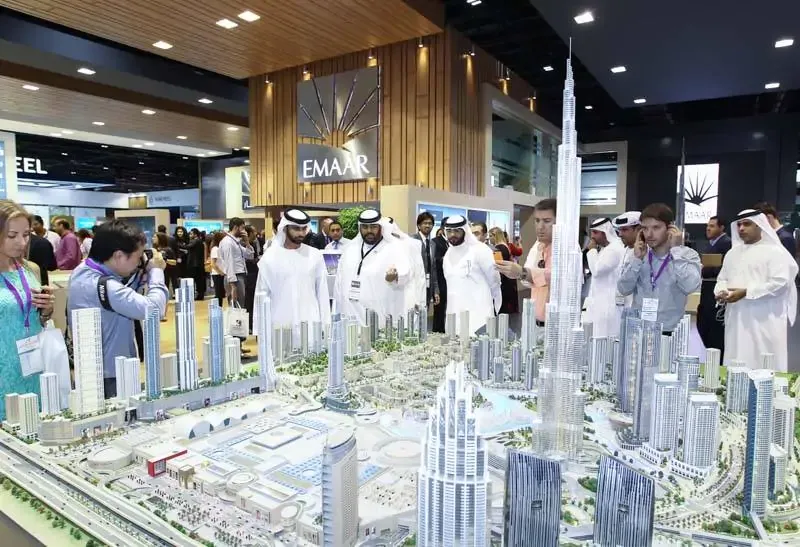
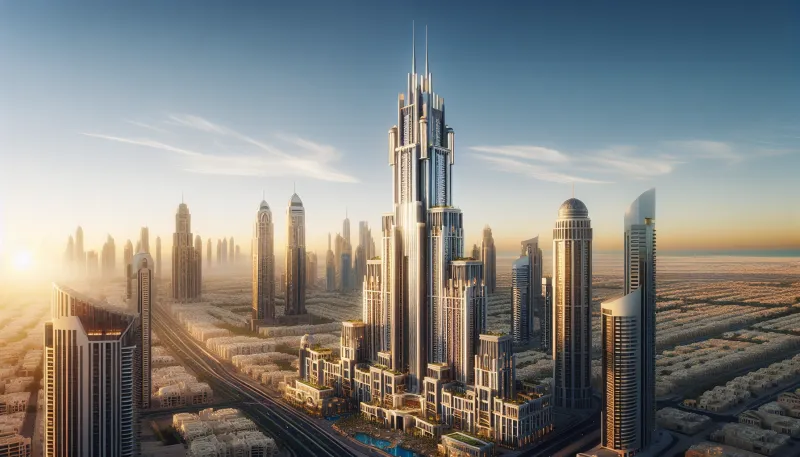
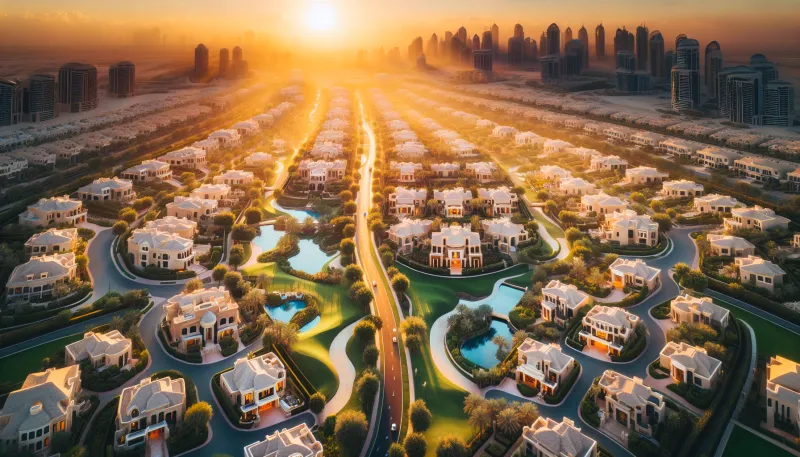
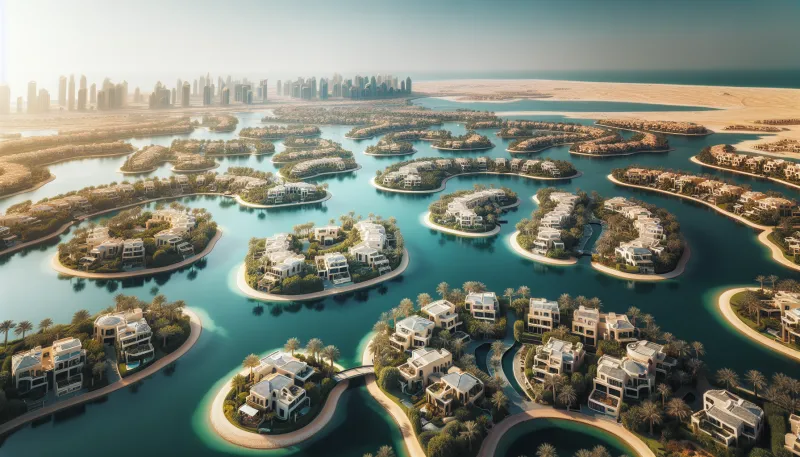
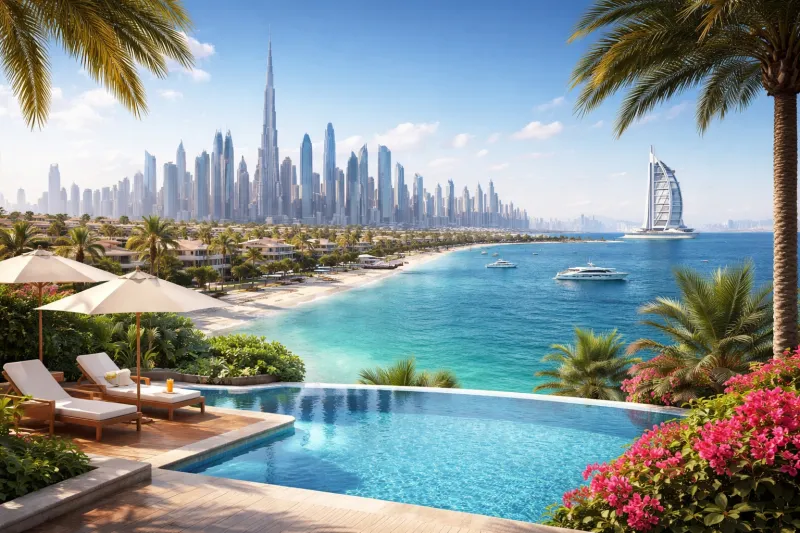
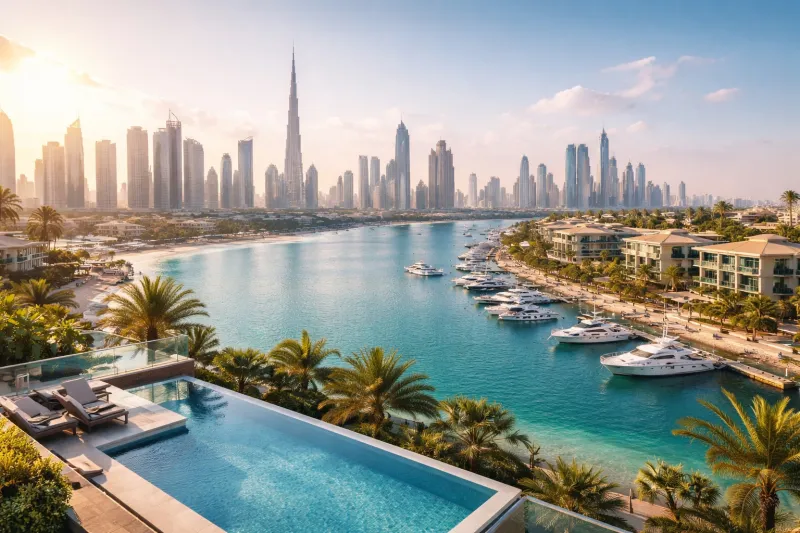
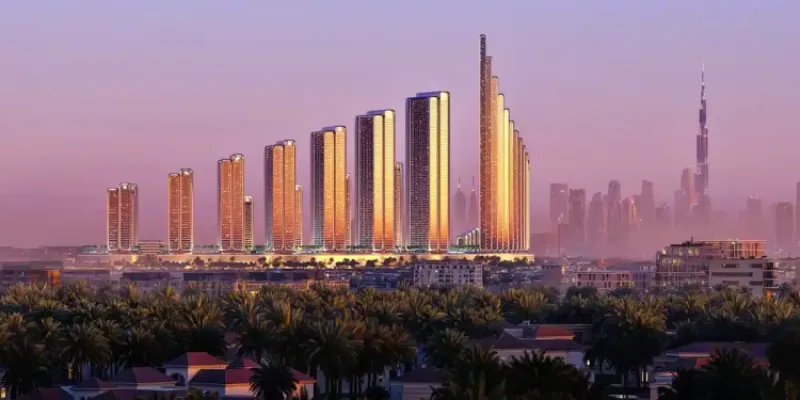
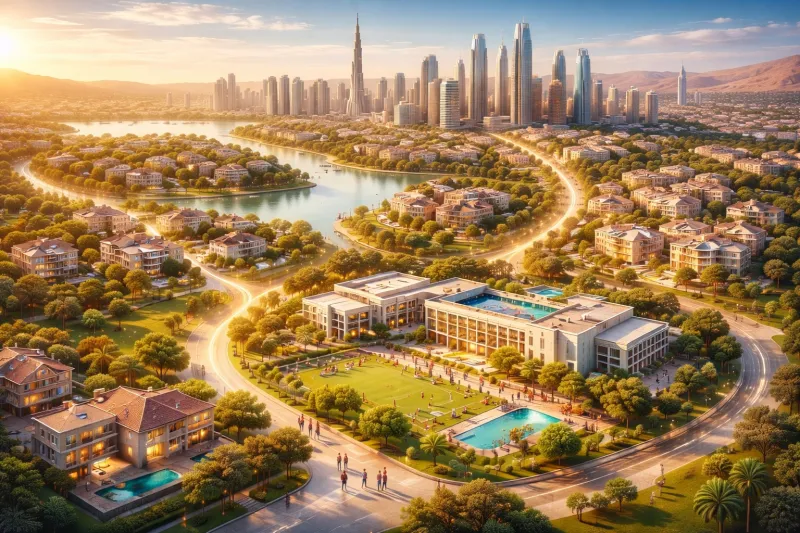
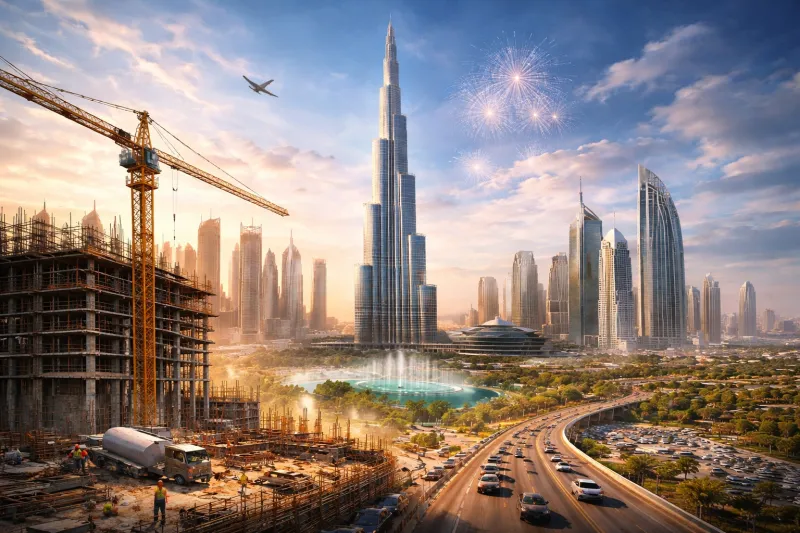
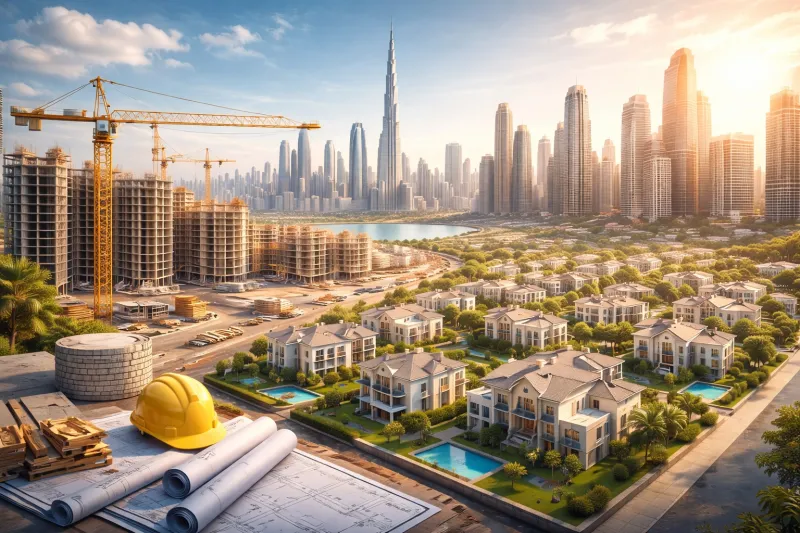
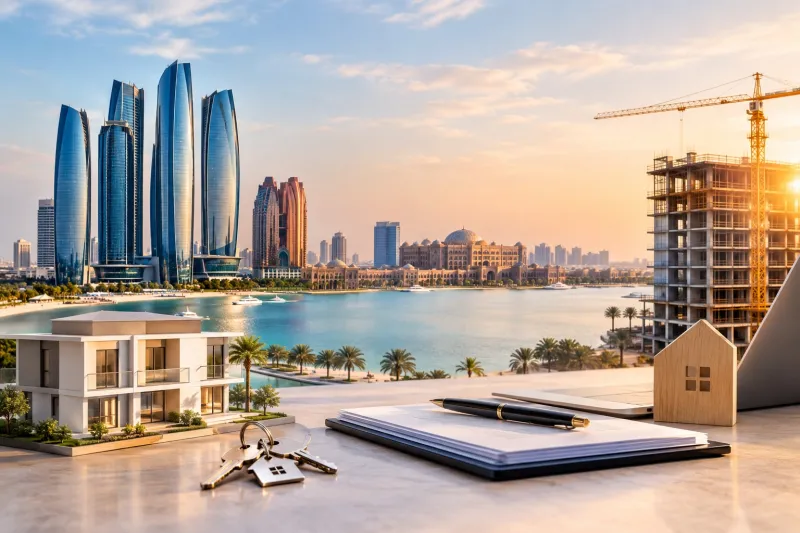
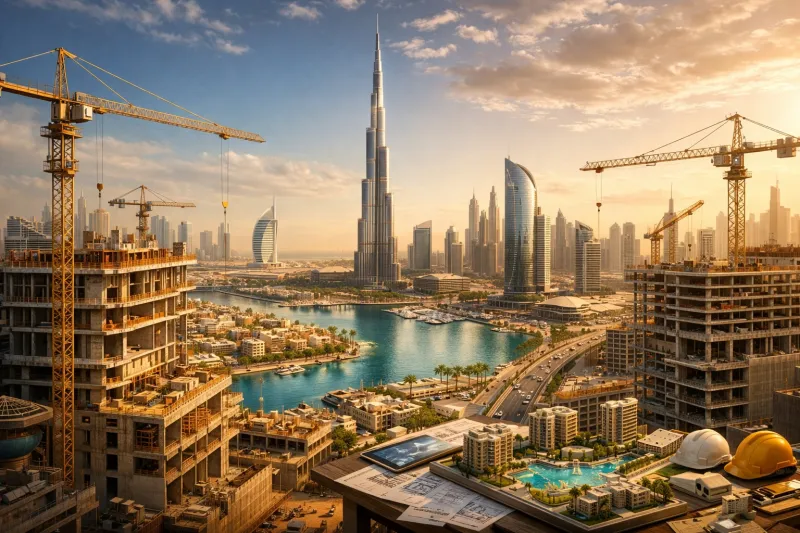
The supply side in 2026 is notable for record pipelines across the Emirates, with major master-planned communities, waterfront projects, and high-density towers coming online. These pipelines, including both announced and under-construction projects, are reshaping inventory profiles and offering buyers a broader product mix. While some markets face short-term pressure from concentrated completions, staggered delivery schedules and diversified product tiers are helping to absorb new supply.
Price and rent trajectories in 2026
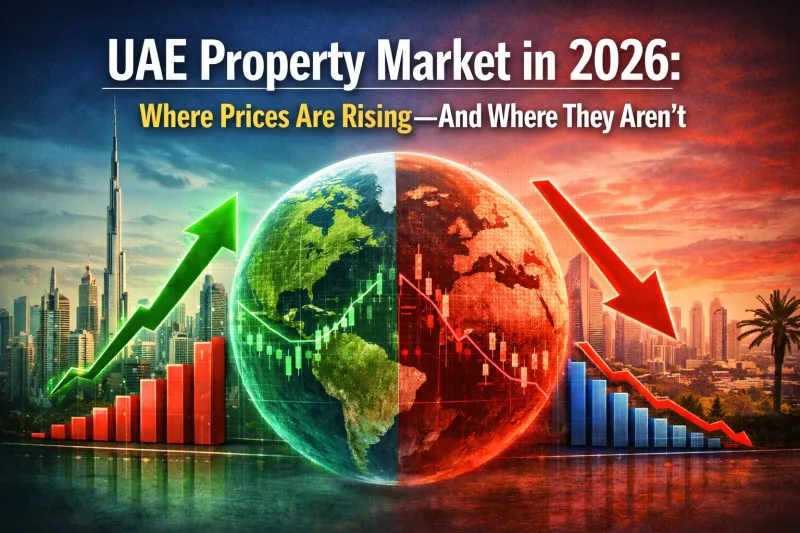
Prices have risen most sharply in centrally located and lifestyle-driven pockets, while more affordable suburbs show moderate appreciation. Rental markets remain tight in cities with strong employment gains, pushing yields to attractive levels for buy-to-let investors in specific neighbourhoods. Developers are reacting with tiered pricing strategies and value-led product lines to maintain velocity in more price-sensitive segments.
Foreign investment and buyer profile shifts
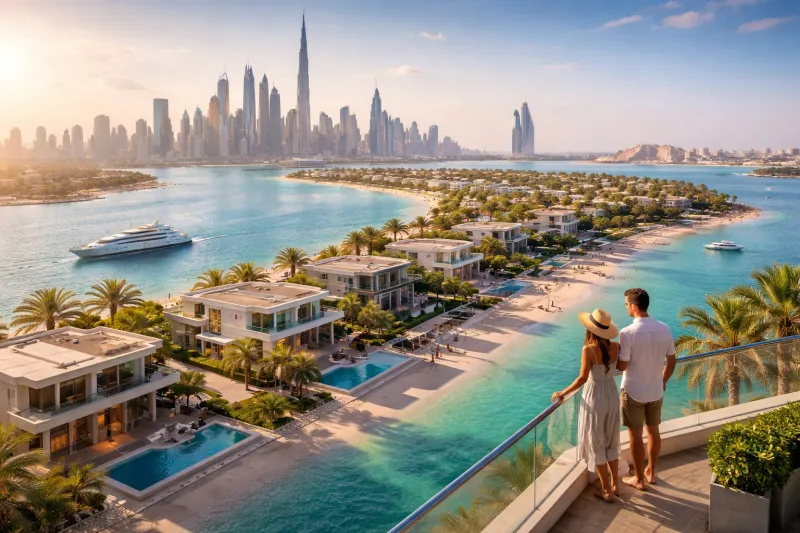
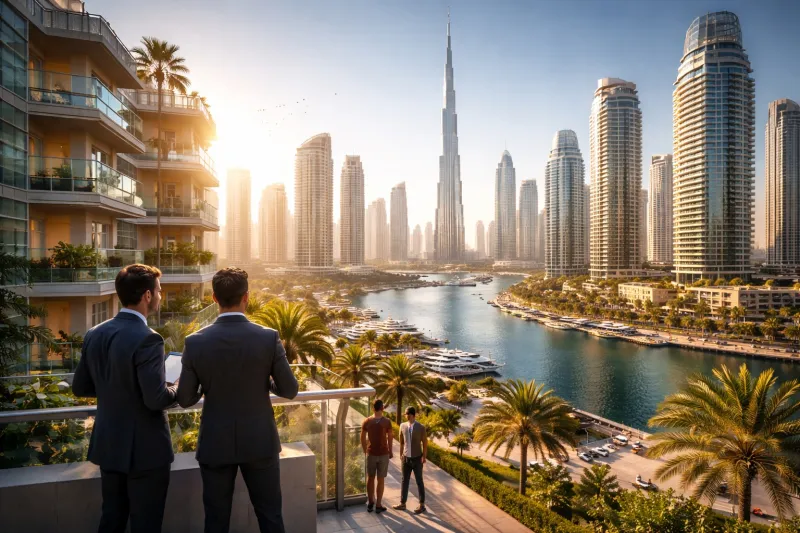
International buyers continue to play a critical role, with new source markets emerging beyond traditional GCC and South Asian investors. High-net-worth purchasers target luxury waterfront and penthouse units, while mid-market foreign buyers favour turnkey apartments in integrated developments. Institutional interest has grown as well, with private equity and REIT activity increasing in response to clearer regulatory frameworks and improved transparency.
Residential versus commercial sector performance
Residential demand outpaced commercial during the recovery phase, driven by housing needs and lifestyle purchases. However, the commercial sector is gradually strengthening: office leasing has improved in core business districts, and flexible workspace continues to expand. Retail is evolving with experiential formats and mixed-use integration, while industrial and logistics segments benefit from e-commerce growth and regional trade flows.
Regional differences across the Emirates
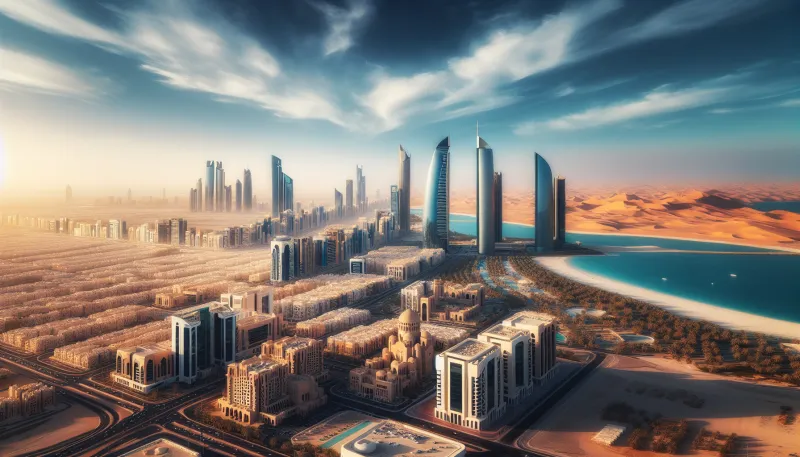
Dubai remains the most liquid market with the widest range of product and investor appetite, but Abu Dhabi is carving out selective strength in high-quality residential and strategic commercial assets. The northern emirates are gaining attention for affordability and higher yields, attracting buyers priced out of the primary centres. Each emirate is carving a distinct niche: gateway luxury and tourism in Dubai, sovereign-backed stability in Abu Dhabi, and value-driven projects elsewhere.
Policy, visas and developer incentives
Policy changes enacted over recent years continue to influence buyer behaviour. Long-term residency permits, investor visas, and land-use relaxations have improved market accessibility. Developers are increasingly offering tailored incentives from flexible payment plans to service-charge concessions and hospitality-linked ownership models to accelerate sales and manage inventory absorption amid heavier completions.
Financing, mortgages and capital flows
Mortgage availability has improved as banks recalibrate lending and risk appetites post-recovery. Competitive funding and slightly more relaxed loan-to-value profiles for qualifying buyers support higher volumes in the secondary market. At the same time, developer financing remains key: strategic JV structures, pre-sales and institutional capital help bridge construction pipelines, while rising interest-rate sensitivity is prompting more conservative underwriting in select segments.
Risks, challenges and potential headwinds
Despite the upbeat picture, the market faces several risks: concentration of supply in certain micro-markets, interest-rate volatility affecting affordability, and geopolitical or macroeconomic shocks that could dampen foreign demand. Execution risk for large-scale projects and the potential mismatch between product offerings and end-user needs are watchpoints for lenders and investors. Market participants are increasingly focused on stress-testing scenarios, phasing strategies and product differentiation to mitigate downside exposure.
Focused on delivering informative, accessible content