Hormuz closure sends Gulf markets lower, dampening ceasefire hopes
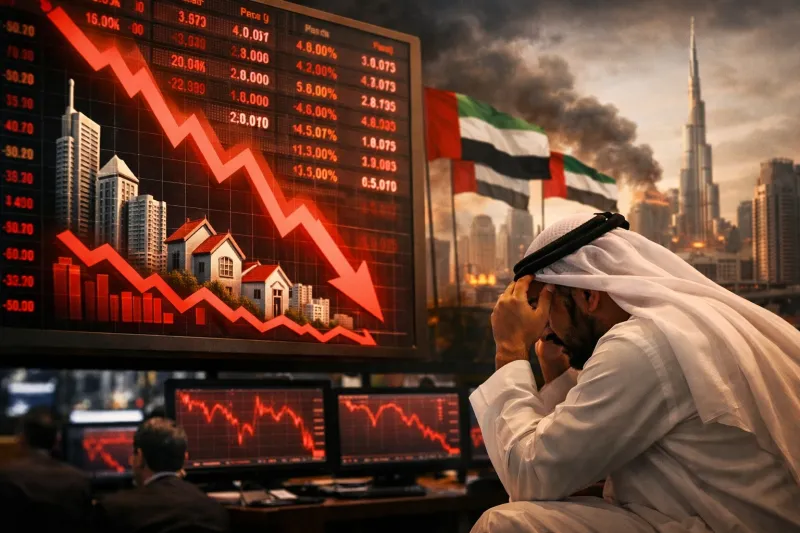
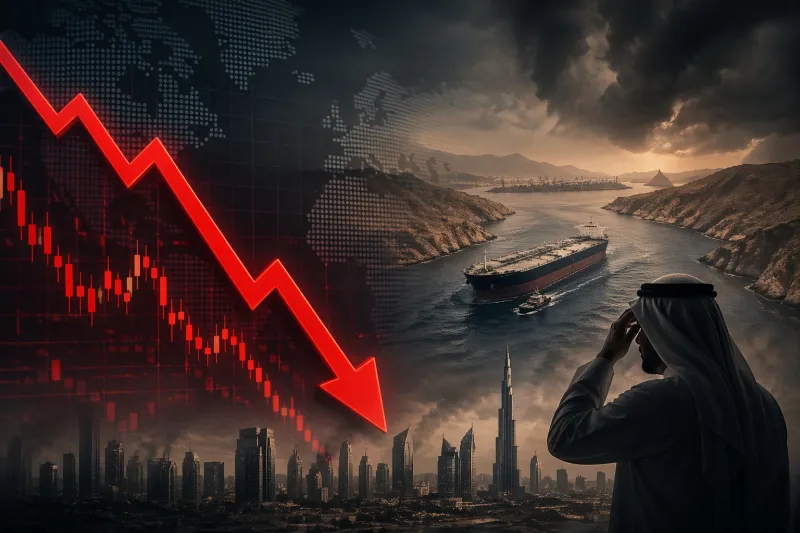
The sudden closure of the Strait of Hormuz triggered a sharp sell-off across Gulf markets early today, as traders digested the immediate effects on energy shipments, shipping costs and the fragile diplomatic momentum toward a ceasefire in the region. Risk aversion spread through equities and bond markets as oil and insurance costs climbed, raising questions about both near-term market stability and prospects for de-escalation.
- Immediate market reaction
- Oil prices leap but settle unevenly
- Shipping and insurance costs rise
- Investor sentiment and capital flows
- Political fallout and diplomatic signaling
- Ceasefire hopes dim amid heightened tensions
- Regional economic impact
- Responses from international markets
- Corporate and supply chain adjustments
- Market outlook and scenarios
Immediate market reaction
Within hours of reports that transit through the Strait of Hormuz had been disrupted, Gulf stock indices fell broadly. Energy-related stocks showed mixed moves oil majors rose initially on higher futures, while regional banks and travel-linked companies dropped as liquidity tightened. Trading desks described a spike in volatility and a rush to hedges, with equity futures and sovereign bond spreads moving sharply wider.
Oil prices leap but settle unevenly
Brent and WTI crude futures jumped on the news, reflecting fears of supply bottlenecks given that a significant portion of global seaborne oil passes through the strait. After an initial surge, prices settled at a premium as markets weighed spare capacity, strategic reserves and alternative routes. Traders emphasized the role of sentiment: the first ticks were aggressive, but follow-through depended on official statements and shipping updates.
Shipping and insurance costs rise
Freight forwarders and insurers immediately recalibrated risk premiums for vessels operating in and near the Gulf. War-risk insurance rates increased, and some carriers announced reroutes to avoid chokepoints, adding days and costs to voyages. Analysts warned that higher insurance and rerouting expenses would likely be passed down the supply chain, affecting refining margins and consumer fuel prices in import-dependent economies.
Investor sentiment and capital flows
Heightened geopolitical risk prompted a pullback from riskier assets in the region, with foreign investors reducing exposures to Gulf equities and local debt. Safe-haven flows benefited currencies and assets outside the Gulf, while some regional currencies weakened against the dollar on concerns about trade disruptions and potential capital outflows. Portfolio managers signaled a reassessment of allocations until the security situation clarified.
Political fallout and diplomatic signaling
Governments in the Gulf and beyond issued statements urging calm and calling for the immediate reopening of maritime routes, but messaging was cautious. Diplomatic channels reportedly intensified, with envoys and military officials seeking de-escalatory steps. Observers noted that conflicting narratives about the cause of the closure complicated mediation efforts and undermined confidence in a swift political resolution.
Ceasefire hopes dim amid heightened tensions
The closure dealt a blow to nascent hopes for a ceasefire in adjacent conflict zones, as the new maritime confrontation reduced the political space for compromise. Negotiators on both sides faced domestic pressure to adopt tougher postures, while external mediators found it harder to maintain momentum. The market response reflected an expectation that prolonged insecurity would delay any meaningful cessation of hostilities.
Regional economic impact
Trade-dependent Gulf economies braced for near-term disruption to exports and imports. Logistics-dependent industries, such as refining, petrochemicals, and re-exports, faced immediate logistical headaches. Policymakers were reported to be monitoring supply chains closely and preparing contingency plans, including temporary adjustments to port operations and coordination with international partners to minimize economic fallout.
Responses from international markets
Global markets reacted to the Gulf sell-off with a mix of caution and opportunism. Energy-focused investors rotated into physical and futures positions, while diversified funds reduced exposure to emerging-market risk. Central banks and sovereign wealth managers issued guarded comments, emphasizing reliance on market mechanisms and strategic petroleum reserves to cushion supply shocks if necessary.
Corporate and supply chain adjustments
Multinational companies with logistics through the strait began activating contingency measures, from shifting freight to alternative routes to accelerating purchases under existing contracts. Shipping firms signaled increased capacity bookings on longer routes, while energy firms assessed the need to tap strategic reserves or divert shipments to meet contractual obligations. These operational responses aim to limit immediate disruptions but raise costs.
Market outlook and scenarios
Analysts outlined several scenarios for how markets might evolve: a quick reopening with limited lasting impact; a prolonged closure leading to sustained price spikes and deeper economic disruption; or episodic flare-ups that keep volatility elevated. Investors said they would closely monitor on-the-ground developments, diplomatic engagements, and central bank commentary to recalibrate risk models and portfolio hedges accordingly.
Focused on delivering informative, accessible content