UAE property markets in 2026: where prices are rising—and where they aren't
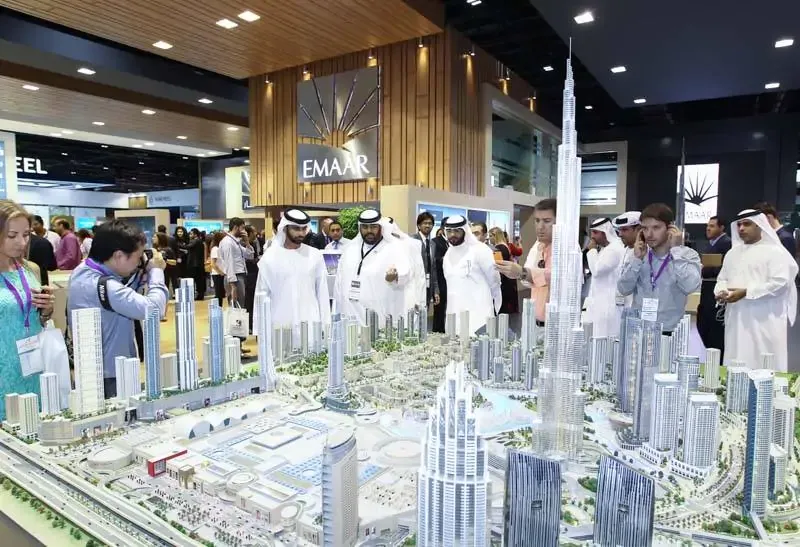
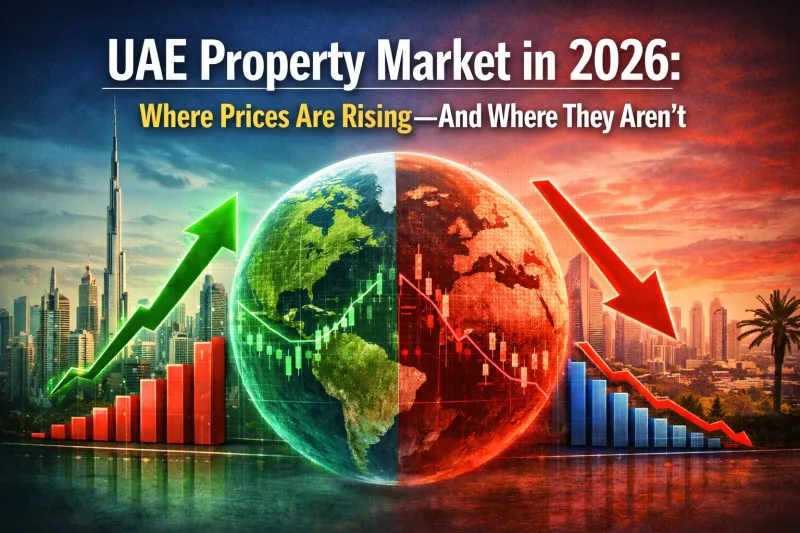
The UAE property market in 2026 is a study in contrasts: pockets of brisk price growth sit alongside neighborhoods where values have plateaued or corrected. This article maps the terrain city by city and sector by sector, identifying where demand, policy and infrastructure are driving appreciation, and where oversupply, affordability limits or shifting investor appetite are capping gains.
- Overview: a market shaped by demand, policy and projects
- Dubai: luxury and waterfront properties leading gains
- Abu Dhabi: steady gains but more selective than Dubai
- Sharjah and Ajman: affordability drives demand but caps upside
- Ras Al Khaimah and Umm Al Quwain: slower markets with niche opportunities
- Villas versus apartments: divergent trends within residential sector
- Commercial and retail: selective recovery tied to tourism and office demand
- Foreign buyer flows and residency incentives shaping hotspots
- Infrastructure, transport and mega-projects: where connectivity lifts values
- Investor strategies and risk management in a selective market
Overview: a market shaped by demand, policy and projects
The broad story in 2026 is uneven recovery and selective strength. Macro factors such as oil-linked liquidity, interest-rate normalization globally, and tighter developer discipline have combined with local policy moves — long-term visa incentives, relaxed foreign ownership rules and targeted stimulus — to create pockets of accelerated activity. At the same time, regions with high new-supply pipelines or weaker job growth face muted price movement.
Dubai: luxury and waterfront properties leading gains
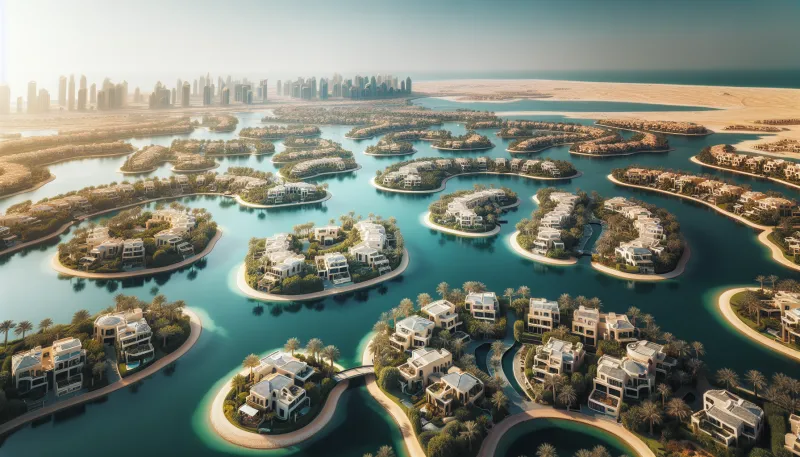
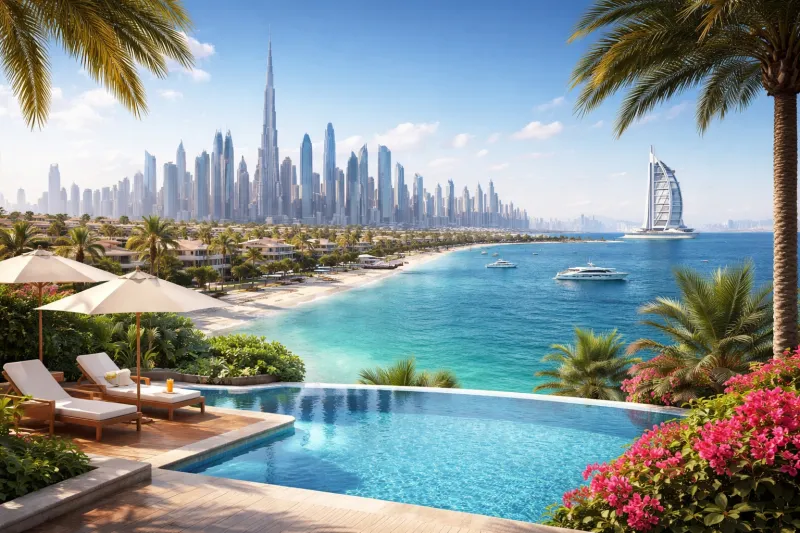
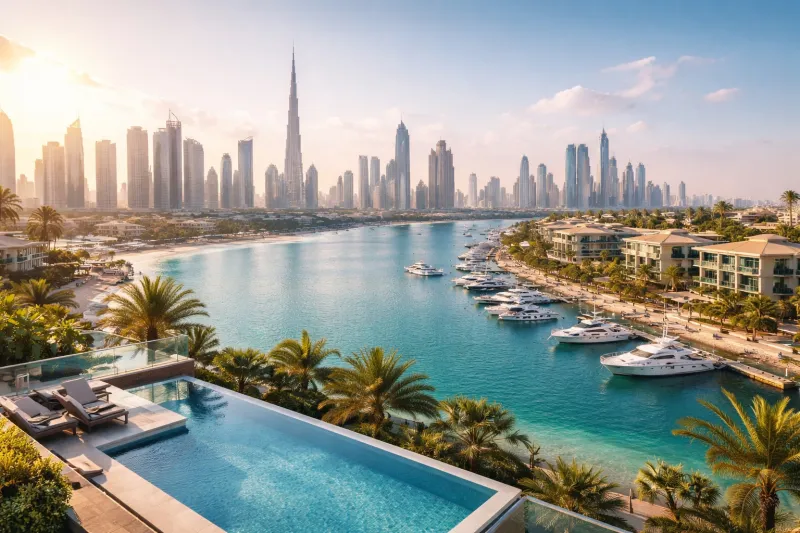
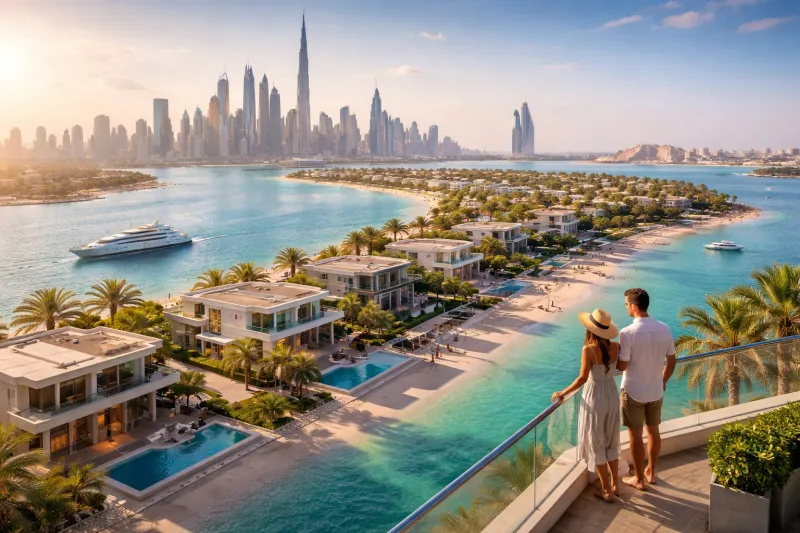
Dubai continues to show the most dynamic price growth, led by luxury villas, waterfront apartments and prime townhouses. Strong international buyer interest, particularly from Europe, South Asia and the GCC, supports high-end inventory. Developers focusing on branded residences and ultra-prime amenities have been able to command premium pricing.
Key drivers:
High-net-worth migration and second-home demand
Limited prime seafront stock versus demand
Global investor diversification into UAE assets
Abu Dhabi: steady gains but more selective than Dubai
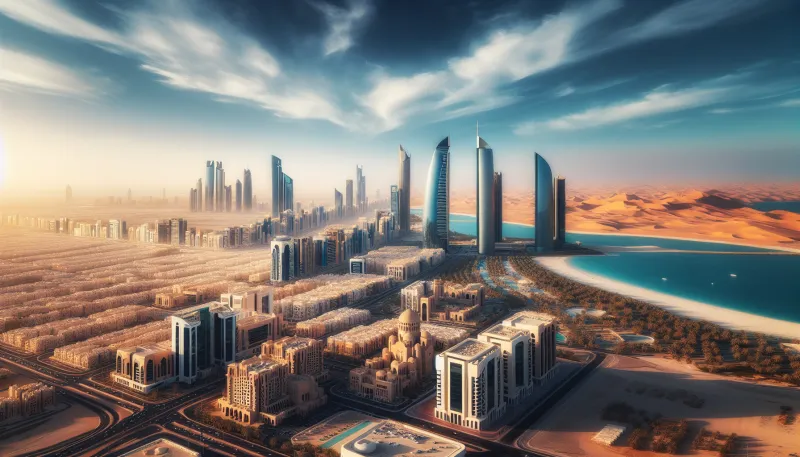
Abu Dhabi's market displays steady, controlled appreciation rather than the speculative spikes seen in some Dubai submarkets. Price rises are concentrated in neighborhoods linked to new commercial hubs, cultural districts and major mixed-use projects. Government-backed development and a focus on long-term tenants have kept volatility lower.
Where prices rise: central Corniche, Saadiyat cultural district, and select business zones. Where they aren't: older suburban apartments with weak transport links.
Ras Al Khaimah and Umm Al Quwain: slower markets with niche opportunities
Ras Al Khaimah and Umm Al Quwain show the slowest price movement in 2026. Limited job market expansion and fewer large-scale infrastructure projects keep demand muted. Yet there are niche opportunities — tourism-led resorts, eco-living developments and industrial land parcels near new logistics corridors can outperform local averages.
Investor note: expect longer hold periods and a focus on income generation rather than quick capital gains.
Villas versus apartments: divergent trends within residential sector
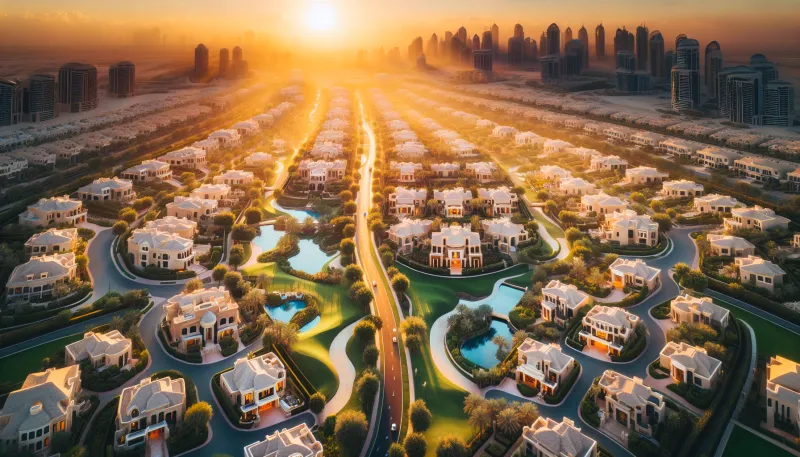
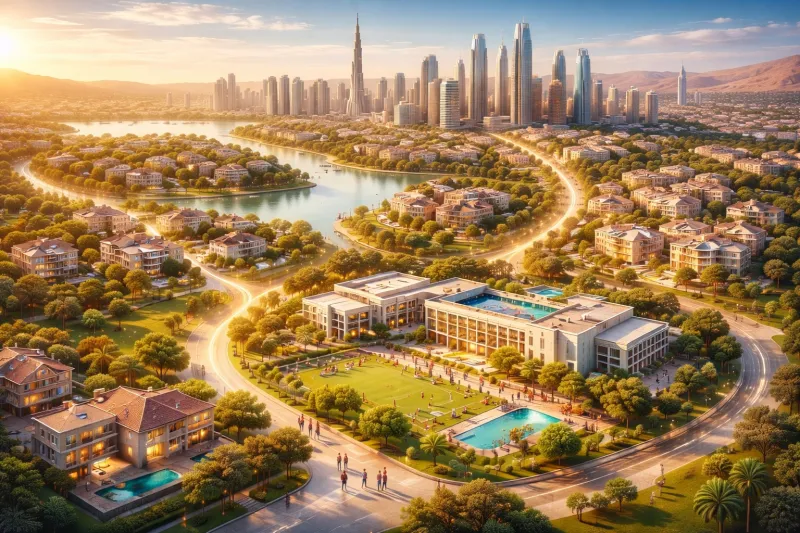
- The split between villas and apartments has widened. Villas, particularly lakeside and gated-community units, are enjoying stronger price growth as families prioritize space and privacy post-pandemic. Apartments face a mixed picture: central, well-appointed units in prime districts perform well, while mass-market towers with weak amenities see price stagnation.
- Villas: higher capital growth, stronger buyer confidence.
- Apartments: bifurcation between prime central stock and peripheral, oversupplied towers.
Commercial and retail: selective recovery tied to tourism and office demand
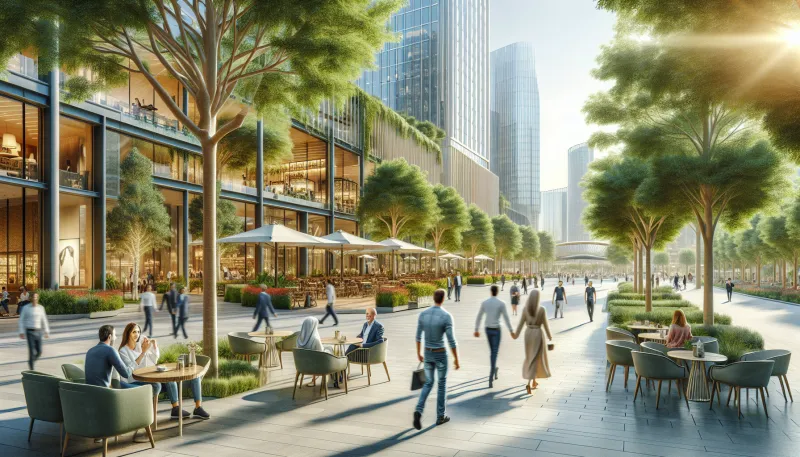
Commercial property is recovering unevenly. Grade-A offices in city centers and business districts are tightening as companies expand regional hubs, boosting rents. Retail performance is correlated with tourism flows and experiential retail offerings; malls and street-front locations anchored by leisure and dining are outperforming traditional retail reliant on discretionary spend.
Watch for: repurposing older retail spaces into mixed-use or logistics facilities where footfall lags.
Foreign buyer flows and residency incentives shaping hotspots
Visa reforms (gold visas, remote-work visas) and clearer property ownership structures for foreigners have shifted buyer patterns. International purchasers gravitate to locations offering lifestyle appeal and secure title registration. Policies that tie property investment to residency continue to be a major demand lever for mid- to high-net-worth buyers.
Result: neighborhoods marketed to global buyers — waterfronts, branded developments and integrated communities — see stronger price elasticity to demand.
Infrastructure, transport and mega-projects: where connectivity lifts values
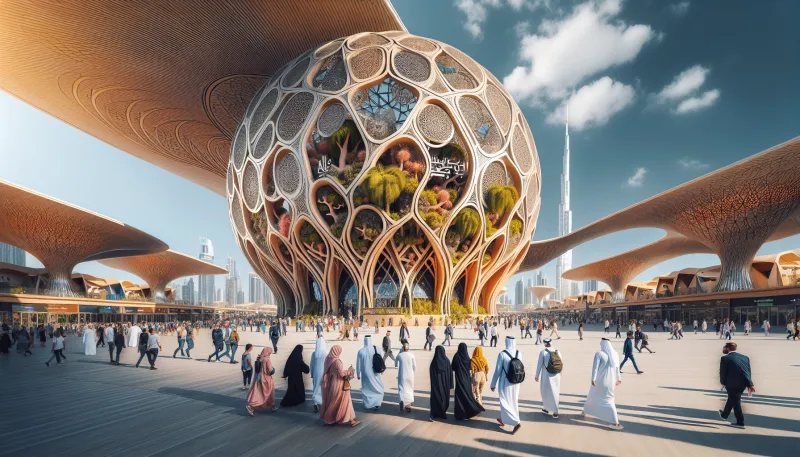
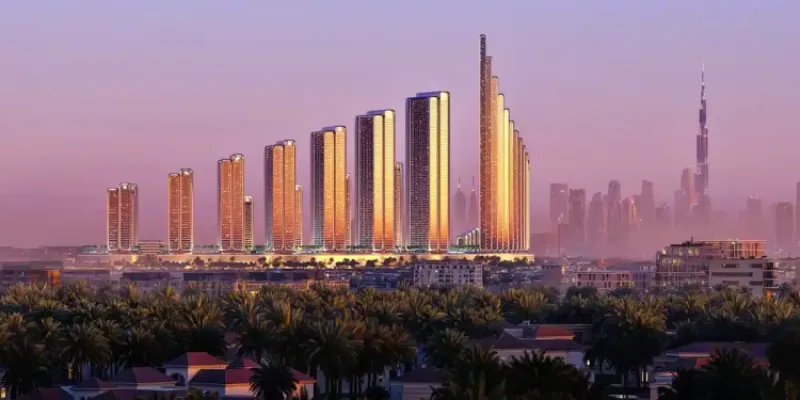
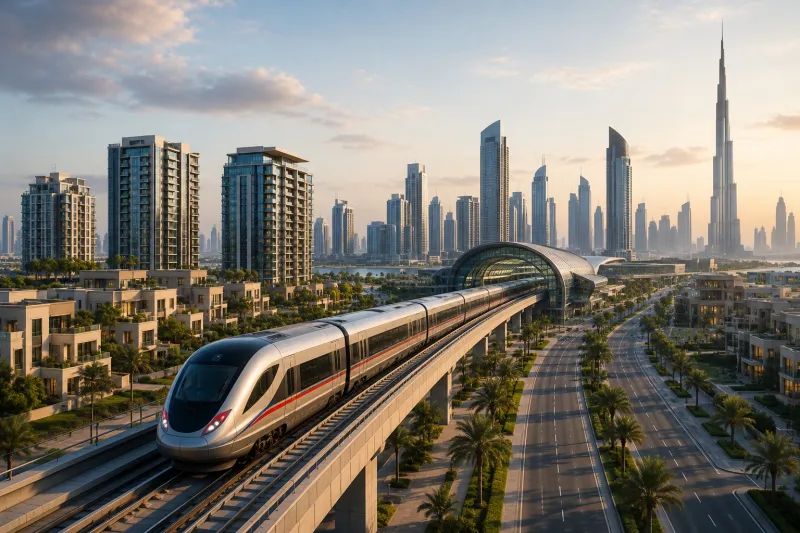
Infrastructure remains a decisive factor in 2026. Areas near new metro lines, major road upgrades, ports and airport-linked developments are experiencing above-average price growth. The legacy effects of Expo 2020 and subsequent urban regeneration projects continue to benefit adjacent districts by attracting FDI, hospitality projects and corporate relocations.
Investors should map planned transport upgrades to anticipate future demand corridors.
Investor strategies and risk management in a selective market
In 2026, successful strategies emphasize selectivity, due diligence and a focus on income as much as capital appreciation. Recommended approaches include:
Targeting prime micro-locations with proven demand drivers
Favoring assets with strong rental yield or long-term lease covenants
Stress-testing cashflow against interest-rate rises and vacancy scenarios
Considering mixed-use and hospitality-linked projects for diversification
Risk management—monitoring supply pipelines, regulatory shifts and currency exposure—remains essential as the market's winners are concentrated rather than broad-based.
Focused on delivering informative, accessible content